







Cooling systems matched to the site
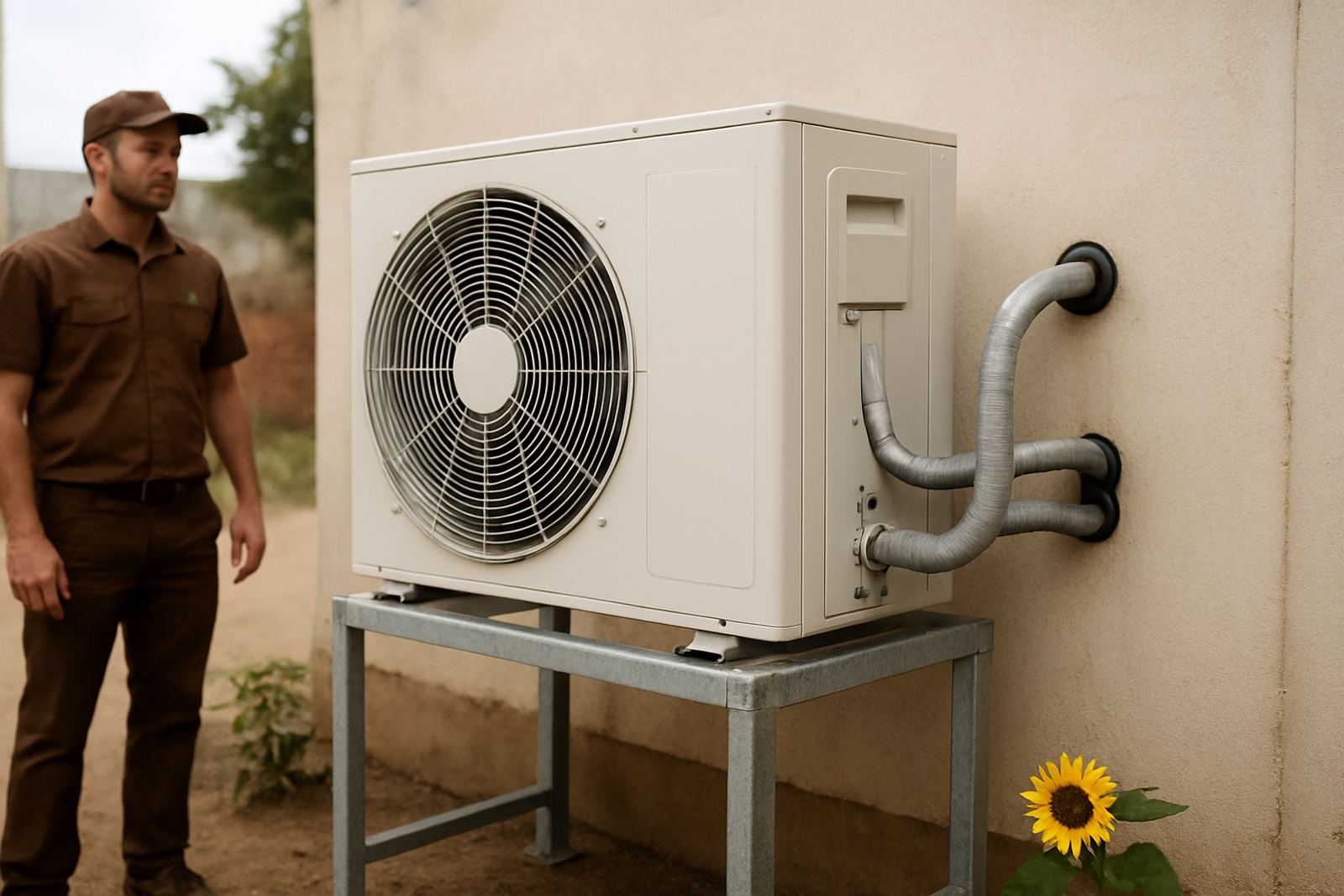
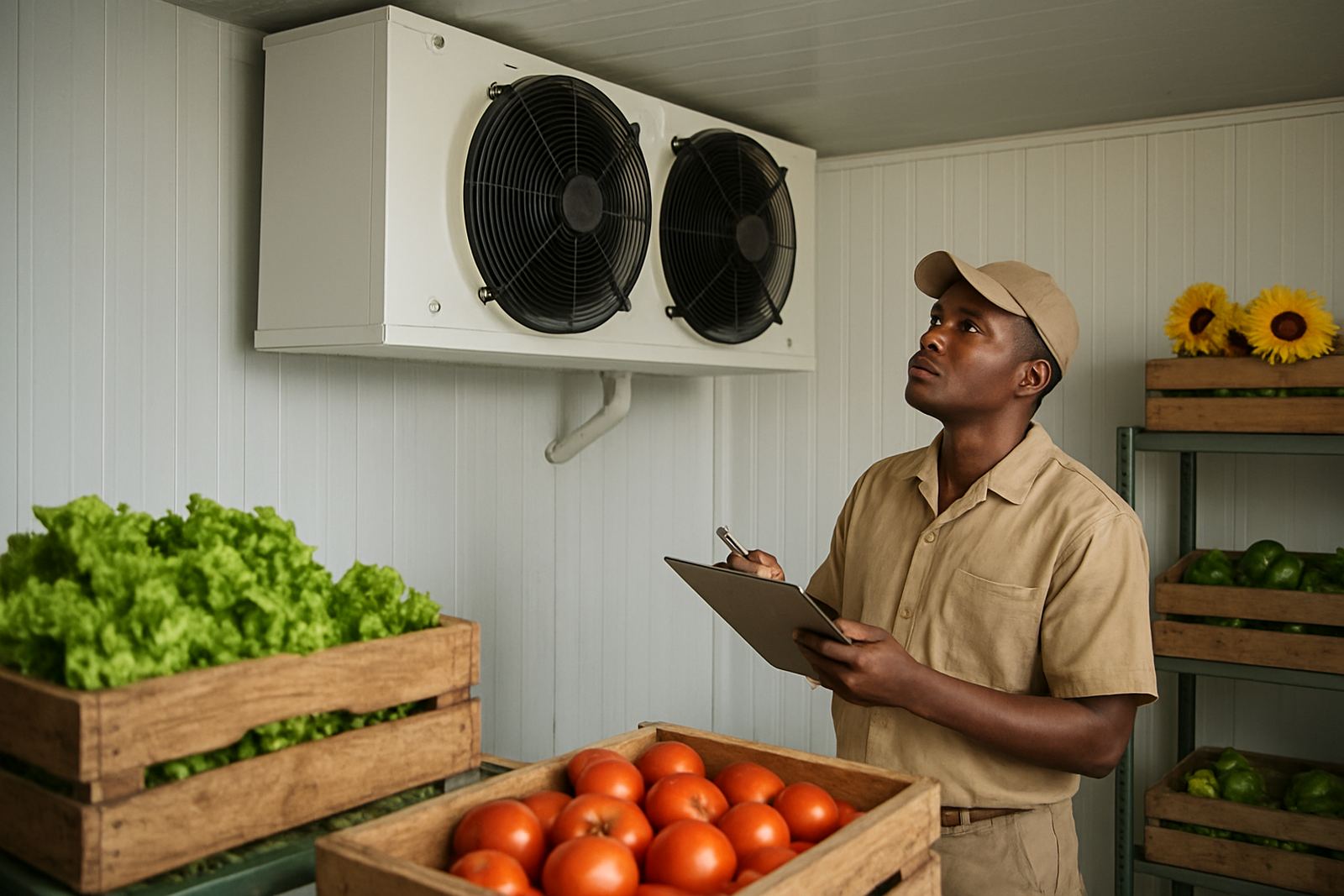
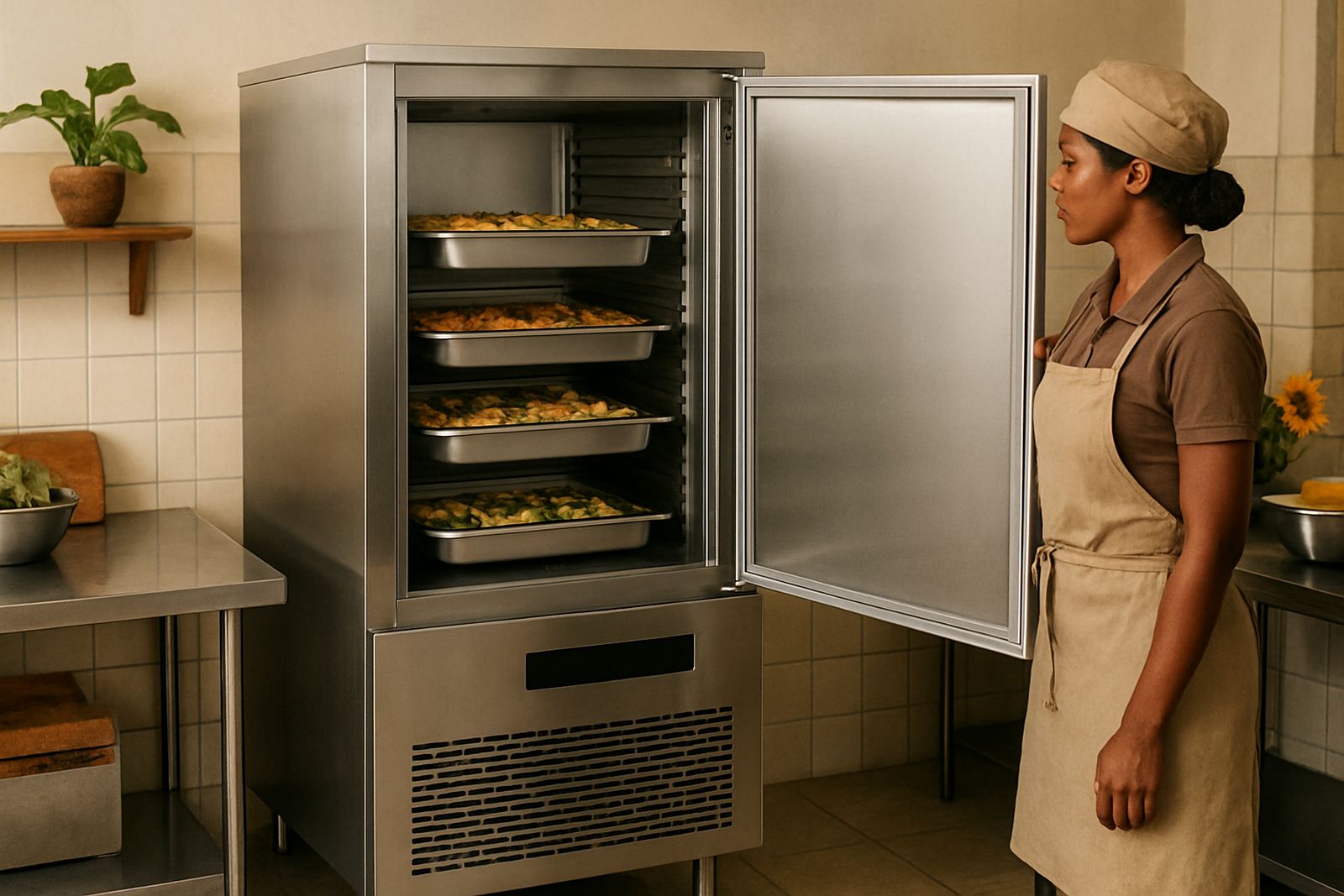
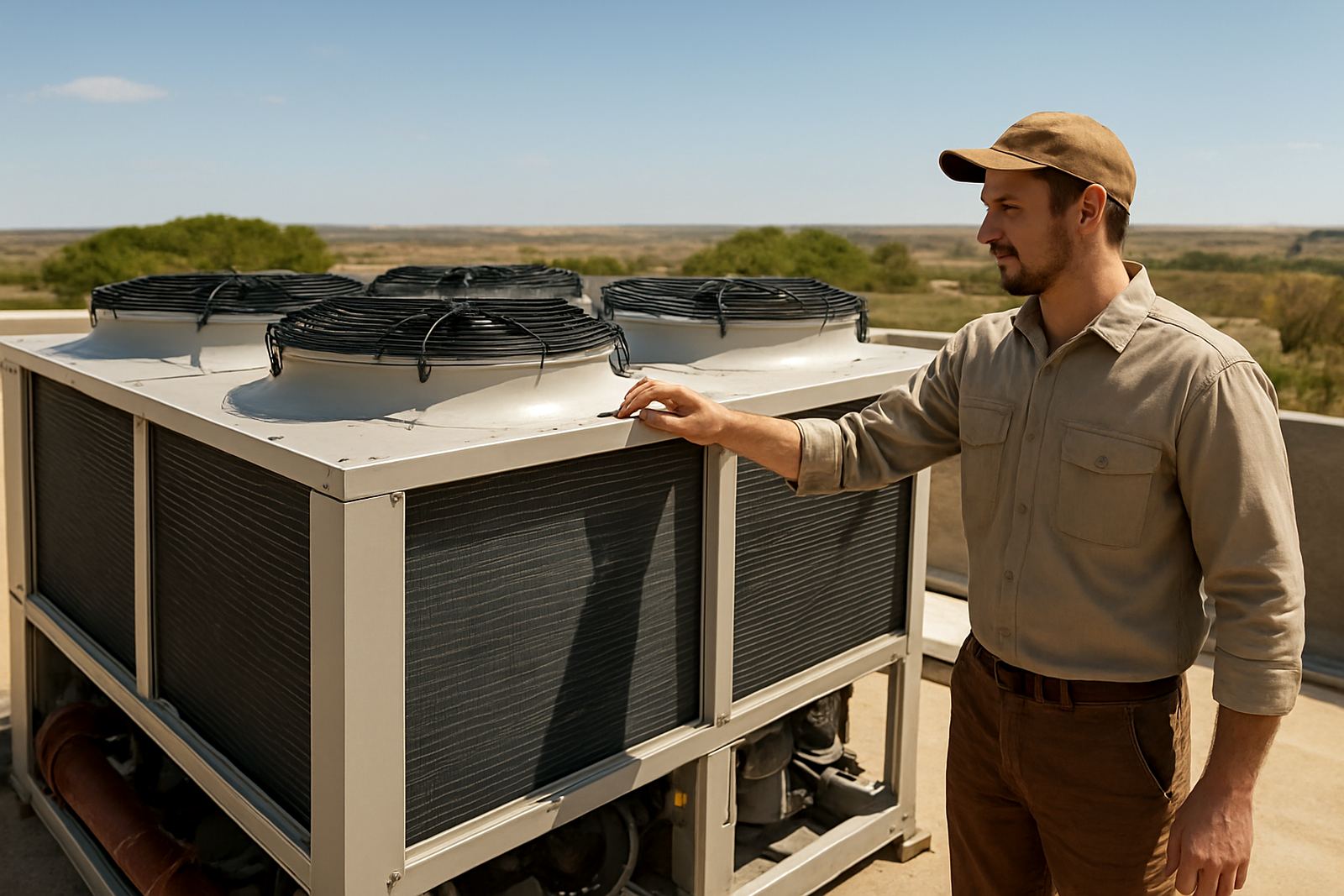
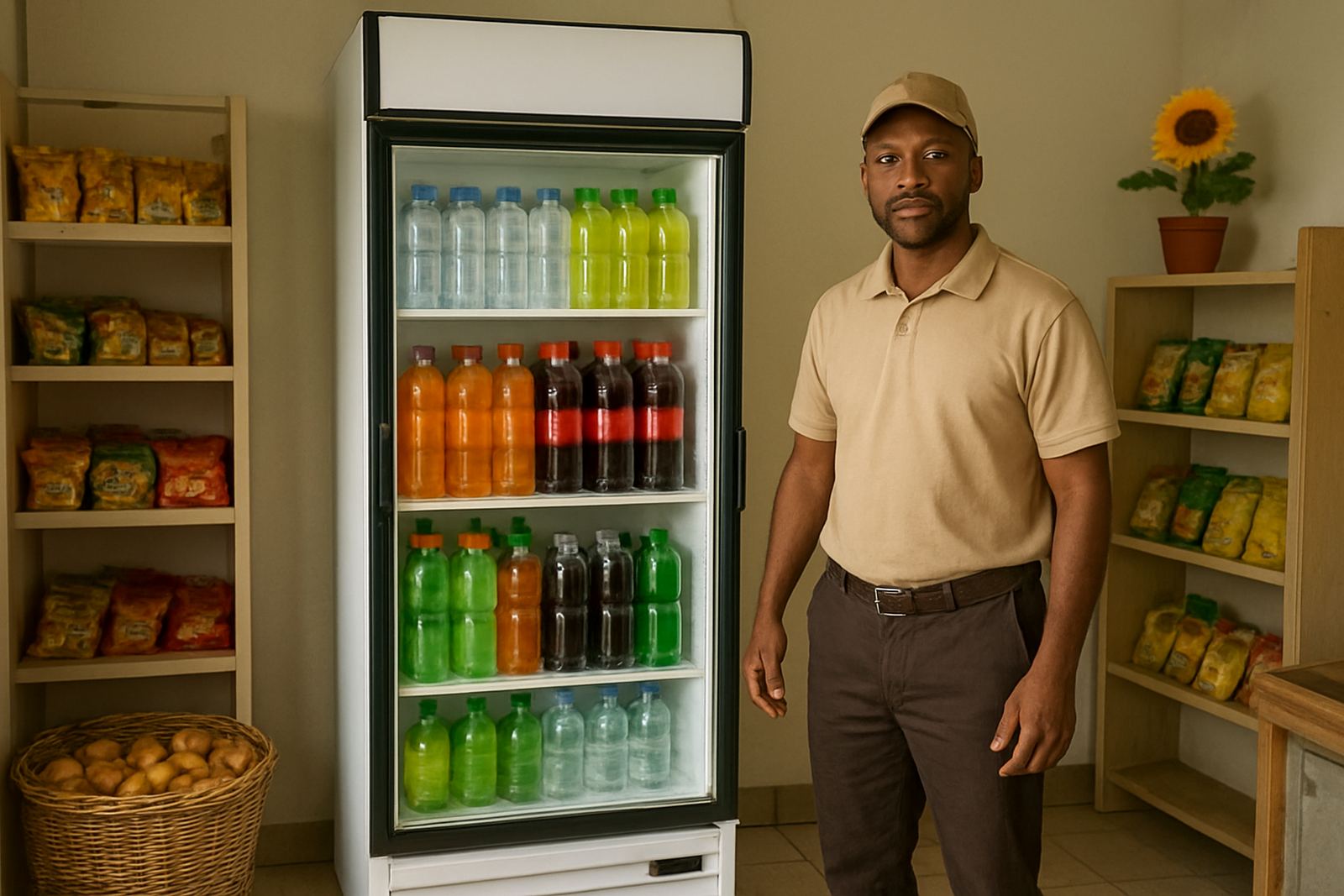
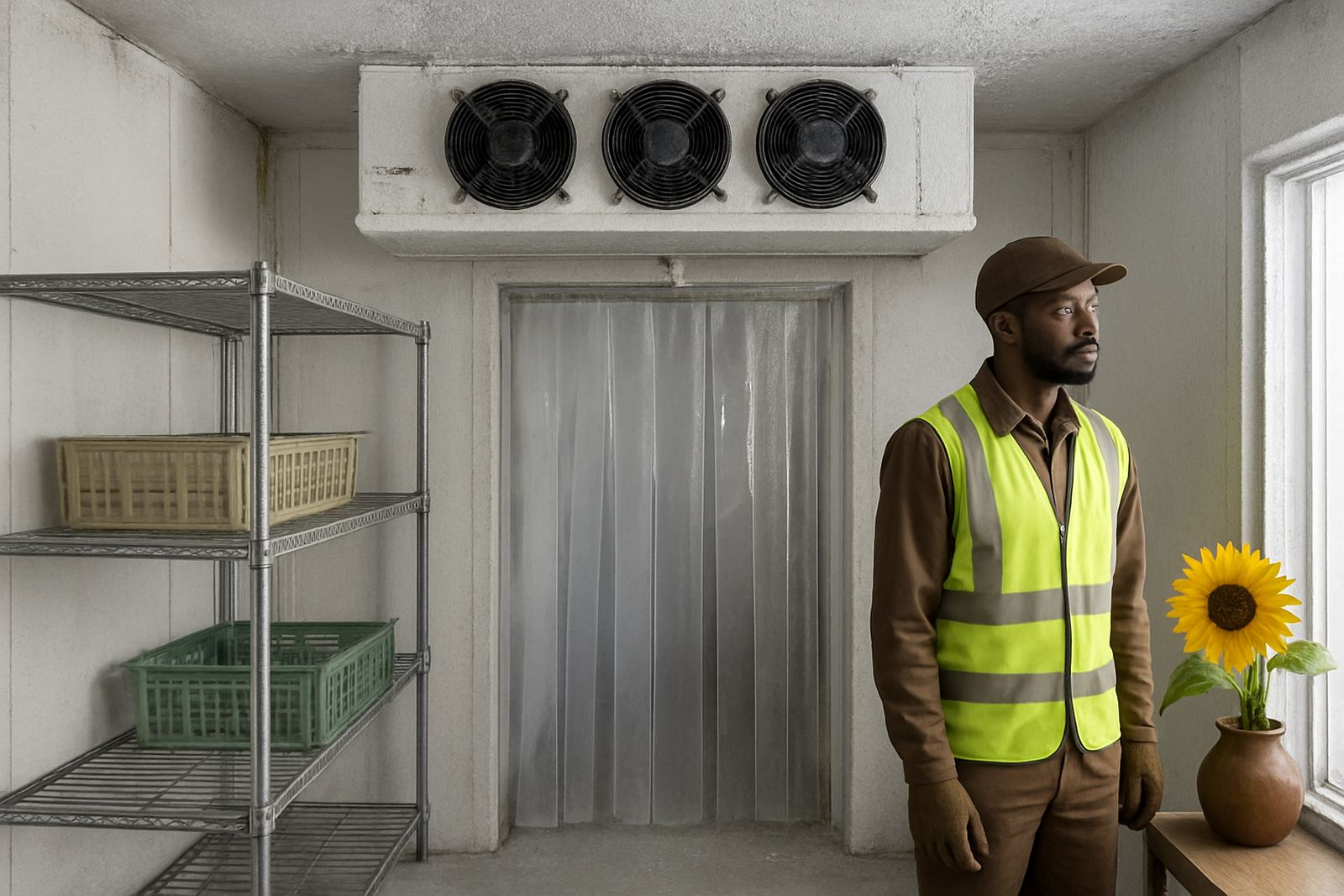
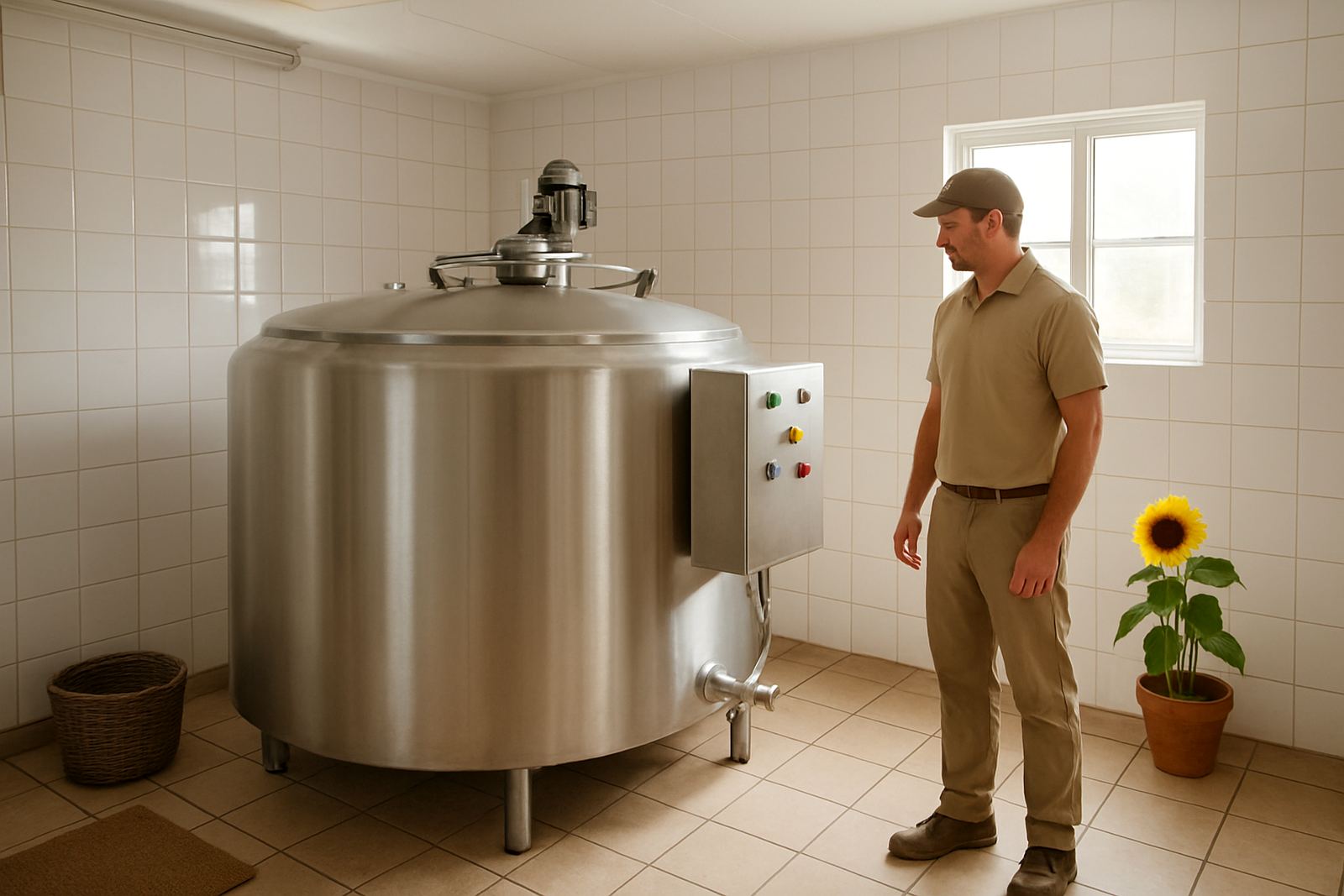
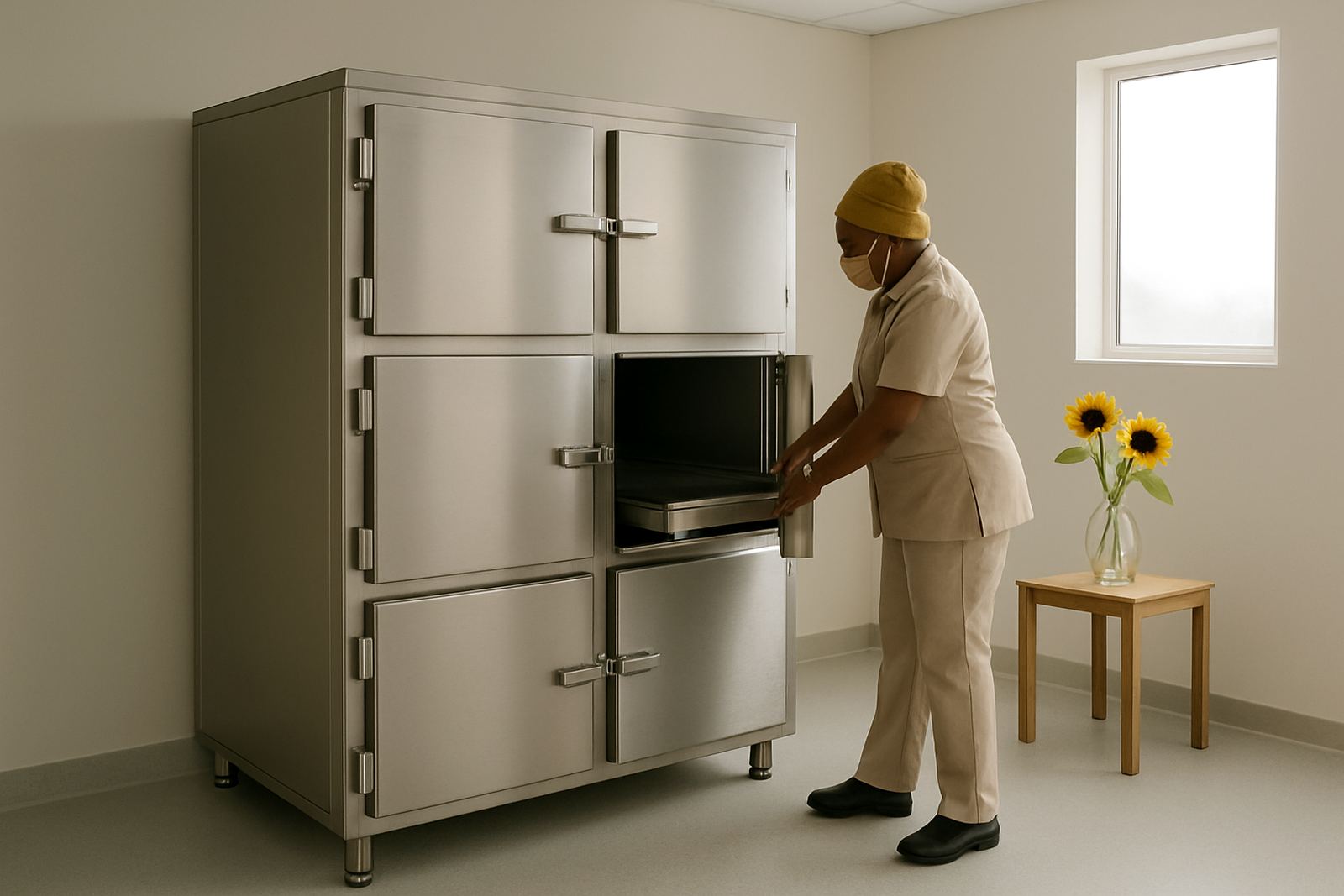
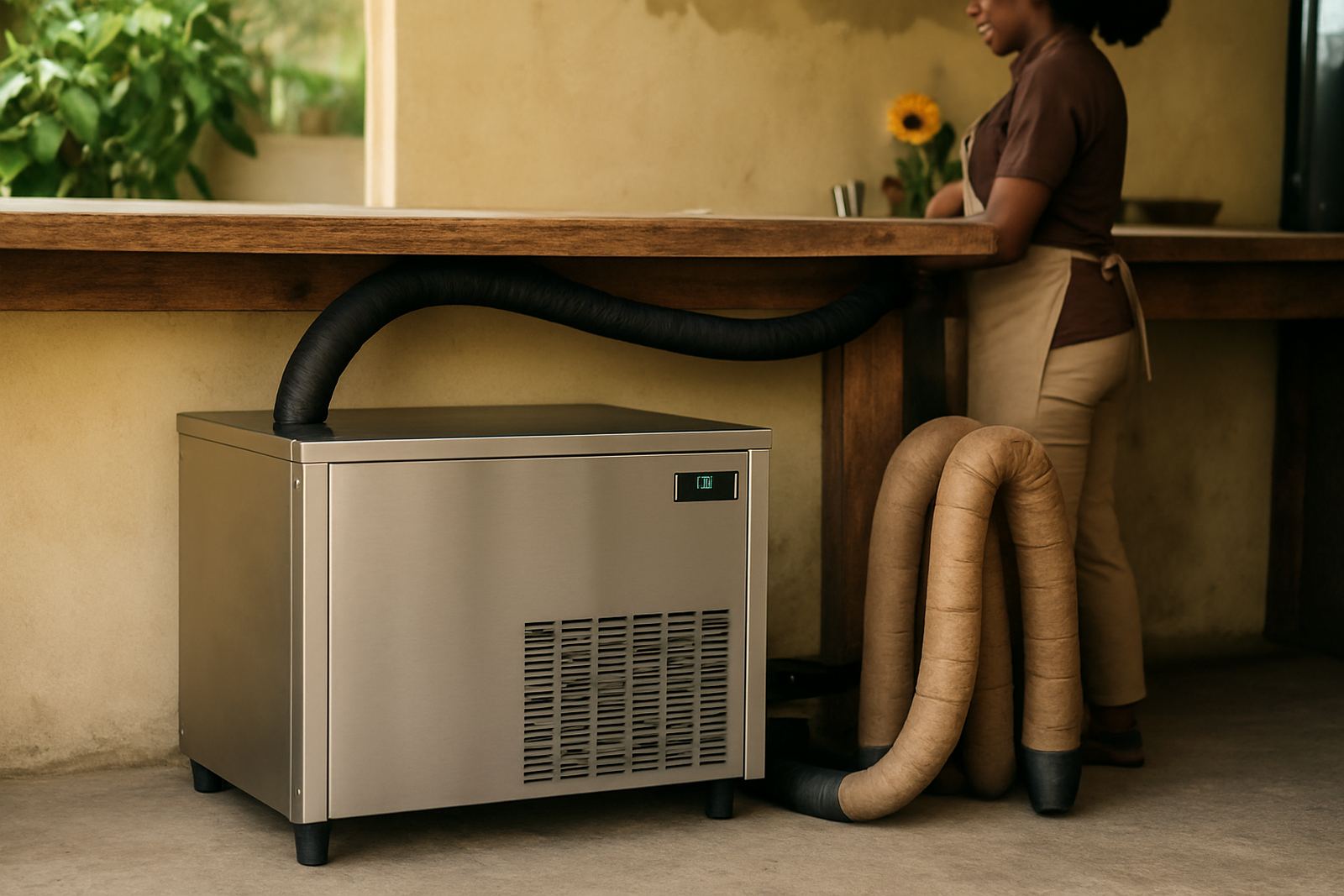
Not every site needs the same setup. A busy food store in Newton Park, a processing plant in Uitenhage or a cold storage facility near the port all face different loads, access constraints and compliance needs. We help clients choose equipment that fits the space, the product being stored or cooled, and the practical realities of daily operation.
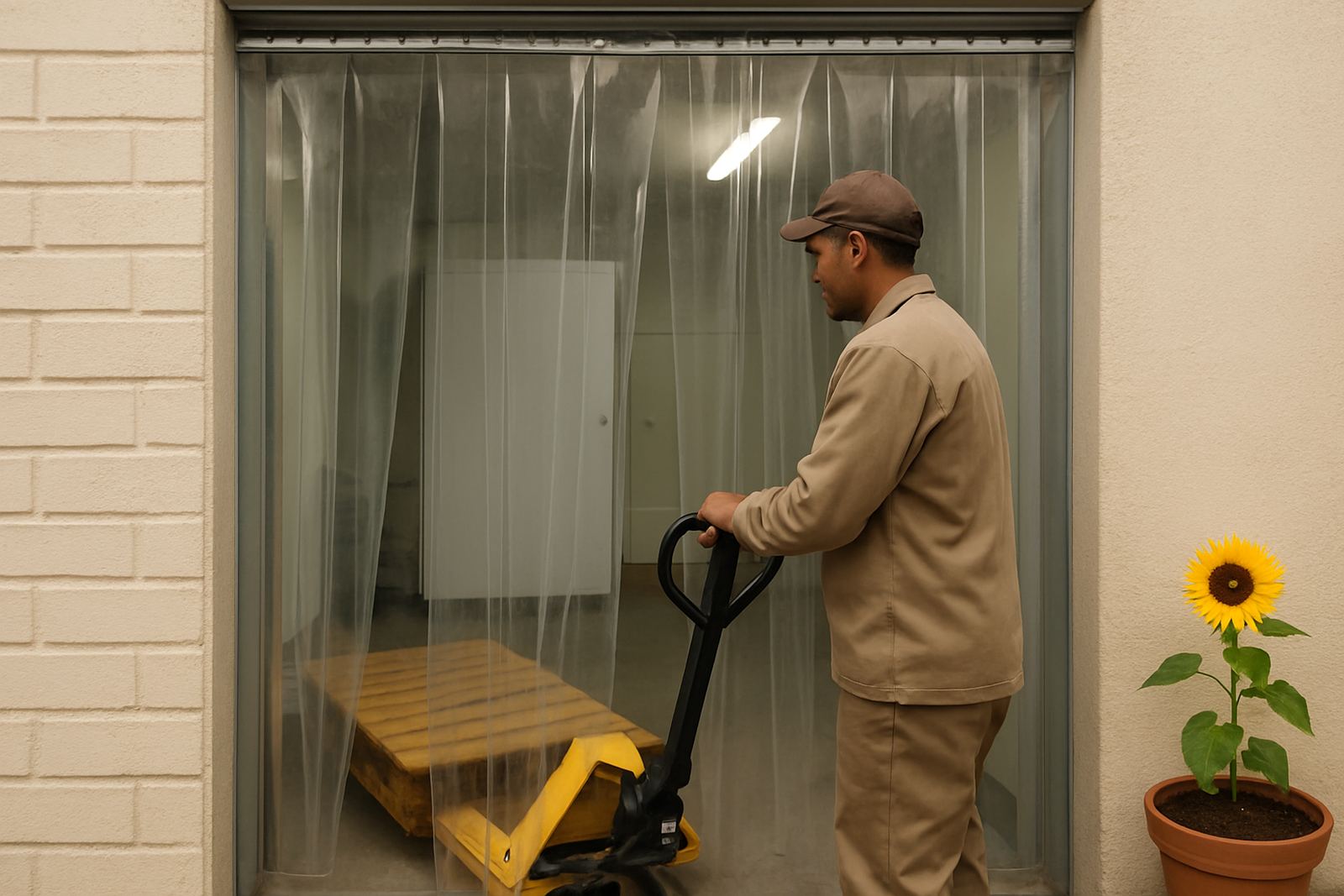
That means looking at running hours, door cycles, ambient temperatures, electrical supply stability and how easy the system is to service later. A good system should do its job without wasting power, breaking down often or creating costly downtime.
What we supply and upgrade
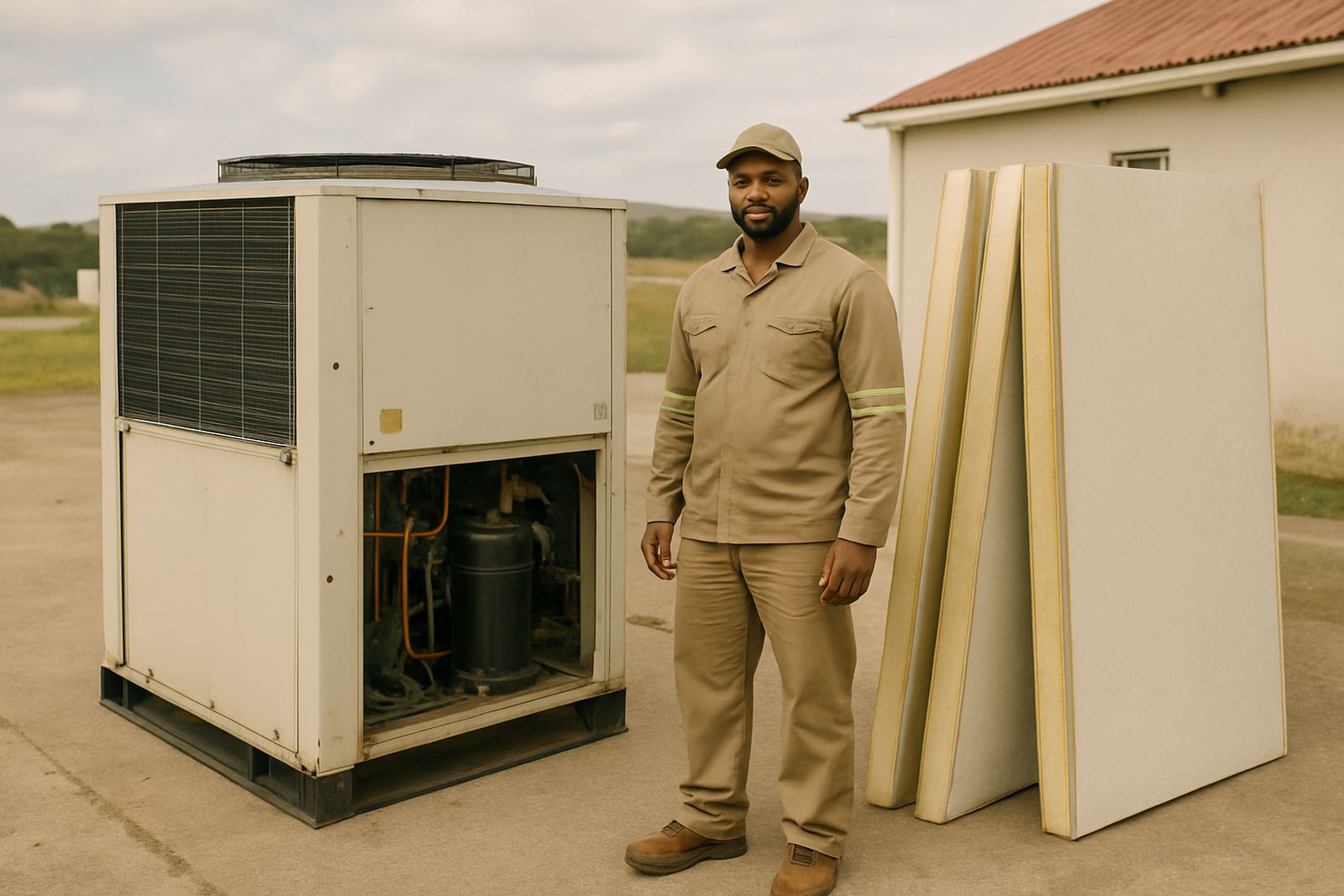
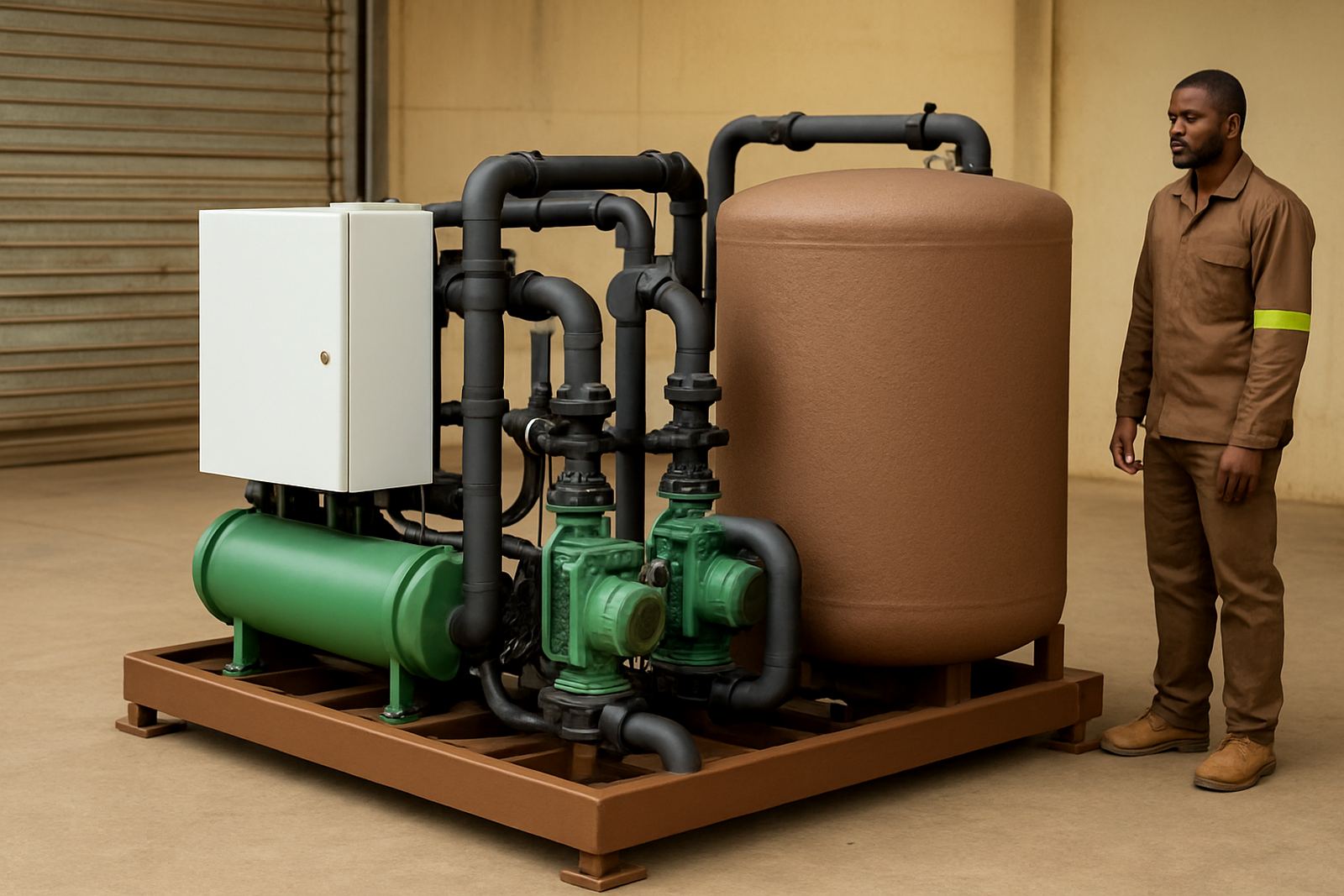
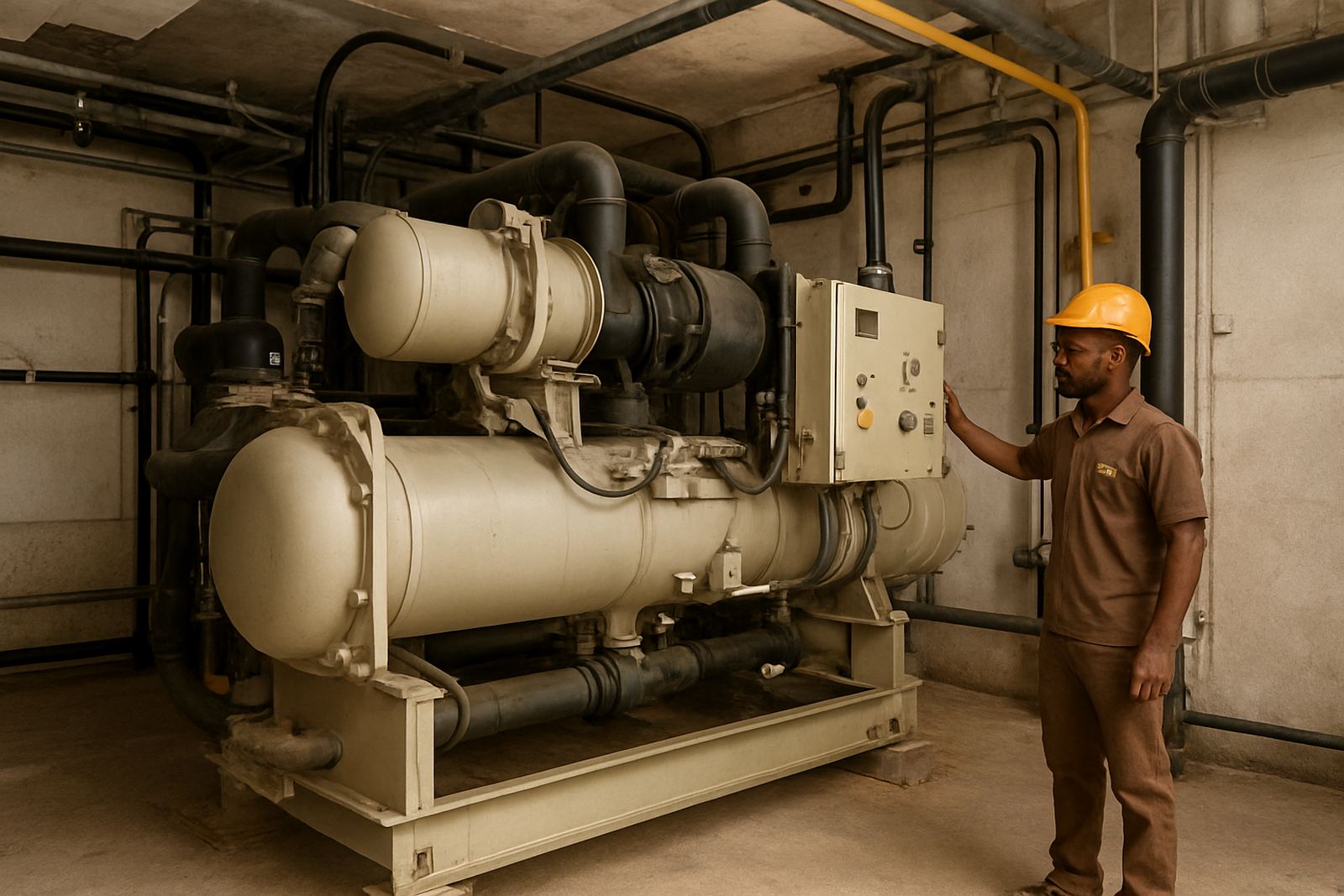
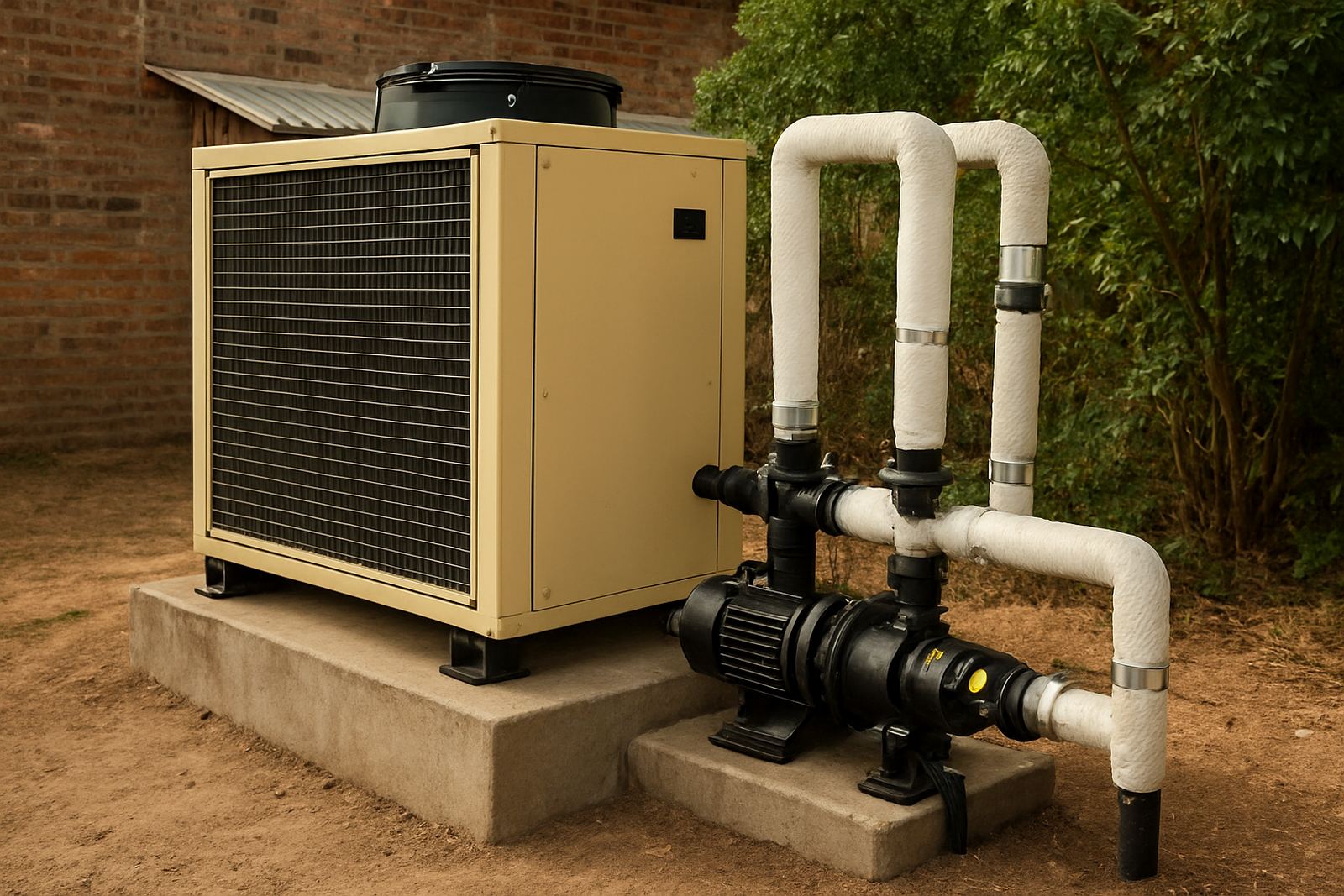
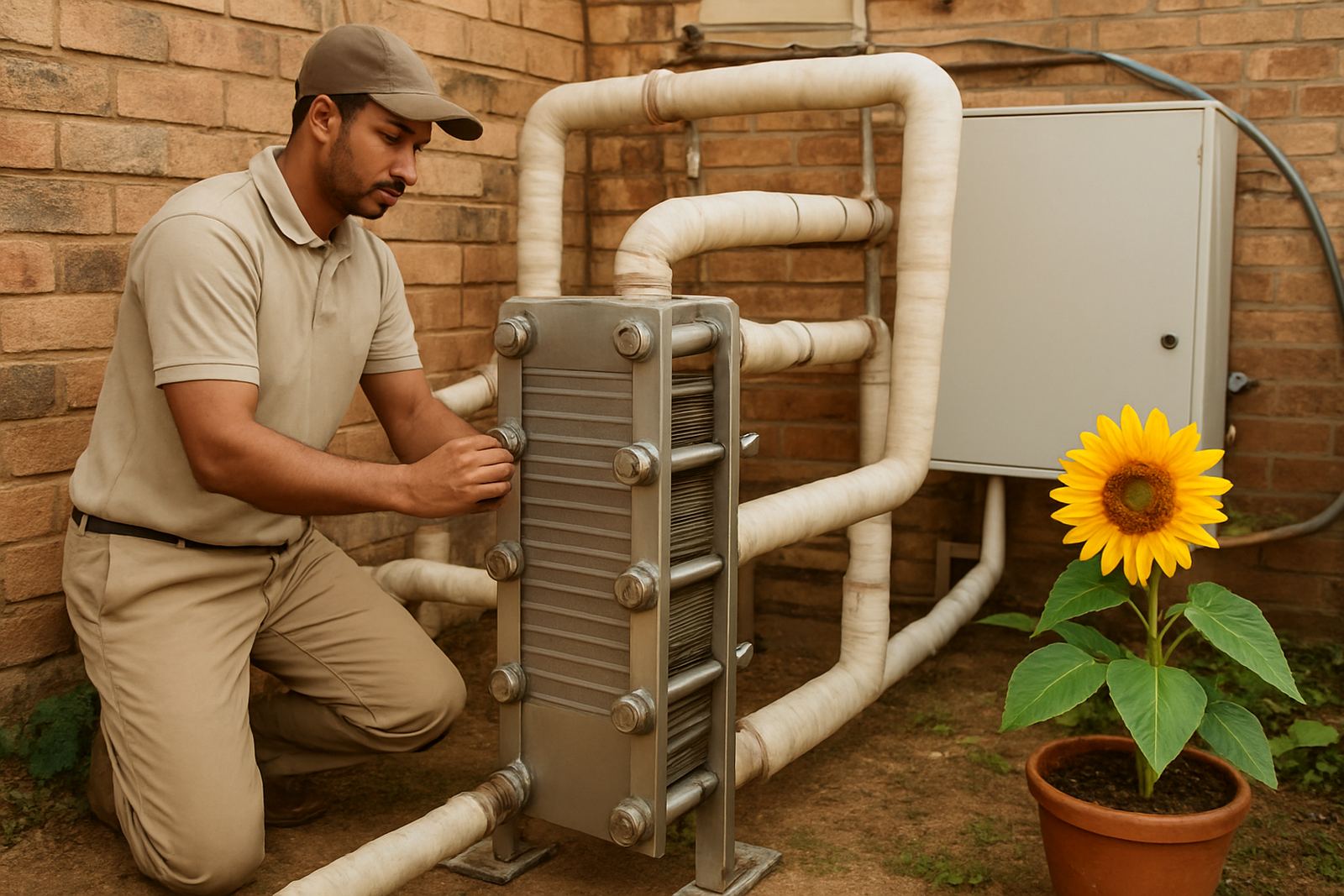
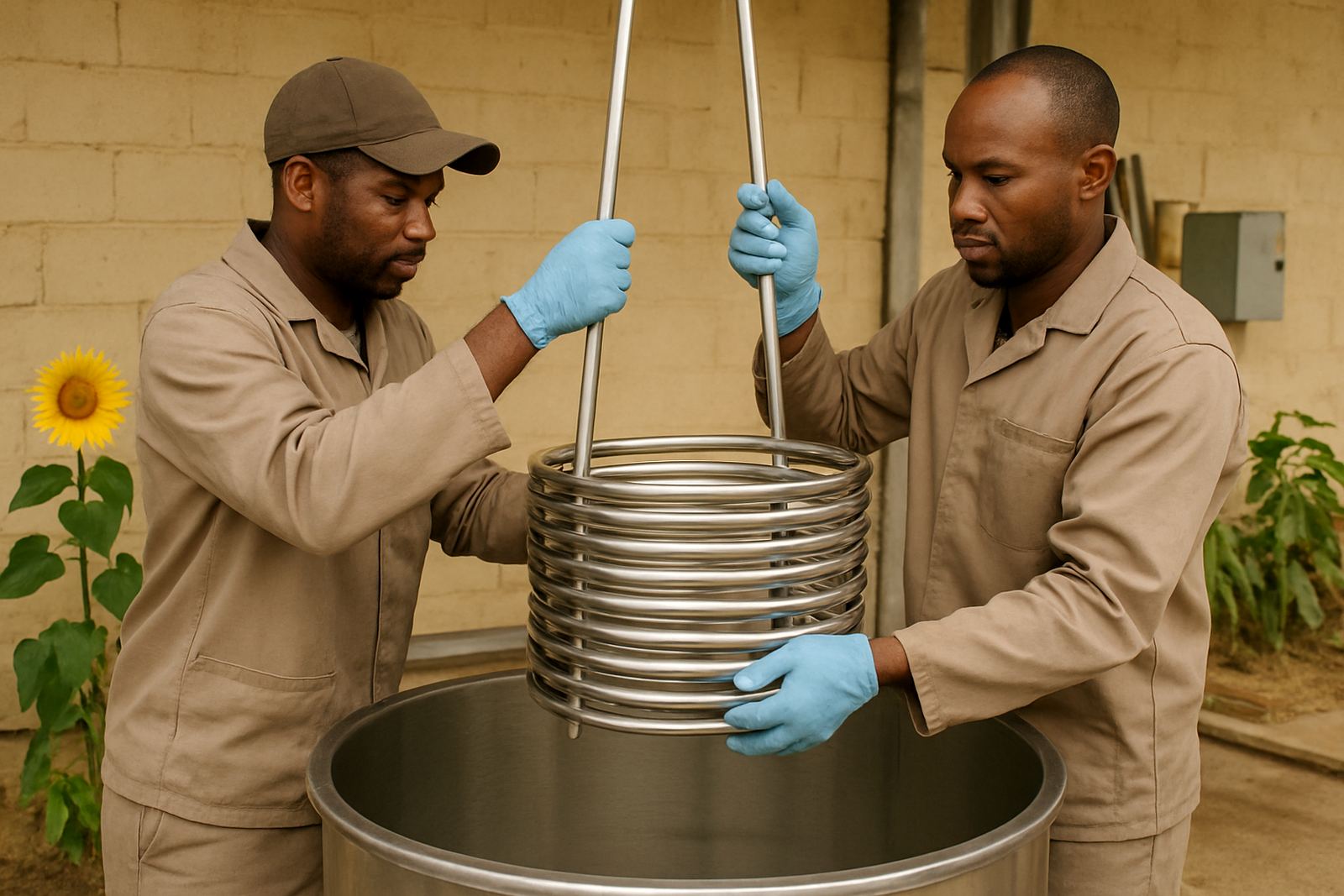
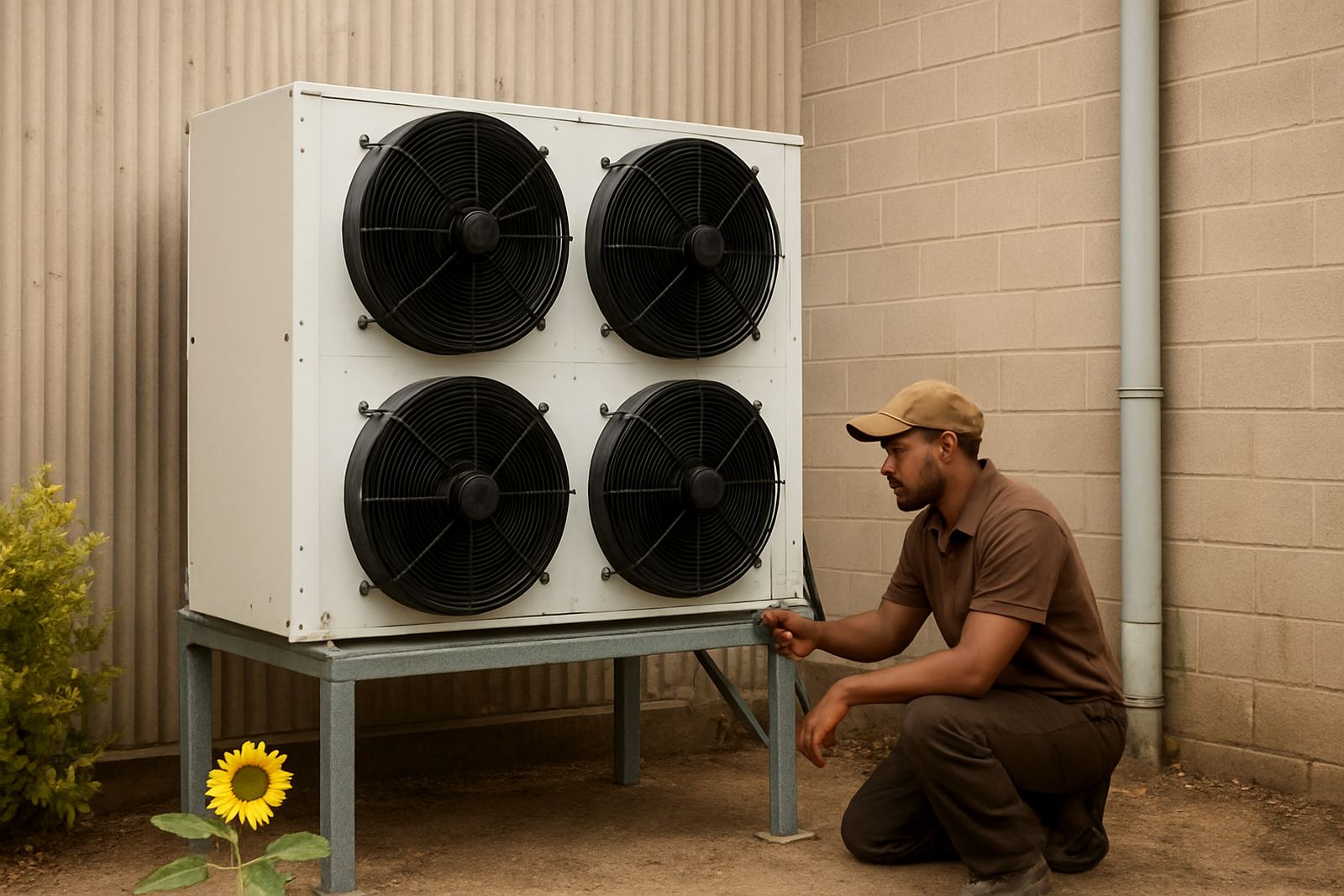
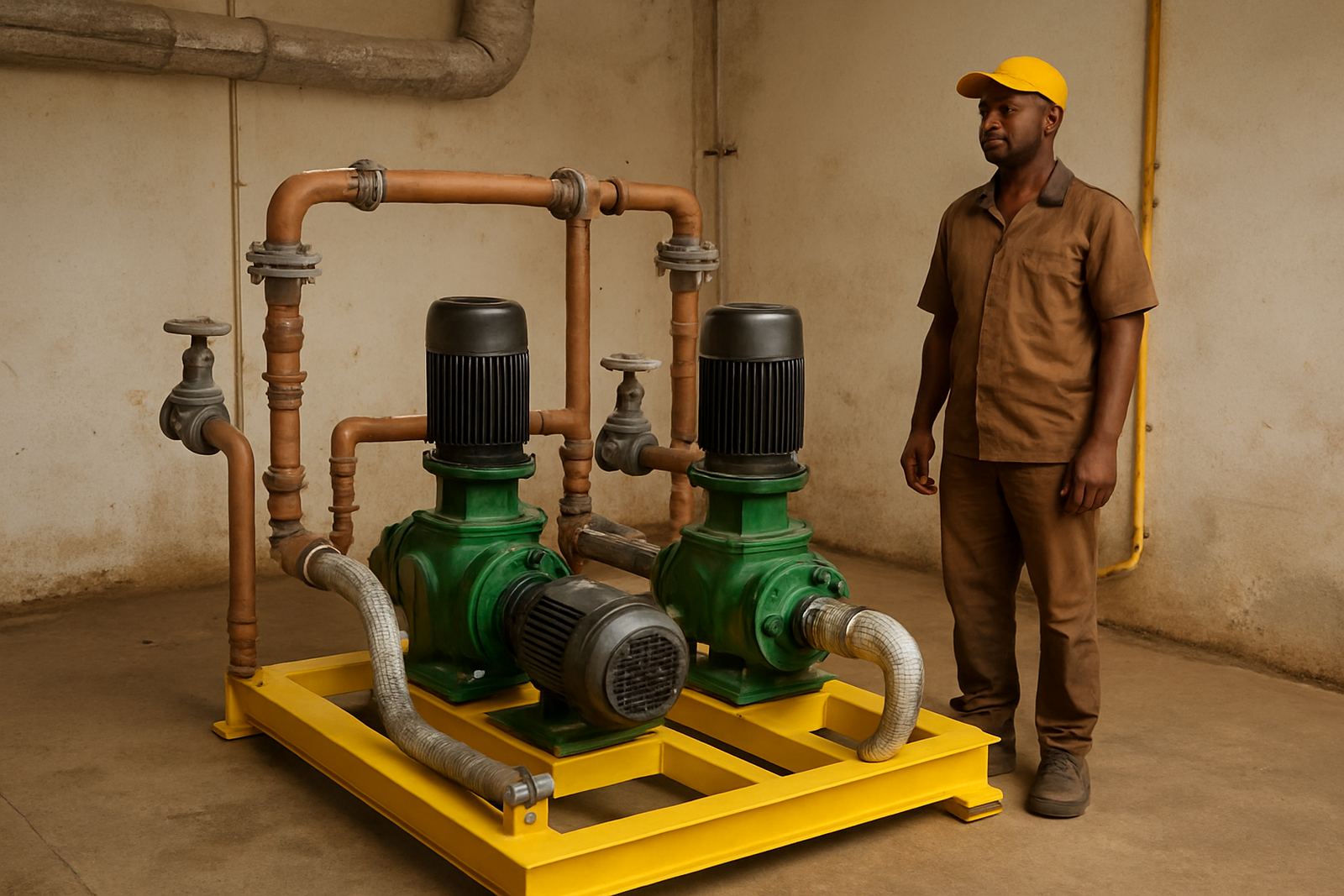
Our cooling range covers new installations, replacements and targeted upgrades for sites that want better performance without a full rebuild. We work on cold rooms, chilled water systems, process cooling and packaged refrigeration equipment for commercial and industrial use.
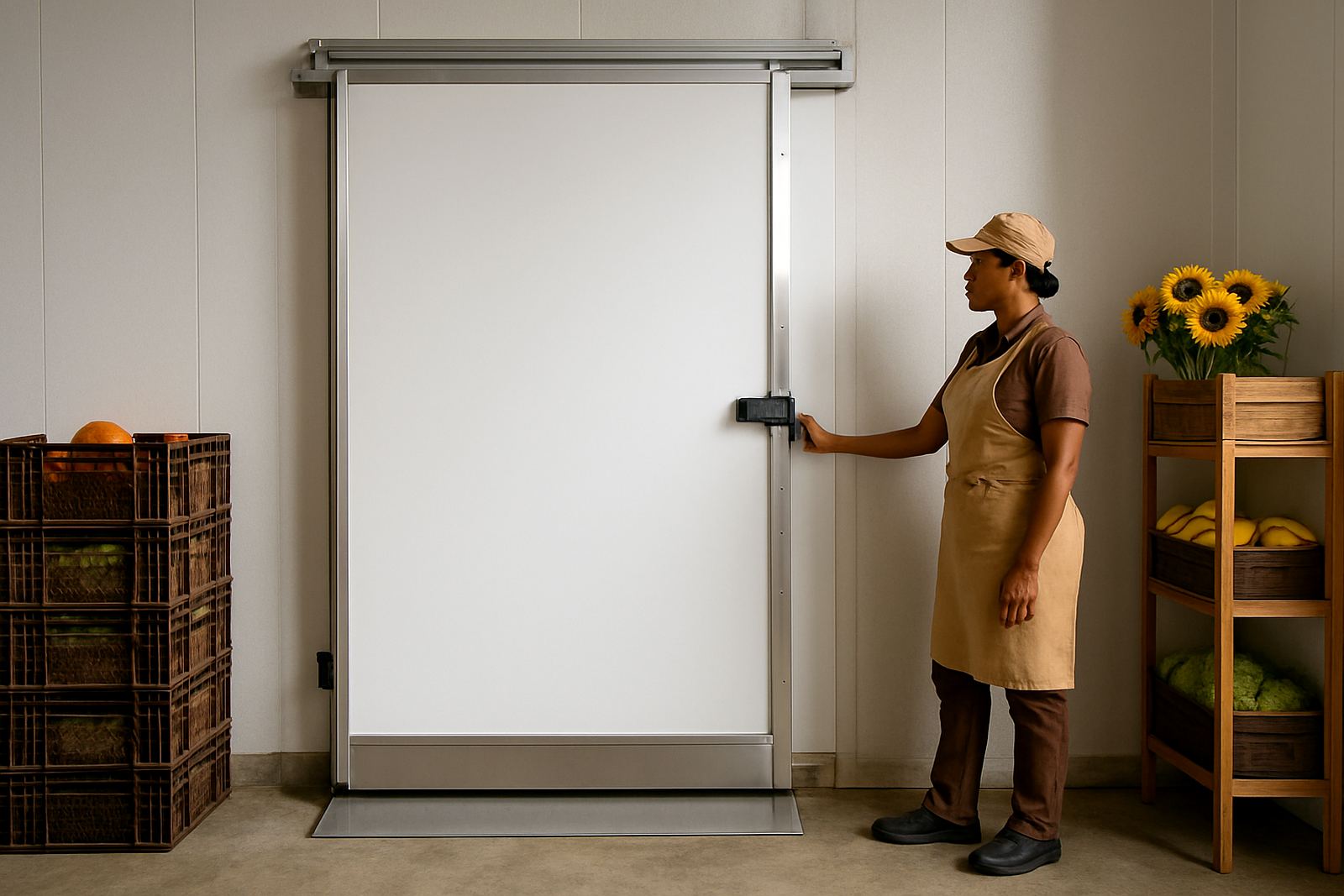
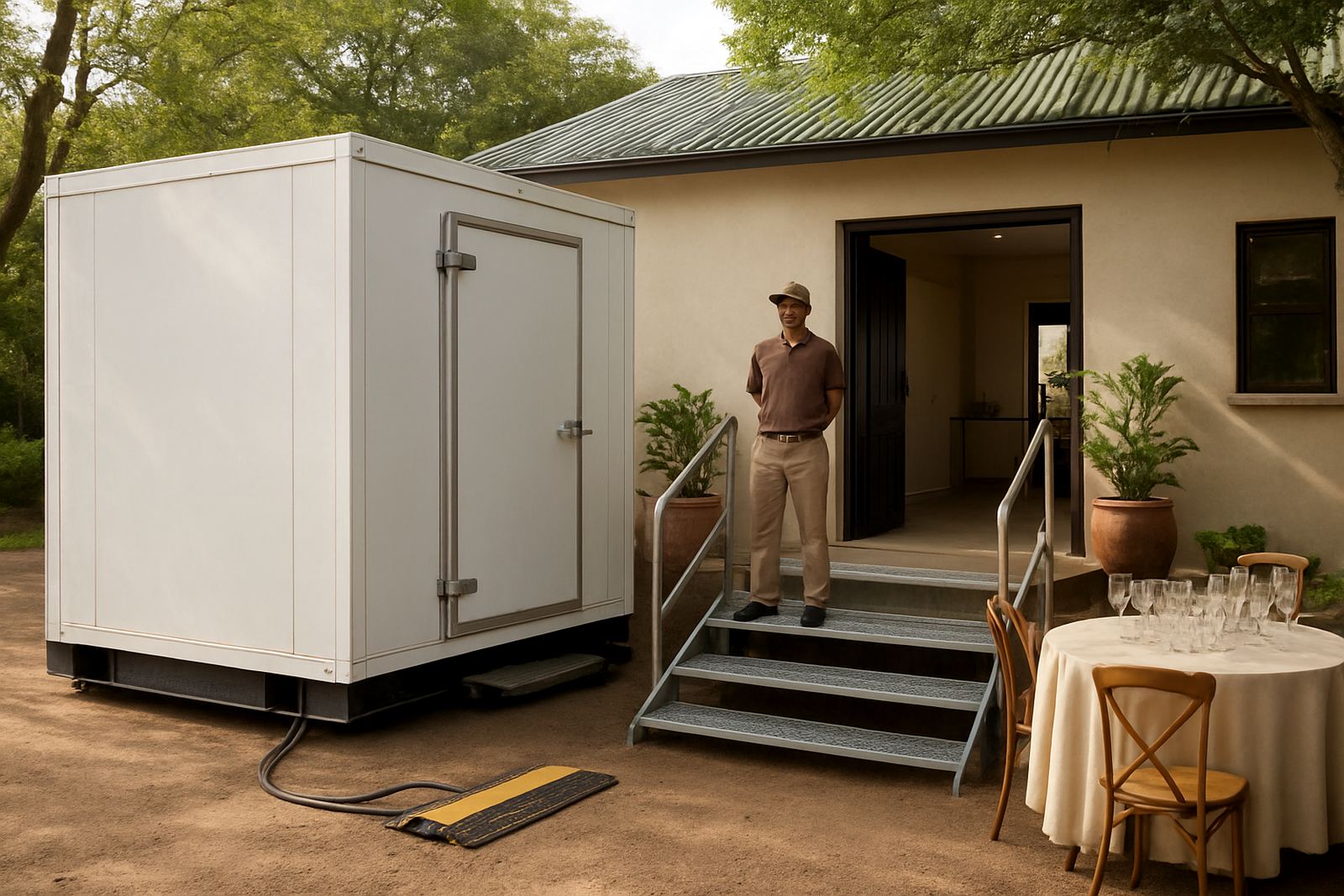
- Cold room systems for storage and distribution
- Chiller servicing and upgrade work
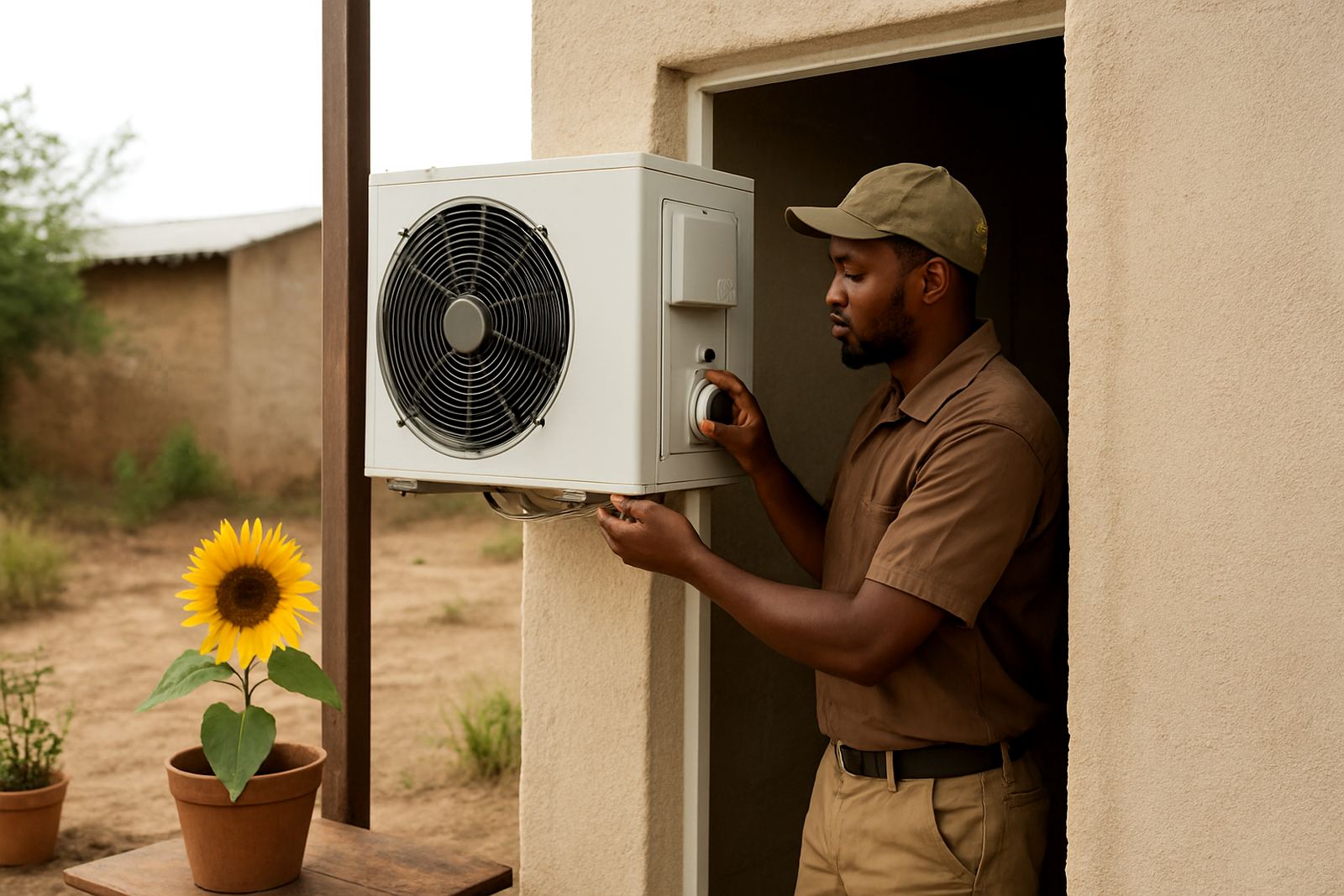
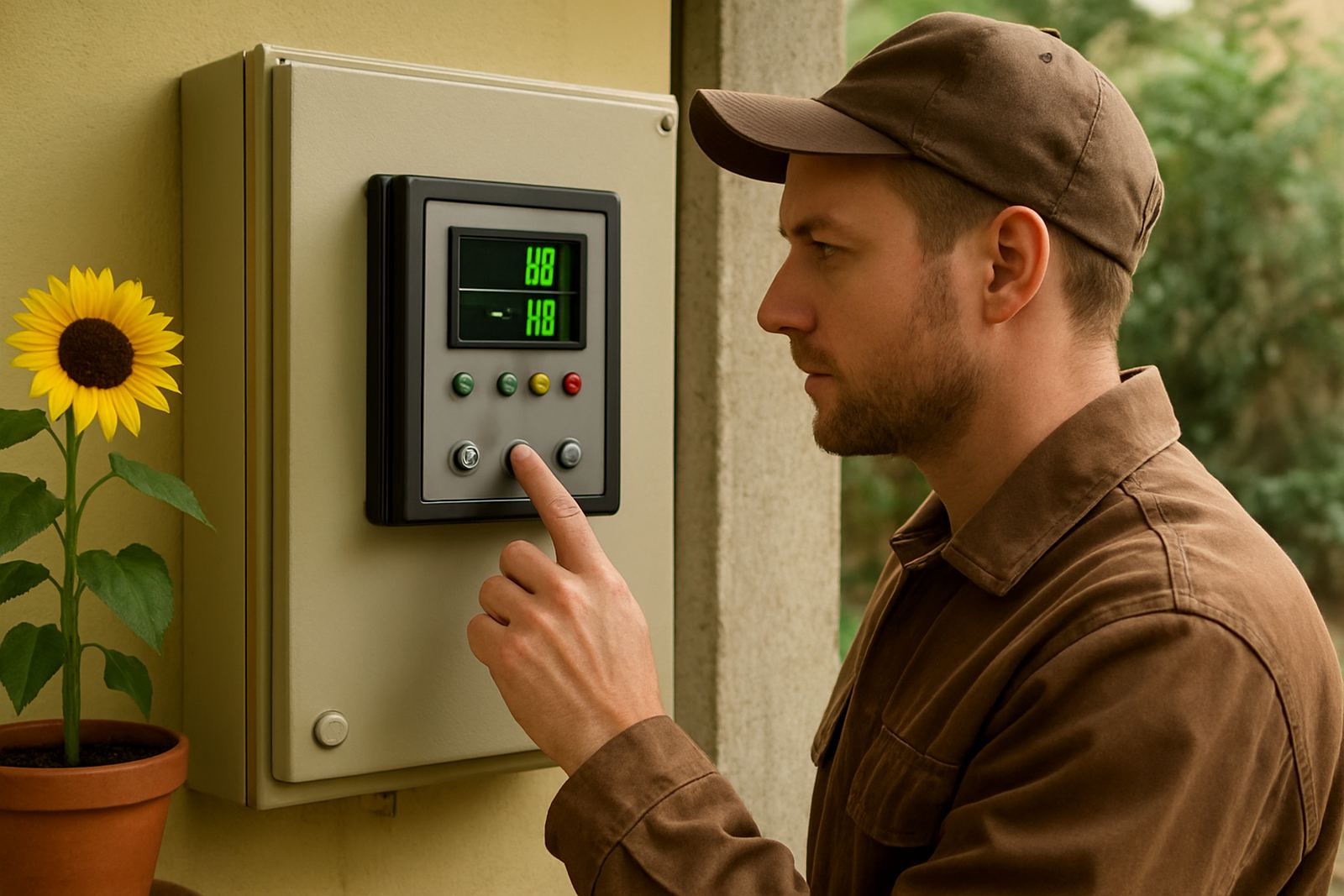
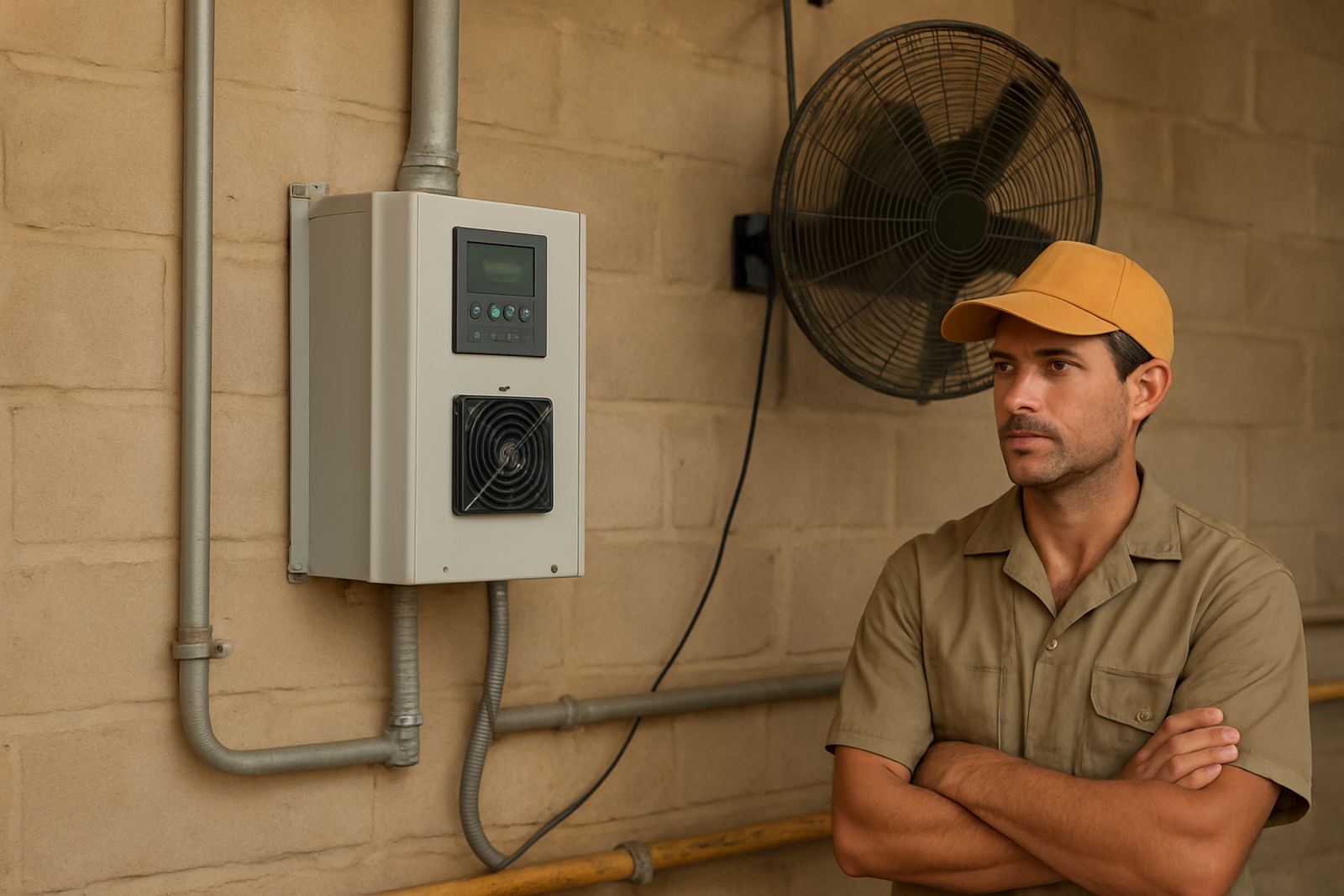
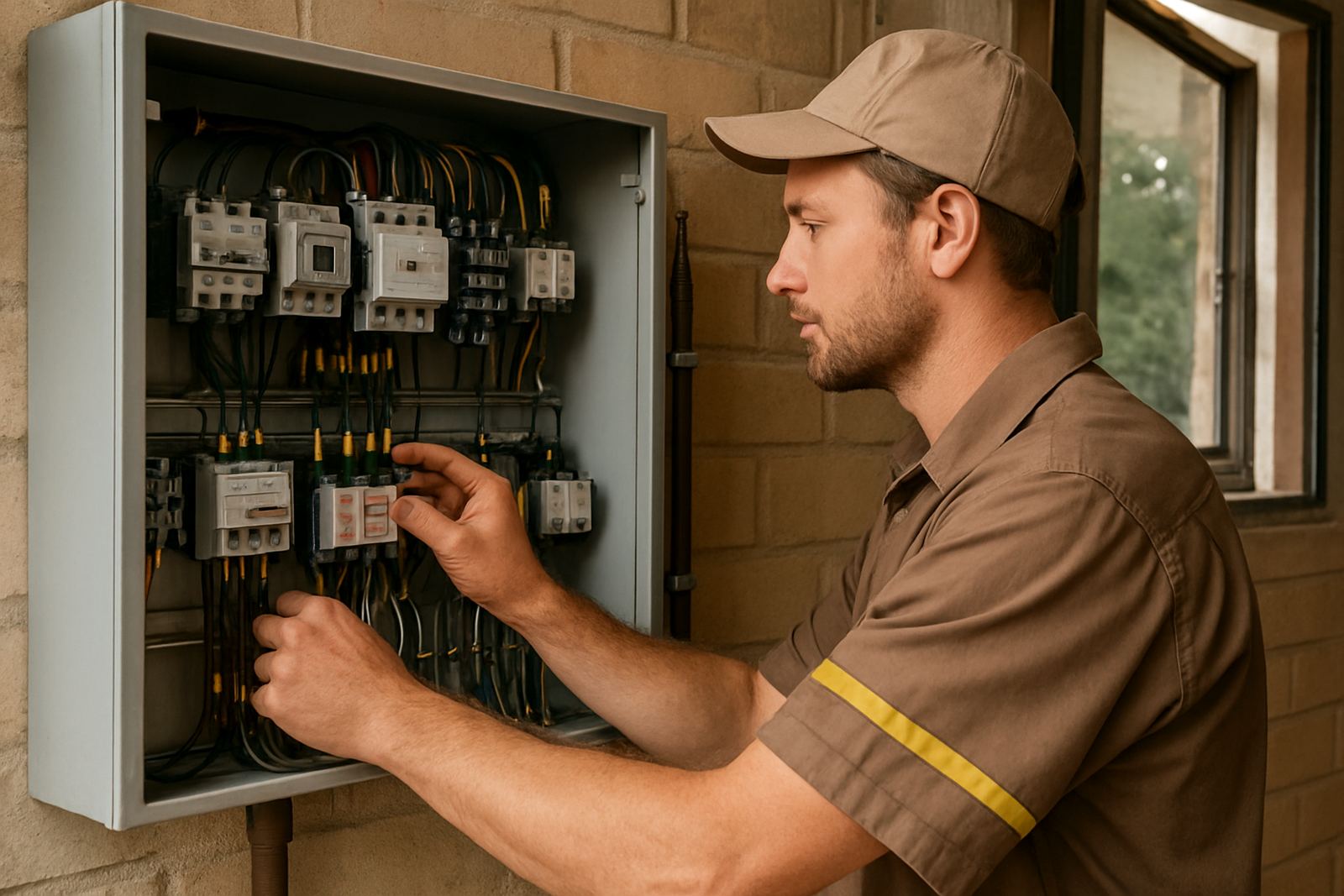
- Control panel and thermostat replacements
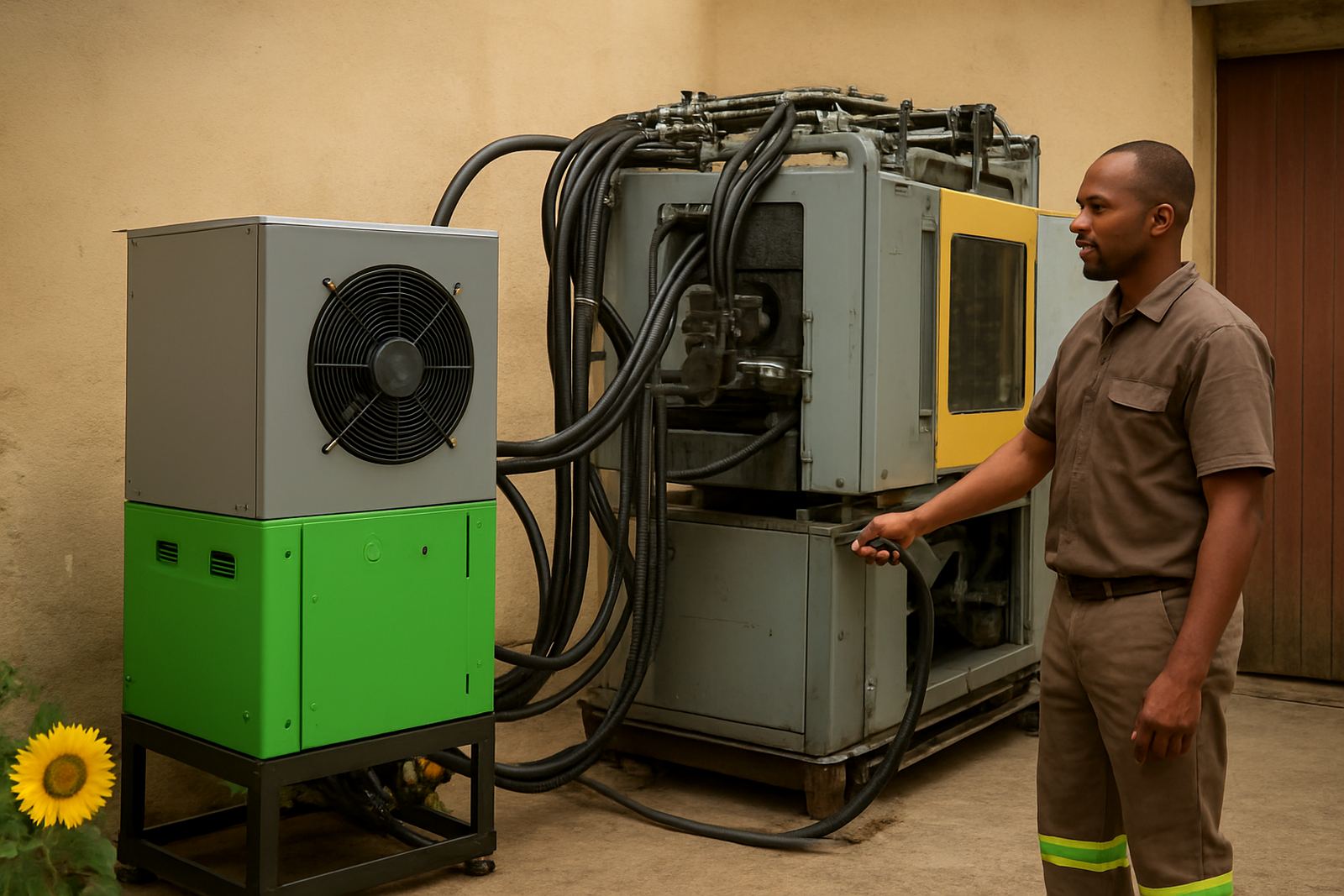
- Energy-saving retrofit projects
- Low-GWP gas conversions for suitable equipment
Where a system is still structurally sound, a well planned retrofit can improve efficiency and extend service life without unnecessary capital spend. It is often the practical middle ground between constant repairs and complete replacement.
Planning for Eastern Cape conditions
Cooling equipment in Gqeberha and the Eastern Cape has to cope with salt air, dusty sites, voltage fluctuation and periodic power interruptions. That is why we pay attention to coil protection, airflow, insulation quality and control settings from the start.
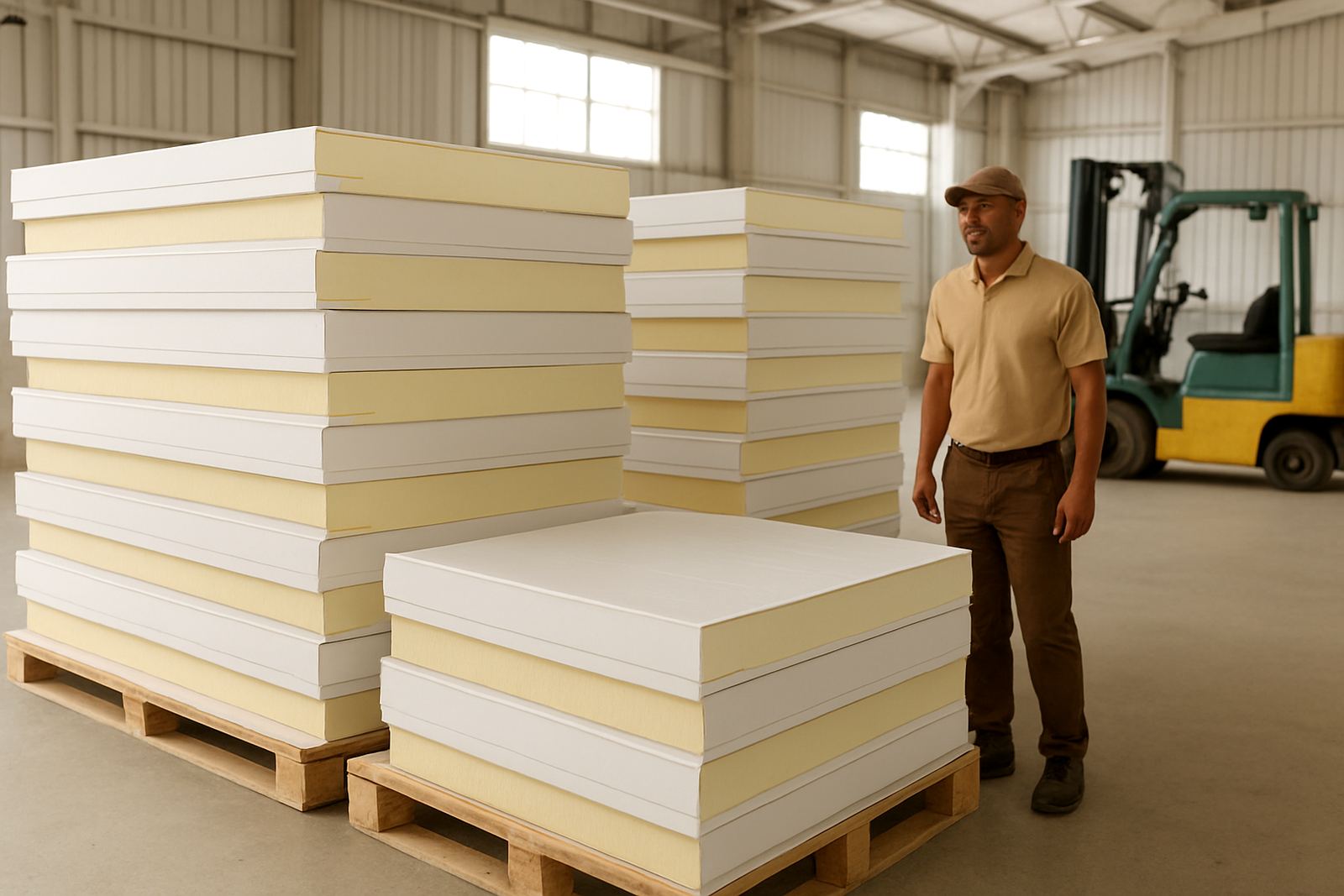
On coastal sites, corrosion and moisture can shorten equipment life if maintenance is delayed. Inland, higher daytime temperatures and long operating hours can push systems harder than expected. We spec and service with those conditions in mind, so the equipment is practical for the area rather than only suitable on paper.
- Coastal humidity management
- Load-shedding ready control settings
- Corrosion aware maintenance planning
- Site specific operating advice
Keeping systems efficient and serviceable
Energy use matters on every site, especially where refrigeration runs for long stretches every day. Small faults such as dirty coils, incorrect charge, blocked airflow or a drifting control setting can push electricity use up without making the space any colder. We look for those issues early and fix them before they turn into bigger bills.
Our approach is practical: keep the system clean, keep it monitored and keep the components accessible for future work. That makes planned maintenance easier, lowers the chance of emergency callouts and helps managers budget with less guesswork.
Maintenance, breakdowns and monitoring
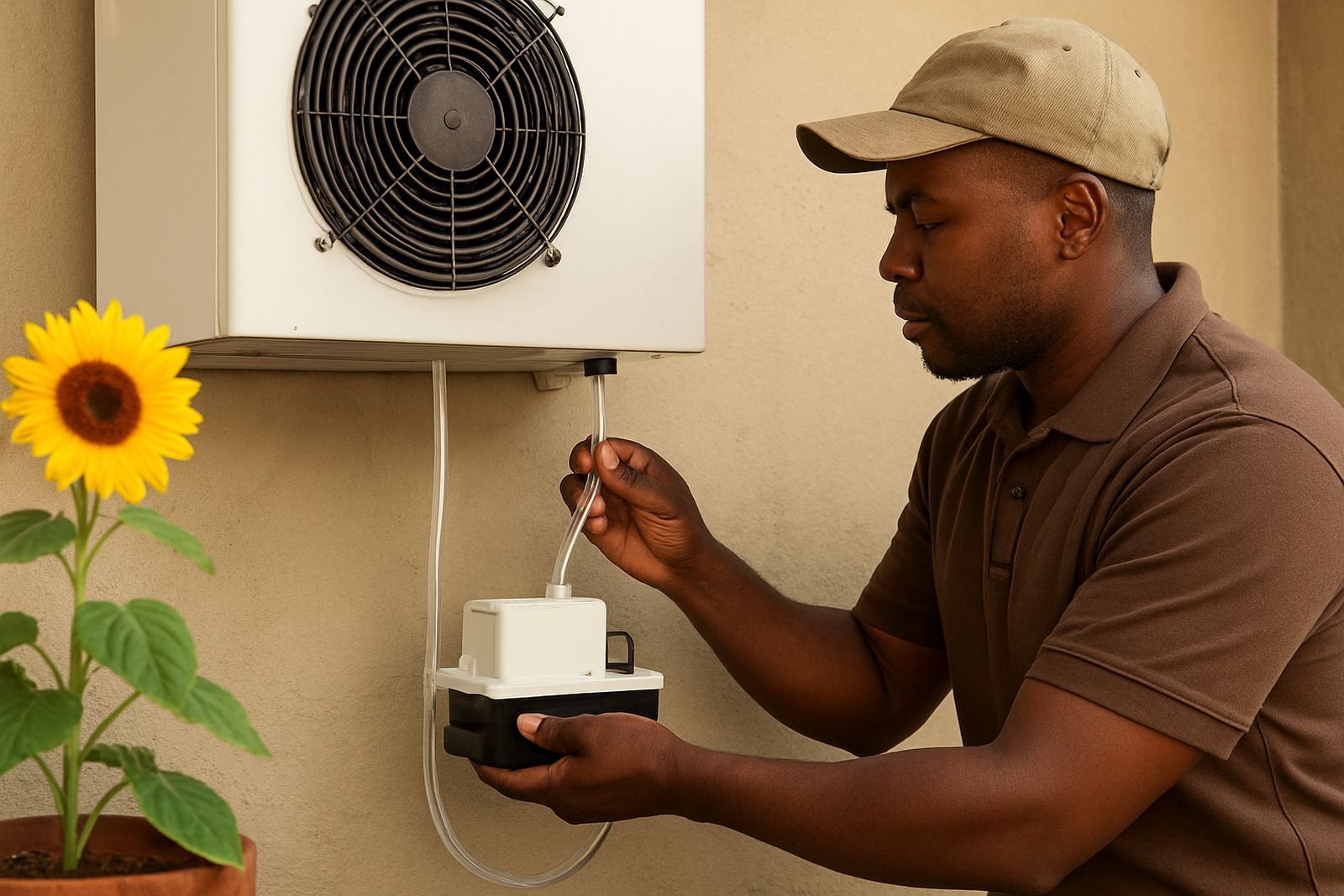
Cooling systems work best when they are checked regularly, not only when something has failed. We offer planned maintenance, emergency breakdown response, leak detection, coil cleaning and temperature monitoring for sites that need tighter control over product safety.
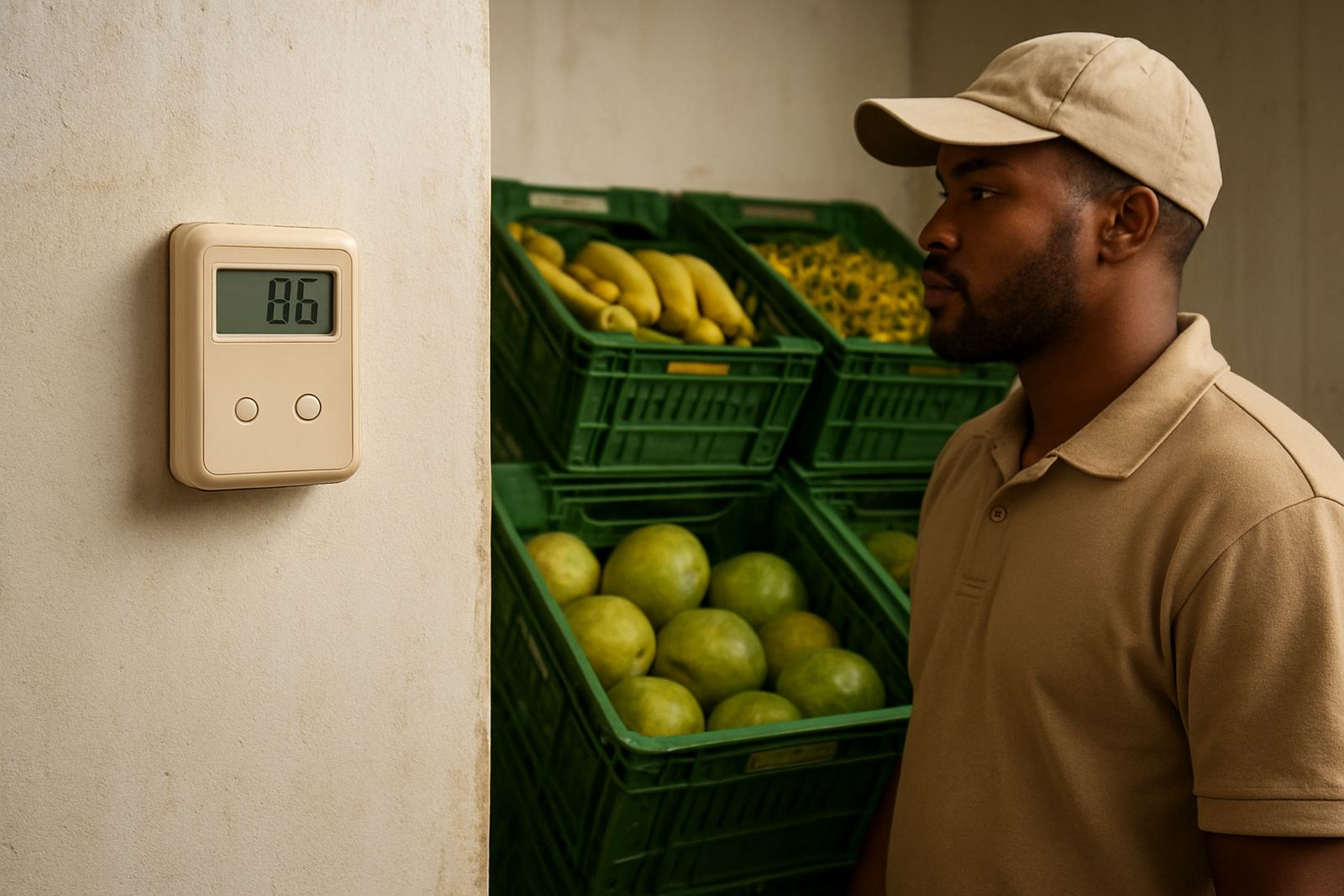
For businesses that cannot afford temperature swings, monitoring gives early warning of problems such as door sealing issues, control faults or compressor stress. That can protect stock and reduce the chance of a costly loss. It also gives your team a clearer picture of what the system is doing day to day.
- Planned maintenance schedules
- Emergency breakdown response
- Leak detection and fault finding
- Temperature monitoring for critical storage
How to choose the right option
If you are comparing options, start with the job the equipment must do and the site conditions it must handle. A cold room upgrade may need better insulation or controls, while a chiller project may benefit more from a retrofit and energy audit than from replacing every part. The right answer depends on load, usage, budget and whether the system can still be supported well into the future.
We can assess the existing installation, explain the options in plain terms and recommend the route that makes the most sense. No overcomplicated spec sheets, just clear advice based on what will work on site. If the system can be improved, we will show you how. If replacement is the better call, we will say so.