What a refrigeration control panel does on site
A control panel is the centre point for how a refrigeration system runs. It brings together switches, contactors, overload protection, timers, alarms and safety controls so the plant can operate in a set sequence instead of being left to guesswork. In a cold room or chiller plant, that means compressors, fans, pumps and valves start and stop in the right order, with faults shown clearly instead of buried inside the equipment.
For many sites in Gqeberha, Uitenhage and Despatch, the real value is control during interruptions. When power returns after load-shedding, the panel can delay restart, protect motors from high inrush, and prevent short cycling. That helps keep temperatures stable and puts less strain on the system. On older sites, the panel often becomes the difference between regular maintenance and repeated callouts.
Panel sizes, layouts and control options
Nvirocool builds panels to suit the plant size and the way the site works. A small cold room may only need a compact wall-mounted panel, while a larger processing site or supermarket back-of-house plant may need a floor-standing panel with multiple circuits, alarms and monitoring points. The layout is planned around the actual duty, not just the equipment list.
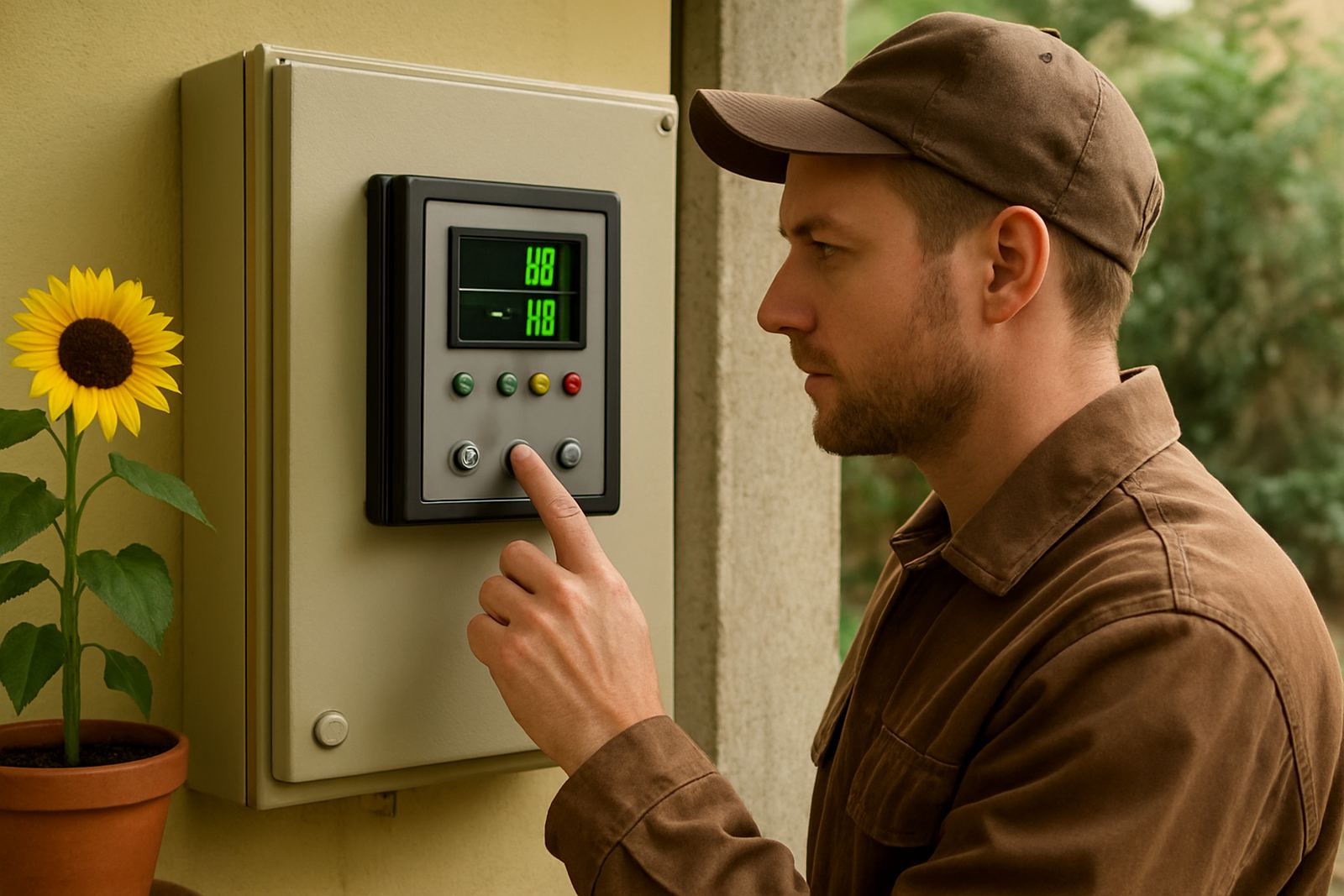
Typical options include manual or automatic control, single-stage or multi-stage sequencing, temperature control, fan delay timers, phase protection, pump control and run indicators. We also include analogue or digital temperature displays, fault lights and alarm contacts where required. For sites that need basic operator clarity, the front face is kept simple. For more involved plant, the panel can handle more than one compressor and more than one evaporator circuit without clutter.
- Wall-mounted or floor-standing enclosures
- Single circuit, dual circuit or multi-stage control
- Temperature display and alarm indication
- Phase failure, overload and short-cycle protection
- Manual override and isolator options
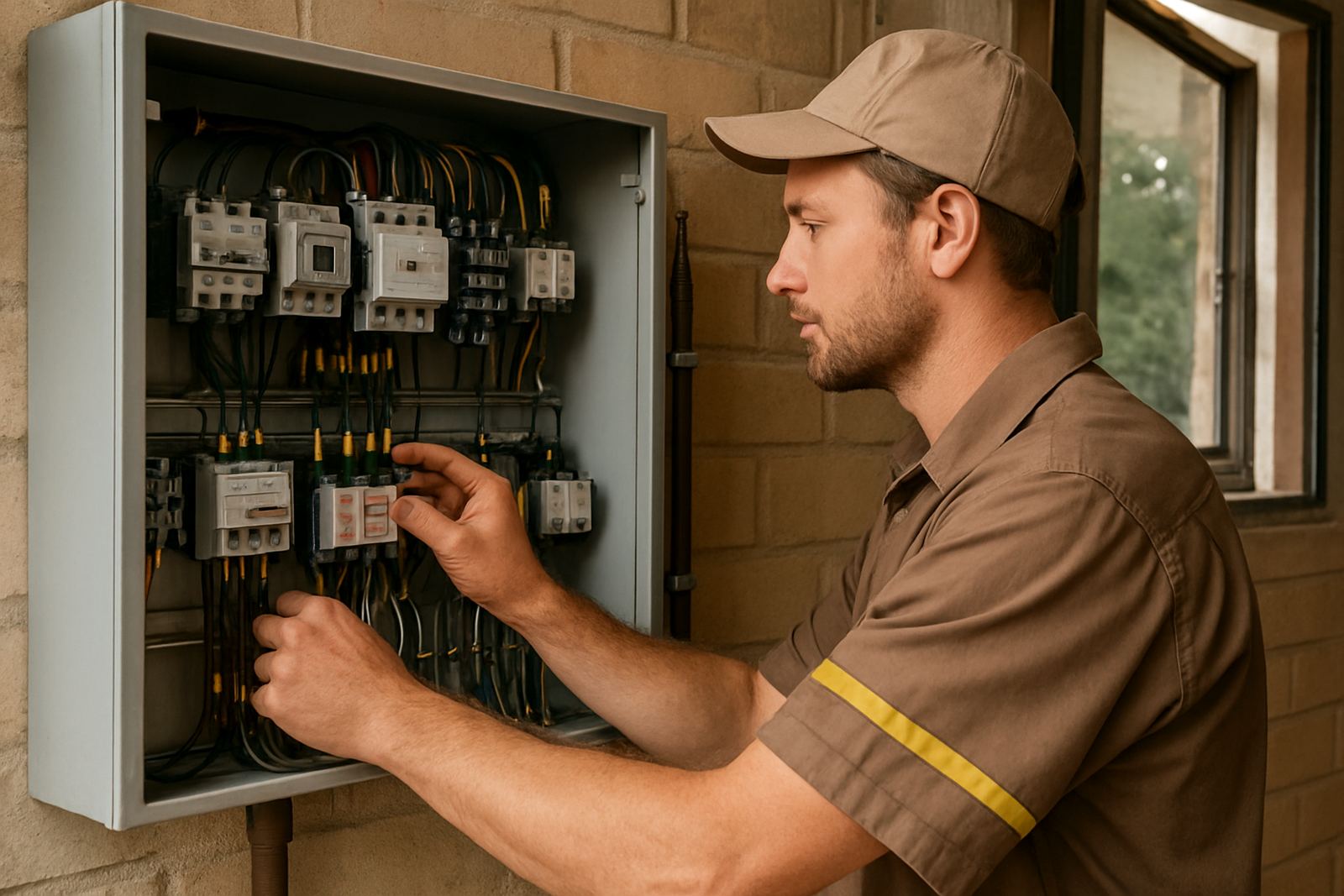
Panel size is normally decided by the number of loads and the space available in the plant room. Smaller units can fit into a compact steel enclosure, while larger installations may need extra space for wiring trunks, terminal rails and service access. We allow for clean cable entry and practical maintenance access, not just a tight fit that is hard to work on later.
Where control panels suit best
Control panels suit any site that depends on stable temperatures or timed refrigeration operation. That includes cold rooms, packhouses, food stores, kitchens, bottle stores, abattoir support areas, laboratories, medical storage and chilled distribution points. In coastal towns such as Jeffreys Bay and Port Alfred, panel selection also needs to consider humidity, salt air and corrosion, so enclosure choice and cable entry matter.
They are also useful where the operation is run by different people during the week. A clear panel reduces errors because staff can see the run state, alarms and set points at a glance. For managers, that means fewer phone calls and better control of energy use. In Graaff-Reinet, where conditions can swing between heat and dust, a proper panel and enclosure help keep fine dust out of sensitive controls.
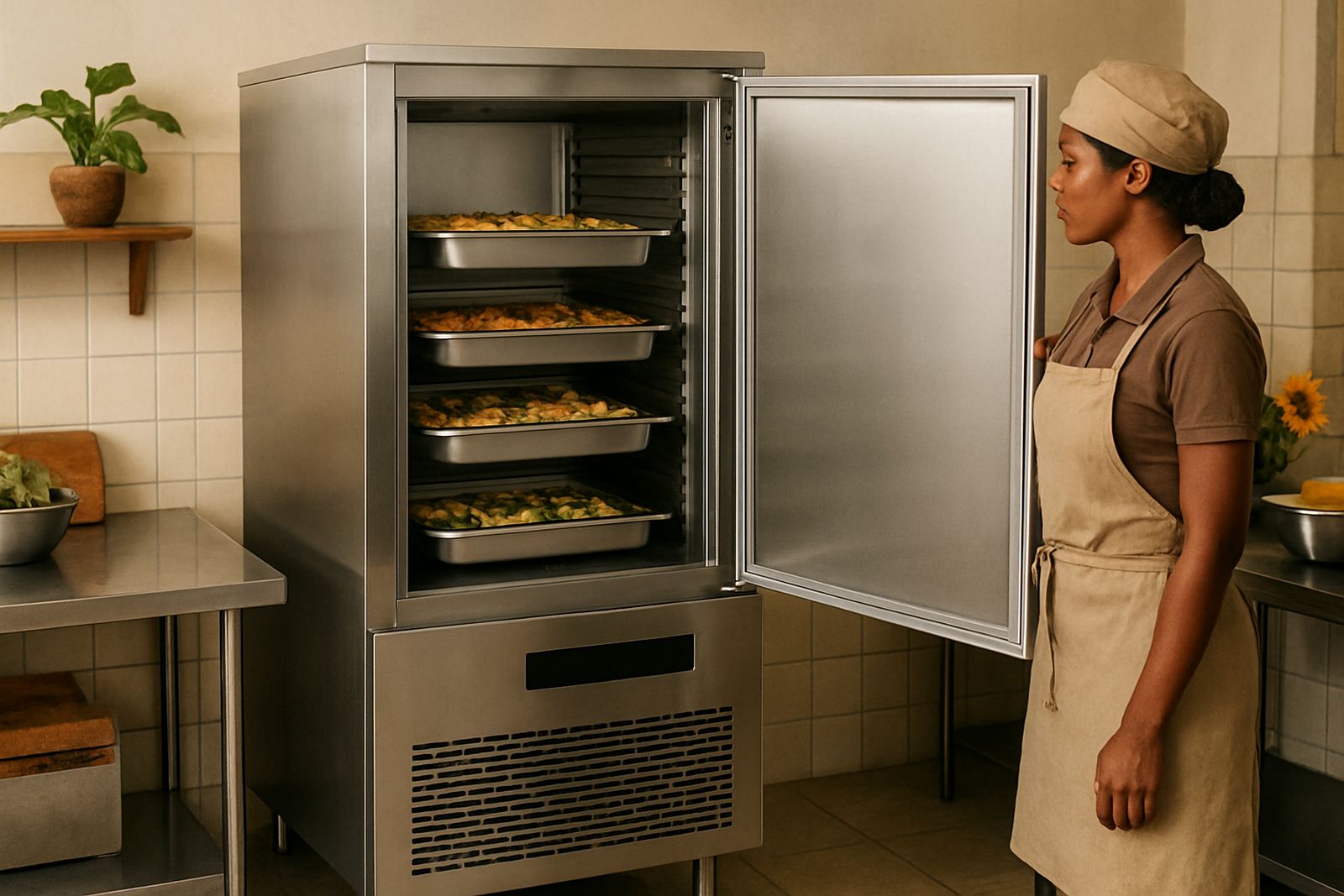
- Cold rooms and freezer rooms
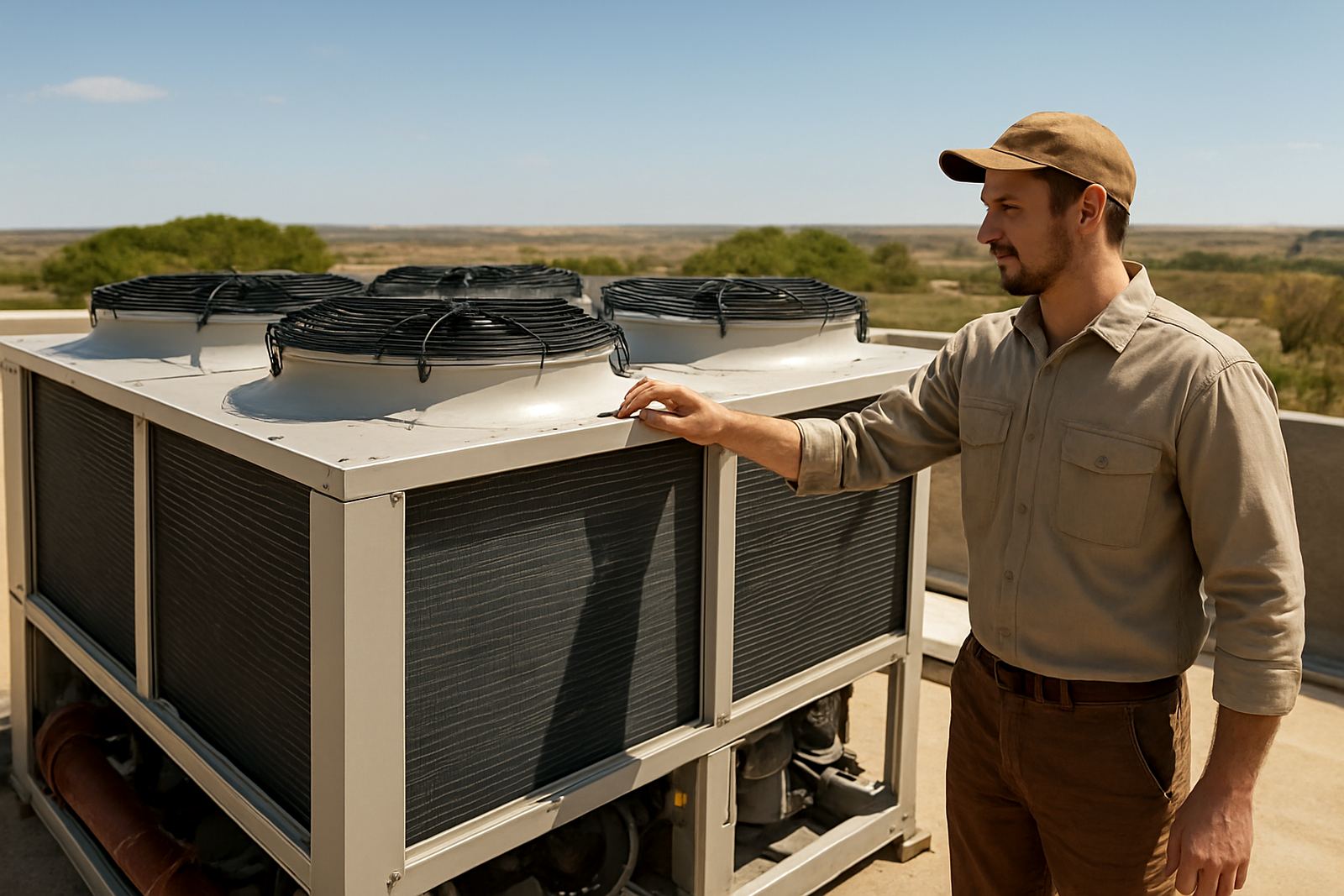
- Chillers for retail, food or process use
- Packhouse and distribution refrigeration
- Medical and laboratory temperature control
- Plant rooms needing clear fault indication
Installation, electrical supply and site requirements
Before installation, Nvirocool checks the electrical supply, starter arrangement, available space and the condition of the field wiring. A control panel must be matched to the actual load, the motor ratings and the way the system is switched. In some cases the existing isolator, cabling or earthing needs attention before a new panel can be brought into service. There is no point fitting a neat panel if the feeder is undersized or the gland plate is open to moisture.
Most refrigeration panels run on standard 230 V or 400 V supplies, depending on the plant. Where motors or controls need surge protection or voltage monitoring, that is built in. We also look at phase balance, breaker ratings and emergency stop positions. If the site has generator backup or solar interaction, the control logic can be arranged so the plant recovers in a safe order after changeover. This is important on Eastern Cape sites where outages and voltage dips can happen in the same week.
Gas type does not usually change the basic control panel layout, but it does influence the sensors, safety devices and operating temperatures that must be considered. For ammonia or other specialist systems, the panel must be planned around the site safety rules and the specific control method. For standard commercial refrigeration, the focus is normally on compressor protection, evaporator control and reliable restart.
Care, servicing and fault prevention
Like any electrical control item, a panel needs regular inspection. Heat, vibration, moisture and dust all shorten component life. During maintenance, the team should check contactor wear, loose terminals, burnt wiring, relay condition, indicator lights and the state of the enclosure seals. A panel that is still running can hide a weak component until the first hot spell or power cut brings it out.
We recommend tying panel checks into planned maintenance for the rest of the refrigeration plant. That includes checking fan currents, compressor trips, set points, alarm history and any signs of condensation inside the enclosure. In coastal conditions, even a small amount of damp can cause tracking or corrosion. If the panel is opened often, the door seal and gland fittings should be kept in good order as well.
- Inspect terminals for heat marks and looseness
- Test overloads, timers and safety circuits
- Clean filters, vents and enclosure surfaces
- Confirm alarm points and temperature readings
- Check for water entry, rust or insect damage
When faults are caught early, repairs are usually simpler and cheaper. It also helps prevent product losses, which can cost far more than the panel repair itself.
What to check before ordering a control panel
To specify the right panel, start with the plant details. The number of compressors, evaporators, pumps and fans matters, as does the voltage, starting current and whether the system is single phase or three phase. We also need the type of control required, the temperature range, alarm needs and whether the site wants manual override. If the panel will sit outdoors or in a damp plant room, that should be said up front so the enclosure can be selected correctly.
Useful details to have ready:
- Equipment list with motor sizes and voltages
- Number of circuits and control points
- Indoor or outdoor mounting position
- Preferred display, alarm and override options
- Any generator, solar or standby supply on site
- Space available for the enclosure and cable entry
If you are replacing an old panel, photos of the existing setup help a lot, especially the inside layout and the label details. We can also work from a site visit in Gqeberha, Newton Park or surrounding areas to confirm what is practical. A good order sheet saves time, avoids rework and makes handover much easier for the maintenance team.
How Nvirocool handles panel projects
Nvirocool has been working on refrigeration and cooling systems since 2011, with control work that supports the wider plant rather than standing alone. The aim is to give the site a panel that is easy to understand, easy to service and suited to the way the refrigeration actually runs day to day. That includes clear labelling, sensible component spacing and proper fault protection.
For clients across Gqeberha, Uitenhage, Despatch, Jeffreys Bay, Graaff-Reinet and Port Alfred, we can support control panel work as part of a new installation, a retrofit or a maintenance programme. Whether the project is a single cold room or a larger chiller plant, the detail still matters: correct sizing, safe wiring and a layout that the technician can work on without fighting the box every time.
Key facts
| Typical supply | 230 V or 400 V AC, site dependent |
|---|---|
| Enclosure sizes | Compact wall mount to large floor-standing panels |
| Control functions | Compressor sequencing, fan control, pump control, alarms |
| Protection included | Overload, phase failure, short-cycle and overload delay options |
| Display options | Temperature readout, run lights, fault lights, alarm contacts |
| Suitable environments | Cold rooms, chiller plants, packhouses and plant rooms |