



































How to use these notes for your site
If you run a cold room, chiller or packaged refrigeration plant, the right article can save time before a breakdown starts costing stock. Use this hub to match the problem on site with the topic that speaks to it, whether you are dealing with rising power bills, uneven temperatures, or an older system that needs a refrigerant change.
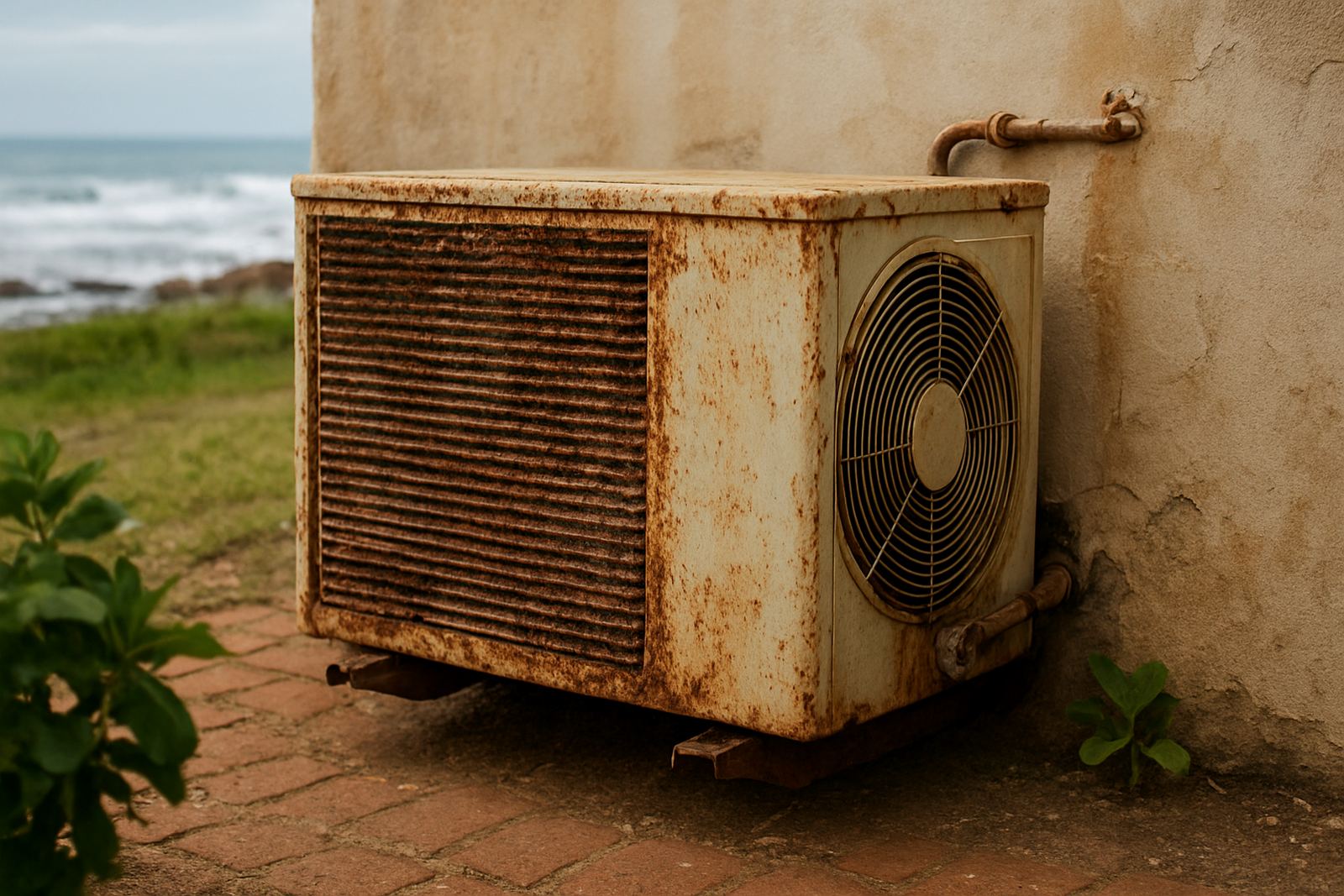
The articles are grouped around the issues we see most in Gqeberha, Uitenhage, Despatch and the coastal towns up the Eastern Cape. Salt air, load-shedding, long runtime hours and delayed maintenance all push systems harder than most teams expect.
- Choose maintenance notes if your plant is still running but not performing as it should.
- Choose retrofit and conversion notes if you are planning a refrigerant change or energy upgrade.
- Choose troubleshooting notes if alarms, icing or temperature drift have already started.
Maintenance articles for colder, steadier operation
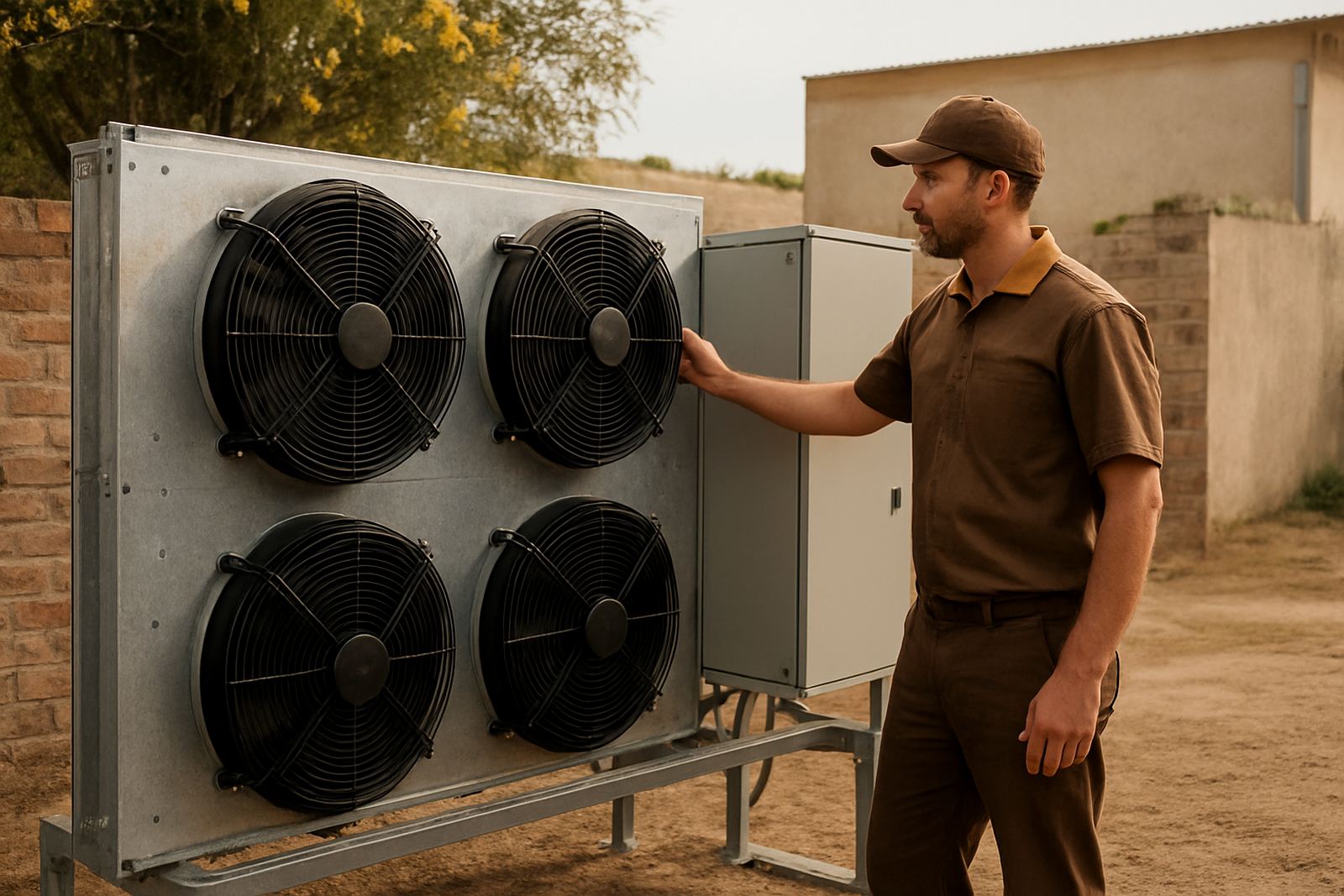
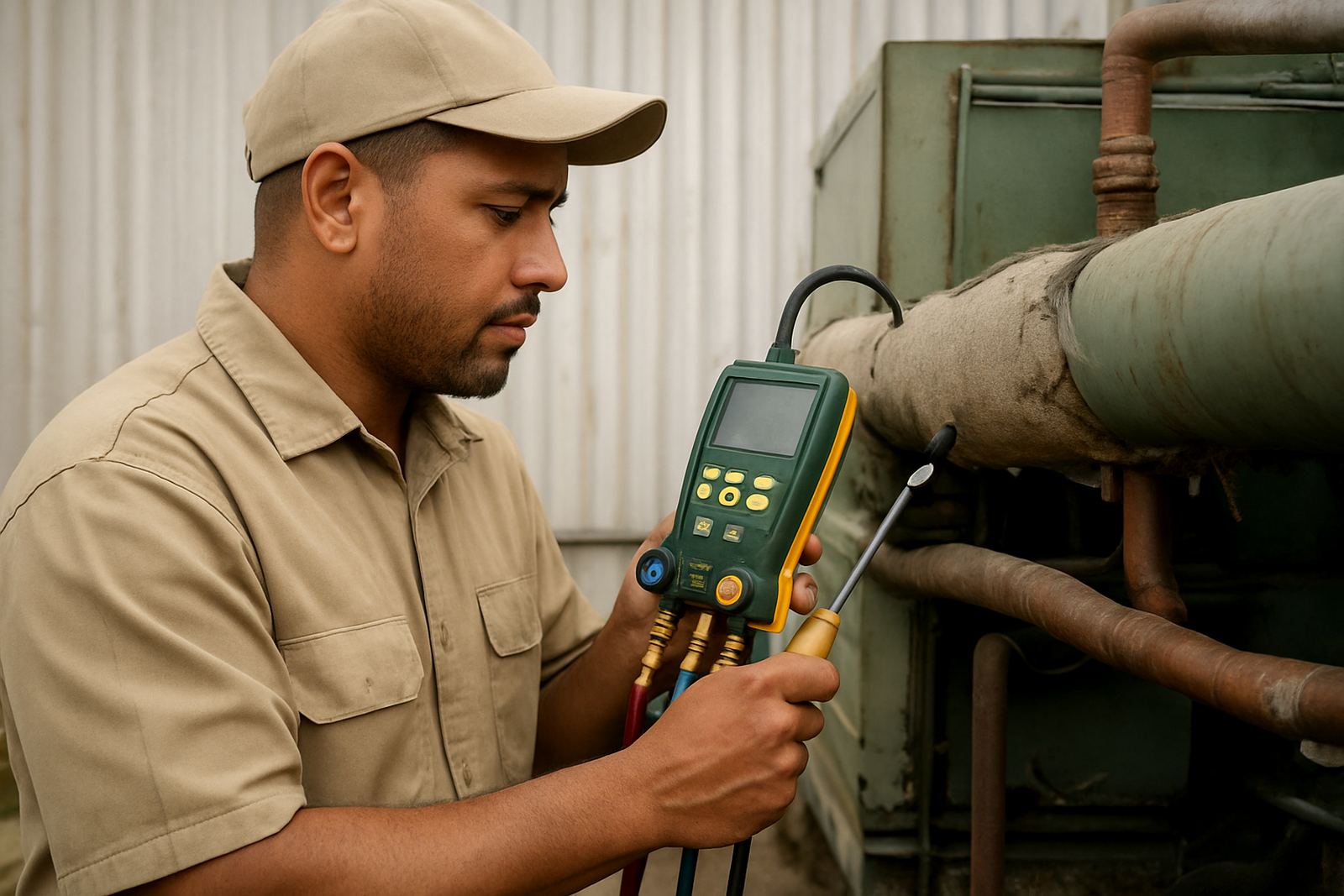
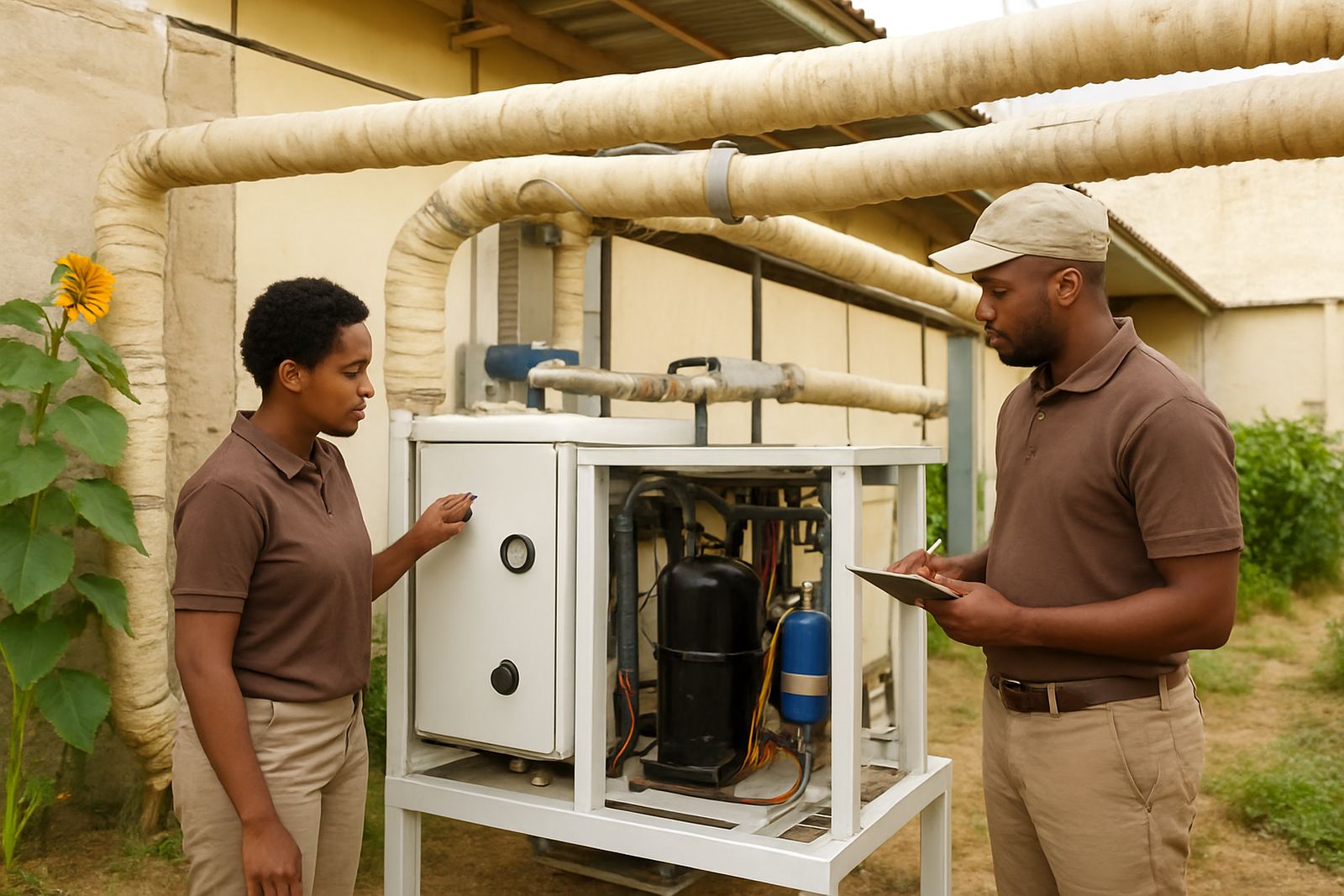
Planned maintenance is usually the cheapest way to protect stock and cut power waste. Our maintenance notes cover the practical jobs that matter most, such as checking fan motors, cleaning coils, tightening electrical terminations and confirming thermostat or controller settings. Small faults can sit unnoticed for weeks, then show up as high bills, warm product or repeated call-outs.
For sites with food, retail or pharmaceutical holding areas, we also touch on temperature monitoring and log checks. That matters when managers need records for audits or internal sign-off, not just a system that seems fine on the day.
- Cold room maintenance schedules for busy sites
- Coil cleaning intervals in dusty or coastal conditions
- Control checks after power cuts or generator changeovers
- When emergency breakdown cover is worth booking in advance
Low-GWP conversion and refrigerant decision notes
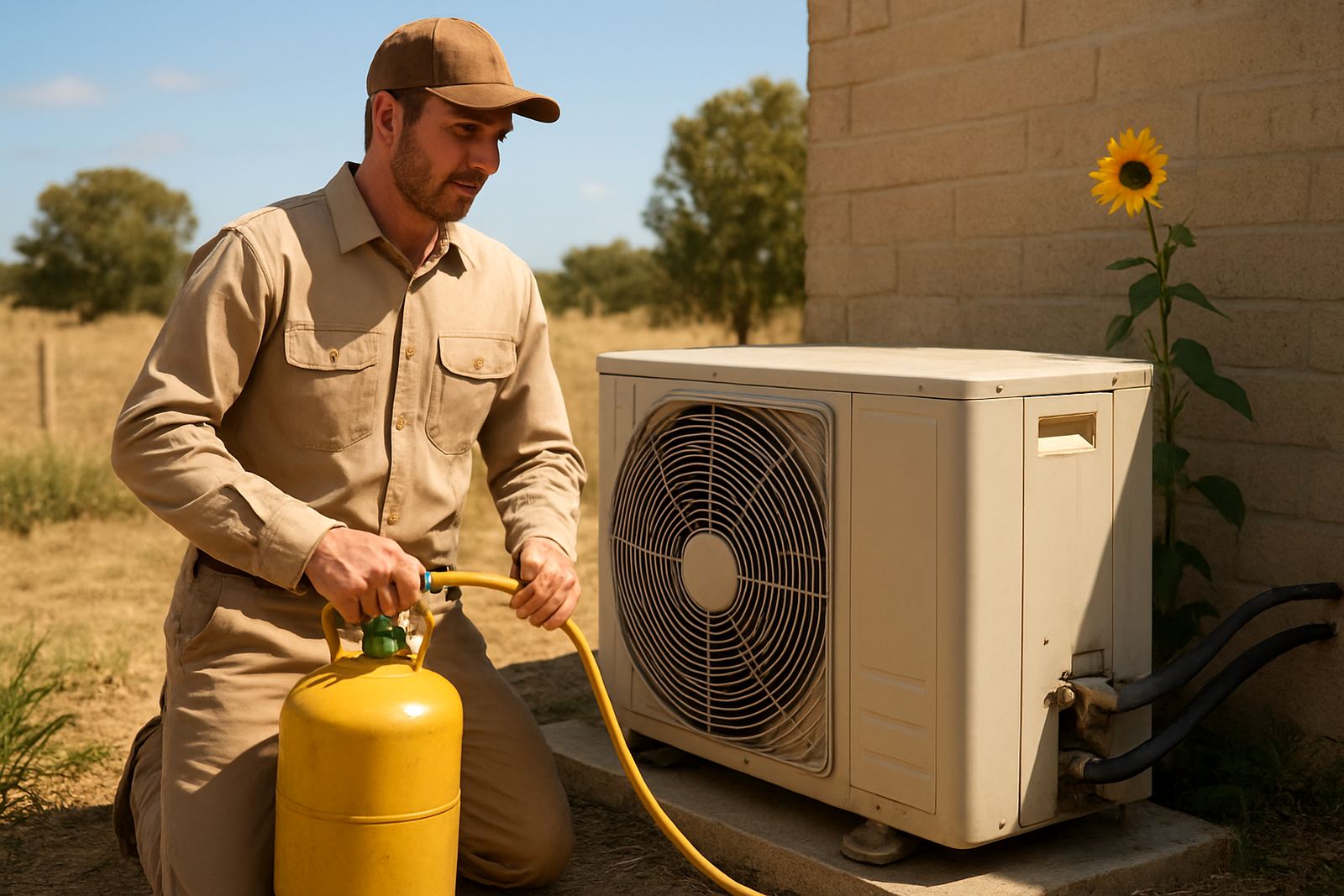
Refrigerant decisions should be made with the plant, the age of the equipment and the site rules in mind. Our conversion articles explain low-GWP options in plain language, including what happens to pressures, oil compatibility, service access and future maintenance costs. If a system is old, a direct swap is not always the safest route.
We also cover leak detection and the practical signs that point to repeated gas loss. On a busy site, even a small leak can mean poor efficiency, compressor strain and extra top-up costs. The aim is not just to keep the plant running, it is to keep it running legally and sensibly over time.
- When a low-GWP conversion makes sense
- What technicians check before any gas change
- Signs a leak is causing hidden energy loss
- Why correct labelling and records matter for future service
Energy-saving retrofit notes for chillers and process cooling
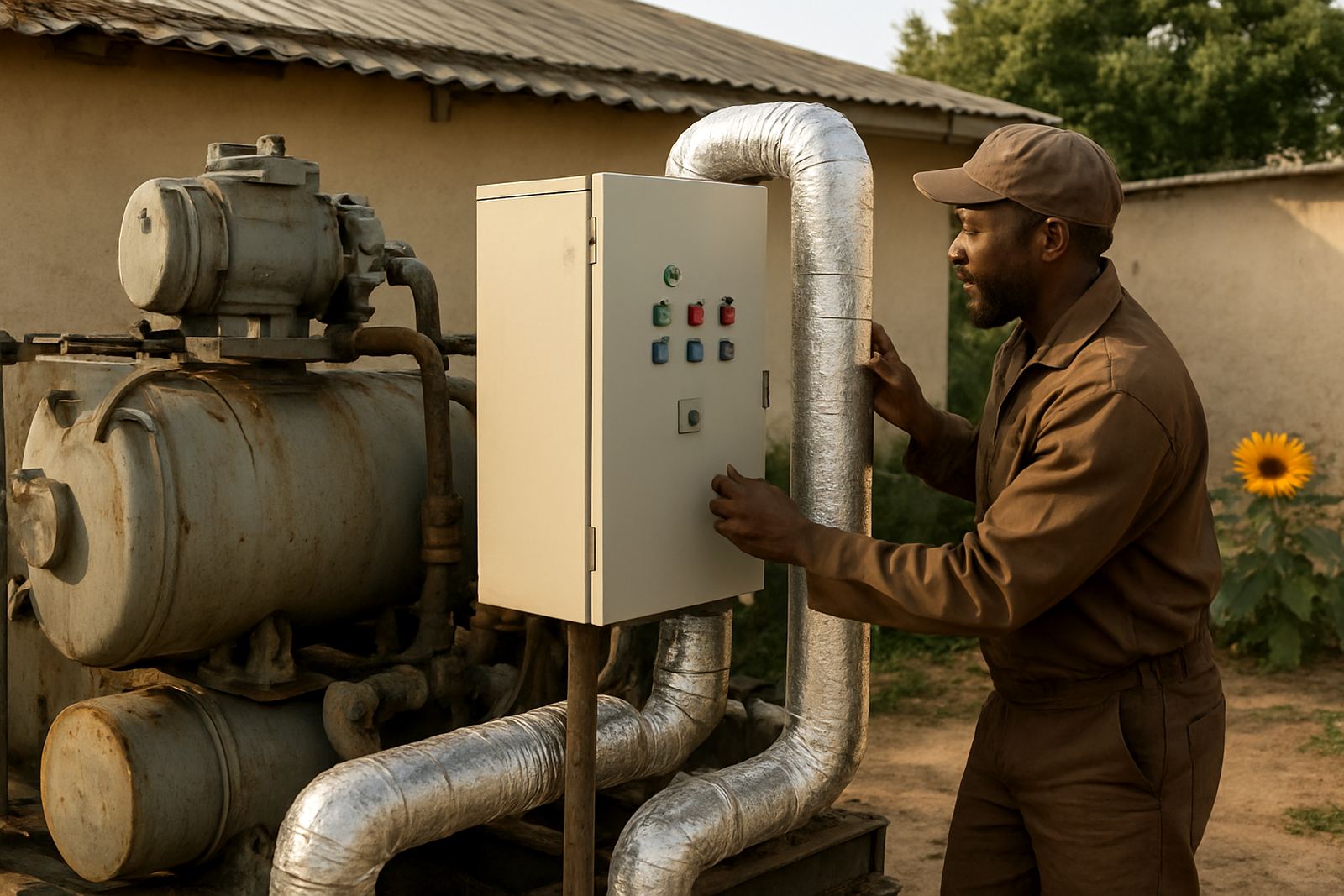
If your chiller has become expensive to run, retrofit notes help you weigh the savings against the cost of the work. Some sites need control upgrades, others need better condensers, corrected set points or a new monitoring strategy. The best decision depends on run hours, product sensitivity and the condition of the existing plant.
Nokulunga Dlamini’s energy audit guidance is written for people who need to justify a spend to management or owners. It explains where electricity is usually being lost, how to read the results and what type of upgrade is likely to give a return. On many Eastern Cape sites, the answer is not one big fix but three smaller changes done in the right order.
- Control upgrades that reduce short cycling
- Cleaner coils and better airflow for lower head pressure
- Monitoring points that help spot drift before failure
- Retrofit options for older chillers with still-sound frames
What to read first when the plant is already struggling
If the system is already down or operating badly, start with the breakdown and troubleshooting notes before looking at long-term upgrades. A call-out after hours in Jeffreys Bay or Graaff-Reinet is often about a simple fault that became urgent because the site waited too long. Knowing what to check first can save product and reduce the time a technician spends on site.
Look for articles on symptom patterns, not just equipment type. For example, icing on a coil, rapid compressor cycling and warm product each point to different causes. That helps maintenance teams speak the same language and gives service co-ordinators like Ayabulela Ndlovu cleaner information before a visit is booked.
Who these articles are written for
These notes are written for people who need practical answers, not theory. Facility managers want to know what action is needed this week. Maintenance teams need a checklist they can use before a call-out. Business owners want to understand cost, downtime and whether a repair is worth it.
Leanne Petersen keeps the admin side clear, while Siyabonga Mthembu and Ruan Smit handle the technical work behind the scenes. That balance is important because refrigeration decisions affect operations, stock and budgets all at once. If you need a direct conversation after reading, our Gqeberha base in Newton Park supports work across the Eastern Cape.
- Practical reading for owners, engineers and site managers
- Local examples from coastal and inland operating conditions
- Advice that fits planned maintenance and emergency response