What a defrost timer is actually doing
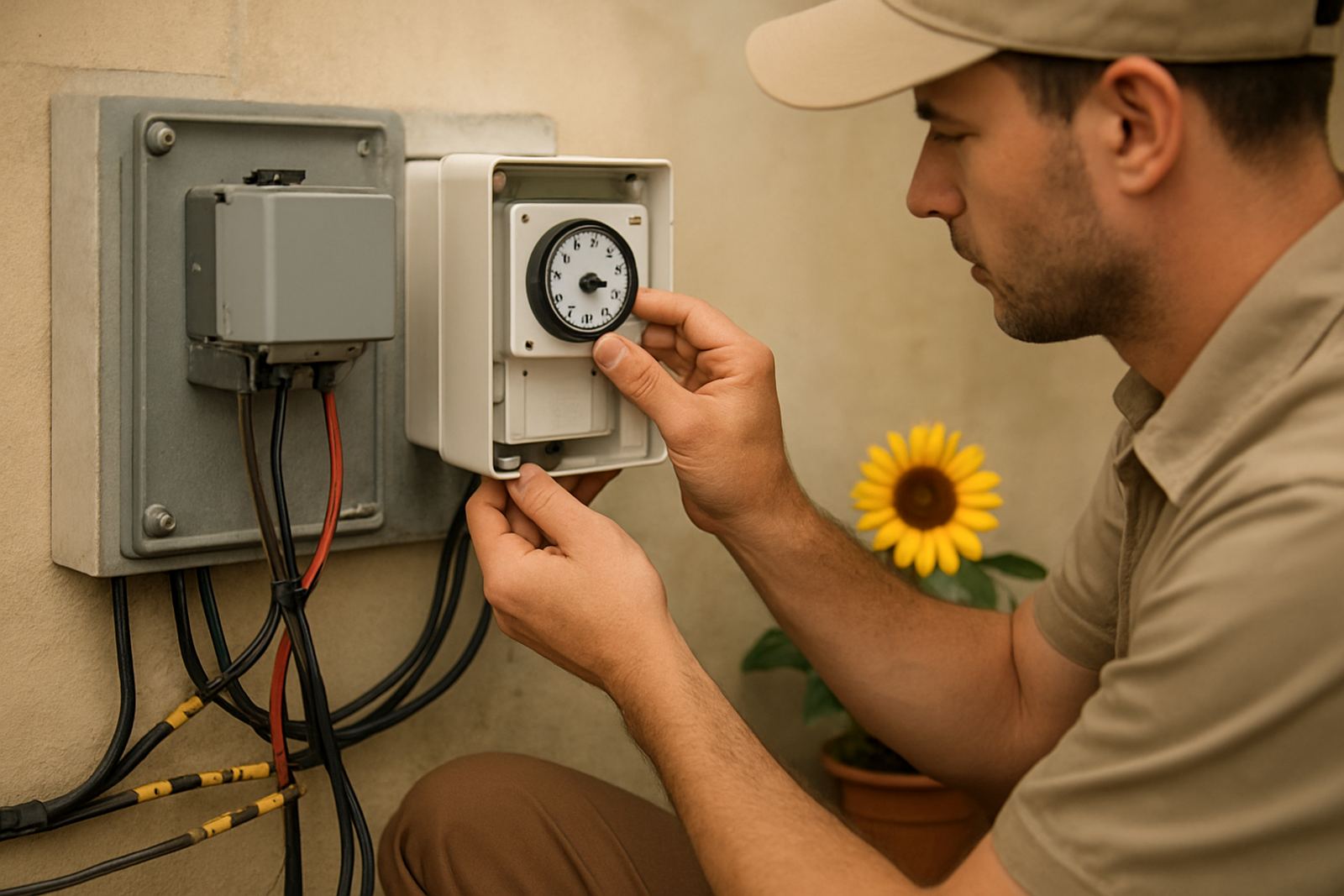
A defrost timer tells a refrigeration system when to pause normal cooling and melt frost off the evaporator coil. That frost forms whenever moist air enters the room, which is why a cold room on a busy loading bay needs different timing from a low-use store that stays shut most of the day. In simple terms, the timer protects airflow. If the coil blocks up, the fan cannot move air properly and the unit starts working harder for less result.
In the Eastern Cape, that matters more than many people expect. Coastal humidity in Gqeberha, Jeffreys Bay and Port Alfred can load a coil fast, while dusty conditions in places like Uitenhage and Despatch can stick to wet surfaces and make matters worse. A timer set years ago and never checked may still be running, but it is not necessarily doing the job well.
Why one schedule does not suit every site
Defrost timing should match site use, product load and the amount of moisture getting into the room. A butcher, a produce room and a chilled dispatch area all create different conditions. Door opening frequency, staff habits, night shifts and even the type of product packaging all affect how quickly ice builds up.
As a rule, more traffic means more warm air and more frost. But too much defrost is also a problem. Every defrost cycle reduces cooling time, can raise room temperature and may dry out product if it is happening too often. That is where practical adjustment helps more than guesswork.
- Heavy door use usually needs closer monitoring.
- Rooms with frequent stock movement often need shorter intervals and stronger checks on finish time.
- Low-traffic stores may run fine on fewer defrosts, but only if the coil stays clean and clear.
- Sites near the coast often need more attention because humidity speeds up frost build-up.
Signs the timer is out of step
A bad defrost setting often shows itself before a full breakdown happens. The first clue is usually poor airflow, followed by uneven temperatures in the room. You may notice thicker frost on the coil, water dripping where it should not, or products sitting just a bit warmer than normal. If the unit is cycling strangely or the fans are struggling after defrost, the timing may be wrong or the termination control may need attention.
Another warning sign is repeat manual defrosting. If staff have to keep forcing defrost just to keep the room going, the schedule is not right and the system is telling you so. In some cases the timer itself is fine, but the coil, drain, heater, thermostat or door seals are the real problem. It is worth checking the whole set-up, not only the timer.
- Visible frost on the first few coil fins after defrost.
- Ice around the drain tray or drain line.
- Fans taking too long to restart, or not restarting at all.
- Product temperatures drifting outside the normal range.
The local example: a busy cold room in Gqeberha
A seafood distributor in Newton Park may handle loading early in the morning, again at midday and once more before closing. On a humid week, every door opening brings in moisture and the coil can start frosting quicker than expected. If the timer is set for a standard interval that was copied from another site, the room may spend too much time under strain. In one case, a simple adjustment to the defrost cycle, along with coil cleaning and a check on the door closer, made the room hold temperature more steadily and cut unnecessary call-outs.
That is the main point: the timer is not a one-size part. It should fit the work being done. A proper site review looks at traffic times, product type, load-shedding recovery and how long the compressor has to work after a power interruption. In South African conditions, especially with municipal power cuts and quick restarts, those details matter.
What a proper service check should include
When we look at defrost control during planned maintenance or a breakdown call, we do not only test whether the timer changes state. We check how the full system behaves before, during and after defrost. That includes the heaters, termination sensor, fan delay, drain line, coil condition and control settings. On some sites, the timer is doing what it was told, but the set-up itself is out by a fair margin.
A good maintenance visit should also note whether the room is being overfilled, whether pallets are standing too close to the evaporator and whether the door seals are holding. If the site has recently had a chiller retrofit, low-GWP gas conversion or control upgrade, the defrost strategy may need to be rebalanced as part of the change.
- Confirm the timer clock and defrost duration.
- Check fan delay and termination settings.
- Inspect coil cleanliness and drain performance.
- Review room loading and door habits with staff.
- Record product temperatures before and after defrost.
Keeping defrost practical, not wasteful
Good defrost control is about saving energy without risking stock. Too little defrost wastes power because the system works against ice. Too much defrost wastes power because the compressor has to pull the room back down again. The best setting usually sits somewhere in the middle, based on actual use, not a rule from another building.
For most sites, the answer is regular review. Defrost schedules should be checked after seasonal changes, equipment upgrades, changes in trading hours and any increase in product turnover. If your cold room is in a coastal area, or you have frequent load-shedding recovery, you may need shorter review intervals. It is cheaper to adjust a timer than to replace spoiled stock or call out for repeated icing problems.
Nvirocool works on planned maintenance, emergency breakdowns, cold room repairs, chiller servicing, leak detection, energy audits, coil cleaning, control upgrades and temperature monitoring across Gqeberha, Uitenhage, Despatch, Jeffreys Bay, Graaff-Reinet and Port Alfred. For sites that need a better defrost set-up, the fix usually starts with a proper inspection and a practical schedule, not guesswork.