

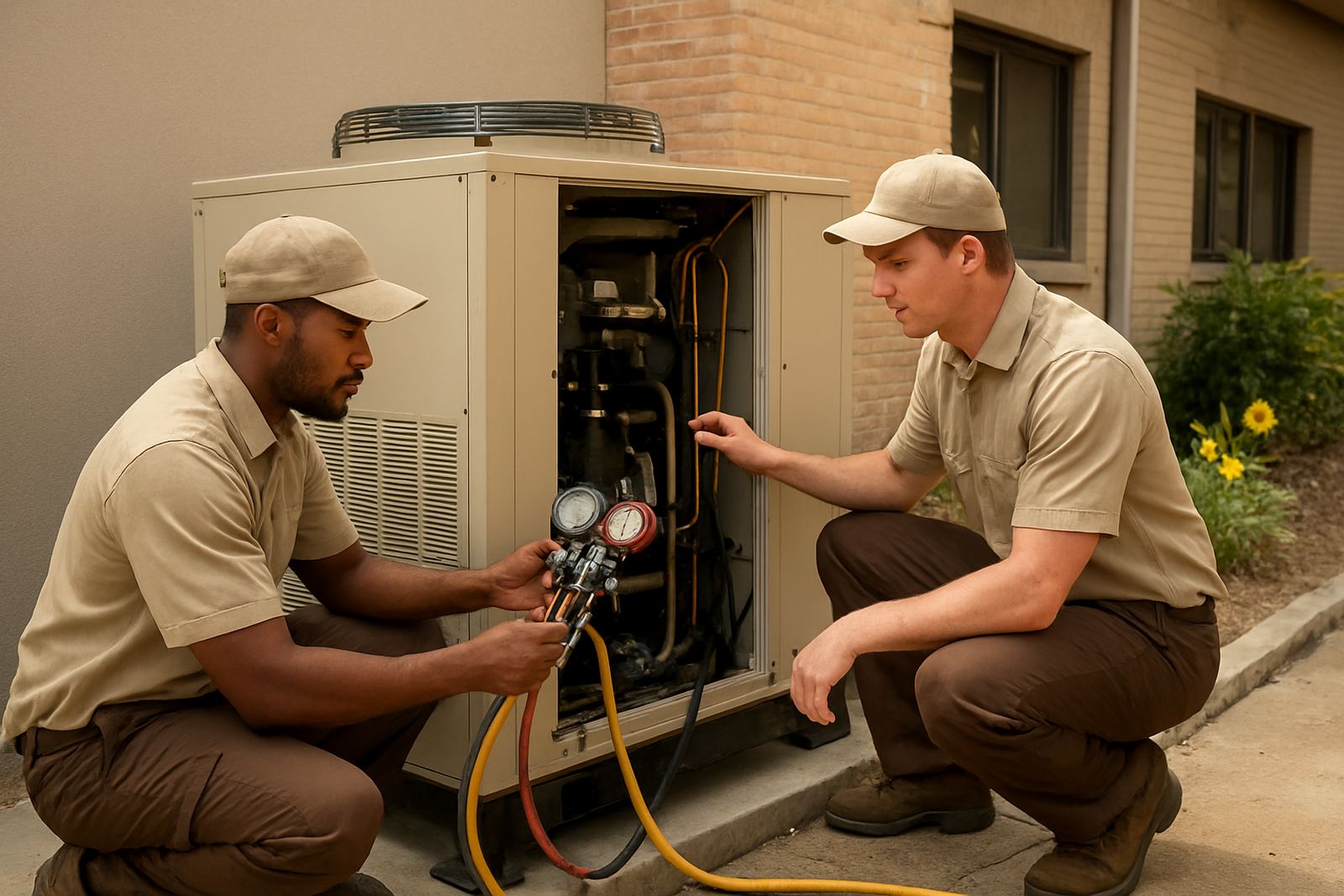
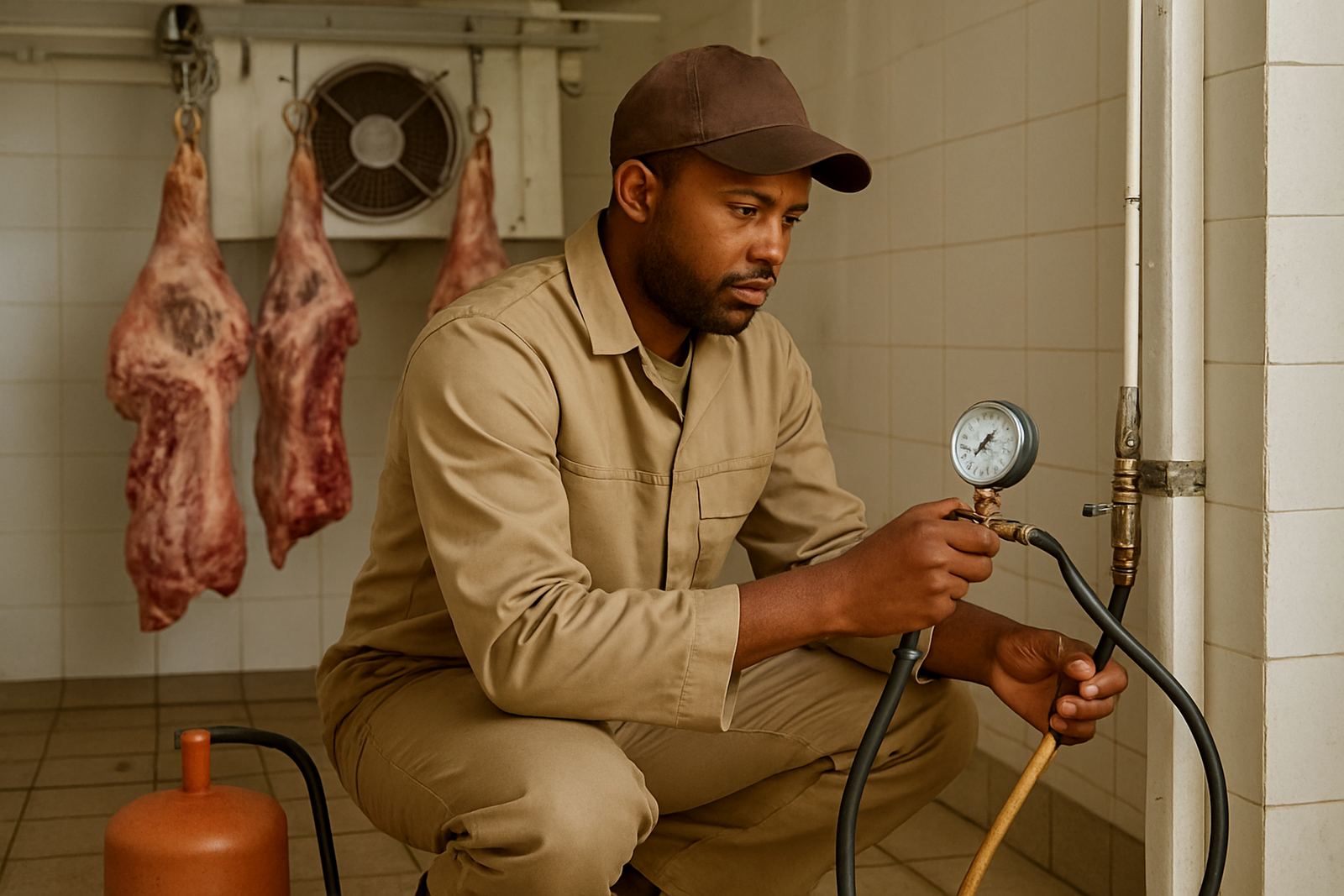
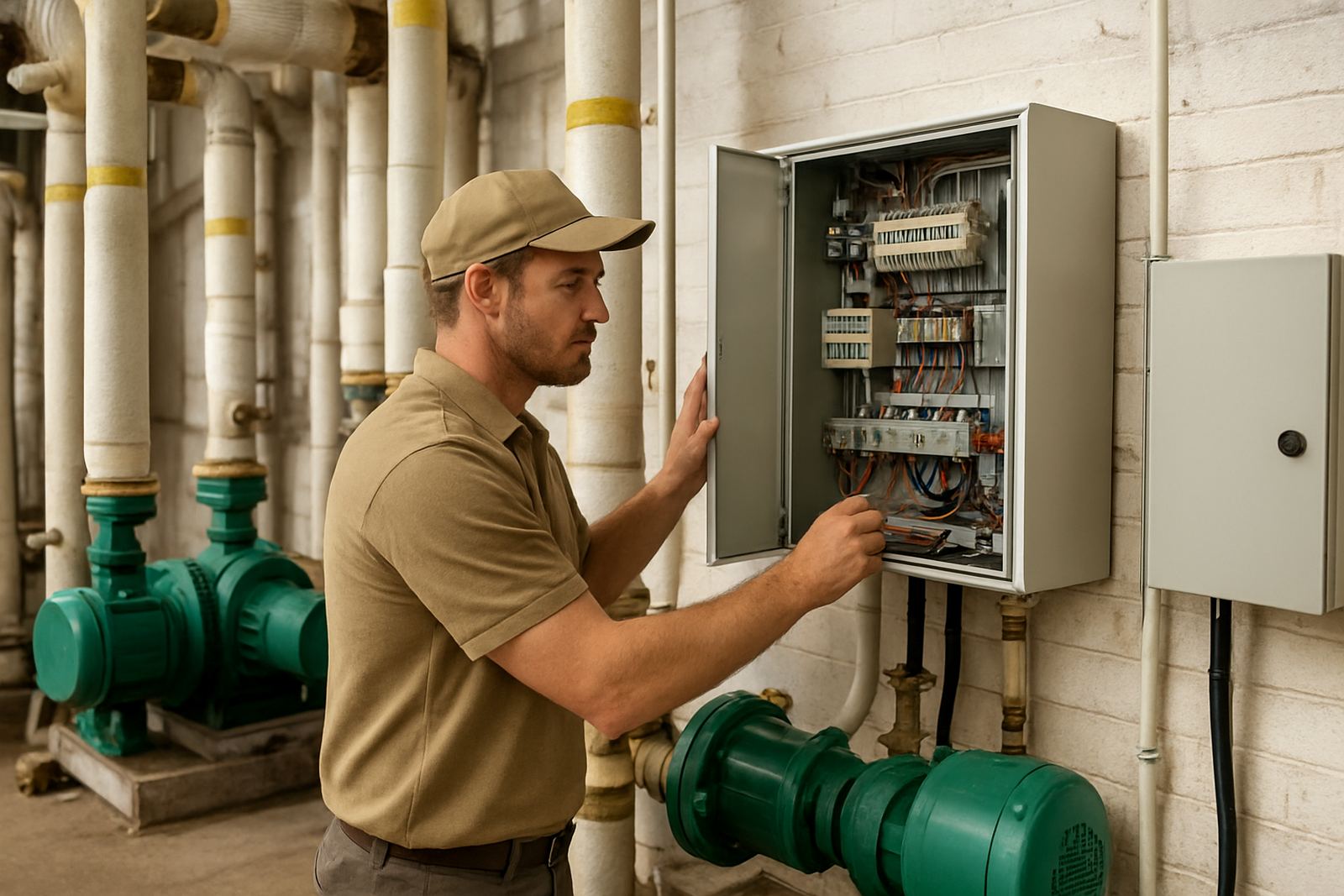

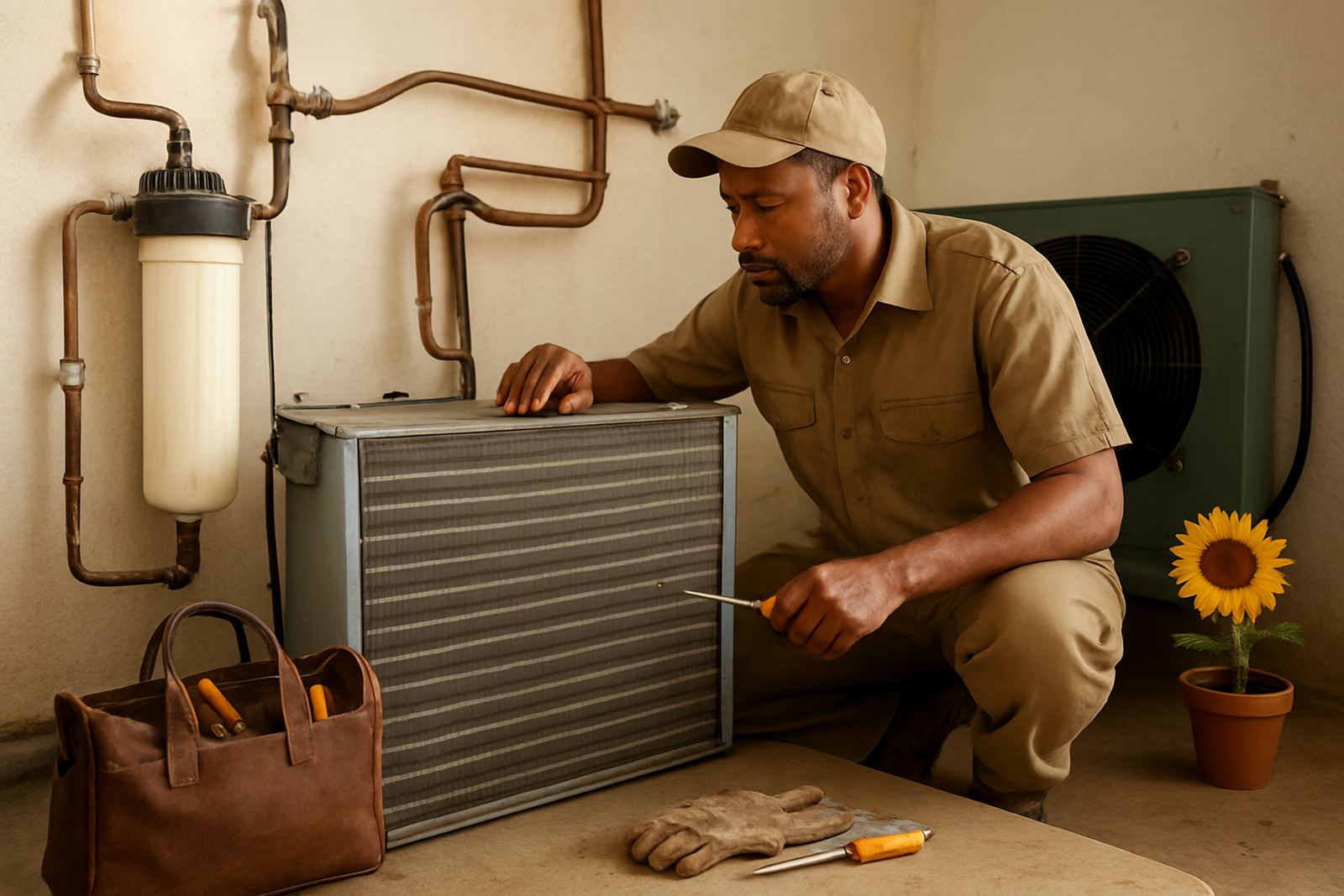
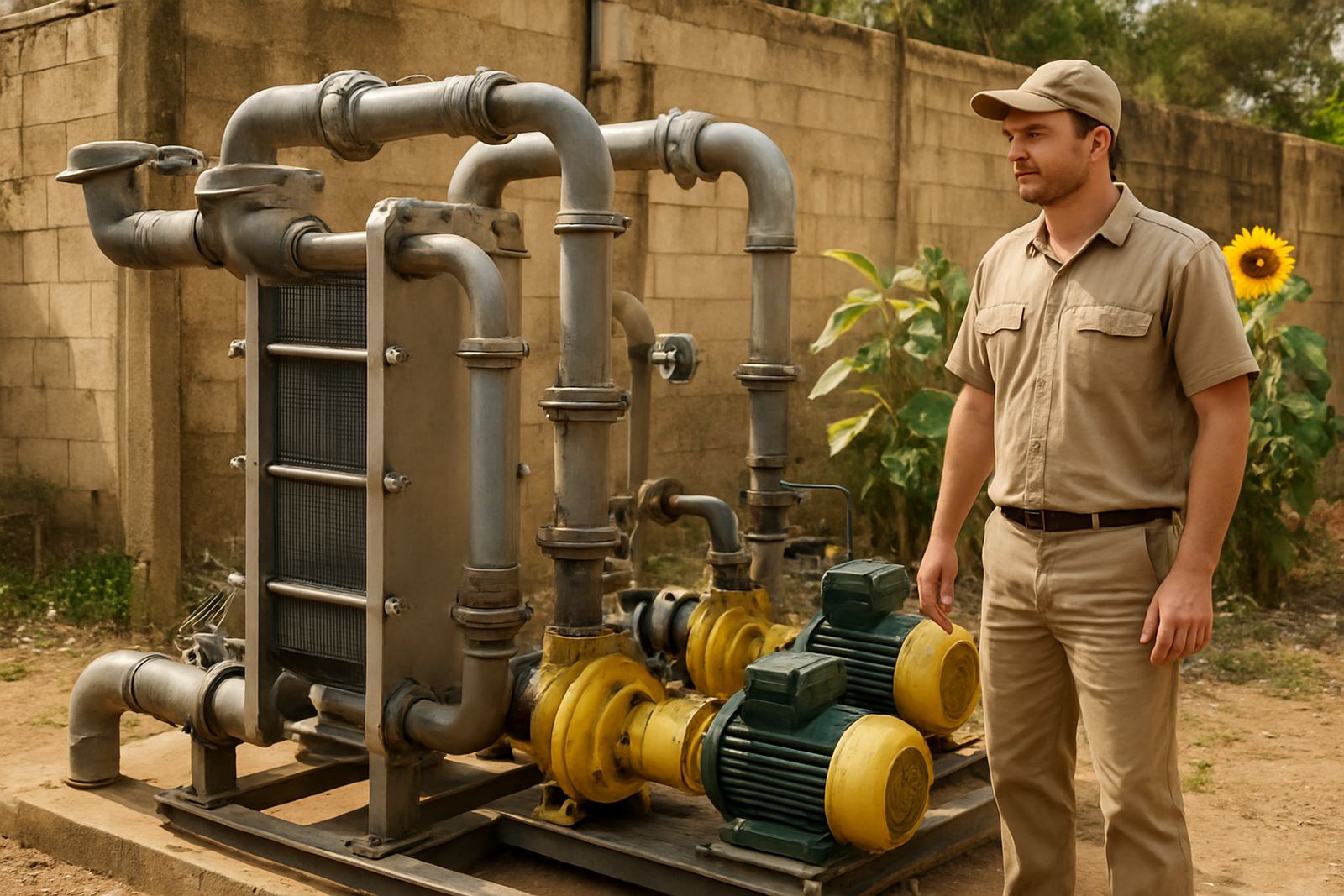


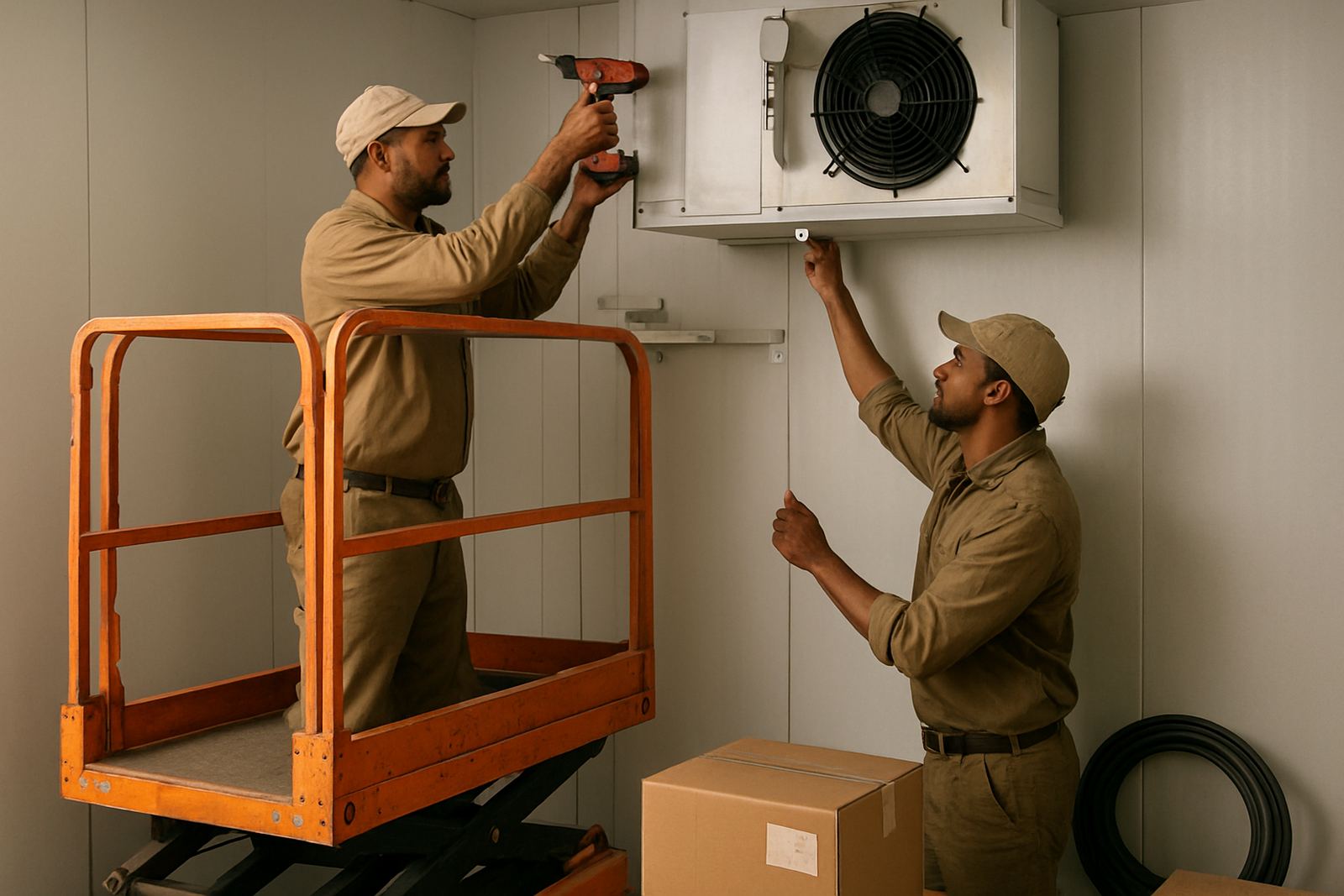
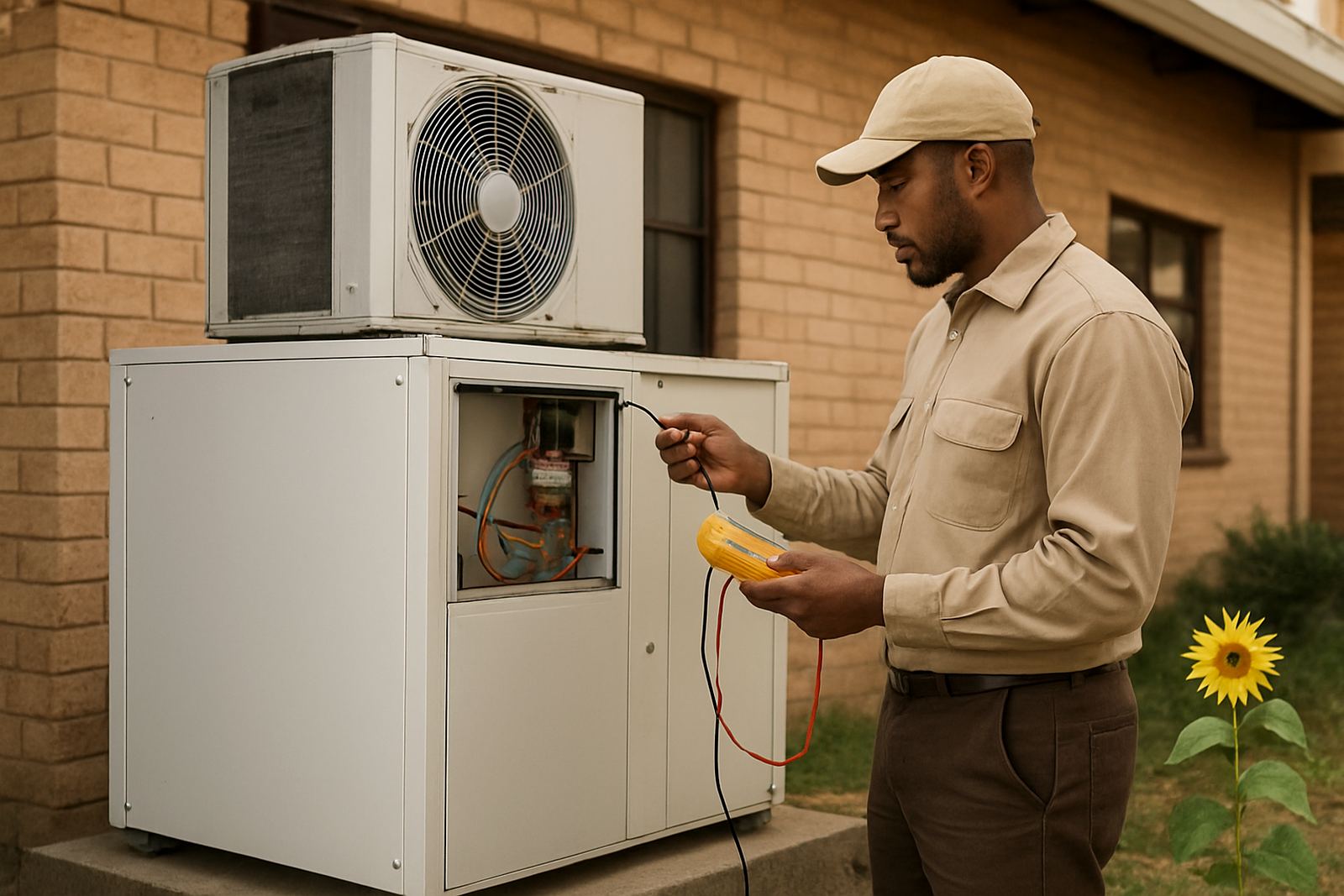
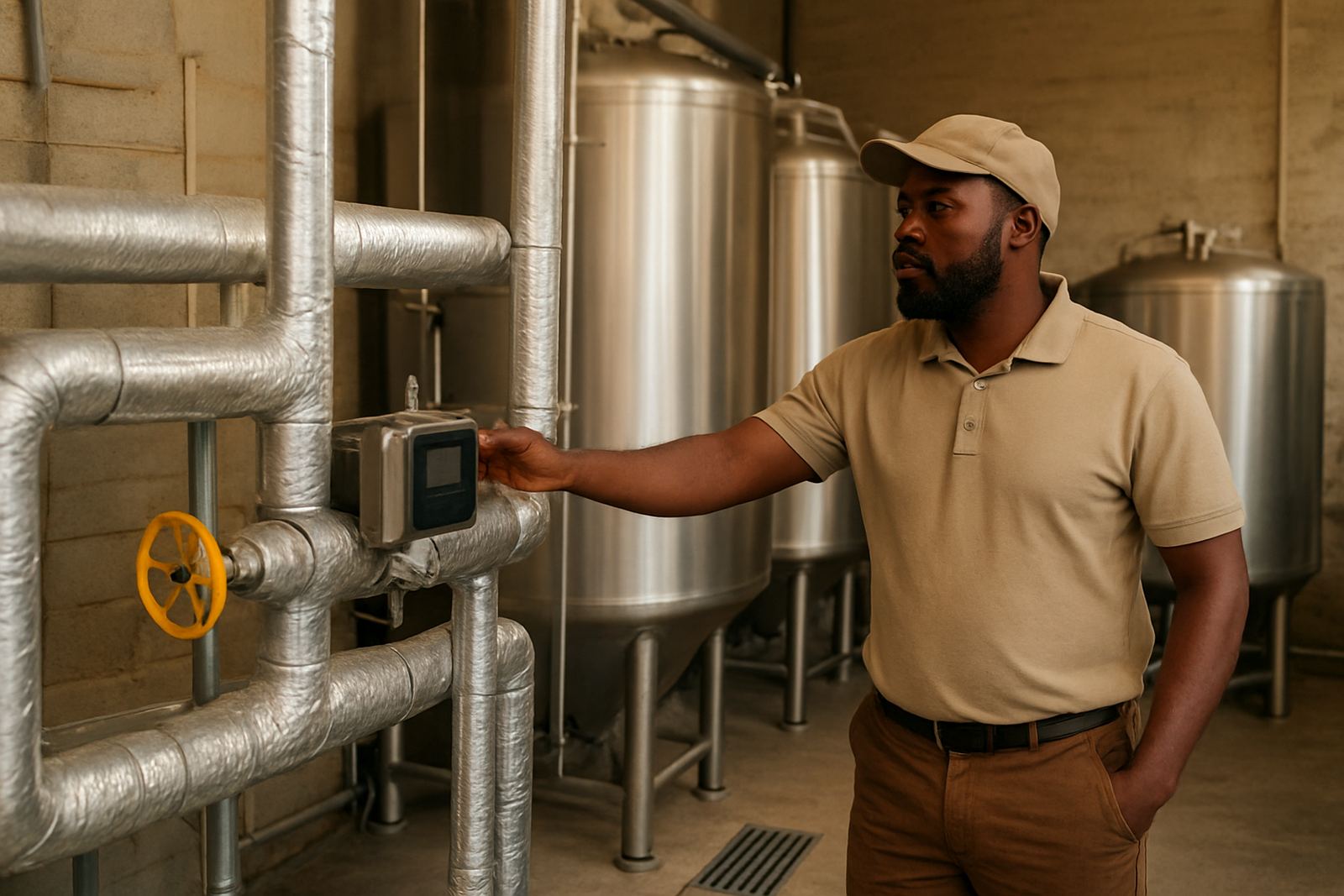
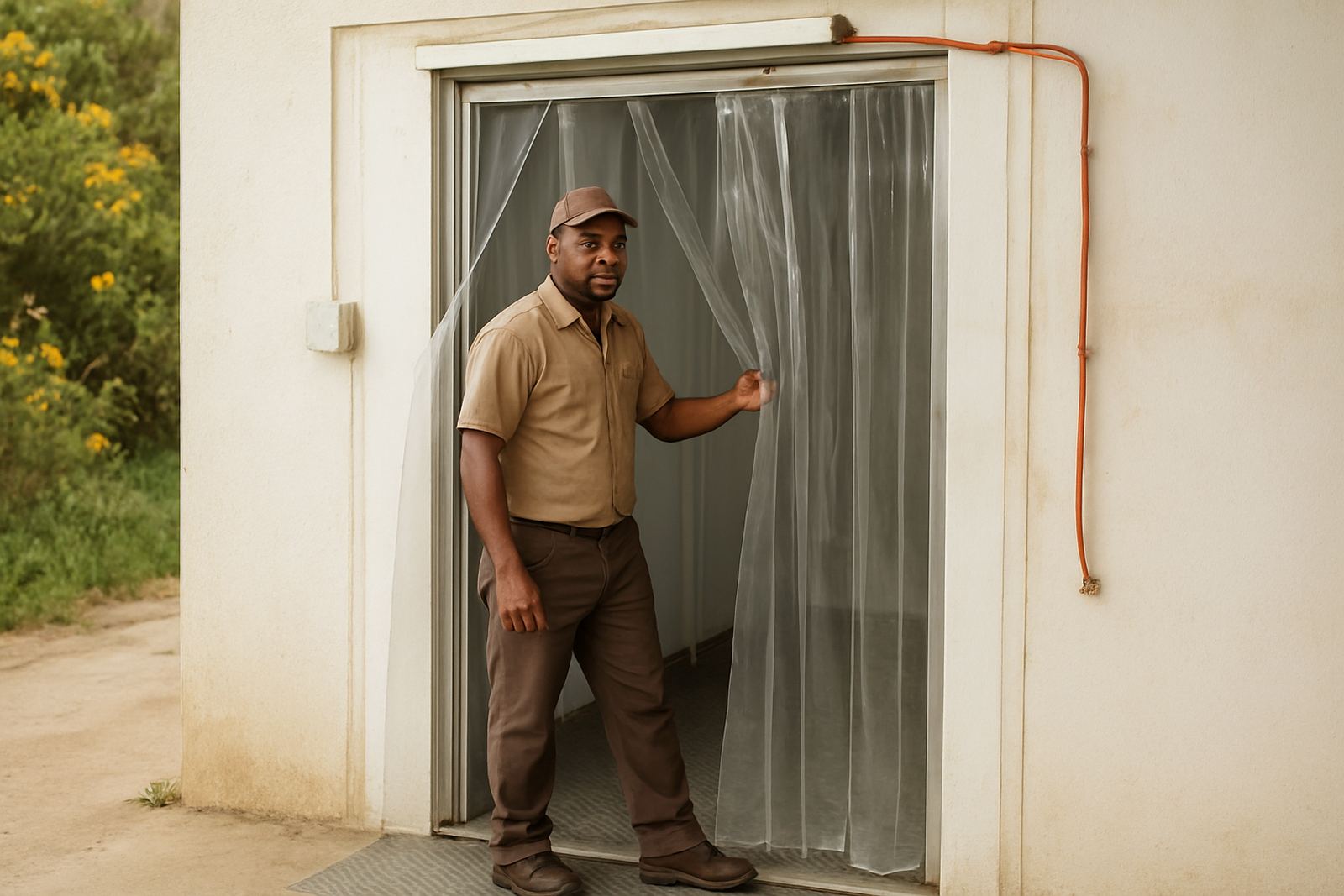
A clear view of the retrofit work we carry out
Recent retrofit work can mean very different things from one site to the next. On one project it may be a low-GWP gas conversion on an ageing cold room, while another calls for controls upgrades on a process chiller that keeps tripping during summer peak demand. What stays constant is the aim: better temperature control, lower running costs and less downtime.
This hub gives you a sense of the range. Some jobs are small and urgent, others are planned over several visits so production, stock handling or service delivery can continue without disruption. If you are comparing options, look at the age of the plant, the refrigerant in use, the condition of the coils and pipework, and whether the site has enough headroom for current and future load.
How to read the project list
The listing cards below are added separately, but the examples here follow the same pattern. Each one shows the site type, the problem we found, the work carried out and the practical result. That helps you judge whether your own system needs a full retrofit, a phased upgrade, or a maintenance intervention first.
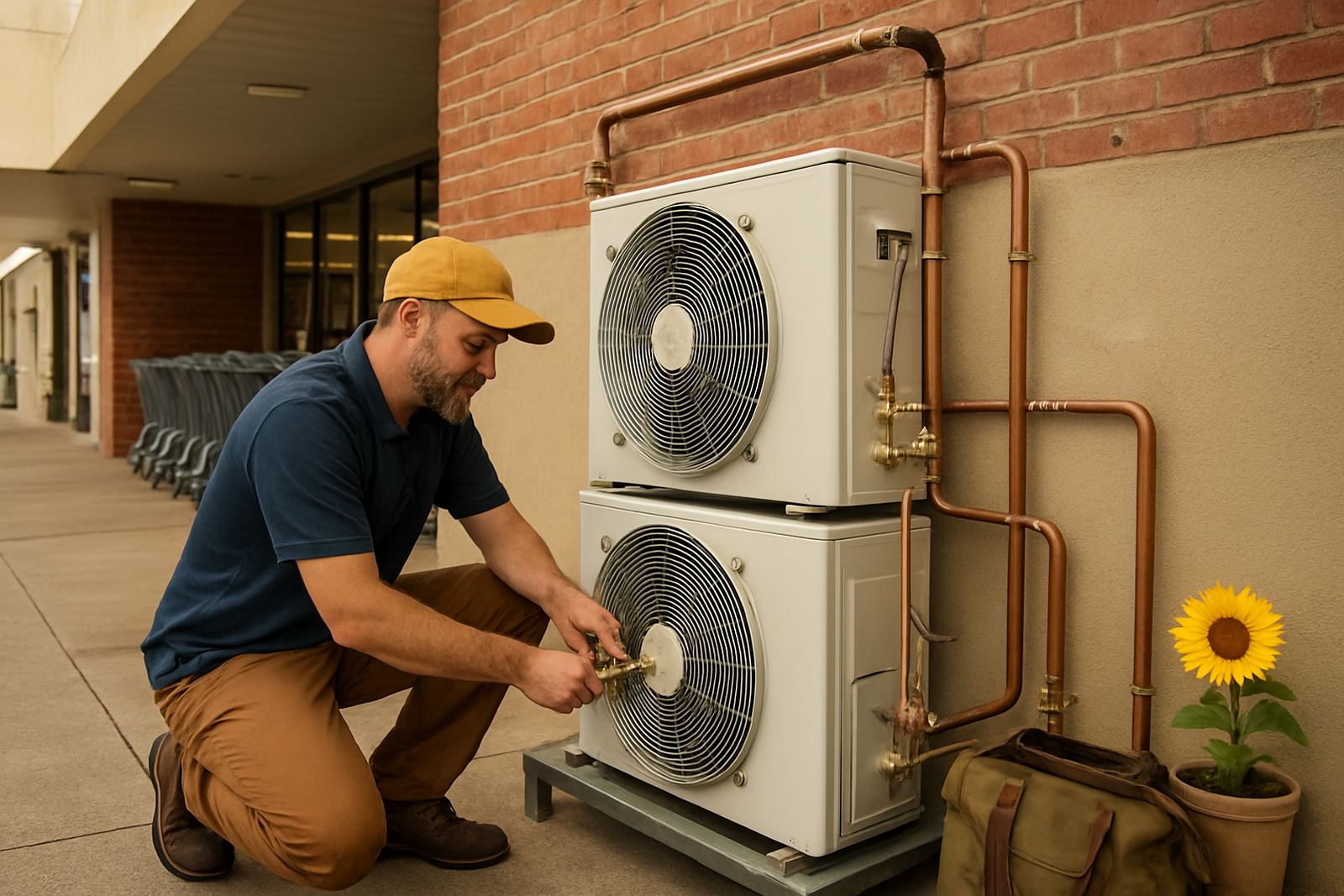
- Low-GWP conversions: best suited to systems with sound pipework and equipment that can be adapted safely.
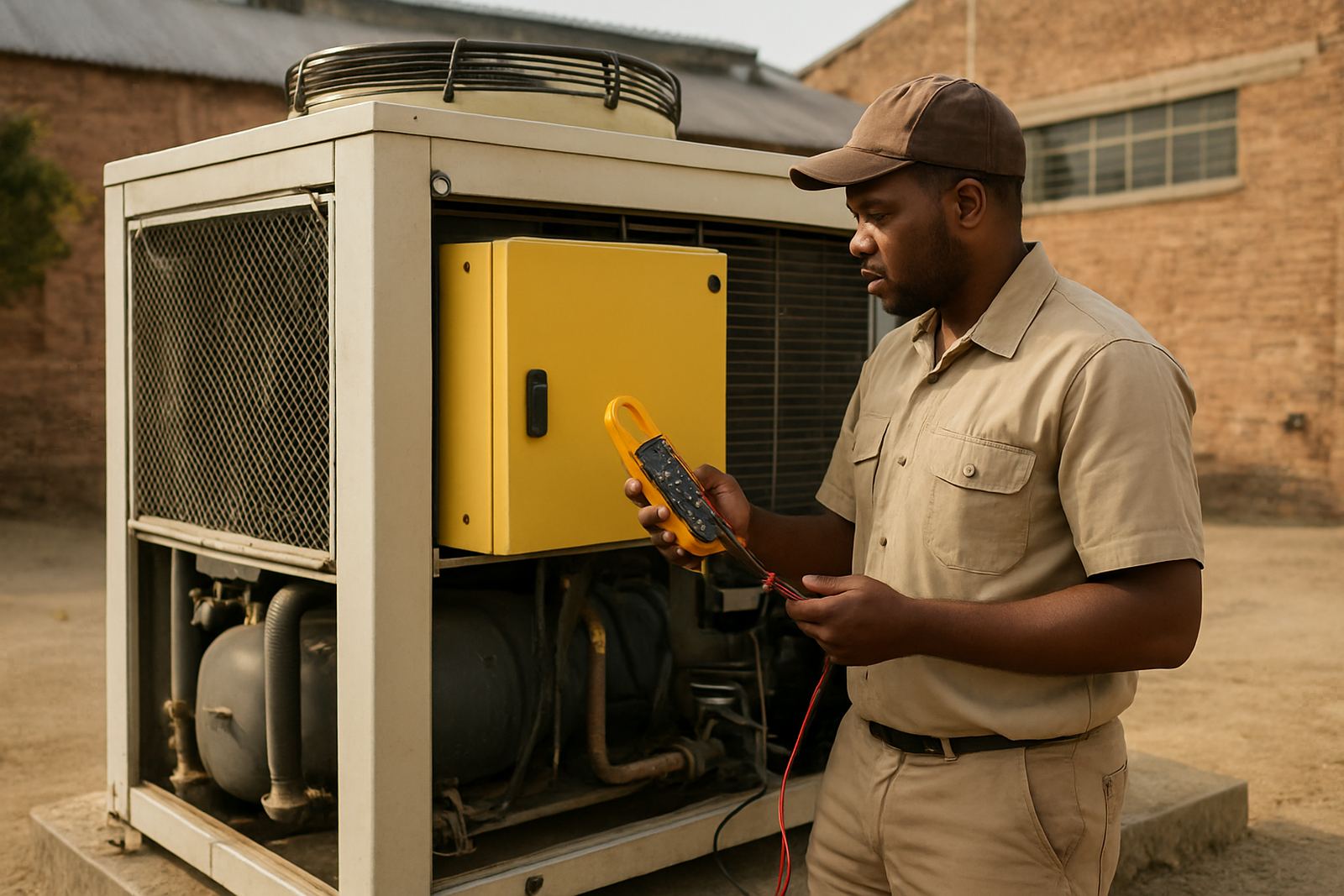
- Chiller retrofits: useful where controls, pumps, fans or sensors need modernising to cut kWh use.
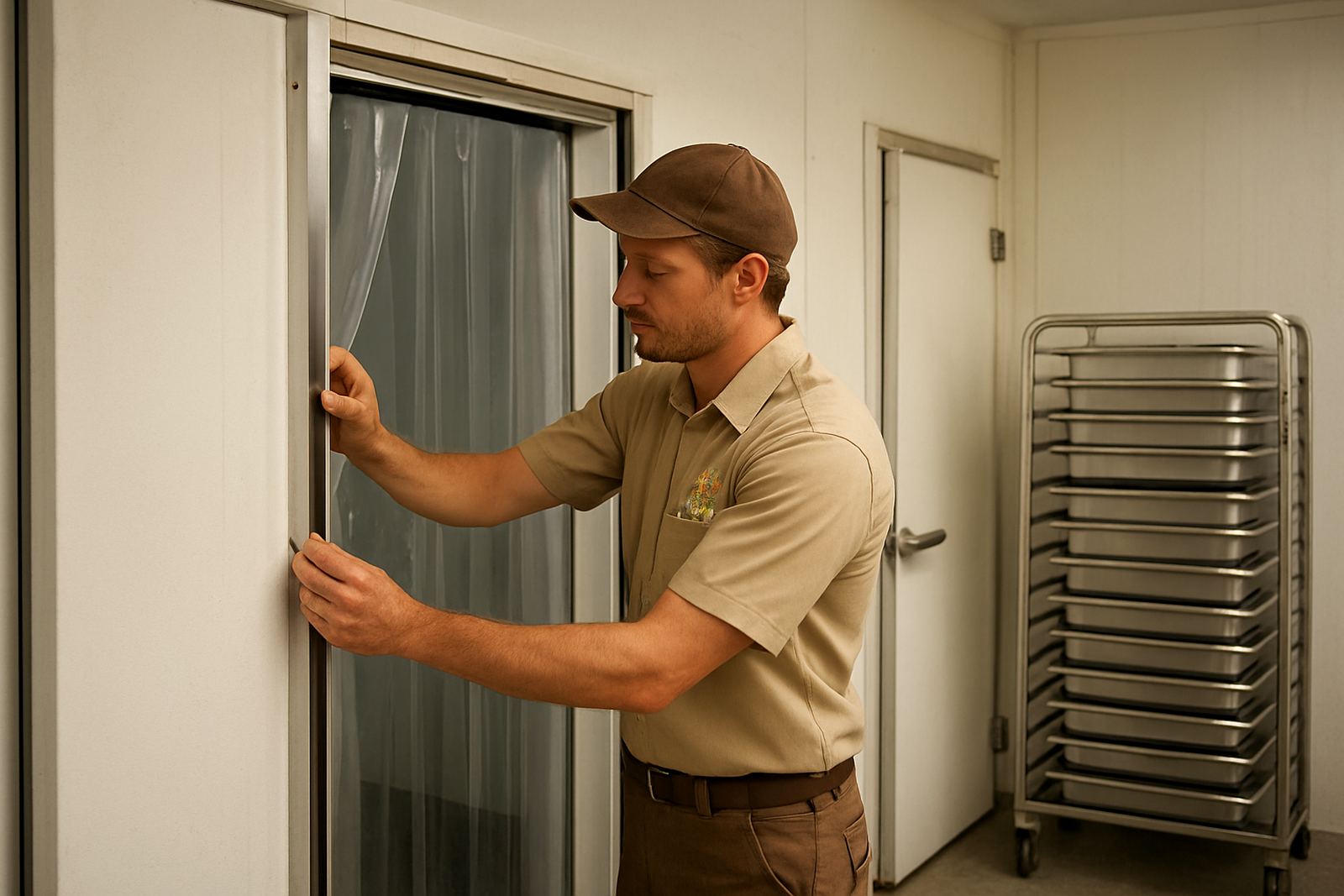
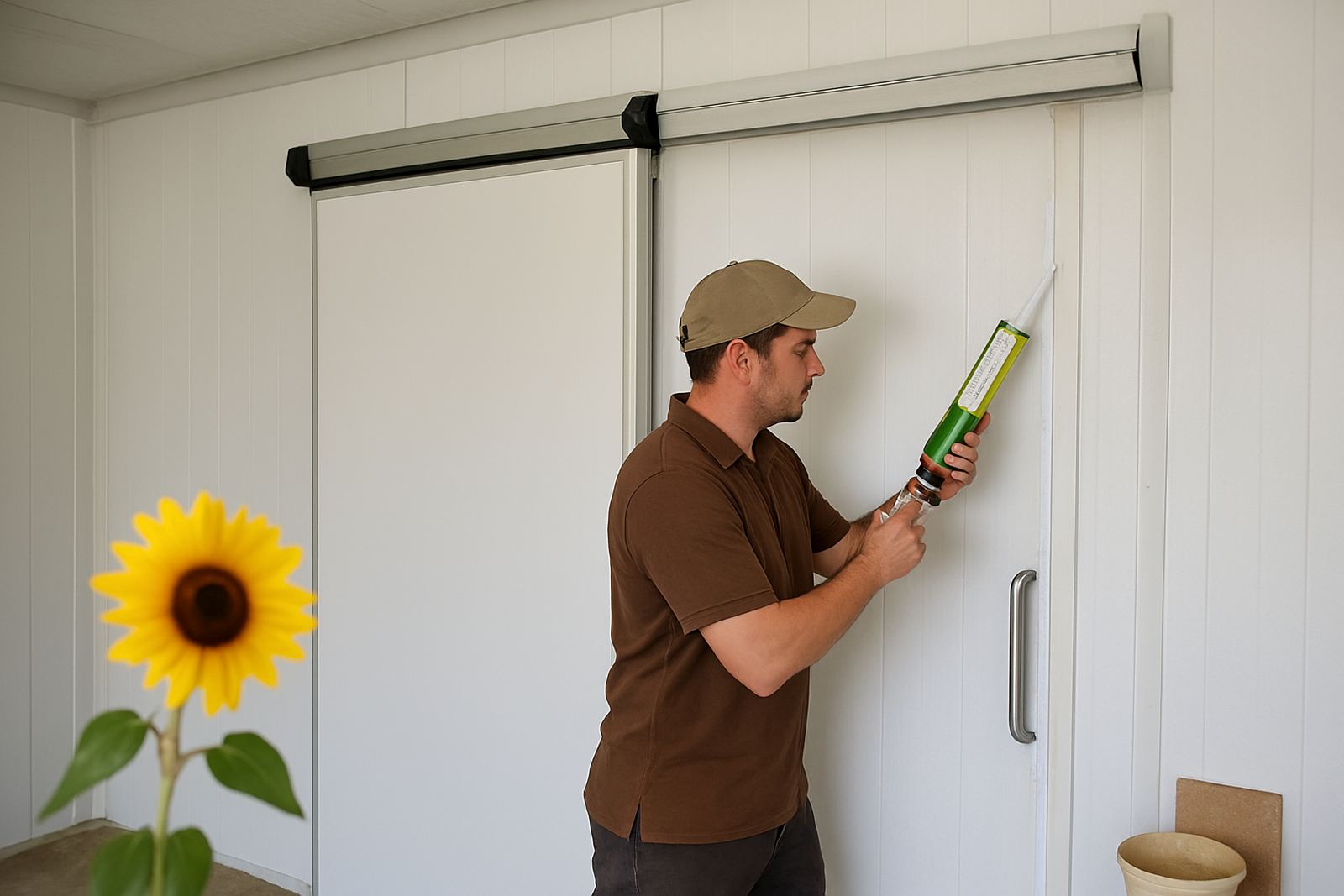
- Cold-room upgrades: ideal for facilities battling frost build-up, temperature swings or frequent breakdowns.
- Energy audits: a sensible first step when you need numbers before spending on hardware.
Typical constraints we plan around on Eastern Cape sites
Most retrofit jobs have site realities that matter just as much as the equipment itself. In Gqeberha and along the coast, humidity and salt air can shorten the life of coils and electrical components. Inland, dust and temperature swings bring a different set of issues. Municipal water availability, access for lift gear, night work windows and load-shedding all influence the programme.
We plan around these factors so the upgrade fits the site instead of forcing the site to fit the upgrade. That might mean isolating sections of a cold room during trading hours, scheduling gas recovery after shift change, or staging a control changeover so product stays within spec. Small details make a big difference when you are dealing with chilled stock or production interruptions.
What measurable improvements clients look for
Retrofit work should show up in the numbers. Many clients ask for lower power draw, steadier discharge temperatures, fewer compressor starts and better alarm visibility. Others want a practical reduction in call-outs, especially where old controls or dirty coils have been driving repeated breakdowns. On larger plants, even a modest drop in energy use can make a meaningful difference over 12 months.
- Lower electricity demand during peak periods
- More stable cold-room temperatures
- Fewer emergency breakdowns
- Improved leak detection and refrigerant tracking
- Longer life for compressors, fans and contactors
In some cases the biggest gain is operational confidence. Staff know when a system is drifting out of range, and the team can respond before stock is at risk. That kind of visibility is worth a lot on busy sites.
Recent work themes across Gqeberha, Uitenhage and Jeffreys Bay
The examples on this page cover food storage, retail cold rooms, light industrial plant and commercial cooling systems. A retrofit in Despatch may focus on control upgrades and temperature monitoring, while a Jeffreys Bay site might need leak detection and coil cleaning because of coastal exposure. In Graaff-Reinet, the issue can be more about performance during hot spells and limited after-hours access.
Because Nvirocool has been operating since 2011, we have seen how a system ages in real conditions, not just on paper. That helps when we are deciding whether to salvage existing equipment or recommend a deeper change. Sometimes a targeted retrofit gives another good few years of service, and sometimes it is better to stop chasing faults and tackle the root cause.
When a retrofit is the right next step
A retrofit is often the right choice when the plant still has useful life left but is costing too much to run or failing too often. It can also be the sensible route where environmental compliance matters, especially if a site wants to move away from older refrigerants in a controlled way. If you are under pressure from rising electricity costs, ageing plant or repeated product losses, it is worth getting the system assessed properly.
Nvirocool works from our Newton Park base in Gqeberha and supports clients across the Eastern Cape, including Port Alfred, Uitenhage, Despatch, Jeffreys Bay and Graaff-Reinet. For planned maintenance, emergency breakdowns, chiller servicing or a retrofit review, the team can look at the whole picture and recommend the most practical path forward. Not every system needs replacing, but every system does need a plan.