A small medicine store with big temperature pressure
The site was a busy healthcare facility in Uitenhage serving staff and patients throughout the day, with medicines that had to stay inside a narrow temperature band. The existing cold room was still running, but the team was seeing temperature swings after power interruptions, slow pull-down after door openings, and alarm alerts that were not always clear enough to act on quickly.
The brief was straightforward: improve resilience without turning the room into a major shutdown project. The client wanted a compact upgrade that would protect stock, reduce callouts, and give the nursing and stores teams more confidence after power cuts. We were asked to work around live operations, keep the footprint the same, and finish the job in a short window.
What we found on site in Uitenhage
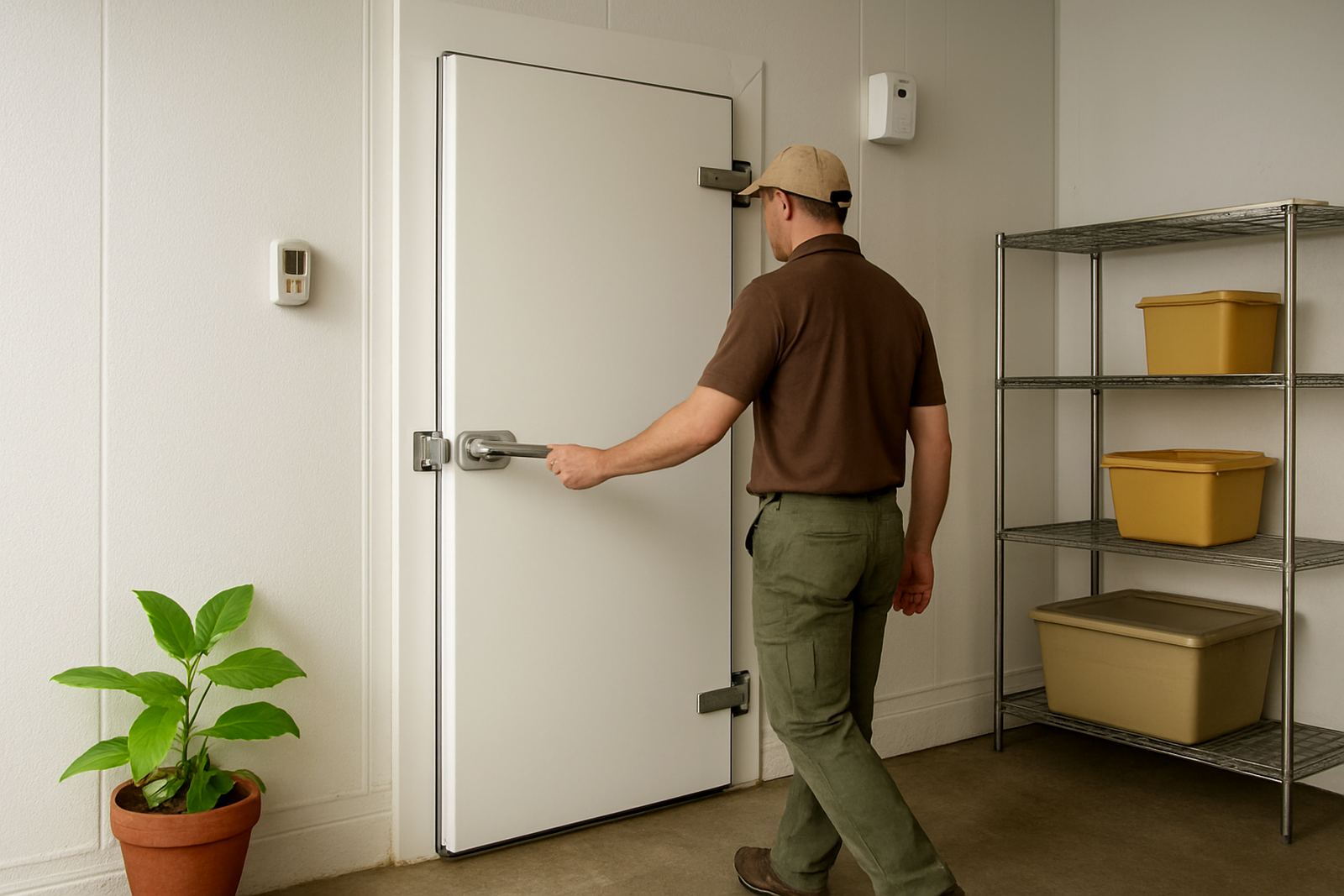
Our first visit showed a small cold room with decent cabinet space but tired controls, ageing door seals and a refrigeration setup that was doing too much work for the load it carried. The alarm system was basic and the temperature logging was limited, which made it hard to track what happened during after-hours outages. The room was also opening often during the day, so recovery time mattered.
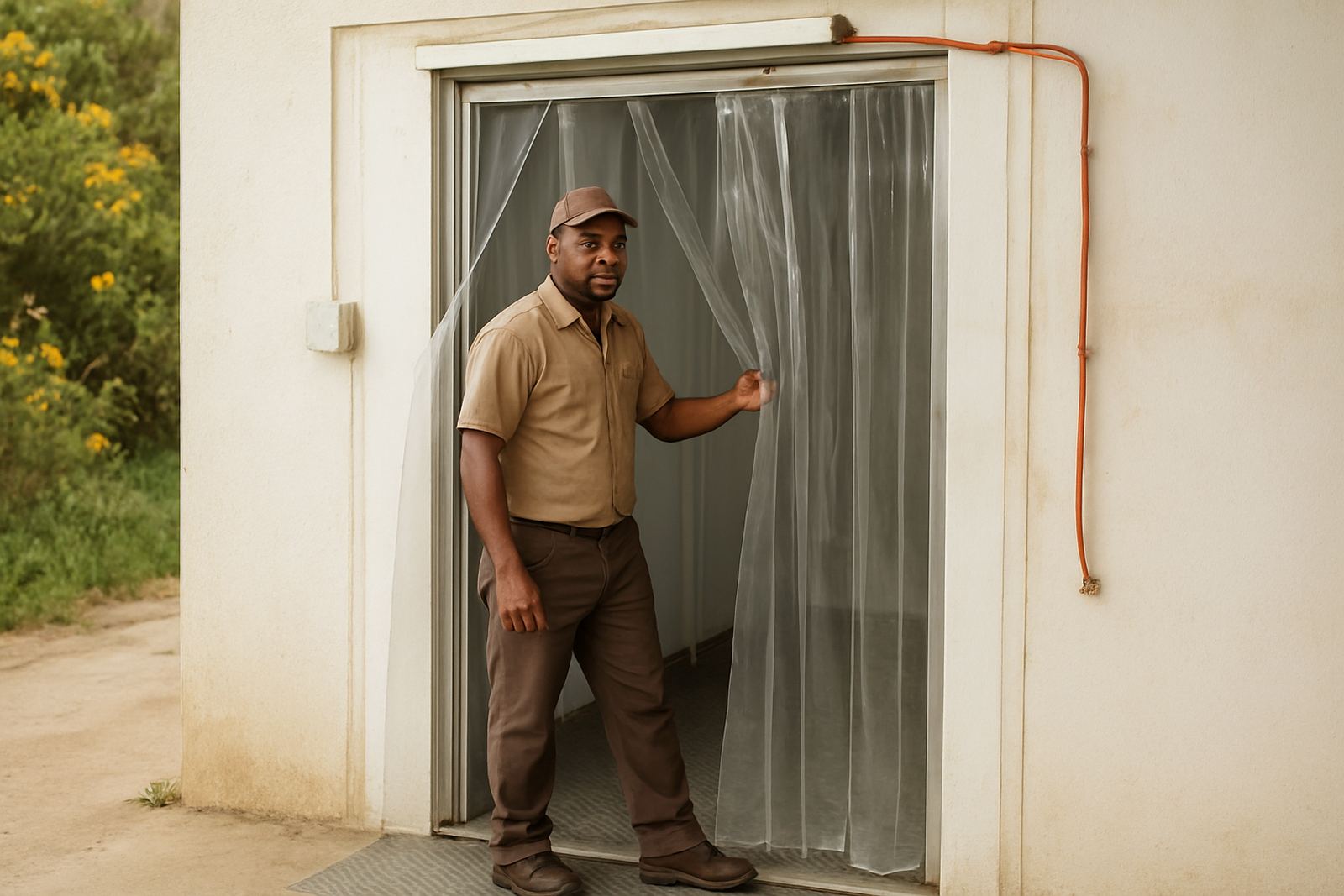
There was no room for a full rebuild. The plant area was tight, access was limited, and the client could not lose medicines to a long downtime. We also had to plan around the Eastern Cape summer humidity and the reality of municipal power interruptions. That meant the upgrade needed to be practical, not fancy.
- Compact cold room used for medicine storage and short-term issue stock
- Frequent door openings during trading hours
- Temperature recovery affected by load-shedding and delayed restart
- Limited alarm detail and no clear remote fault trail
- Tight service access around existing pipework and electrical points
The upgrade package we supplied
We carried out a refrigeration and alarm refresh that focused on control, monitoring and energy use. The work included new control components, improved temperature sensing, door seal repairs, cleaning of the heat transfer surfaces, and a low-GWP refrigerant changeover where the existing plant allowed it. We also checked the system for leak points before recommissioning, so the room could settle into normal operation without hidden losses.
The alarm side was upgraded so the clinic could get a clearer warning if temperature drifted outside the set range. We also added better probe placement and simplified the display logic, which made the readings easier for staff to understand during handovers. This was not a big-bang replacement. It was a focused retrofit that gave the old room a better chance of doing its job.
- Low-GWP conversion on the refrigeration circuit where compatible
- New temperature control and alarm interface
- Improved probe positioning for better product-level readings
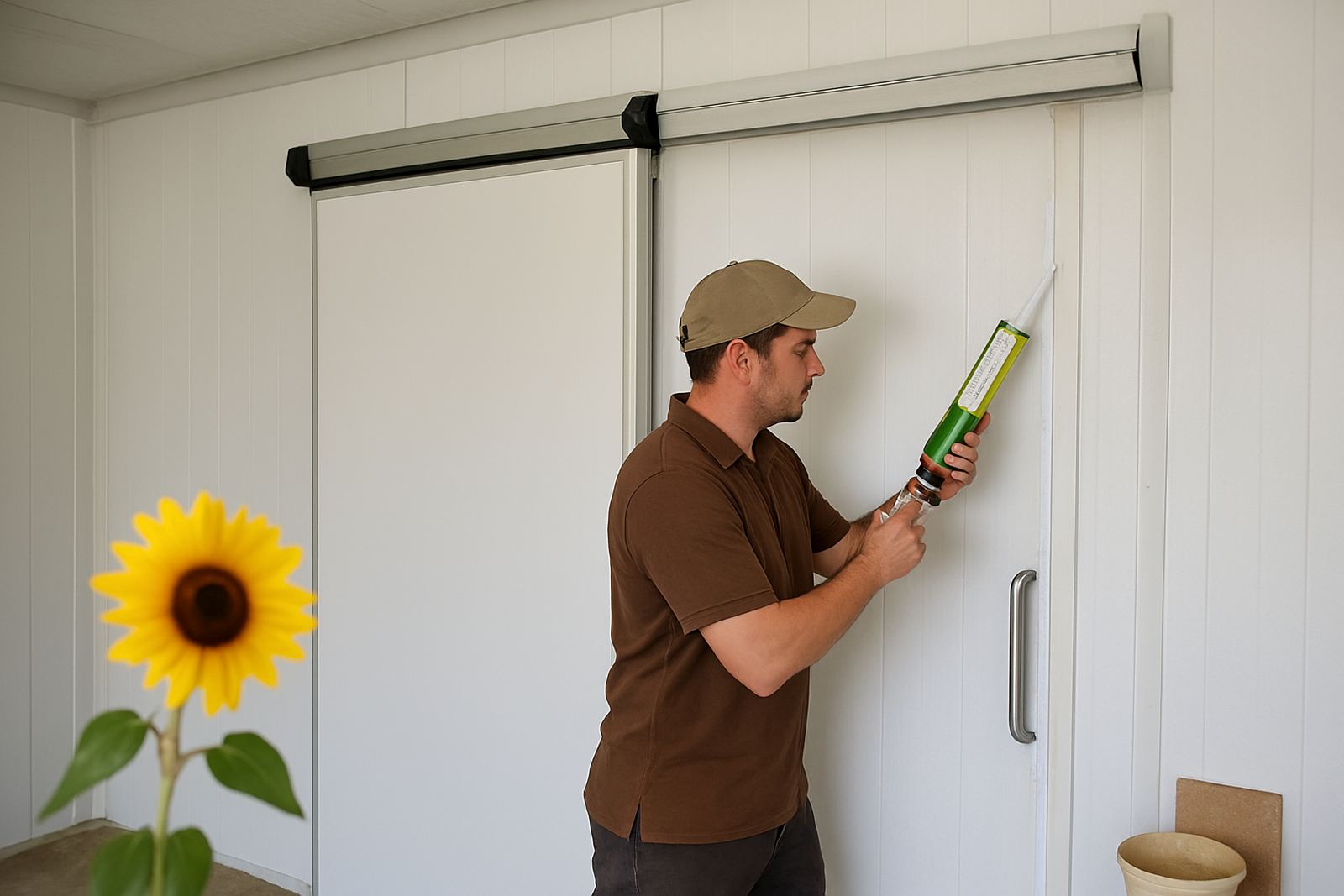
- Door seal repair and alignment checks
- Coil cleaning and airflow restoration
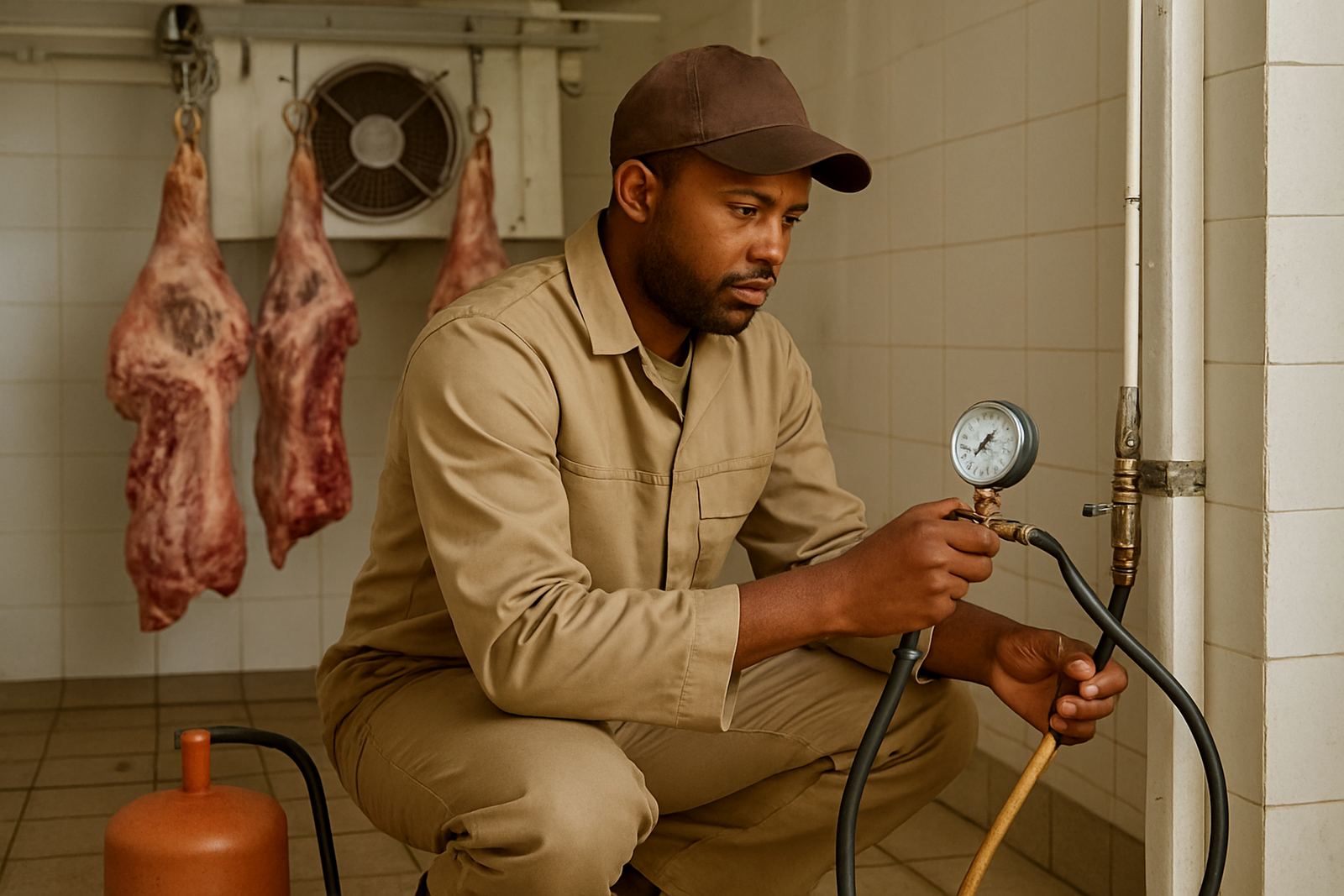
- Leak detection, pressure testing and recommissioning
How we handled the work without interrupting clinic stock
The job ran over two weeks from site measure-up to final handover. We did the planning first, then scheduled the changeover in short blocks so the room could stay in service as much as possible. Where access was limited, we worked early and after peak movement times, with the clinic team helping to move stock only when necessary.
Because medicine storage cannot be treated casually, we staged the work in a sequence that protected product at every step. We isolated, recovered where needed, cleaned and repaired the system, then brought everything back online under observation. The final checks included temperature pull-down tests, alarm verification and a review of what to watch during the first few days after commissioning.
- Week 1: inspection, measurements and parts planning
- Week 1 to 2: repair work, control swap and sealing tasks
- Week 2: testing, alarm checks and final handover
- Working windows arranged around patient-facing hours
What changed after the handover
After the upgrade, the room recovered faster after opening and held a steadier temperature through the day. The alarm now gives a clearer picture of what is happening, which matters when a clinic is short-staffed or dealing with an after-hours trip. The energy draw also settled down because the system was no longer fighting dirt, poor airflow and unnecessary runtime.
The client reported that the room felt less stressful to manage, especially during outages and hot afternoons. For us, that is the real measure. A cold room in a healthcare setting should not need constant attention just to stay in range. It should be predictable, quiet in the background, and ready when the team needs it. That is what this one became.
- More stable medicine storage conditions
- Clearer alarms for early action
- Lower strain on the refrigeration components
- Better confidence during load-shedding and restart periods
What we would do again on a similar clinic project
If we were doing a similar project again in Uitenhage or anywhere else in the Eastern Cape, we would use the same approach: start with the room, not the parts list. On compact medical cold rooms, the details matter more than the size of the system. Door seals, probe position, coil condition and restart behaviour after an outage can make the difference between a steady room and repeated callouts.
We would also keep the monitoring simple enough for busy staff to use. A clinic does not need extra complication, it needs a clear reading, a clear alarm and a maintenance plan that fits the working day. That means planned servicing, clean coils, regular leak checks and a quick response to any temperature change before it becomes a loss. In a coastal province with humidity and power interruptions, that is usually the best money spent.
- Use a measured retrofit rather than a full tear-out where the room can be saved
- Keep alarm logic simple for staff handover
- Set a maintenance routine around load-shedding risk
- Check door hardware and seals as often as the refrigeration circuit
Project summary for Uitenhage
This Uitenhage clinic project was a compact but important upgrade that improved medicine storage resilience without disrupting day-to-day care. By tightening control, improving alarms and reducing unnecessary strain on the equipment, the room became easier to trust and cheaper to keep running. For a healthcare site, that practical gain matters more than a dramatic new installation.
Nvirocool continues to support cold rooms, chillers and refrigeration systems across Gqeberha, Uitenhage, Despatch, Jeffreys Bay, Graaff-Reinet and Port Alfred, with planned maintenance, emergency breakdown support and retrofit work shaped around local conditions.
Key facts
| Client type | Healthcare facility cold room |
|---|---|
| Town | Uitenhage, Eastern Cape |
| Project duration | 2 weeks |
| Scope | Cold room repair, alarm upgrade, low-GWP conversion, leak detection |
| Room use | Medicine storage |
| Key outcome | Steadier temperature control and better outage resilience |