What the butchery needed in Walmer
The client was a long-standing butchery serving local households, small caterers and weekend shoppers in Walmer, Gqeberha. Their refrigeration plant was still running, but the team was working too hard to hold cabinet temperatures through busy periods, hot afternoons and the odd power dip. Product pull-down after stock loading was slower than it should have been, and frost build-up on the evaporator was adding extra strain.
The brief was practical. Improve temperature recovery, reduce running costs and move the system to a lower-GWP refrigerant solution without disrupting trading for long. The store needed a plan that would fit a real retail environment with meat deliveries, cleaning time, early starts and no room for long shutdowns. We also had to keep the work neat and compliant, because food premises in a built-up area cannot afford sloppy pipework or poor record keeping.
Site conditions and the limits we had to work around
The plant room was tight, access was awkward and there was not much spare space for a long closure. Like many food retailers in Gqeberha, the site also had to deal with warm coastal air, frequent door opening and load-shedding related restarts that can put refrigeration under pressure. That combination often shows up first as uneven cabinet temperatures, longer pull-down after replenishment and higher compressor runtime.
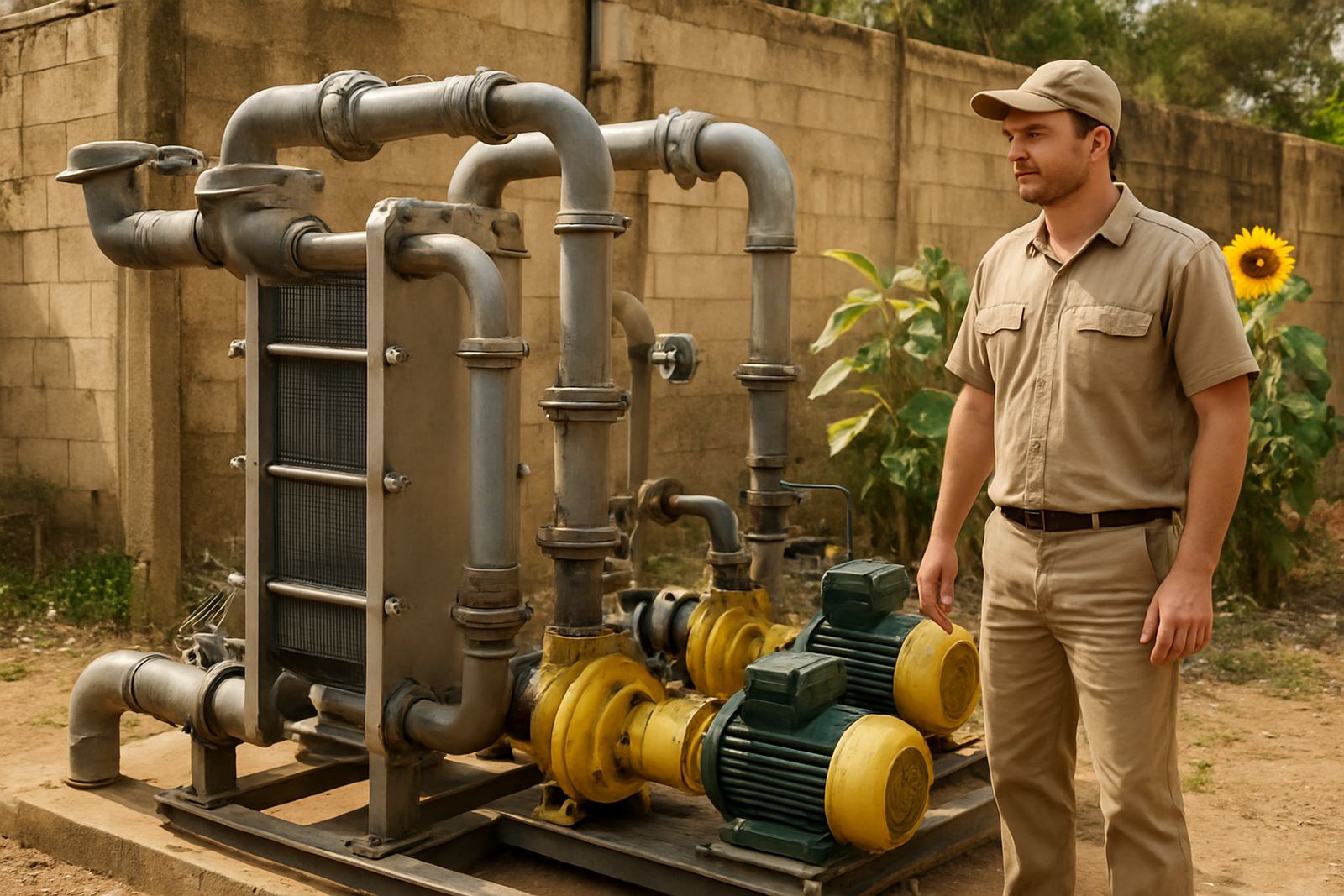
We inspected the evaporator, controls, piping layout and existing refrigerant circuit before any work started. The old evaporator had signs of poor airflow and ageing fins, and the charge condition was not helping matters. There was also limited margin for failure, so we planned the changeover in stages to keep the shop trading. The team wanted a fix that would not need constant attention afterwards, and that mattered to us too.
- Busy neighbourhood butcher counter with daily fresh stock movement
- Limited shutdown window and restricted access to plant space
- Warm, humid coastal conditions that increase condensation and icing
- Need to keep food safety, cleaning access and trading continuity in mind
What Nvirocool supplied and installed
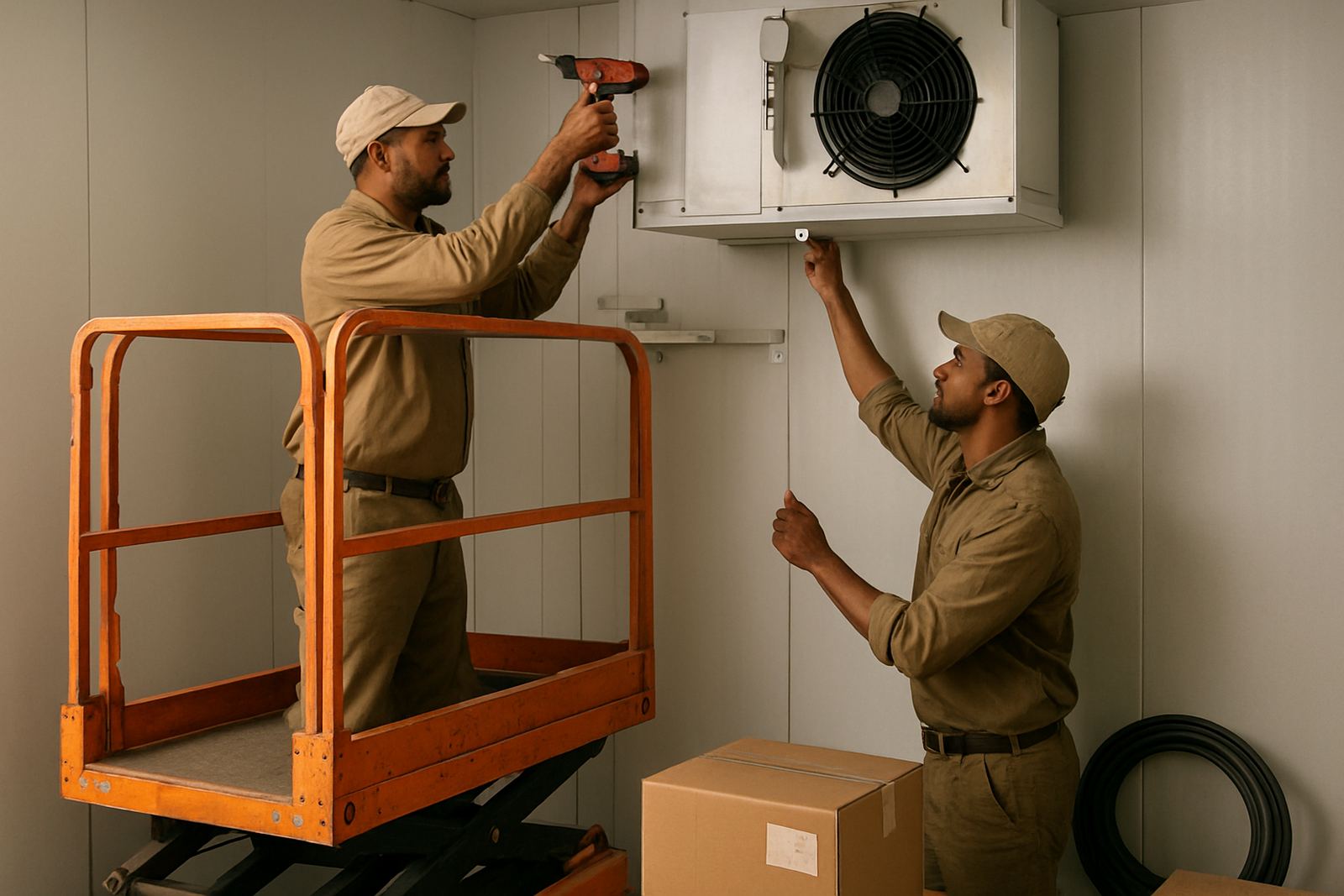
We completed a low-GWP gas conversion and matched it to a new evaporator selected for the duty and cabinet load. The old evaporator was removed and replaced with a unit sized to improve airflow across the coil face and improve heat transfer. We also checked the expansion device, drier, sight glass, insulation and controls so the new setup would not be held back by small faults elsewhere in the circuit.
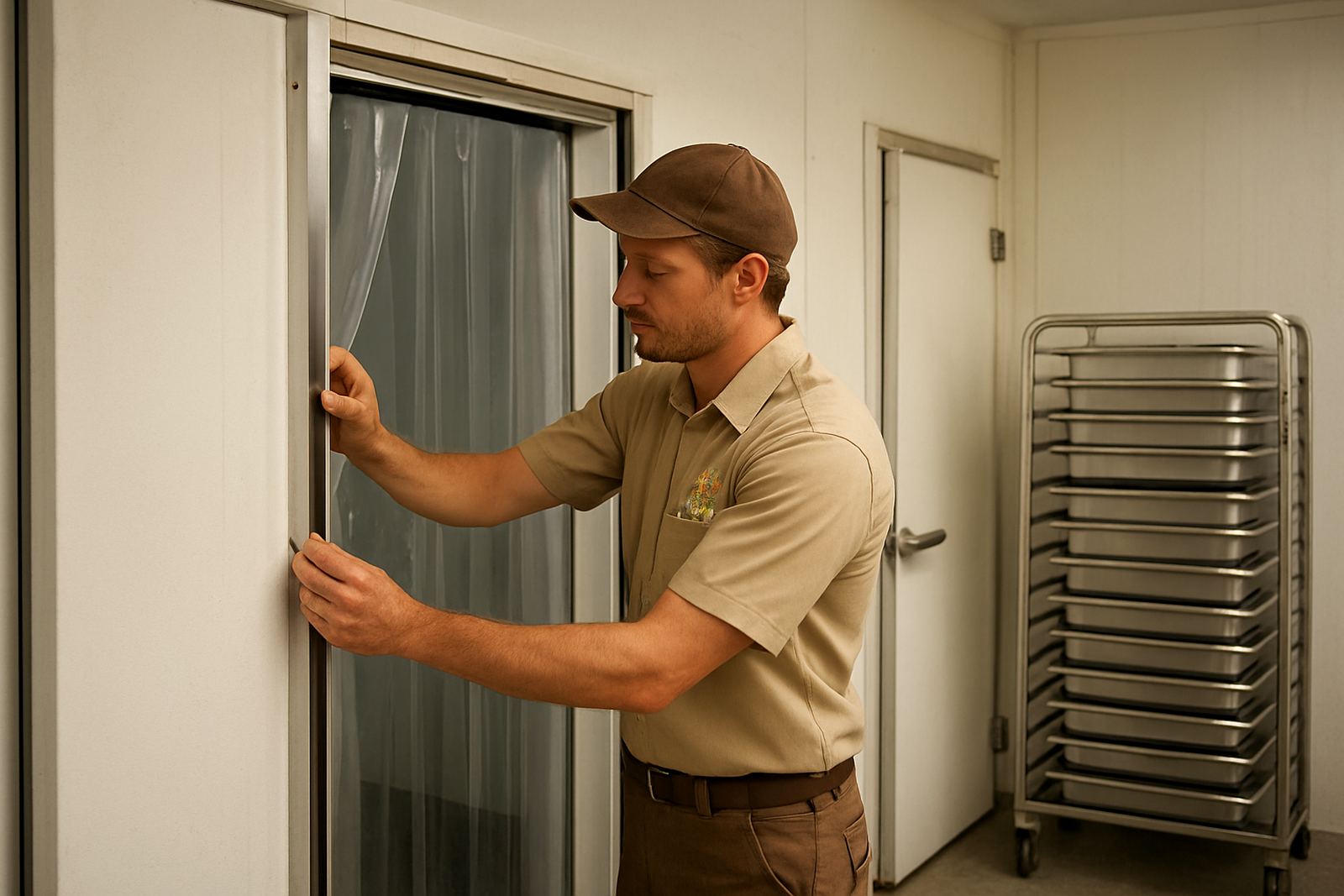
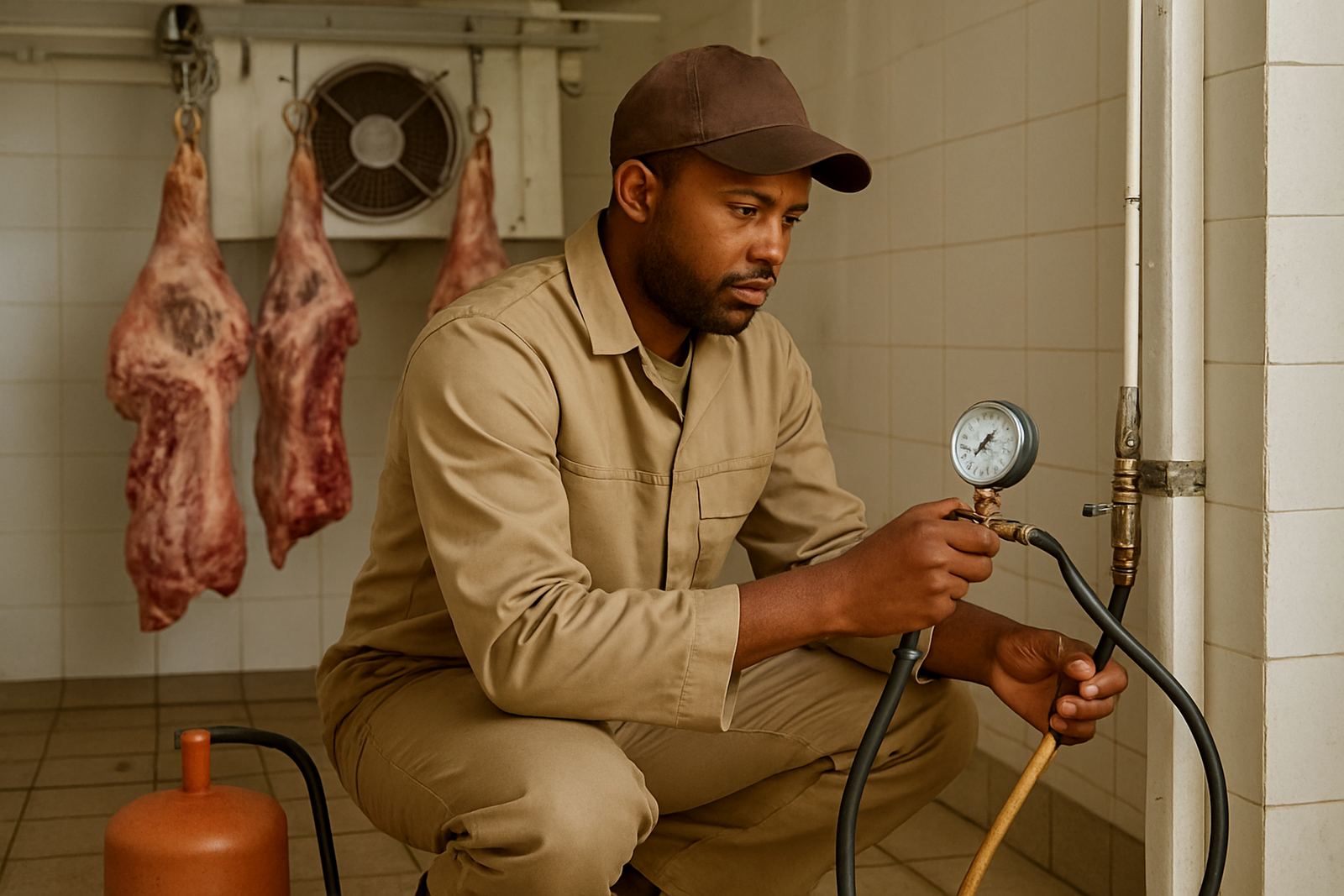
The retrofit package included leak testing, pressure testing, evacuation and a fresh refrigerant charge calibrated to suit the converted system. We cleaned the coil faces, corrected airflow issues around the unit and adjusted the controls for more stable operation during peak trade. Where needed we reworked small sections of pipework and tidied supports so the installation could stand up to regular maintenance and cleaning. The client wanted practical improvements, not just a new label on the same old problems.
- Low-GWP refrigerant conversion for lower environmental impact
- Evaporator replacement for faster pull-down and better temperature recovery
- System leak detection and pressure integrity checks
- Control setting adjustments for steadier operation during trading peaks
- Coil cleaning and air path checks to improve airflow
Timeline and how we staged the work
The project ran over two weeks from first inspection to handover. Week one covered site assessment, measurements, component selection and the shutdown plan. Week two covered installation, conversion work, testing and final tuning. We scheduled the more disruptive steps outside peak trading where possible so the butchery could keep serving customers with only short interruptions.
That staging matters in food retail. If the refrigeration is offline too long, product has to be moved, staff get under pressure and the whole day becomes more expensive than it should be. By planning the work properly we kept the interruptions short and predictable. The client could prepare for each step in advance, which made the process a lot smoother for everyone.
We also left time for operational checks after start-up, since a converted system can need fine tuning once it is loaded and working in the real world. A clean installation is important, but the first few days of live running tell you whether the airflow, defrost and control settings are actually doing their job.
Results after the conversion
The most obvious change was faster temperature pull-down after loading and a more even operating pattern across the day. The cabinet and product areas recovered better after door openings, and the evaporator was no longer fighting the same level of icing and airflow restriction. In plain terms, the refrigeration was doing its job with less stress.
Energy use improved as well, mainly because the system was no longer working so hard to reach target temperatures. The client noticed shorter recovery times after delivery periods and fewer complaints about temperature swings. That helps product quality, but it also helps the staff because they are not constantly chasing the system. For a busy butchery that is a proper gain, especially when summer heat and load-shedding can push older plant into bad habits.
The client now has a more manageable maintenance position too. With the new evaporator and cleaner system layout, routine checks are easier and there is less unnecessary downtime. The upgrade also puts the site on a better path for future compliance and refrigerant management if further changes are needed down the line.
What we would repeat on a similar site
If we were doing the same type of upgrade again, we would follow the same approach: inspect properly, size the evaporator to the real load and never assume the old controls are good enough to carry over. On a butchery site, small details like airflow clearance, door habits and cleaning access make a bigger difference than people expect. Ignore those and the system will keep reminding you.
We would also keep the shutdown windows short and the commissioning checks thorough. That balance is what keeps trading going while still giving the refrigeration a proper reset. For neighbourhood food businesses in Gqeberha and the Eastern Cape, the best result is usually the one that quietly improves daily work without creating new problems. That is the standard we aim for on every job.
The key facts from this Walmer project
This upgrade showed how a low-GWP conversion and a well-matched evaporator can lift performance without turning a simple butchery into a major construction site. The site got better pull-down, steadier running and a cleaner maintenance path. For a business that depends on fresh product and predictable temperatures, that is the kind of improvement that matters every day.
If you run a retail food site, cold room or small commercial refrigeration system in Gqeberha, Uitenhage, Despatch, Jeffreys Bay, Graaff-Reinet or Port Alfred, Nvirocool can help with planned maintenance, breakdown response, conversions and energy-saving upgrades. We work from our Newton Park base and keep the focus on practical fixes that suit local conditions, not fancy talk.
- Project type: Low-GWP conversion and evaporator replacement
- Site: Neighbourhood butchery in Walmer, Gqeberha
- Duration: 2 weeks
- Main outcome: Faster pull-down and better temperature stability
Key facts
| Project location | Walmer, Gqeberha |
|---|---|
| Client type | Neighbourhood butchery |
| Project duration | 2 weeks |
| Main works | Low-GWP conversion, evaporator replacement, leak testing and control tuning |
| Key improvement | Better temperature pull-down and steadier recovery after door openings |
| Operating context | Coastal humidity, load-shedding risk and daily retail trading |