Cold storage pressure during pack season
The client was a packstore operation in the Addo area handling packed produce for onward dispatch to local and regional buyers. The cold room had been running harder than normal, with temperature drift showing on the monitoring display and visible icing around the evaporator coil. In simple terms, the room was no longer holding steady enough for fresh packed stock.
The brief was straightforward but time-sensitive: find the fault quickly, protect the product on site and get the room back into reliable service. Because the store was in an active packhouse environment, we had to work around loading times, forklift movement and stock handling without blocking the rest of the operation.
- Client type: packed produce storage and dispatch
- Location: Addo, Eastern Cape
- Issue: coil failure and poor temperature recovery
- Risk: spoilage, dispatch delays and higher electricity use
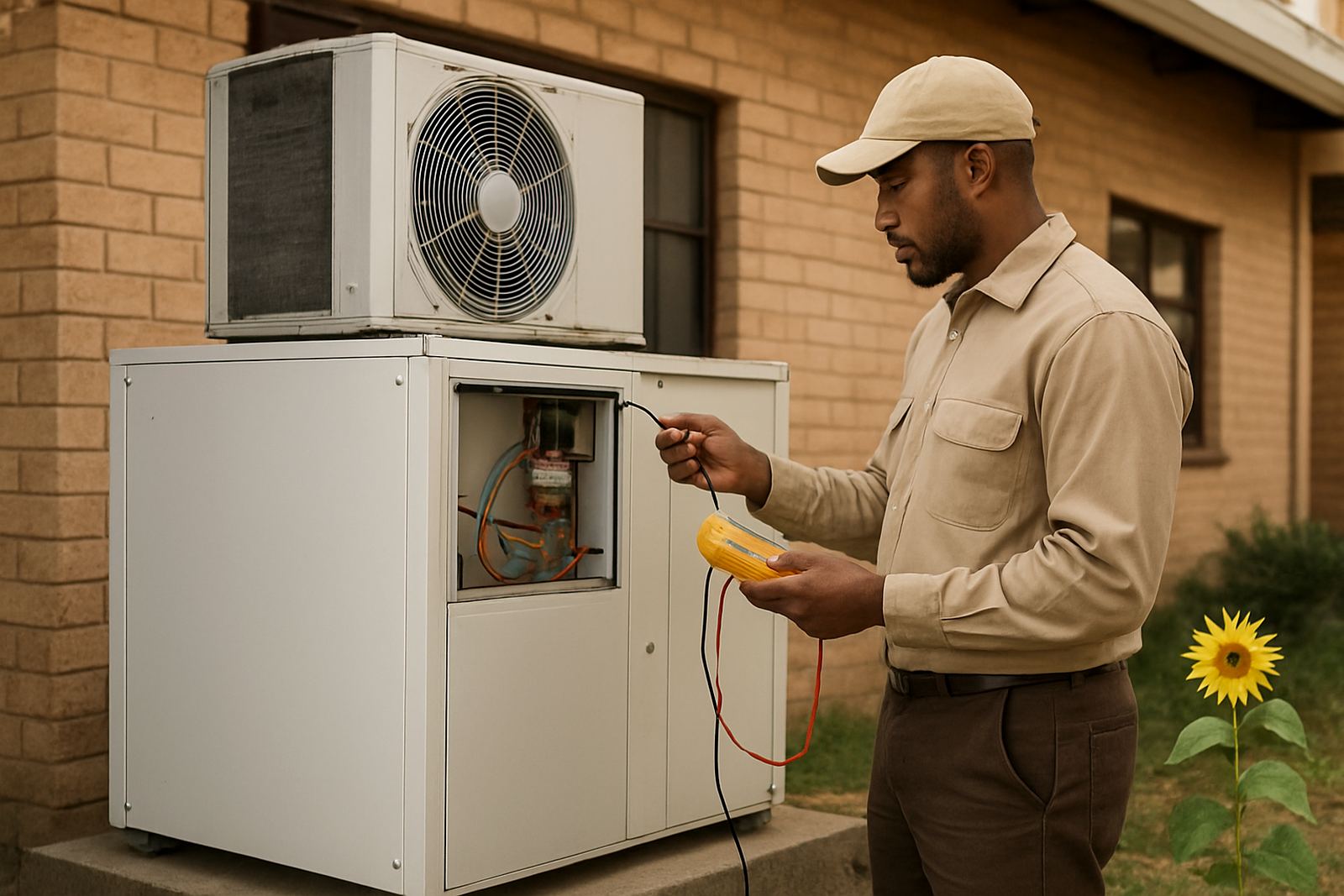
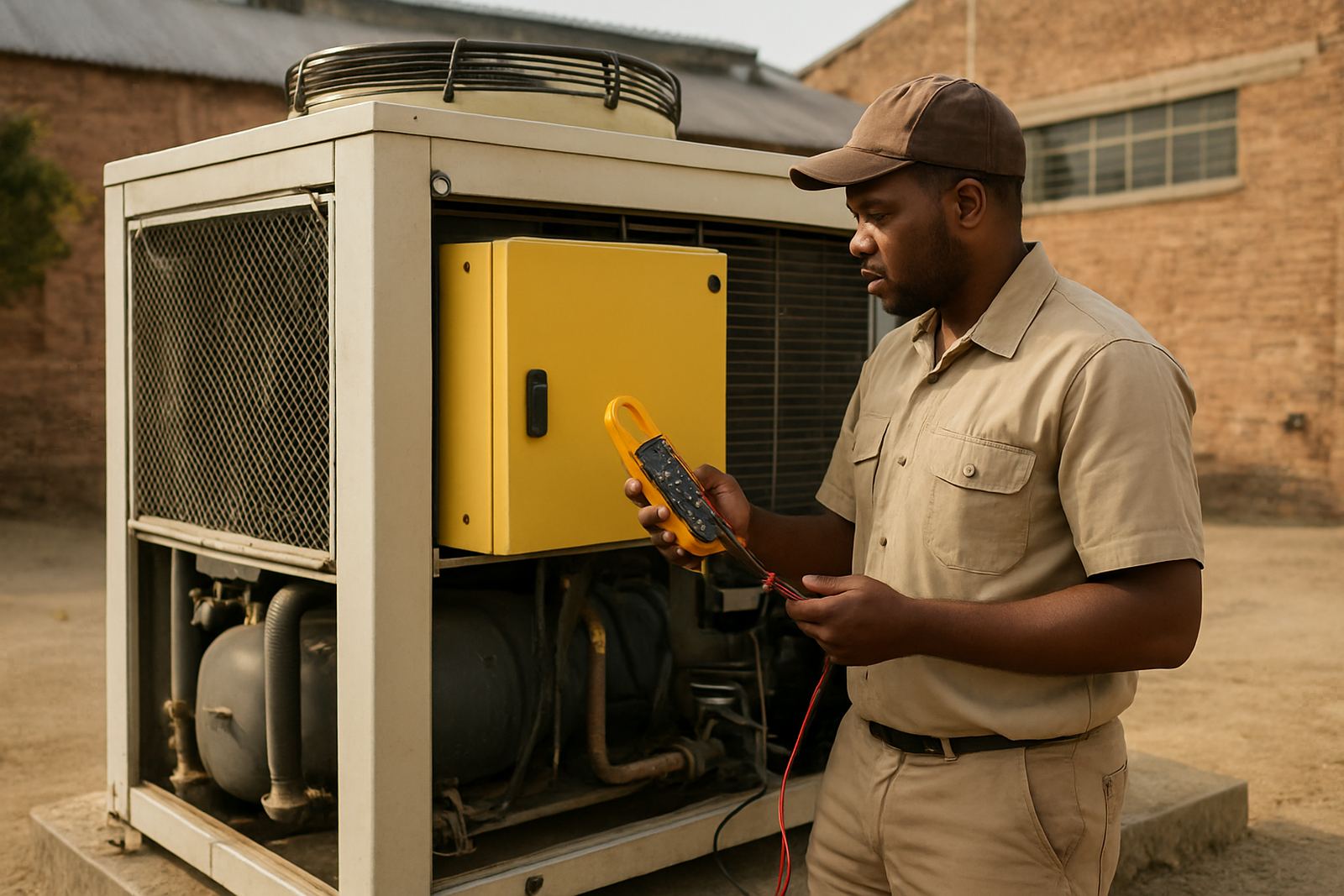
We started with a full fault check on the cold room circuit, including the evaporator, fans, drains, controls and refrigerant side. The signs pointed to a coil that had reached the point where spot repair would only buy time. On a room that must cycle properly day after day, that is not enough.
Why the old coil had to come out
The site had already been dealing with load-shedding related interruptions and the extra starts and stops had put more strain on the system. Addo can also be hard on cold room equipment because packstore floors see dust, humidity and frequent door opening. That mix causes coil buildup, airflow loss and eventually a drop in cooling capacity.
We found a few constraints that shaped the job. The room held perishable stock that had to stay within safe range, access space was tight, and the client needed a short downtime window. There was also the practical matter of keeping the refrigeration set-up compliant with current refrigerant handling practices and making sure the plant would be easier to maintain after the repair.
- Tight access around the evaporator and pipework
- Product had to stay inside the cold chain
- Work had to fit around dispatch windows
- Cooling performance needed to improve, not just recover
We advised against patching the coil because the fins, tubes and airflow paths were too compromised for a lasting result. In a packed produce room, a weak fix can turn into another emergency inside a few weeks and that is money lost twice.
What Nvirocool supplied and replaced
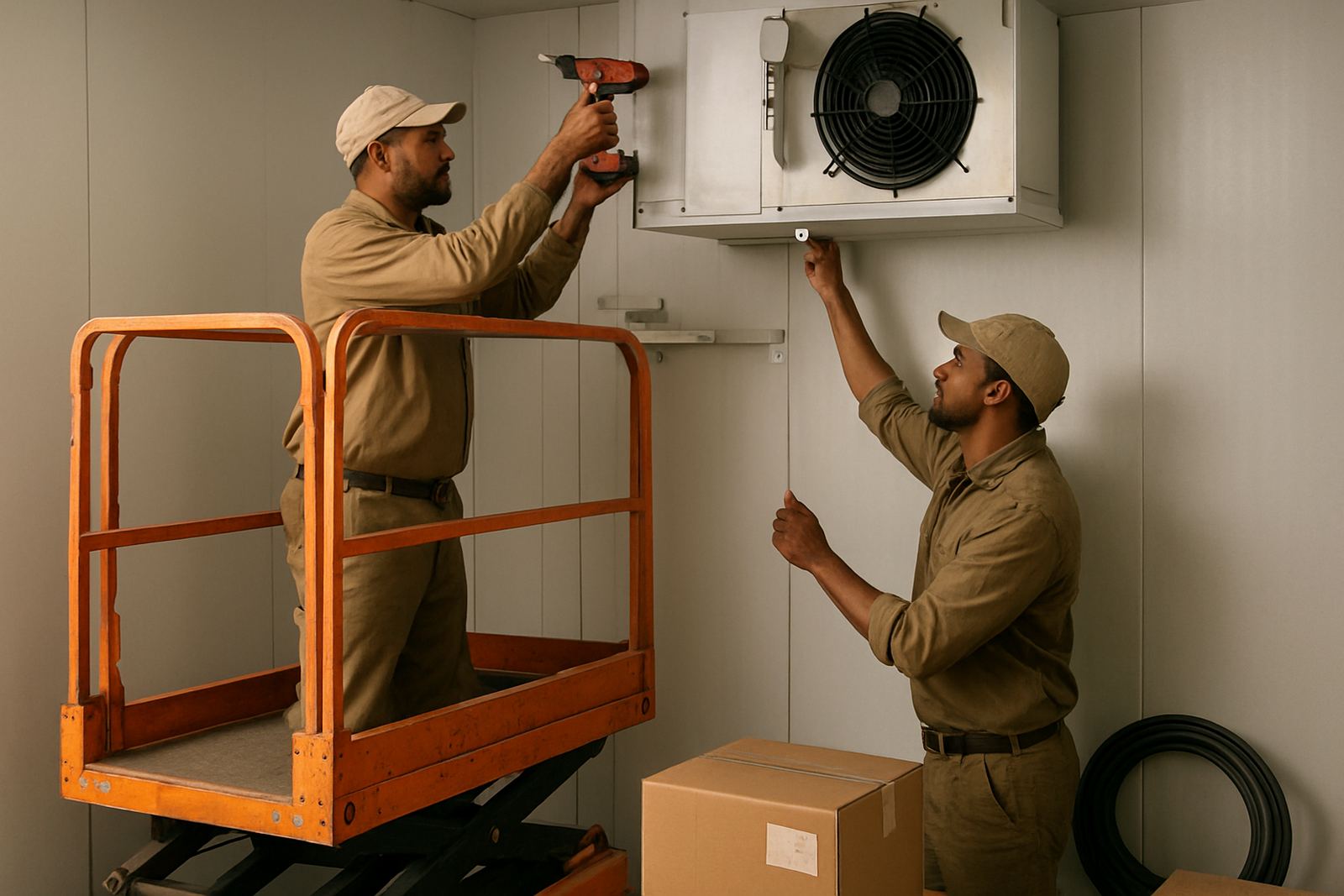
Our team supplied a replacement cold-room evaporator coil matched to the room size and duty, along with new mounting supports, refrigerant line connections, seals and consumables needed for a clean changeover. We also checked fan motors, electrical terminations and the drain arrangement so the new coil would not inherit old problems.
The replacement was done by Siyabonga Mthembu, with Ruan Smit overseeing the retrofit sequence and site coordination. Before recommissioning, we pressure-tested the circuit, checked for leaks, verified electrical draw and confirmed that the control settings would not overrun the room. We also cleaned the surrounding coil compartment so airflow would not be restricted by dust or crop residue.
- Emergency coil replacement and installation
- Pressure test and leak detection
- Electrical and fan inspection
- Control reset and temperature verification
- Drain and condensate flow check
The refrigerant circuit was recharged and stabilised carefully, with attention to the room pull-down rate. We do not rush that step because a fast fill without proper checks can leave you with an unstable system and uneven product temperatures.
Timeline from call-out to stable temperatures
The full job took two weeks from first call-out to stable operation. The first day covered fault finding, stock protection steps and the decision to replace the coil. During the second week we handled supply, removal, installation and recommissioning. The final stage was monitoring and adjustment while the room returned to normal loading.
That turnaround mattered because the client needed a practical result, not a long discussion. We kept the communication tight through Ayabulela Ndlovu and Yolanda Jacobs, so the site team knew when to hold loading, when to resume and what readings to watch.
- Week 1: inspection, fault confirmation and job planning
- Week 2: coil replacement, testing and recommissioning
- Final checks: temperature hold, defrost cycle and airflow review
By the end of the job, the room was pulling down properly again and holding stock at a steadier temperature. The client could dispatch packed produce without the same worry about warm spots or unstable overnight temperatures.
Results for the packstore operation
The repaired cold room restored safe storage conditions and gave the site a more reliable base for daily packing and dispatch. The most immediate benefit was product protection. Once the room was back in range, stock stayed in spec longer and the team could manage dispatch with less panic around temperature drift.
There was also a maintenance benefit. Because the replacement coil was selected and fitted with future servicing in mind, the room is now easier to clean and inspect. That helps with energy use too, because a clean and well-matched coil runs with better airflow and shorter running periods.
- Temperature stability returned after recommissioning
- Product risk reduced during peak handling periods
- Better airflow improved cooling recovery
- Ongoing maintenance access became easier
For the client, the job was not only about fixing a failure. It was about getting the storage side of the business back to something dependable, especially when pack schedules are tight and there is little room for downtime.
What we would do again on a similar site
If we faced the same kind of call-out in Addo again, we would take the same approach: confirm the fault quickly, protect stock first and replace tired parts rather than chasing repeat breakdowns. On packstore sites, that usually gives the best value over the year.
We would also recommend a regular planned maintenance programme with coil cleaning, temperature monitoring and quarterly checks on door seals, drain lines and defrost settings. In the Eastern Cape, where humidity, dust and power interruptions can all affect refrigeration performance, those small checks make a real difference.
- Quarterly cold-room inspections
- Coil cleaning before heavy season demand
- Temperature logging and alarm checks
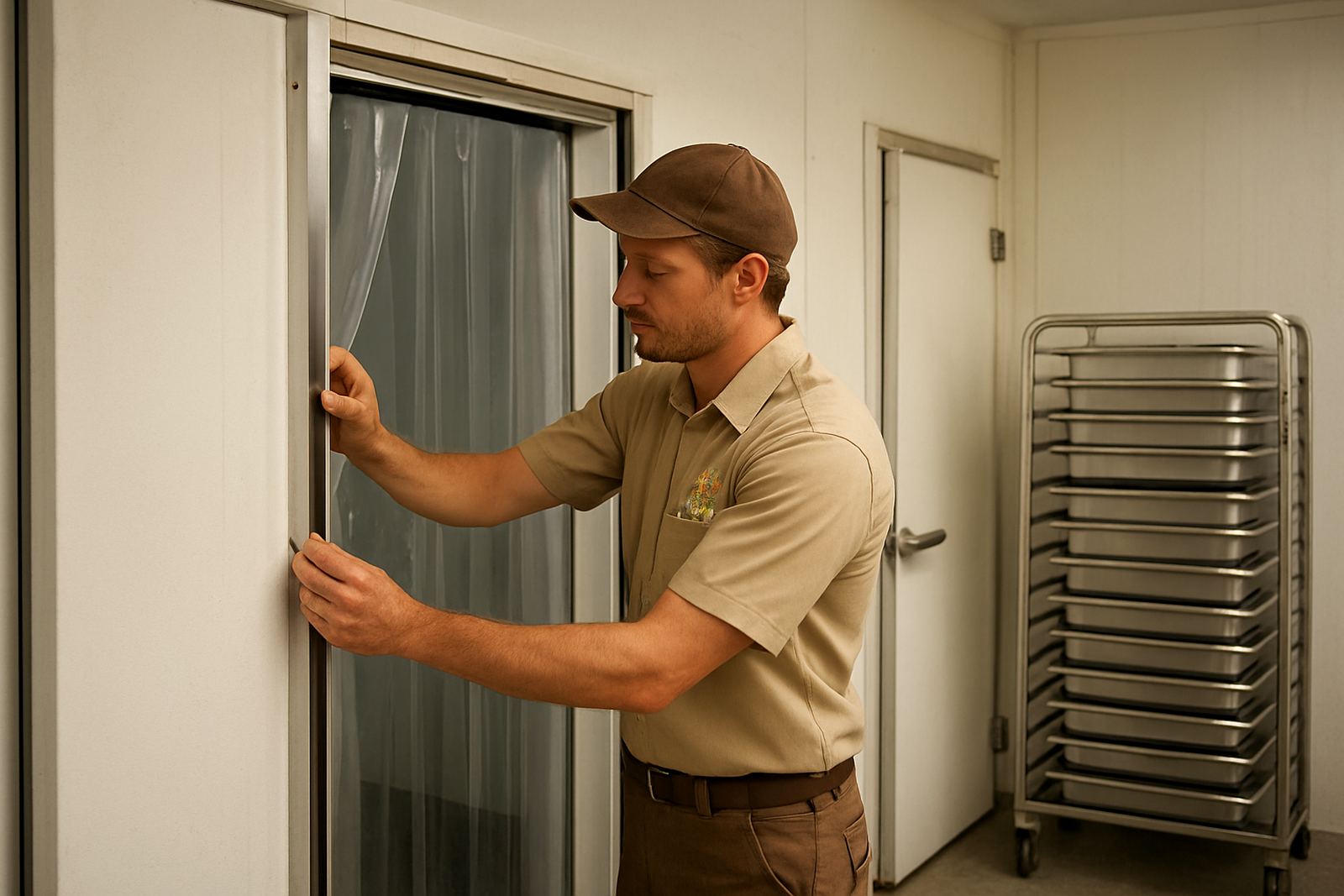
- Review of door seals and loading habits
For packstore clients in Addo, Gqeberha, Despatch and nearby farming areas, the lesson is simple. If a room starts losing temperature control, deal with it early. Once the coil is past its useful life, a planned replacement is usually the safer and more cost-effective option.
Key facts
| Project | Addo Packstore Repair |
|---|---|
| Client type | Packed produce storage operation |
| Town | Addo, Eastern Cape |
| Scope | Emergency cold-room coil replacement and recommissioning |
| Timeline | 2 weeks |
| Outcome | Stable storage temperatures restored for packed produce stock |