What the lodge needed from the coolroom
The site was a hospitality property in Humewood, Gqeberha, serving guests through a heavy holiday period with long trading hours and frequent door openings. The coolroom was still operating, but the client was dealing with uneven temperatures, frost build-up around the doorway, and a compressor that was working harder than it should. That meant higher electricity use and more risk to chilled stock at the exact time the kitchen could least afford a failure.
The brief was simple enough on paper: improve reliability, cut energy loss, and keep the room usable without taking the hospitality operation offline. There was no room for a long shutdown, and the client also needed work that could be done around meal service and housekeeping access. We carried out a site inspection, checked the door seals, recorded the temperature cycle, tested the controls, and looked for air leaks and heat gain points that were pushing the system beyond normal load.
Site conditions and constraints in Humewood
Being close to the coast meant the coolroom was dealing with warm humid air, which makes door losses and condensation worse. Every time the door opened, moist air entered the room and frost started building on the evaporator and around the threshold. That reduced efficiency and forced the system into longer run times. In a place like Humewood, you also have salt in the air, so fittings and exposed components need to be checked properly, not just wiped down and left.
We also had to work around a live hospitality environment. Noise had to be kept down during service periods, access had to remain clear for staff, and the client wanted the room kept in use while repairs were completed. Load-shedding risk was part of the picture too, so we made sure the controls and restart sequence were checked for safe recovery after power interruptions. A coolroom can lose a lot of cold in 2 or 3 hours if a door seal is poor or the alarm settings are not right, especially when the ambient temperature climbs.
- Town: Humewood, Gqeberha
- Facility type: hospitality lodge coolroom
- Operating pressure: peak-season daily use
- Main issue areas: door seal loss, frost, short cycling and high energy draw
Repairs, sealing and control work completed
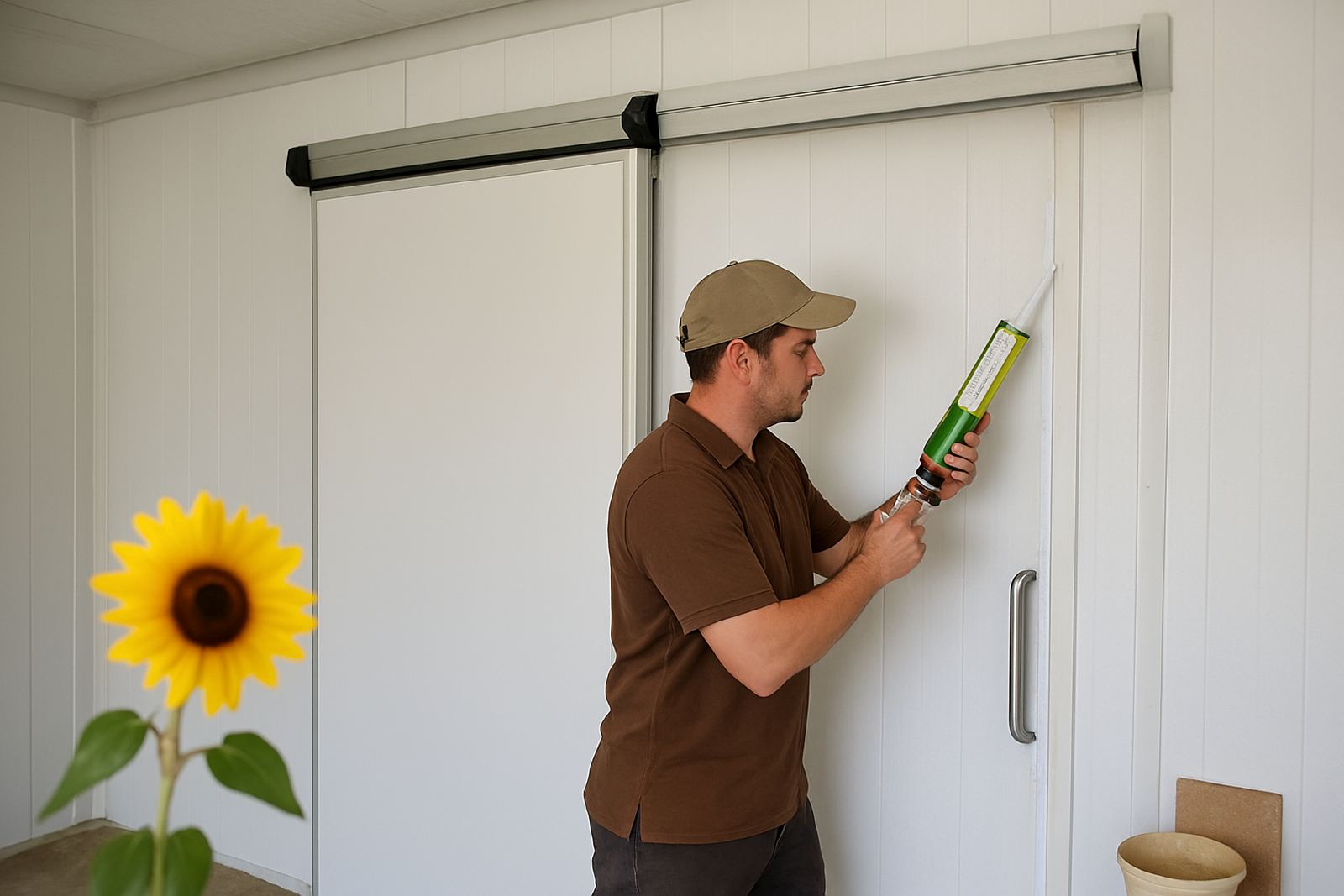
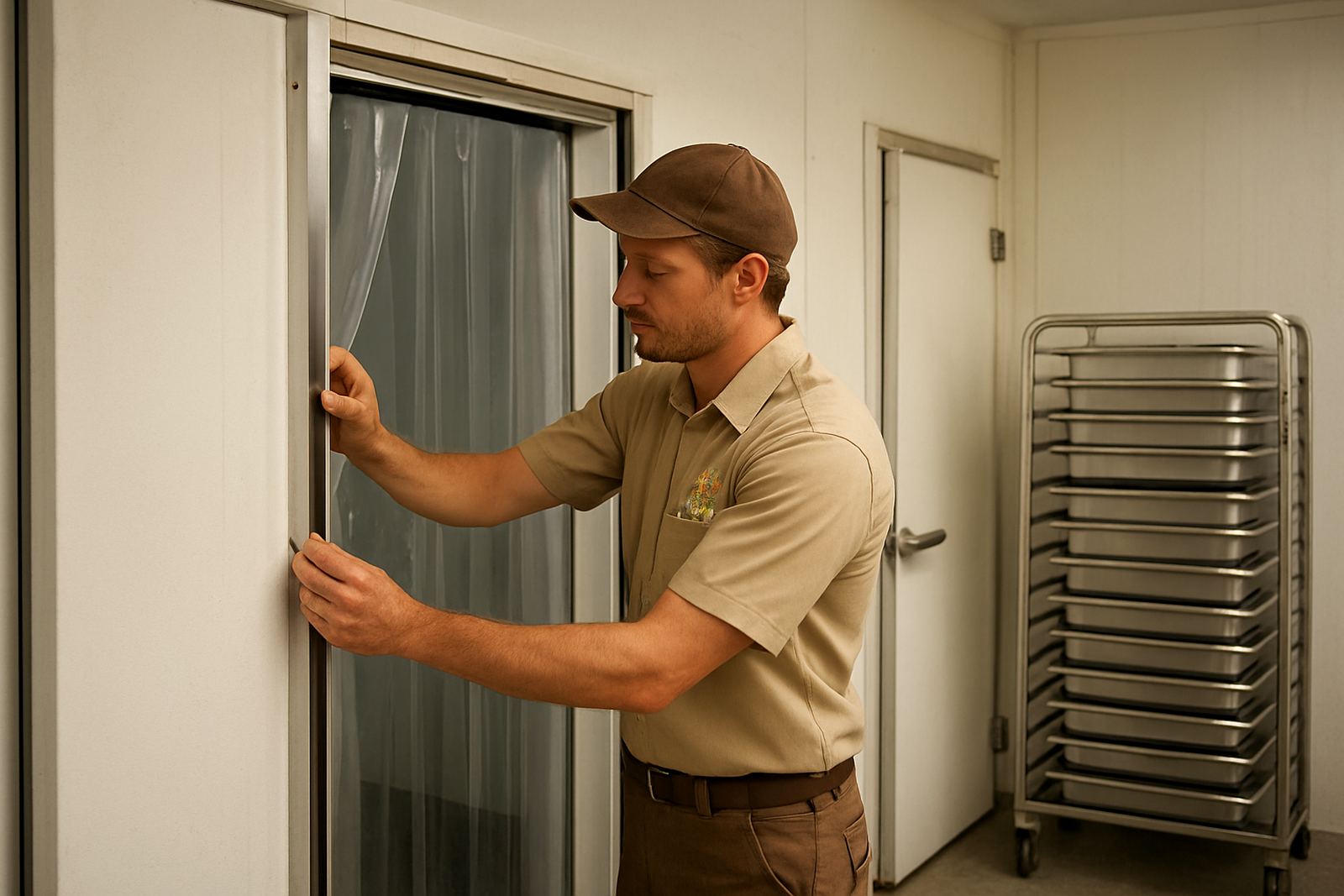
We started with fault finding and then moved into the physical repairs. The door gasket set was renewed where it had flattened and split, and the closing action was adjusted so the door pulled tight across the full perimeter. The frame and threshold area were cleaned, resealed where needed, and checked for gaps that were letting warm air in. We also cleaned the evaporator coil and cleared the drain route so water was not sitting and re-freezing at the base of the unit.
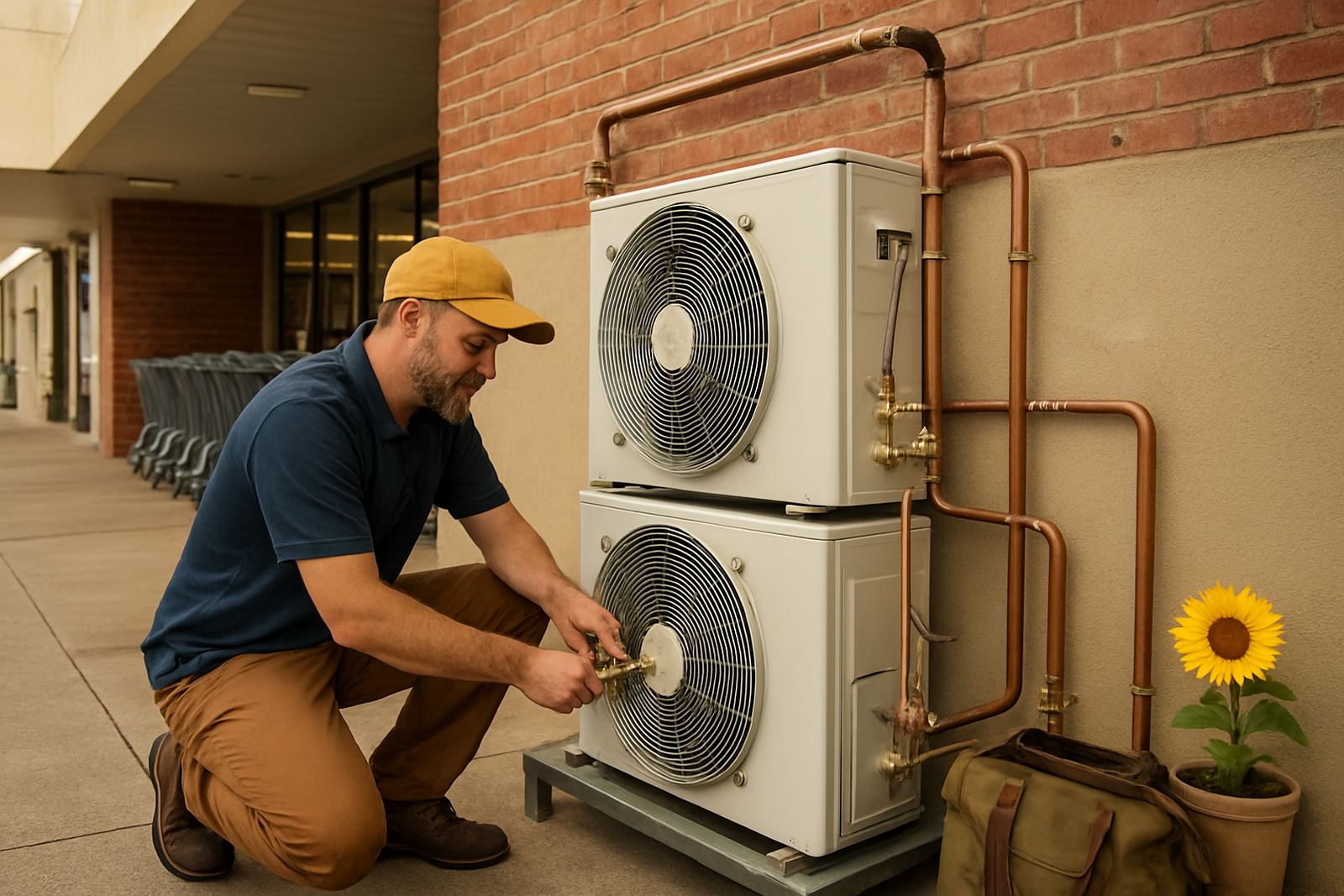
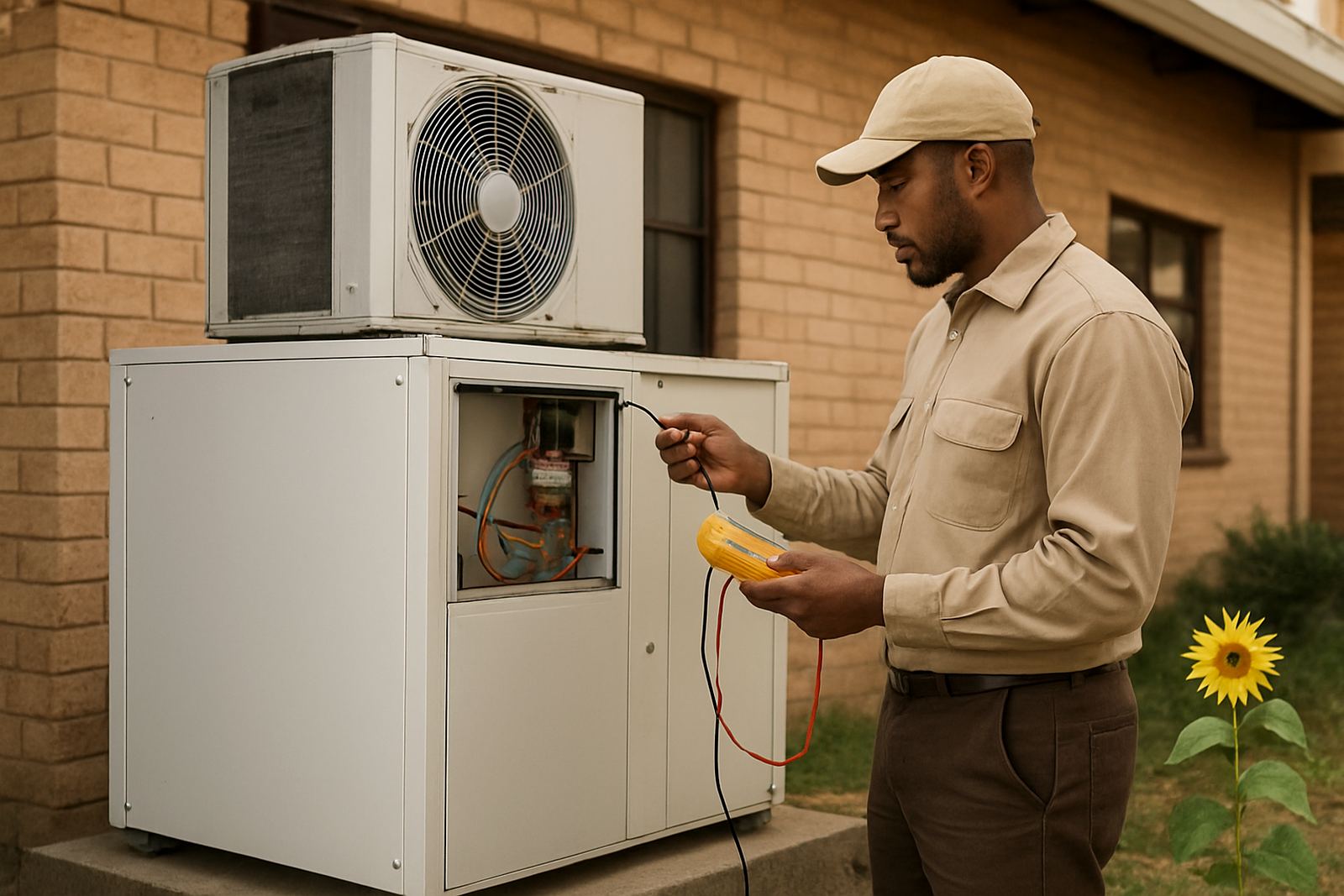
On the refrigeration side, we inspected the gas charge, checked for leakage points, and tested the thermostat and control sequence. The controller settings were reviewed so the room was not overcooling then recovering in a heavy cycle. In a setup like this, a few degrees of unnecessary pull-down can waste power all day. We also checked fan operation, contactor condition, and sensor placement to make sure the readings reflected the actual product area rather than a false cold spot near the coil.
- Door seals replaced and compression adjusted
- Threshold and frame gaps sealed
- Evaporator coil cleaned and drain cleared
- Controls checked and set for steadier cycling
- Leak points inspected and gas levels verified
Timeline and working method
The full job was completed over 2 weeks from first inspection to final sign-off. Week one covered diagnostics, parts selection and the first round of repairs so the room could keep operating. Week two covered follow-up testing, final adjustments, and a return visit after the room had been through a normal service cycle. That second visit matters, because a coolroom can look fine straight after repair but still show problems once staff start opening the door every few minutes.
We kept the plan practical. The lodge team was updated before each visit, and work was scheduled around kitchen and housekeeping peaks. Where we could, we worked in short windows rather than long shutdown blocks. That saved the client from having to move stock offsite or bring in temporary refrigeration. It also meant the final commissioning could be checked under real conditions, which is the best way to see if the room is holding temperature properly or just looking good on paper.
Results during the busy season
Once the seals were corrected and the controls stabilised, the room held temperature more evenly and the compressor stopped running so aggressively. The client reported less visible condensation at the doorway, less frost around the seal line, and a smoother daily routine for staff. Energy loss was reduced because the room was no longer fighting warm air entry every time the door was opened. That made a real difference during peak season when guest turnover and kitchen demand were both high.
The key result was not just lower power use, but better confidence in the coldroom itself. Hospitality teams do not want surprises from a room that should be simple and dependable. After the repair work, the lodge had a cooler that could handle the pressure of a full house without constant attention. For us, that is the measure of a proper fix: fewer call-backs, steadier temperatures, and no panic when the heat rises or the power blips.
What we would repeat on a similar job
If we were called to another lodge or guest property in the Eastern Cape with the same kind of issue, we would repeat the same approach: check the door first, test the controls second, and only then focus on refrigeration components. In many cases the biggest energy losses are not hidden in the compressor at all, they are at the door, the seals, and the way the room is being used day to day. Fix those basics and the rest of the system usually settles down.
We would also keep the follow-up visit in the plan from the start. In a coastal town like Gqeberha, humidity changes quickly and a room can behave differently once staff are back in full swing. Our team would recommend routine planned maintenance, monthly temperature monitoring and a quick seal check before every busy period. That kind of discipline saves power, protects stock, and extends the life of the equipment without turning it into a big capital expense.
Key facts
| Project | Humewood Lodge coolroom repairs |
|---|---|
| Location | Humewood, Gqeberha |
| Client type | Hospitality lodge |
| Duration | 2 weeks |
| Main works | Door sealing, leak checks, coil cleaning, controls adjustment |
| Outcome | Lower energy loss and steadier coolroom temperatures |