The brief from the mortuary team
The client was a long-running funeral facility in Graaff-Reinet serving families across the Central Karoo. Their refrigeration cabinets were still running, but they were becoming unreliable, drawing more electricity and needing repeated attendance for alarms, temperature drift and worn parts. The team wanted a practical upgrade that would keep their holding temperatures steady and reduce the chance of breakdowns during busy periods.
The brief was straightforward: improve cabinet performance without turning the room into a building site. The facility had limited spare space, strict working hours and no appetite for unnecessary shutdowns. We were asked to assess the existing equipment, advise on what could be retained, and complete the upgrade in a way that suited the building, the staff routine and the local supply conditions in Graaff-Reinet.
- Town: Graaff-Reinet, Eastern Cape
- Client type: funeral facility with mortuary cabinets
- Problem areas: temperature drift, repeated call-outs, high running costs
- Goal: better reliability with less power draw
Site constraints and operating conditions
Mortuary refrigeration is unforgiving. If a cabinet does not hold its set point, the whole operation feels it quickly. In this case, the challenge was not only age-related wear but also the realities of a Karoo site. Graaff-Reinet's winter nights and the facility's early morning viewings put extra strain on the old cabinets, while load shedding and voltage variation added another layer of risk.
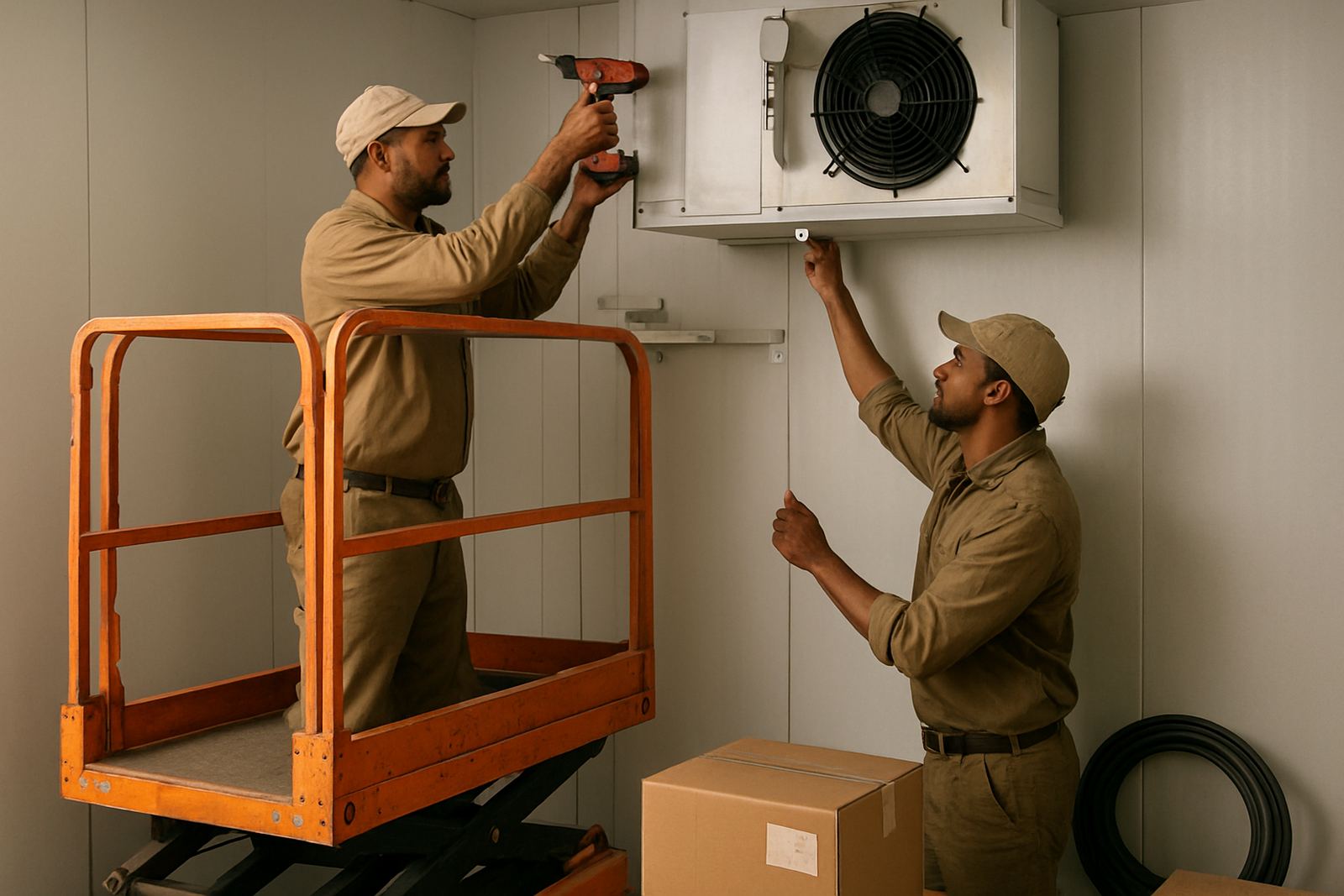
We also had to work around access limitations. The refrigeration area was compact, there was little room for staging parts, and the client needed one cabinet to stay in service for as long as possible. That meant careful sequencing, short shutdown windows and a clean handover after every step. The building team asked that we keep dust, packaging and waste under control, so we planned the work room by room and day by day.
- Limited plant-room space for tools and removed parts
- Need to keep part of the facility operational during the works
- Local power interruptions and voltage swings
- Strict housekeeping around a sensitive client environment
What we supplied and installed
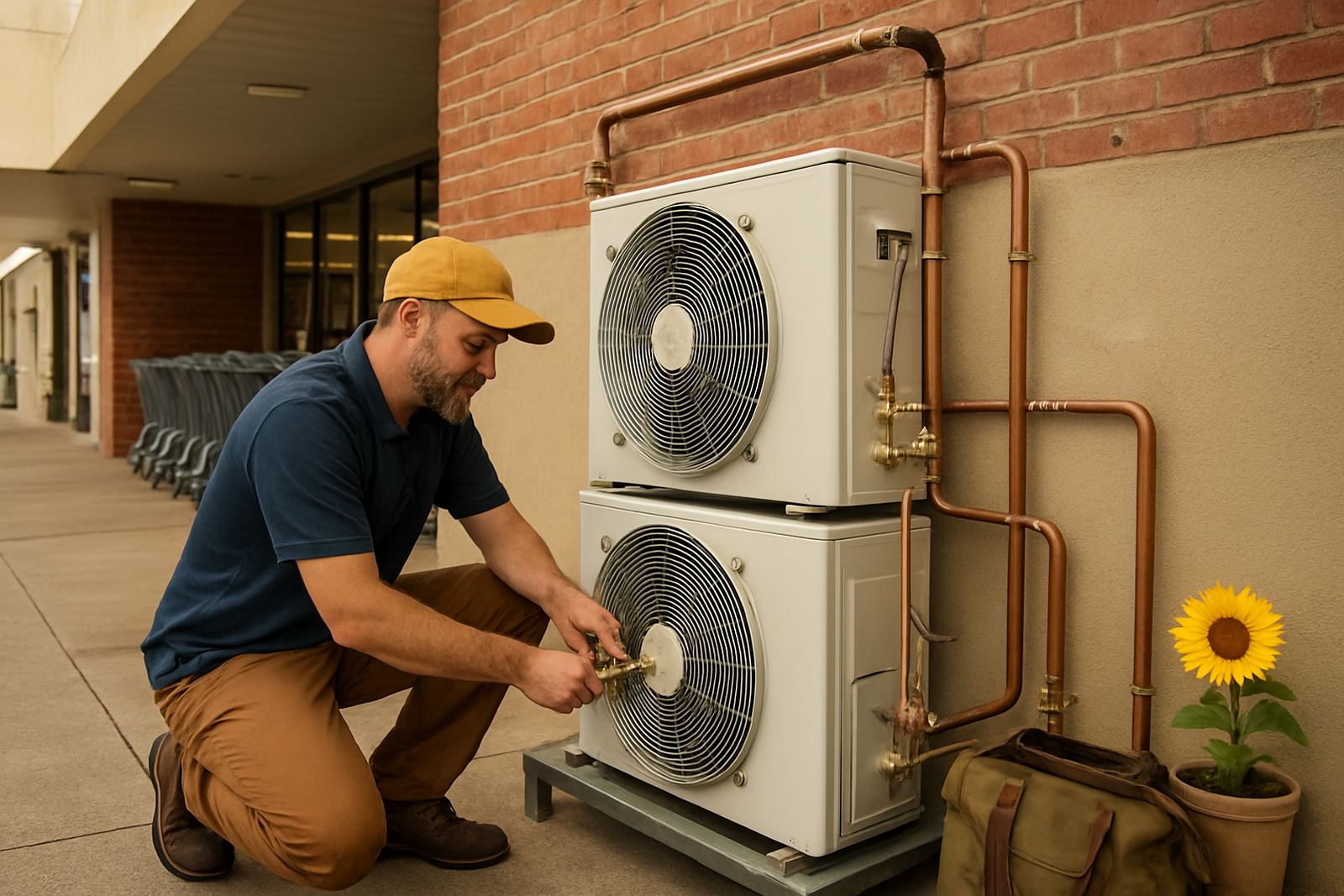
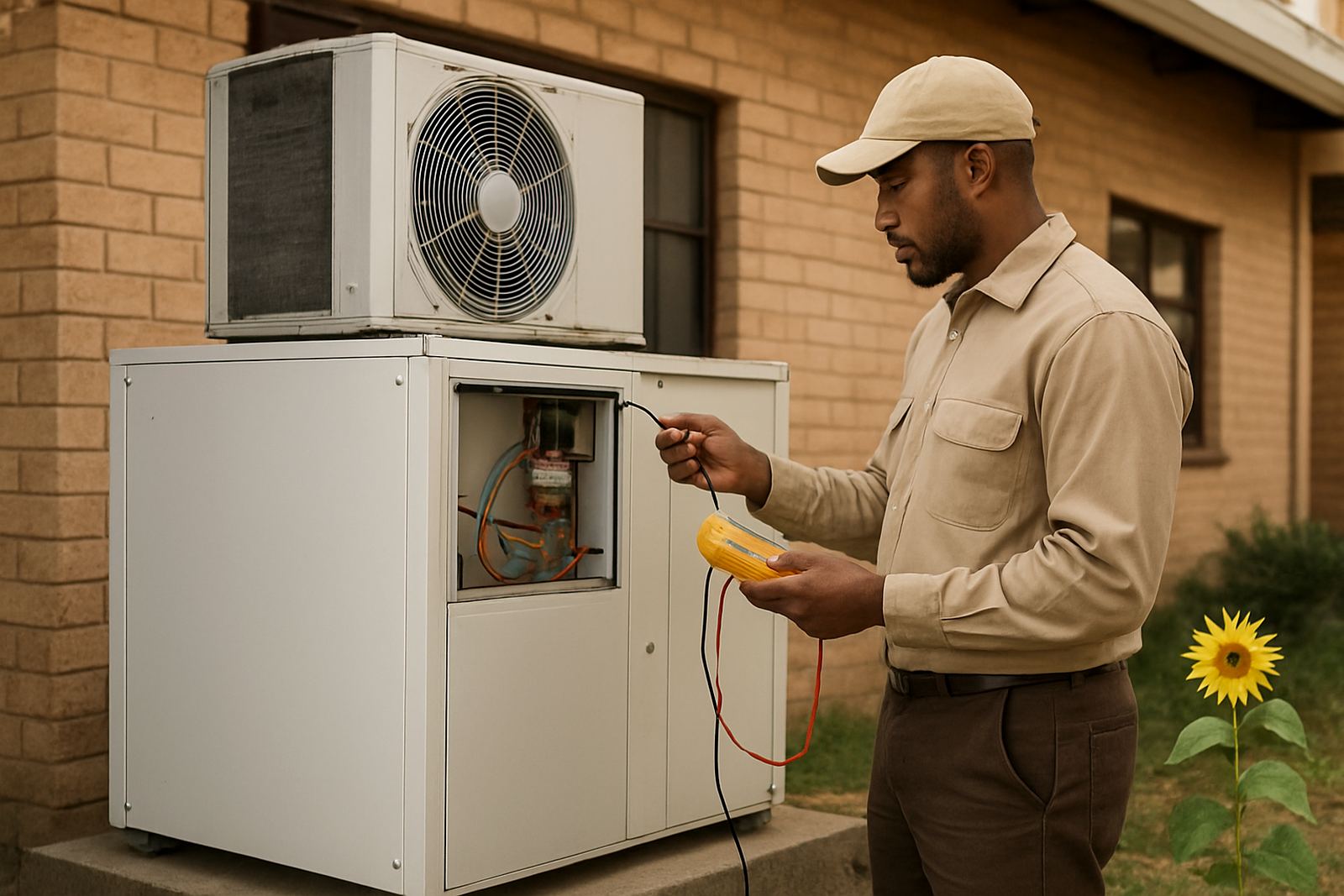
Nvirocool carried out a full condition check on the cabinet refrigeration system, then supplied the parts needed to bring it back to dependable service. We renewed the cabinet controls, replaced worn electrical items, cleaned the heat exchange surfaces and checked the refrigerant circuit for leaks and pressure stability. Where components were still serviceable, we kept them in place to control cost and avoid unnecessary waste.
The upgrade included control improvements for tighter temperature management, new monitoring points for quicker fault finding and a service reset on the cabinets so future maintenance would be easier. We also corrected airflow issues around the coil area, which had been contributing to uneven cabinet performance. In a mortuary setting, a small airflow problem can become a recurring one, so it was worth dealing with properly the first time.
- Cabinet control upgrades and electrical renewal
- Heat exchange cleaning and airflow correction
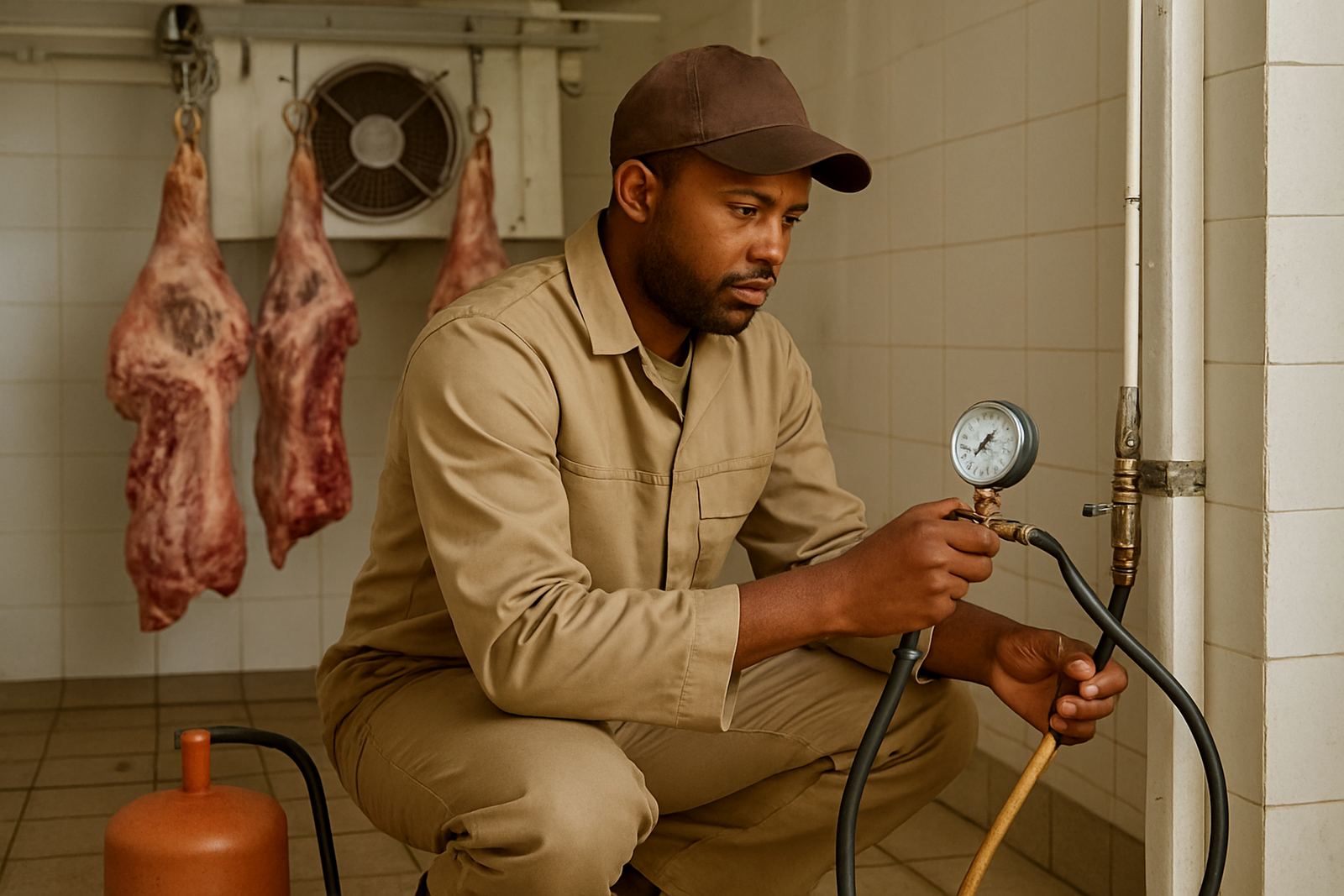
- Leak check, pressure test and operational verification
- Temperature monitoring setup for routine checks
Project timeline in Graaff-Reinet
The project ran over 6 weeks from first inspection to final sign-off. Week 1 was for site assessment, temperature logging and parts identification. Week 2 covered procurement and scheduling around the client's operating hours. Weeks 3 and 4 were the main installation period, with the work split so the facility could keep operating. Week 5 was for testing, correction and repeat checks after each cabinet cycle. Week 6 covered handover, staff walk-through and a service plan for ongoing maintenance.
That staged approach mattered. It gave the client time to see what had changed, ask questions and confirm that each cabinet was behaving as expected before we left site. It also reduced the risk of having too many variables at once. We prefer that in sensitive refrigeration work, because you can isolate a fault quickly if every change is recorded and tested one at a time.
- Week 1: assessment and logging
- Week 2: ordering and planning
- Weeks 3 to 4: installation and corrections
- Week 5: temperature verification
- Week 6: handover and maintenance plan
Results after the upgrade
Once the renewal was complete, the cabinets pulled down faster, held temperature more steadily and needed fewer attendance calls from staff. The client noticed less cycling noise, cleaner running and more predictable readings through the day. For a mortuary, that kind of consistency is what matters most. It means the team can focus on people rather than worrying about whether a cabinet is drifting out of range.
Power use also improved. By correcting control settings, cleaning the coil surfaces and removing inefficiencies in the refrigeration circuit, the system no longer had to work as hard to do the same job. That does not only lower the electricity bill. It also takes pressure off the compressors and electrical components, which should help stretch service intervals and reduce the chance of another costly breakdown.
- More stable cabinet temperatures
- Fewer emergency call-outs
- Lower running costs through better efficiency
- Improved confidence for staff on duty
What we would do again
We would repeat the same approach on similar sites across the Eastern Cape: log first, upgrade in stages, and keep the client informed at every step. In a mortuary environment, the right answer is not always a full replacement. Sometimes a careful renewal, some control work and proper maintenance planning gives the best balance of cost, reliability and long-term value.
For this project, the main lesson was that small issues compound quickly when cabinets are older and the site is under pressure. If the maintenance team can spot drift early, clean coils on time and schedule checks before peak use periods, the system stays in better shape. We would also keep the same emphasis on monitoring because it gives the staff a quick warning before a problem becomes a call-out.
Nvirocool continues to support refrigeration clients in Graaff-Reinet, Gqeberha, Uitenhage, Despatch, Jeffreys Bay and Port Alfred with planned maintenance, emergency breakdowns, cold room repairs, chiller servicing, low-GWP conversions, leak detection, energy audits, coil cleaning, control upgrades and temperature monitoring.
Key facts
| Project type | Mortuary cabinet refrigeration upgrade |
|---|---|
| Town | Graaff-Reinet, Eastern Cape |
| Duration | 6 weeks |
| Main outcome | Improved reliability and fewer call-outs |
| Key work | Control upgrades, coil cleaning, leak checks, monitoring |
| Efficiency gain | Reduced power draw through corrected system performance |