Why the store asked for the upgrade
The client was a busy supermarket in the St Georges area of Gqeberha, serving steady foot traffic and high turnover in dairy, meat and prepared foods. Their existing backup refrigeration arrangement was giving trouble during power dips and planned outages, with chilled stock holding areas taking too long to recover once supply returned. In summer the problem got worse, especially on warmer coastal days when the plant was already working hard.
The brief was simple enough on paper, but tight in practice. The store needed better protection for stock, less downtime, and a backup package that could handle local load-shedding without upsetting trading hours. There was also limited plant space and a need to keep the public areas open while work was carried out. Any solution had to suit municipal expectations on noise, drainage and safe service access, while still being easy for the store team to live with day to day.
What we found on site before starting
Our first visit showed an ageing refrigeration setup with uneven load sharing, tired controls and a few weak points around valves, sensing and airflow. The backup arrangement had been added over time, so it was functional but not well matched to the store's actual demand profile. Some circuits recovered quickly, while others lagged and pulled temperatures out of range for longer than they should have. That is never ideal when fresh food has to stay within tight limits.
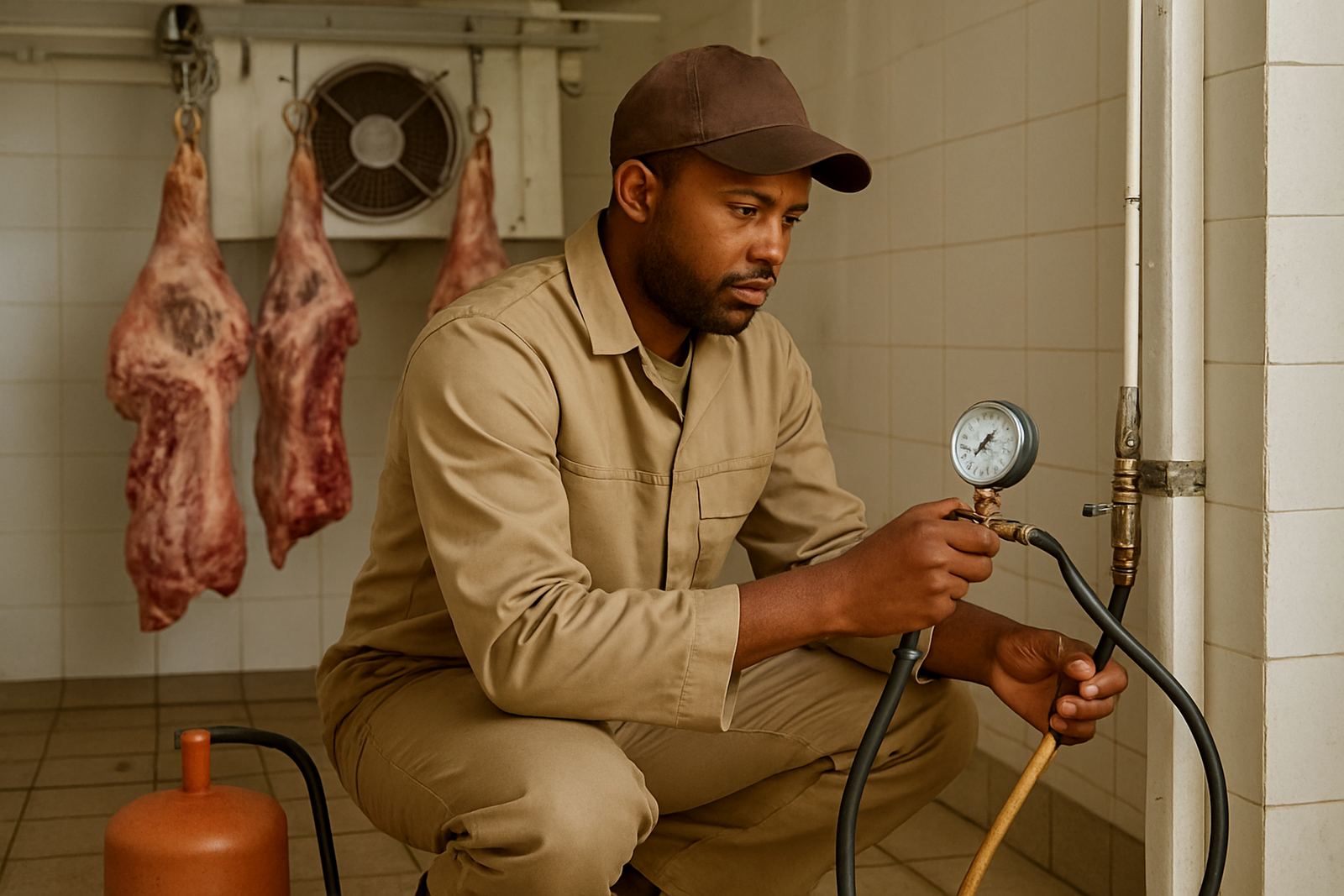
We checked the installation in service conditions, including door opening patterns, ambient heat gain and the way the chilled stock holding rooms were used after deliveries. We also looked at the electrical side and the condition of pipework, isolators and supports. The site had enough room for a cleaner layout, but only if the new package was planned carefully and brought in with the right lifting sequence. We noted a few pressure losses and coil fouling points that would have kept dragging the system back if left alone.
- Uneven temperature recovery after outages
- Old control logic with limited alarm visibility
- Restricted plant room space and live trading on site
- Coastal humidity increasing coil and terminal wear
The package we supplied and installed
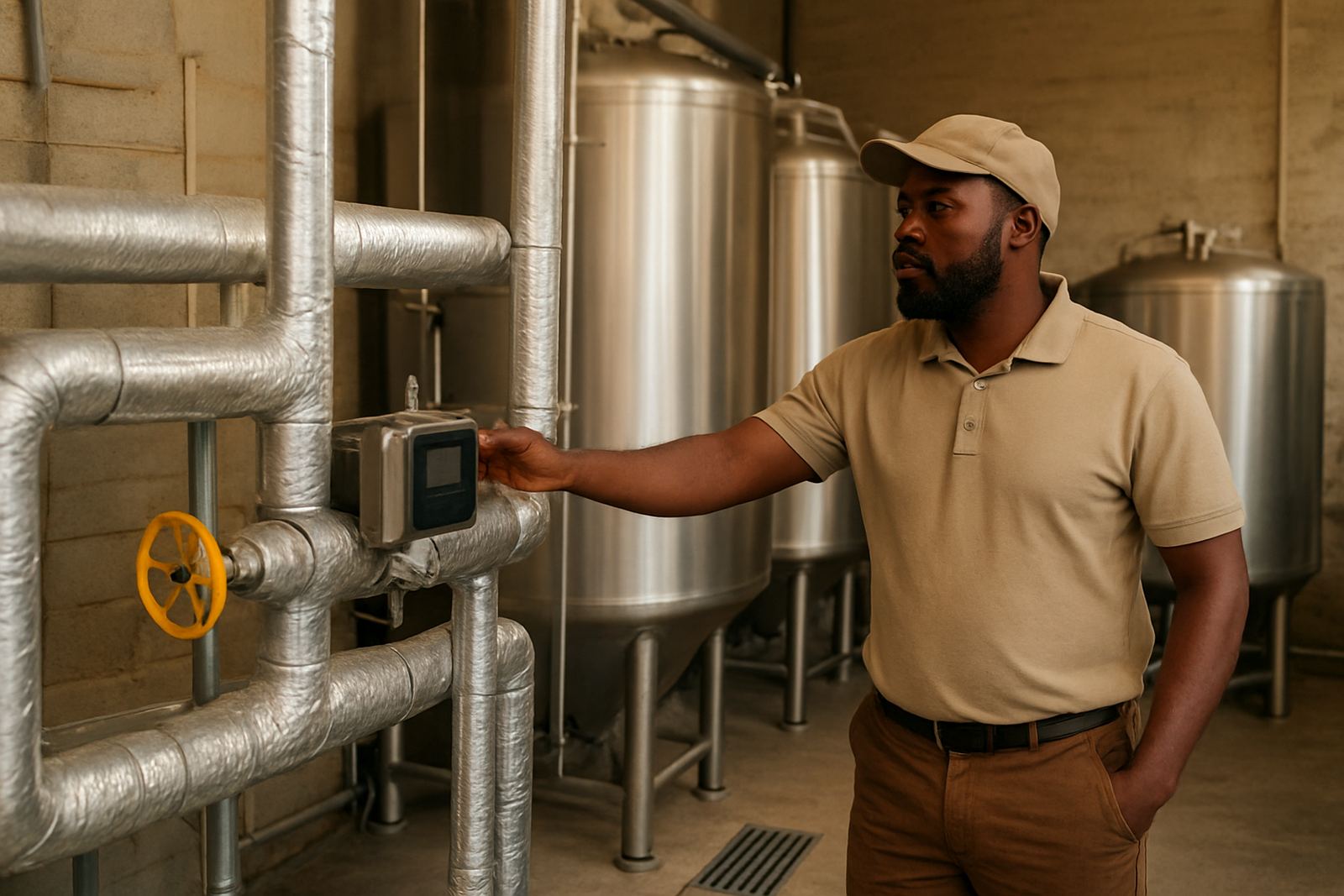
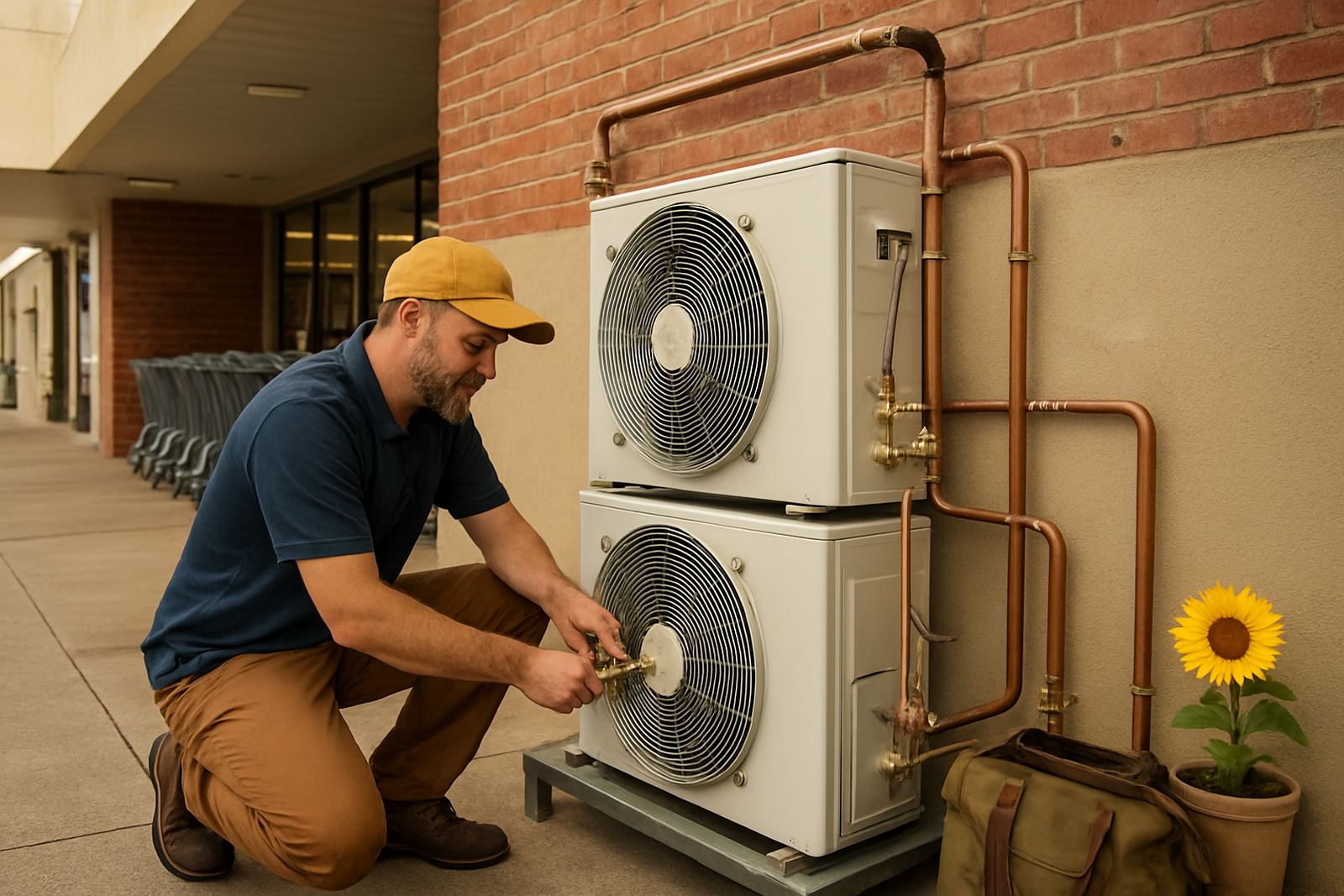
Nvirocool supplied a supermarket back-up refrigeration package built around a higher-efficiency condensing arrangement, updated controls and improved monitoring. The aim was not to make the plant look fancy, it was to make it hold temperature properly when the grid was unstable. We reworked the control strategy so the backup plant could come on cleanly, recover faster and avoid unnecessary cycling. In simple terms, it now behaves like part of the system rather than a last-minute add-on.
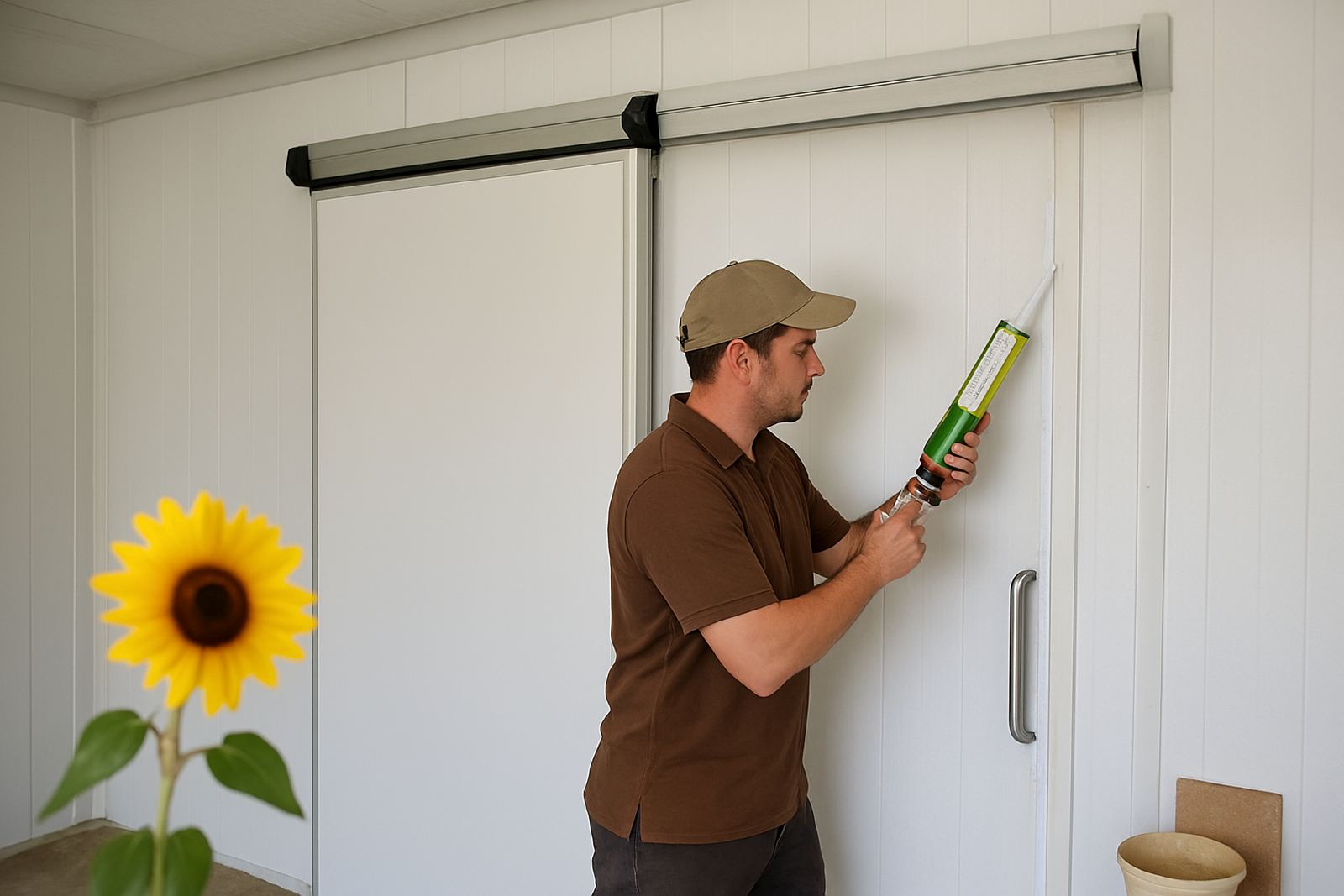
We carried out the installation in stages so trading could continue. That included isolating sections at planned times, changing out worn components, rerouting selected services and setting up the new control interfaces. The upgrade also included leak checks, temperature sensor calibration, coil cleaning on affected sections and adjustments to airflow where product loading had been restricting performance. Because energy use was part of the brief, we set the new equipment up to avoid wasteful overrun and to reduce the load during the most expensive operating hours.
- Backup refrigeration package with updated sequence control
- Low-GWP refrigerant conversion on the affected circuits
- Leak detection and pressure integrity testing
- Control upgrades with clearer alarm points
- Temperature monitoring for chilled stock holding areas
Work carried out over three weeks
The project ran over three weeks from mobilisation to final handover. Week one covered site setup, strip-out of the worst-performing items and confirmation of the final layout. Week two was the main installation window, including mechanical connections, control wiring and testing of the changed refrigeration sequence. Week three was used for commissioning, fault finding and staff familiarisation. That last part matters, because a store team needs to know what normal looks like and what to report straight away.
During commissioning we watched the system through start-up, pull-down and recovery after simulated outage conditions. We also checked how quickly temperatures returned to set point after door openings and delivery peaks. The final settings were trimmed so the plant would stay steady without hunting up and down. There were a couple of small teething issues, mostly around sensor positioning and a relay setting, but those were sorted on the spot before sign-off.
- Week 1: survey, planning and partial strip-out
- Week 2: mechanical install and controls integration
- Week 3: commissioning, testing and handover
The results for the chilled stock areas
Once the upgrade was live, the supermarket had a more dependable refrigeration back-up arrangement and much better temperature recovery after interruptions. The chilled stock holding areas stayed steadier through load-shedding events, and the store team had more confidence that product would stay within range during busy trading periods. Energy use also improved because the plant no longer had to work against old inefficiencies that were costing money every month.
The client noticed the difference in daily operation pretty quickly. Fewer urgent callouts were needed, alarms were easier to interpret, and maintenance staff had a clearer picture of what the system was doing. That makes a real difference in Gqeberha, where a hot spell or a long outage can expose weaknesses fast. We also reduced the risk of spoilage by improving response time after power restoration, which is where a lot of stock loss starts.
- Better uptime for chilled stock holding areas
- Faster recovery after outages and voltage dips
- Lower running strain on the refrigeration plant
- Clearer monitoring and easier fault response
What we would carry over to the next store
If we were doing a similar supermarket upgrade again, we would still start with a proper demand review, not just a like-for-like replacement. The biggest gains usually come from matching the refrigeration package to how the store actually trades, then making sure the controls, sensors and maintenance access all support that choice. It sounds basic, but it saves a lot of trouble later.
We would also keep the same staged approach for a live retail site in the Eastern Cape. It protects stock, avoids unnecessary disruption and gives the store team room to keep operating while the work is under way. For sites in Gqeberha, Uitenhage, Despatch and the wider coast, that kind of planning matters because humidity, heat and load-shedding do not wait for a quiet week. A good result comes from solid preparation, not guesswork.
Key facts
| Project | St Georges Plant Upgrade |
|---|---|
| Client type | Supermarket with chilled stock holding areas |
| Location | St Georges, Gqeberha |
| Timeline | 3 weeks |
| Scope | Backup refrigeration package, low-GWP conversion, controls, monitoring |
| Outcome | Improved uptime, faster recovery and steadier chilled temperatures |