



How to use these refrigerant guides
Start with the job in front of you, then match it to the right guide. A supermarket cold room in Jeffreys Bay, a packhouse in Uitenhage and a water chiller in Port Alfred will all ask different questions about gas type, controls, energy use and downtime. These guides help you sort the urgent from the important before any work begins.
If you are comparing options, look for the sections that talk about leak history, compressor condition, electrical supply, room temperature stability and site access. That is usually where the real cost sits, not only in the refrigerant itself.
- Use them before a conversion or major repair.
- Use them when recurring faults keep coming back.
- Use them when load-shedding, heat or humidity is affecting performance.
Before a low-GWP gas conversion
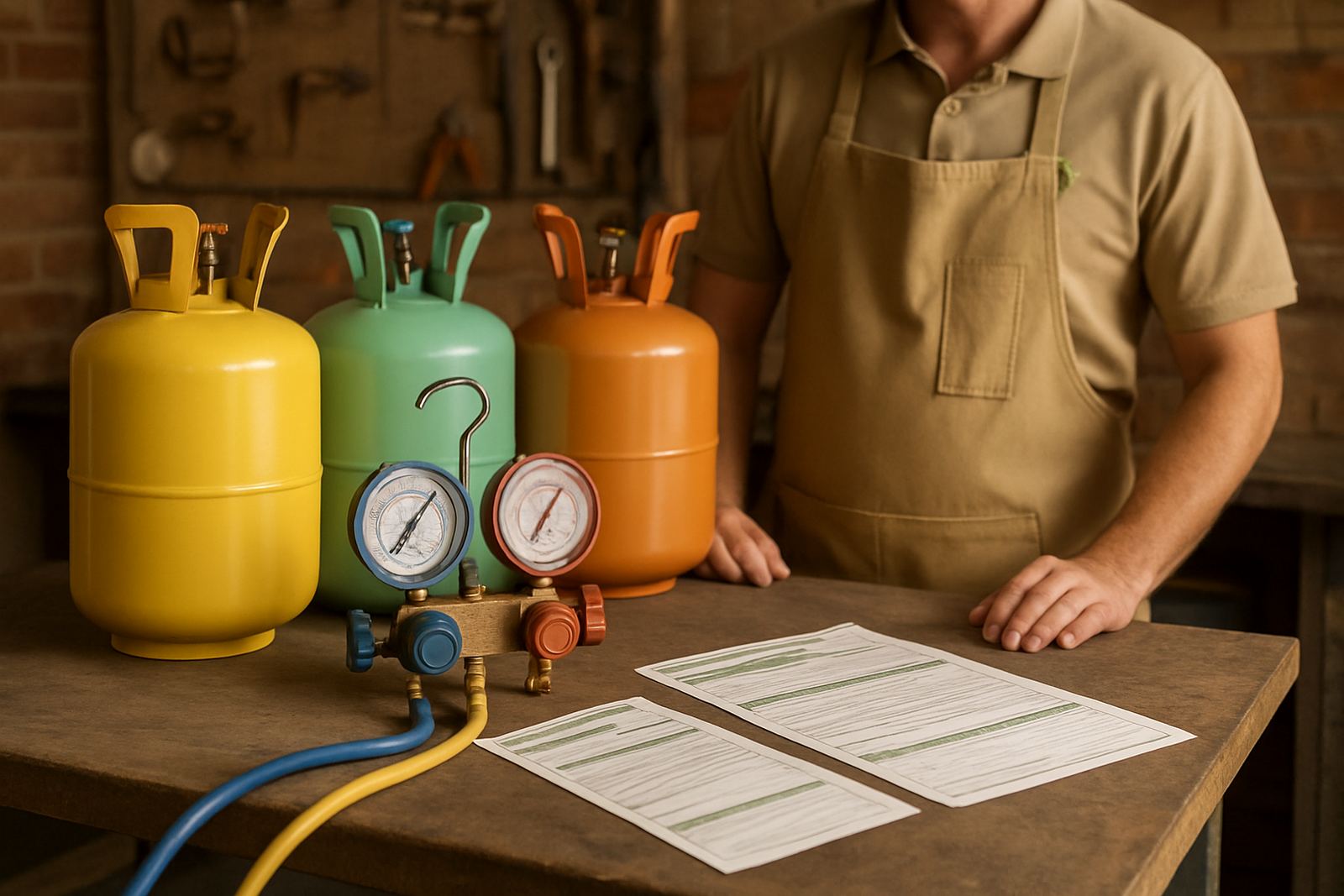
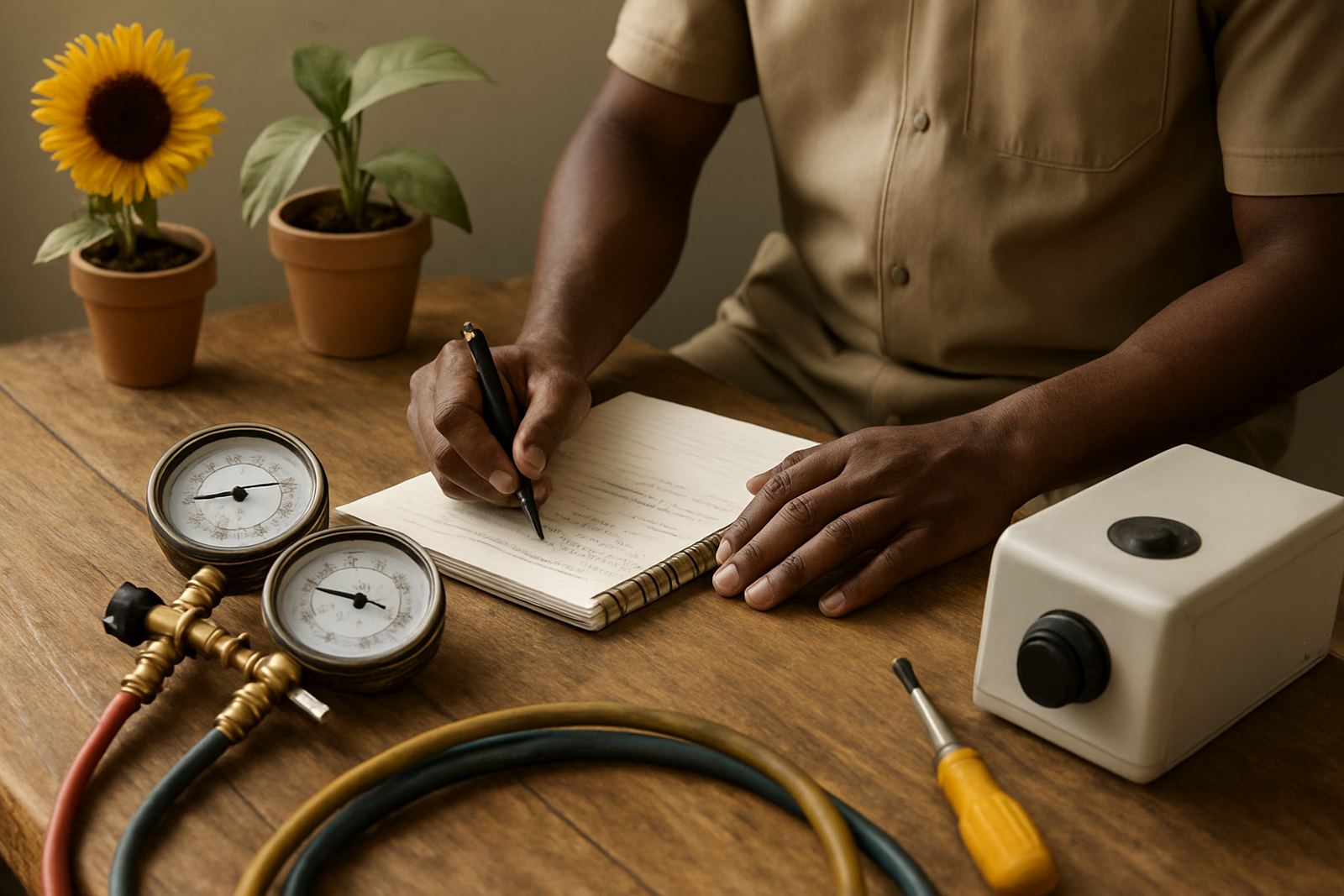
A conversion is not just a gas change. It should start with a clear check on the current plant, the oil type, seals, expansion device settings and whether the system has already been patched up too many times. On older equipment, a conversion without leak checks and pressure testing can leave you with expensive call-backs.
For sites in Gqeberha, Despatch and Graaff-Reinet, the questions often come down to practical matters: can the plant hold temperature during shutdowns, is the electrical supply stable, and are the operators trained to spot a pressure or superheat issue early? If the answer is no, the job needs more than a quick gas top-up.
- Ask what parts must be changed, not only what refrigerant will be added.
- Ask whether performance will be measured before and after the conversion.
- Ask how the change will affect maintenance, records and compliance checks.
Cold-room repairs that stop repeat breakdowns
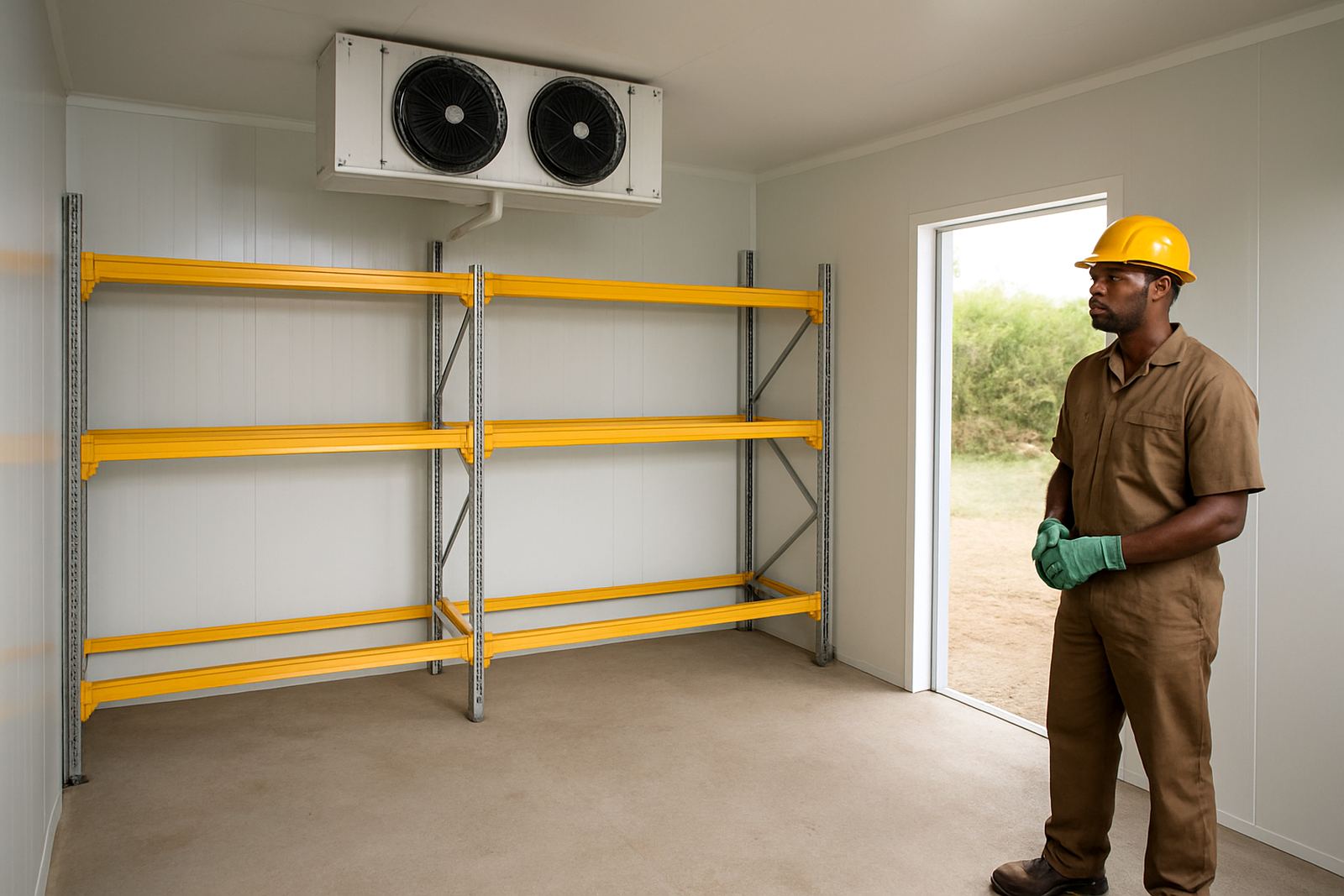
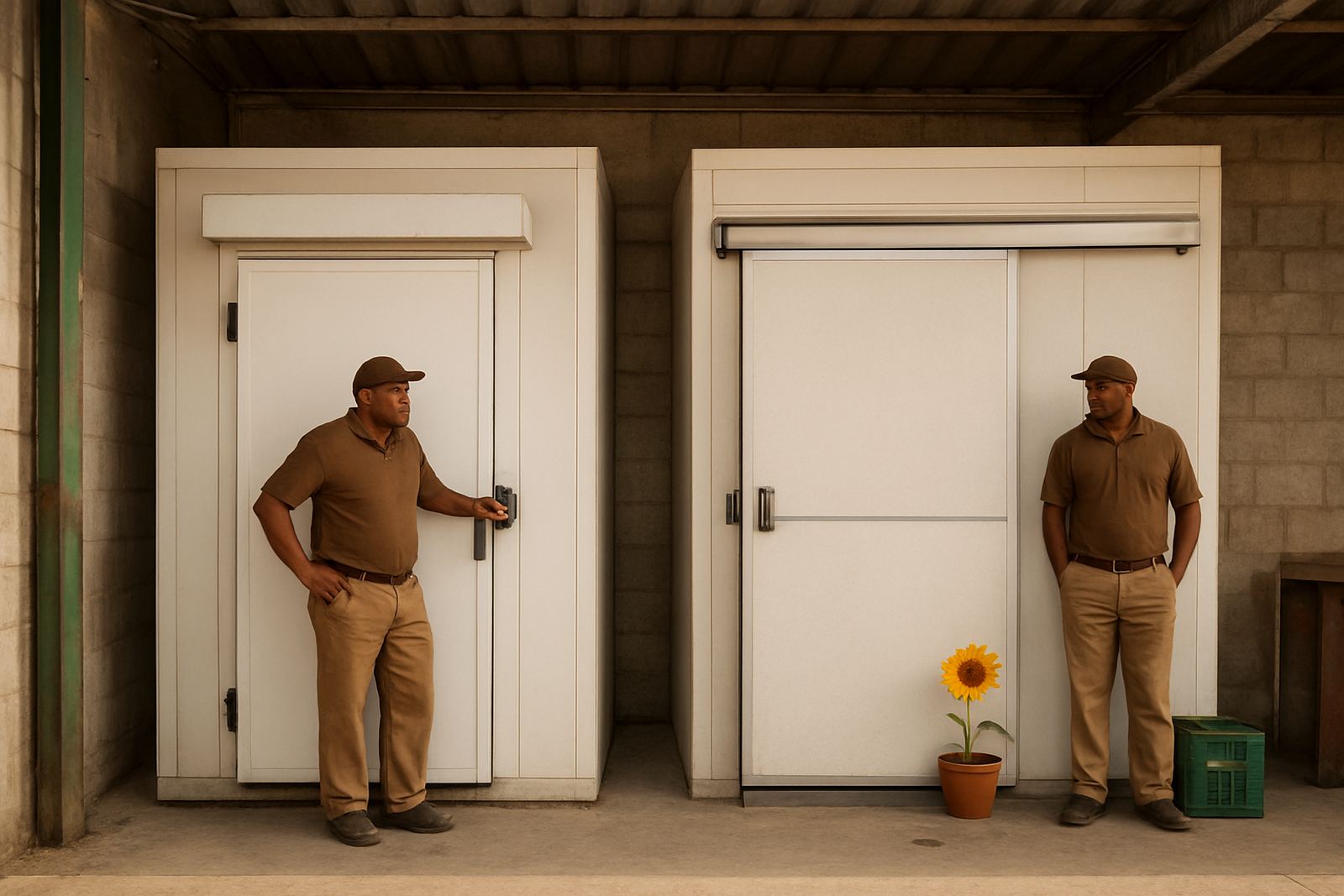
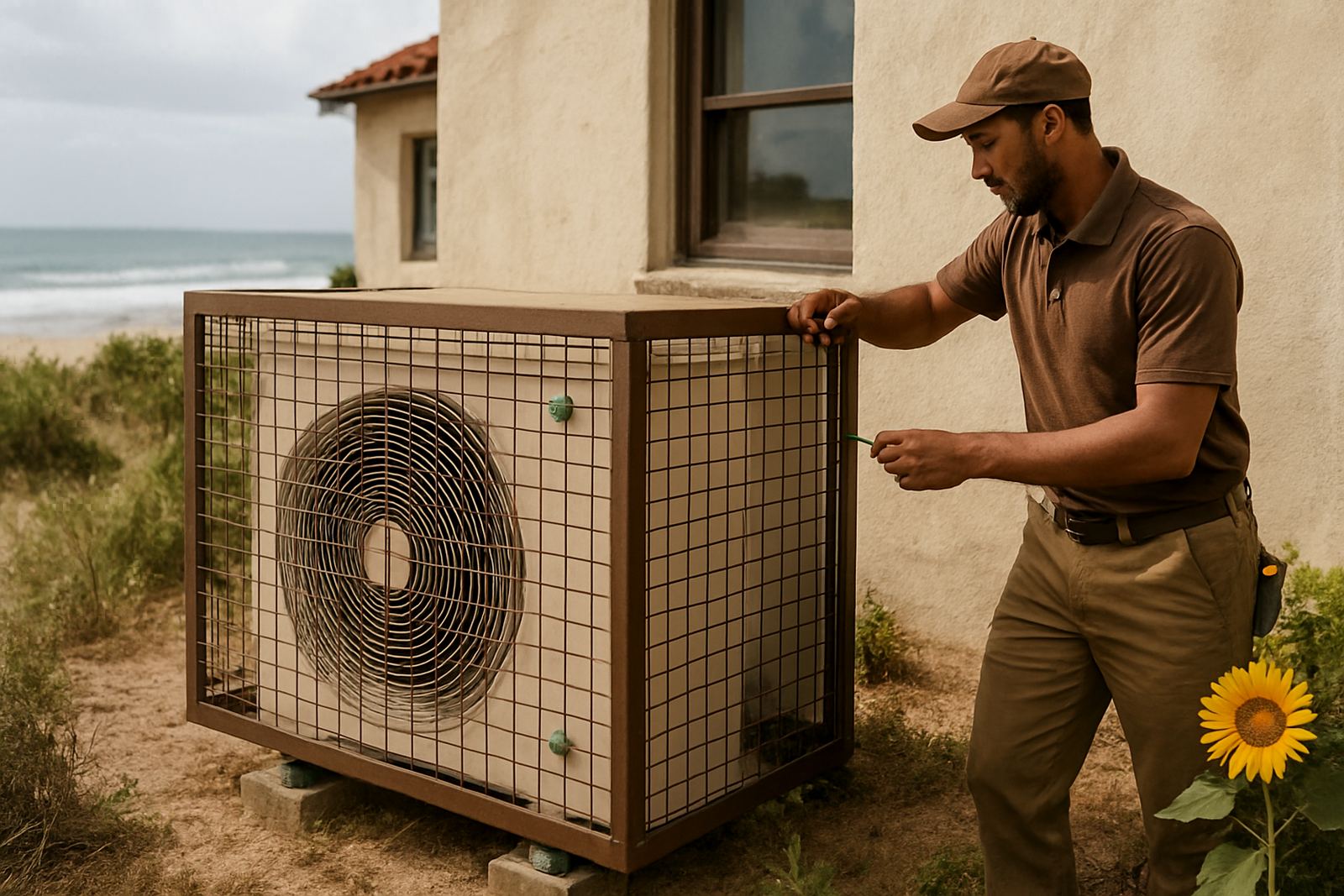
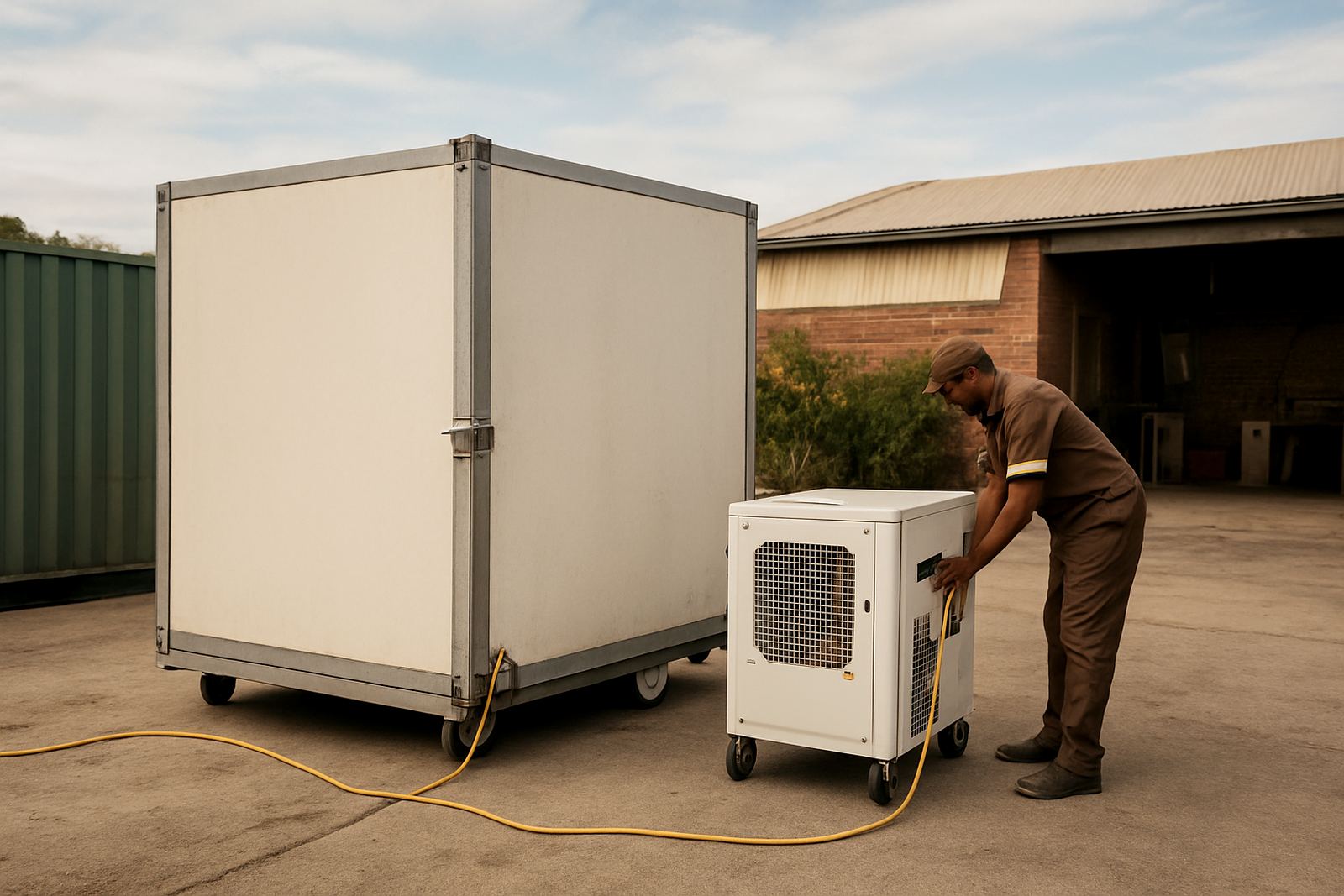
Cold-room faults often show up as one problem but hide another. A door seal issue can look like a compressor fault. Frost on the evaporator may point to airflow, controls, defrost timing or a blocked drain. In coastal areas, salt air and moisture can speed up coil corrosion and electrical nuisance faults.
A good repair guide should help you ask whether the problem is mechanical, electrical or operational. That matters when a room is running in Port Alfred one week and giving trouble again after a power cut or a busy trading period the next. Keep an eye on doors, fans, lighting, insulation and temperature records too.
- Check for product loading problems and blocked return air paths.
- Look for water leaks, ice build-up and damaged seals.
- Confirm whether the room is being opened too often or left open too long.
Chiller servicing and energy-saving upgrades
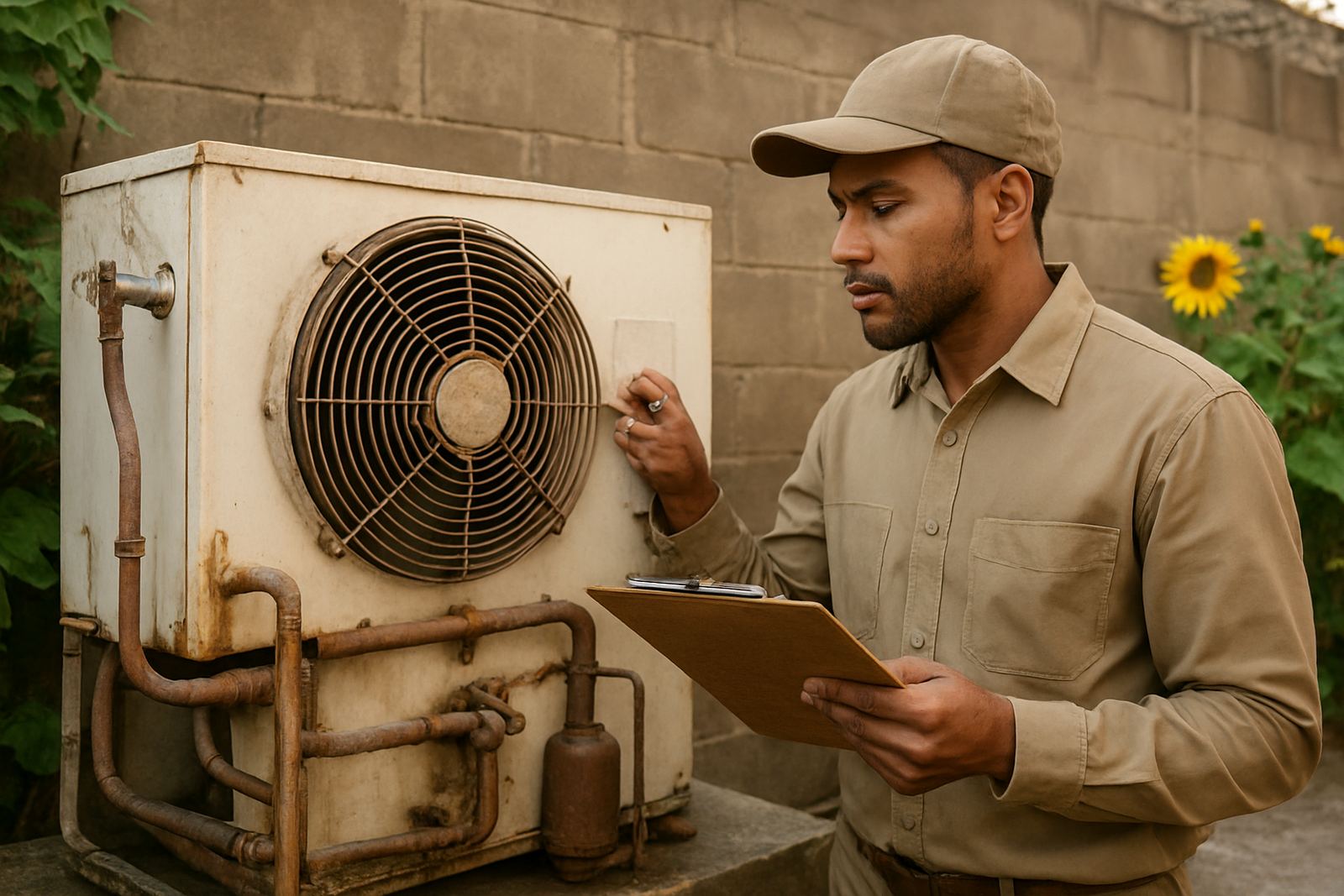
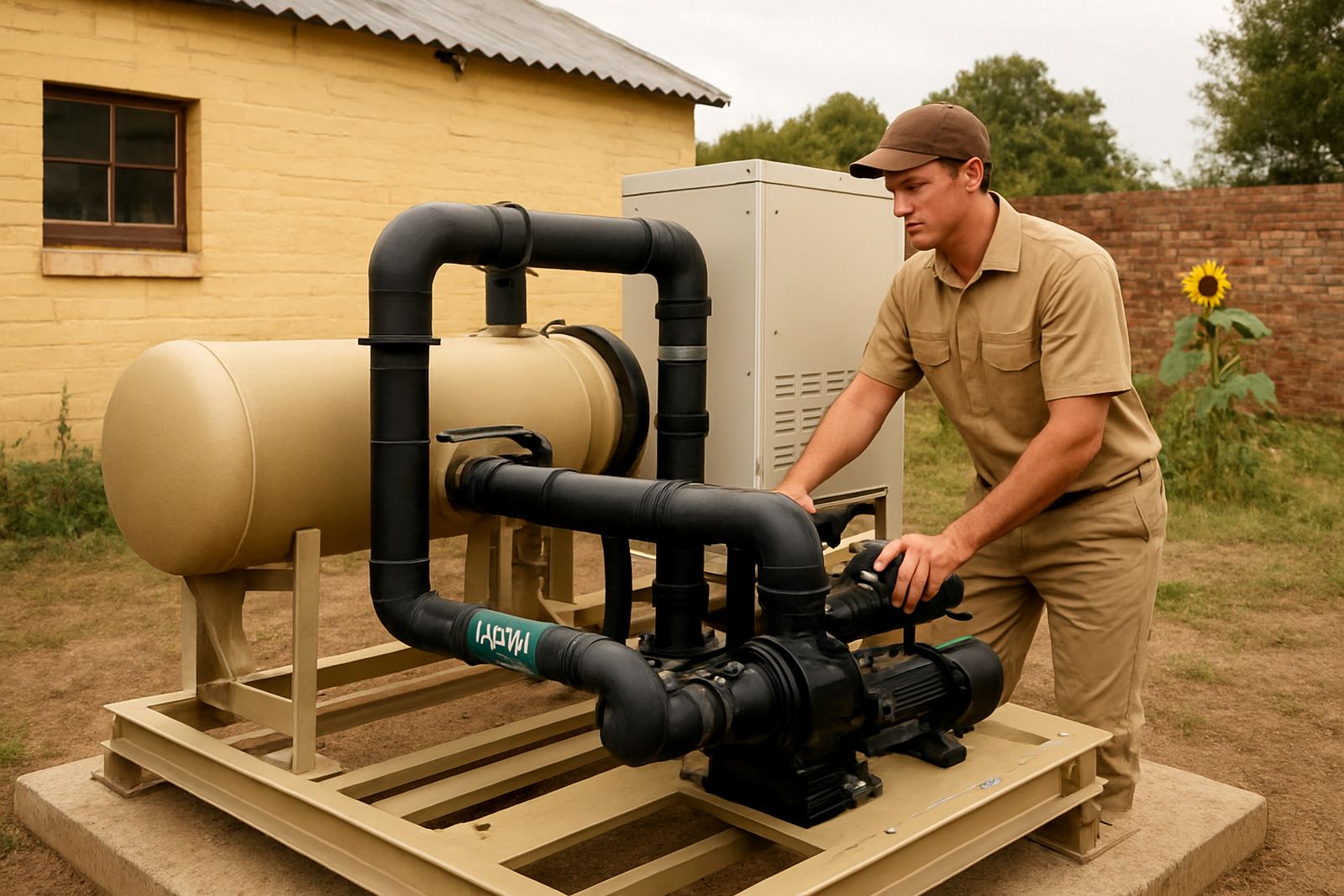
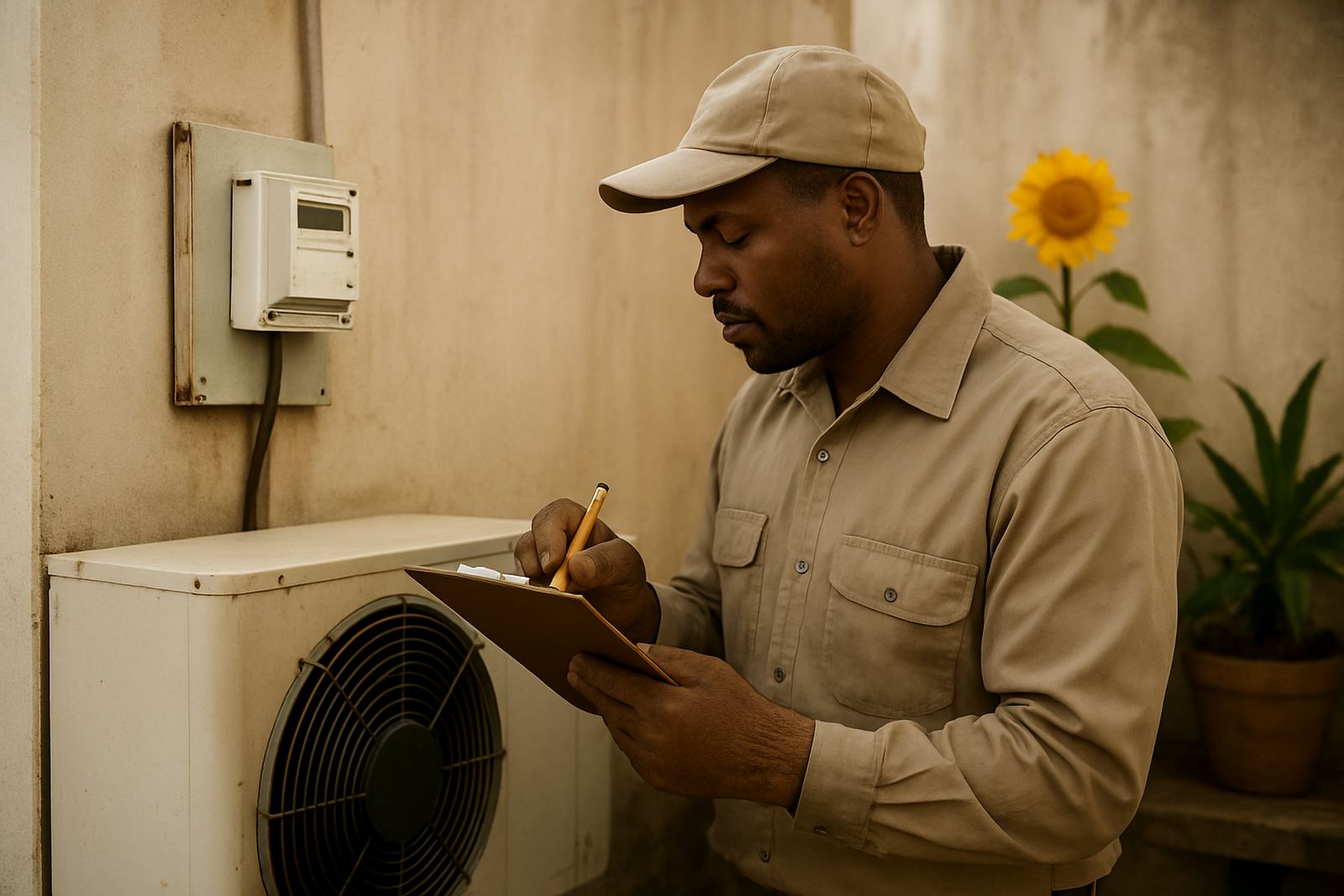
Chillers need steady service if you want stable temperatures and lower electricity use. A guide on servicing should cover condenser cleaning, pressure trends, control settings, pump performance and any sign that the system is working harder than it should. If the plant has been on emergency repairs for months, the energy bill usually tells the story before the fault report does.
Energy-saving retrofits are worth proper questions too. Not every upgrade suits every site, and a small control change can make more difference than a full hardware swap. For factories, food stores and process sites across the Eastern Cape, the aim is to cut wasted run time without risking product quality or compliance.
- Ask what savings are expected in kWh and Rand, not only in general terms.
- Ask how the upgrade will behave during load-shedding or voltage dips.
- Ask whether the controls can be monitored and adjusted after installation.
Leak detection, monitoring and maintenance planning
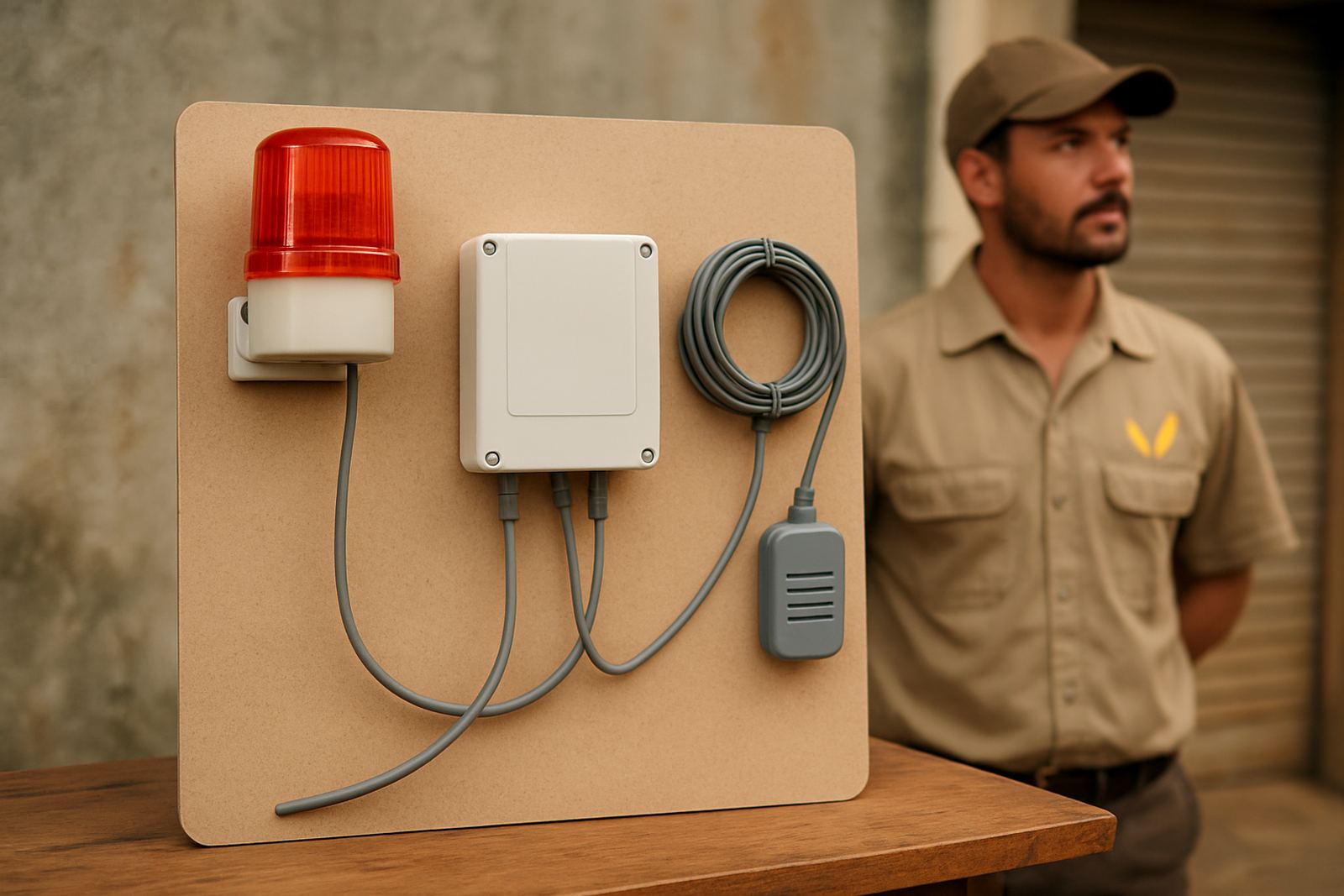
Leak detection should be part of normal plant care, not only a reaction after performance drops. Small leaks waste refrigerant, strain compressors and can create recurring temperature swings. Temperature monitoring then helps show whether a room or chiller is drifting before stock is at risk.
For sites with planned maintenance, the best guide is one that helps build a maintenance schedule with real intervals, access notes and spare-parts planning. That is especially useful where municipal bylaws, site safety rules or after-hours access limitations can slow down a repair. A clear plan saves time and it keeps everybody on the same page.
- Track temperature history, service dates and fault patterns together.
- Make sure access to plant rooms and roofs is noted in advance.
- Set clear escalation steps for emergency breakdowns.
Choosing the right guide for your site
If you are unsure where to begin, start with the guide that matches the biggest risk. If product spoilage is the issue, begin with cold-room repair or temperature monitoring. If the plant is old and the gas needs changing, start with conversion guidance. If electricity costs are climbing, use the chiller retrofit and energy audit material first.
Our team in Newton Park works across Gqeberha, Uitenhage, Despatch, Jeffreys Bay, Graaff-Reinet and Port Alfred, so the advice reflects local conditions, not just textbook theory. The right guide should help you ask better questions before you call, and help us get to the cause faster when the site needs attention.