Start with the system’s age, history and duty
A conversion is not just a gas swap. It only makes sense when the equipment, pipework and controls can safely carry a new refrigerant type and still do the job the site needs. On older cold rooms and chillers, the first question is whether the plant has been maintained well enough to justify the spend.
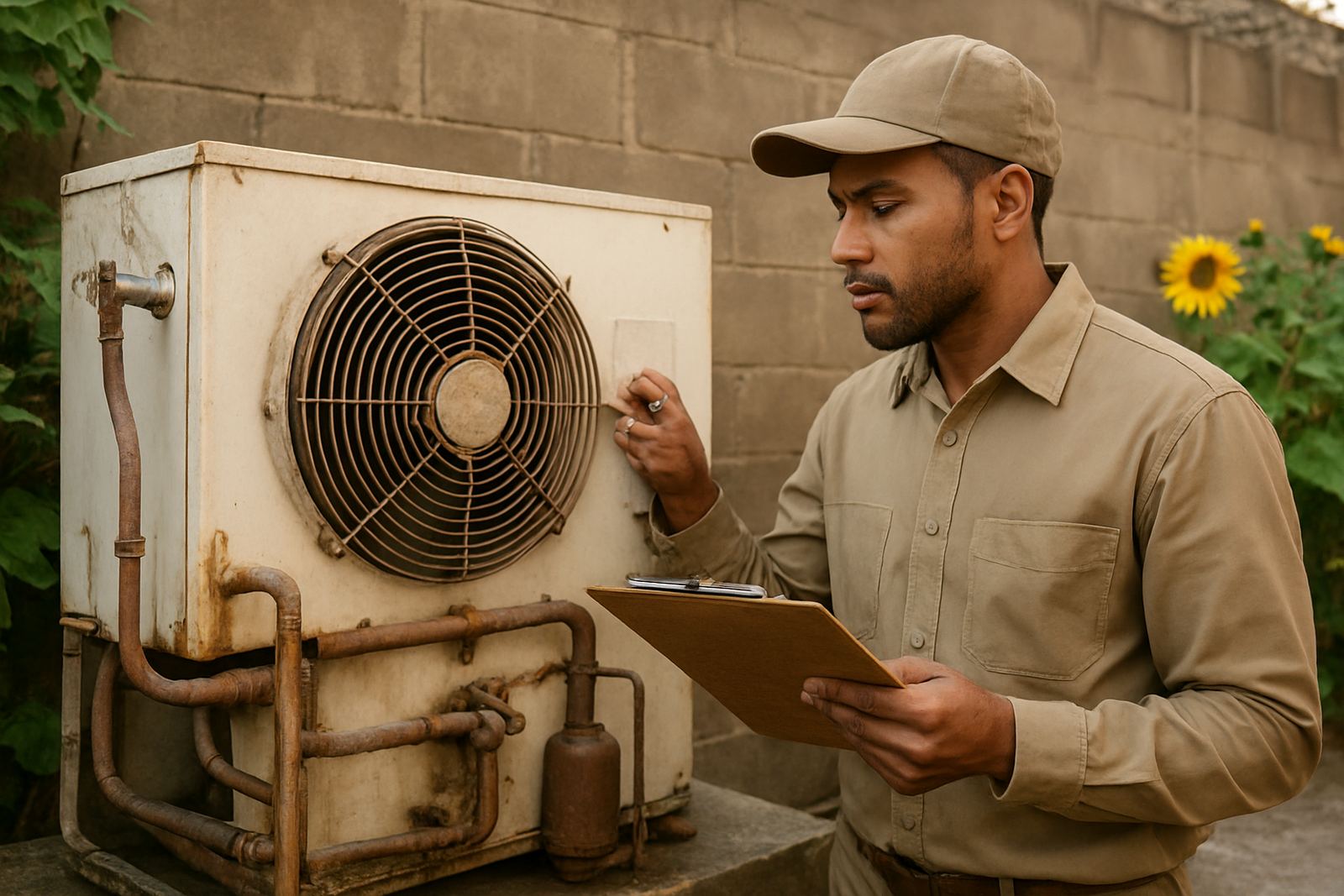
Gather the basics before anyone opens the system: equipment age, service records, previous leak repairs, compressor replacements, oil changes and any breakdowns during summer peaks. If a unit has been patched repeatedly, it may need repairs first or a partial refurbishment before conversion. This is especially important in Gqeberha and along the coast where salt air can shorten the life of coils, terminals and cabinet supports.
- Confirm the make, model and refrigerant currently in use.
- Check if the compressor has been running within normal amperage and discharge temperatures.
- Review breakdowns over the last 12 months.
- Note any oil carry-over, short cycling or unstable temperatures.
Check for leaks before you plan a changeover
A system that is already losing gas is not conversion-ready. Leak detection should come first, because a conversion on a leaking plant usually ends in another callout, more loss of product and higher costs. The idea is to get the pipework tight before any new refrigerant is introduced.
Look carefully at flare joints, brazed joints, valve stems, service ports, evaporators, condensers and pressure controls. On a busy site, the best time to inspect is during normal operating hours and again after load changes, since vibration and temperature movement can open up weak points. If the system has poor access or the insulation has been damaged, fix that now too.
- Pressure test the system after repairs.
- Inspect insulation for wet sections or crushed pipe runs.
- Check for oil staining around fittings and valves.
- Confirm that any leak history has been closed out, not just noted.
Make sure components suit the new refrigerant
Not every valve, seal, switch or control will be happy with a new gas. Part of readiness is confirming that critical components are compatible with the planned refrigerant, the expected pressures and the operating range. If the plant uses older expansion devices, pressure regulators or control safeties, they may need to be changed before the conversion goes ahead.
This is also where the condition of electrical parts matters. Burnt contactors, loose terminals and tired relays become more noticeable after a conversion because the system may work at different pressures and run times. In coastal areas such as Port Alfred and Jeffreys Bay, corrosion on terminals can cause faults that are easy to miss during a quick visit.
- Check compressor oil type and oil return requirements.
- Verify expansion devices, solenoids and pressure switches.
- Inspect fans, motors and contactors for heat damage.
- Confirm service valves and gauges are in good order.
Review cooling load and operating conditions
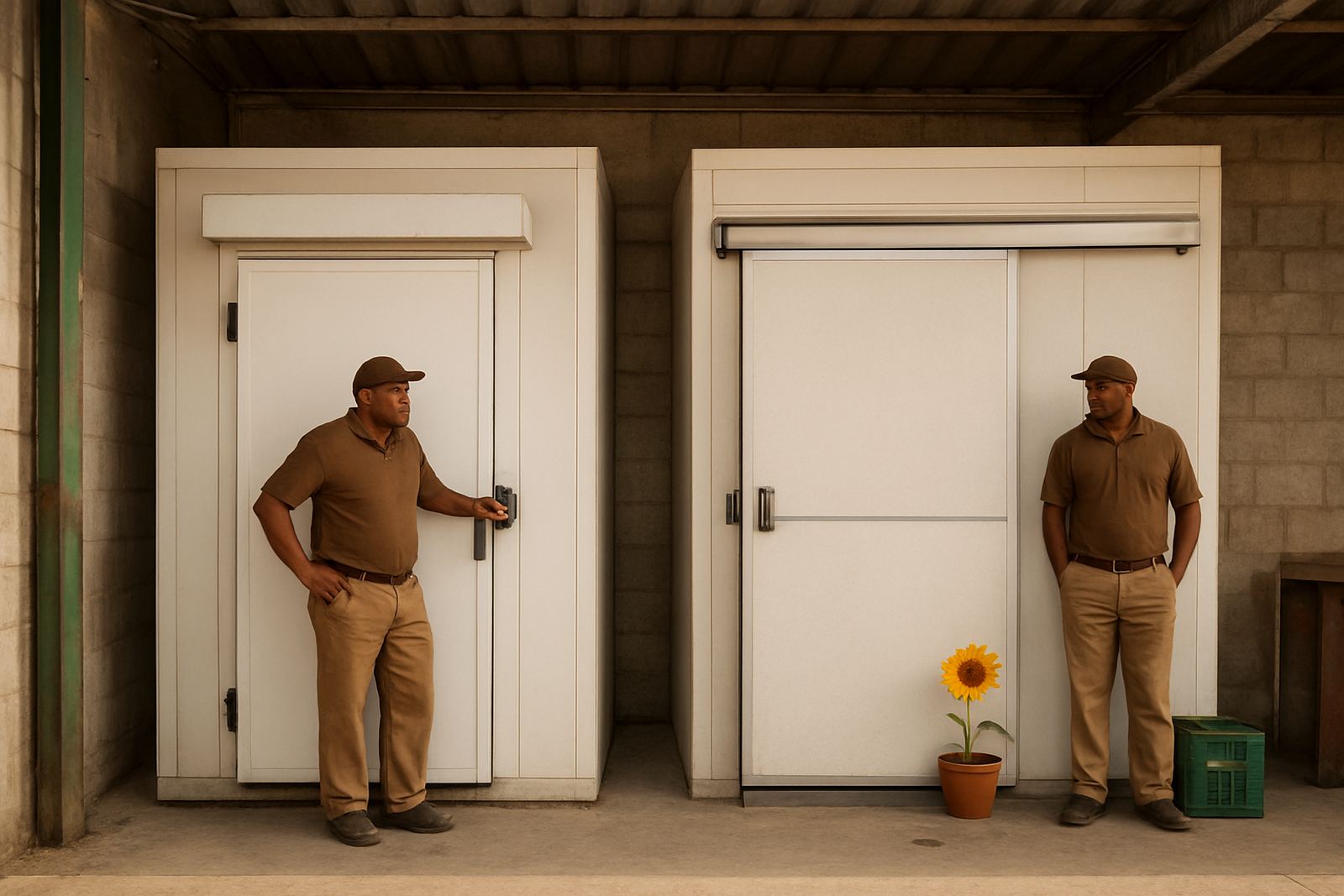
A conversion has to suit the real workload, not the brochure rating. If the cold room is overloaded, the chiller is undersized or the doors are being opened constantly, a gas change will not fix the underlying problem. Readiness means checking the site conditions and deciding whether the plant is being asked to do too much.
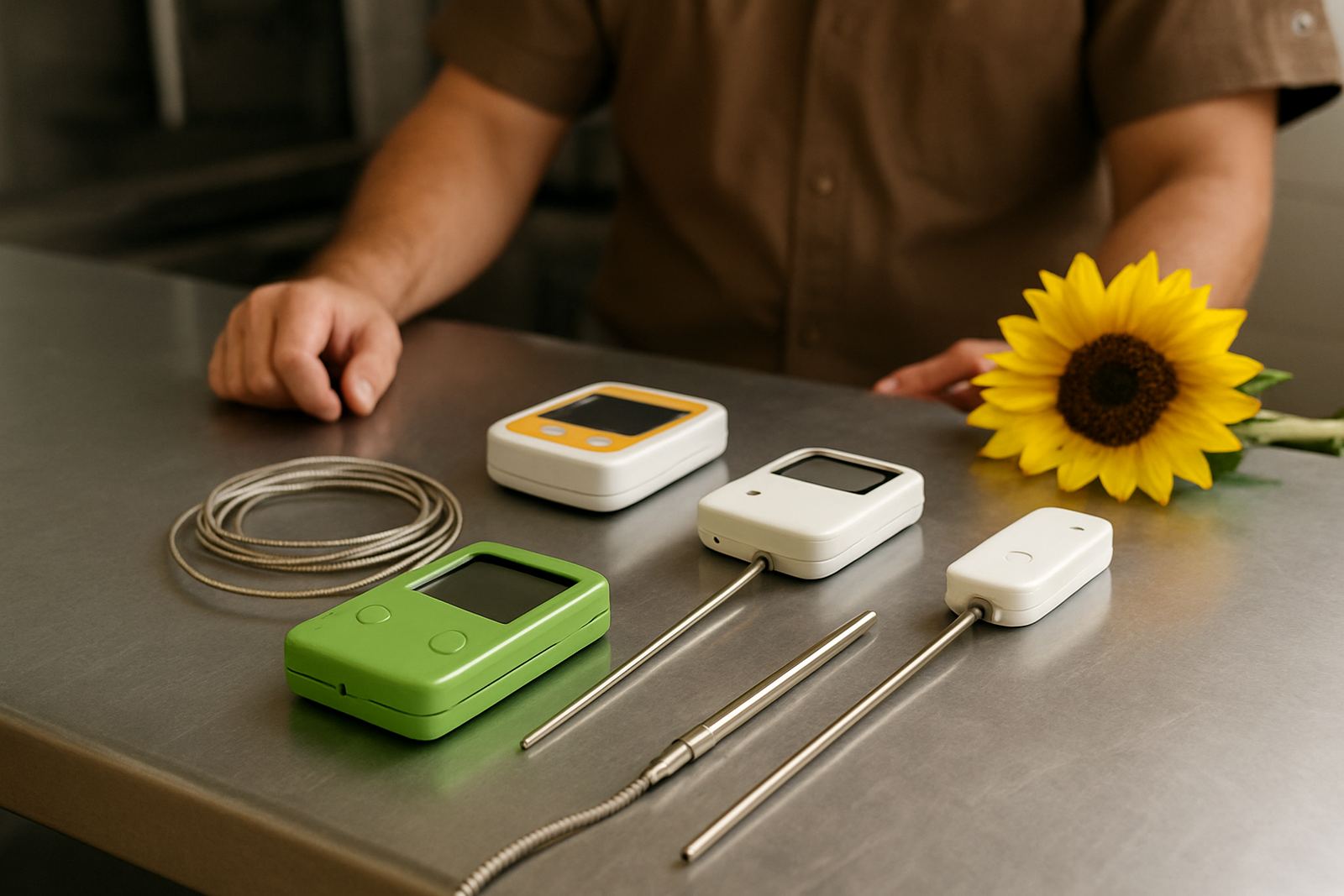
Measure room temperatures, product pull-down times, ambient temperatures and door opening patterns. In summer, a system in Despatch or Uitenhage may face very different demand from winter operation, so do not rely on one week of readings. If temperature control has been drifting, fit monitoring before the conversion if possible so you have a clear baseline.
- Record suction, discharge and return-air temperatures.
- Check whether the cold room holds setpoint under peak use.
- Note hot spots, iced-up coils or long run times.
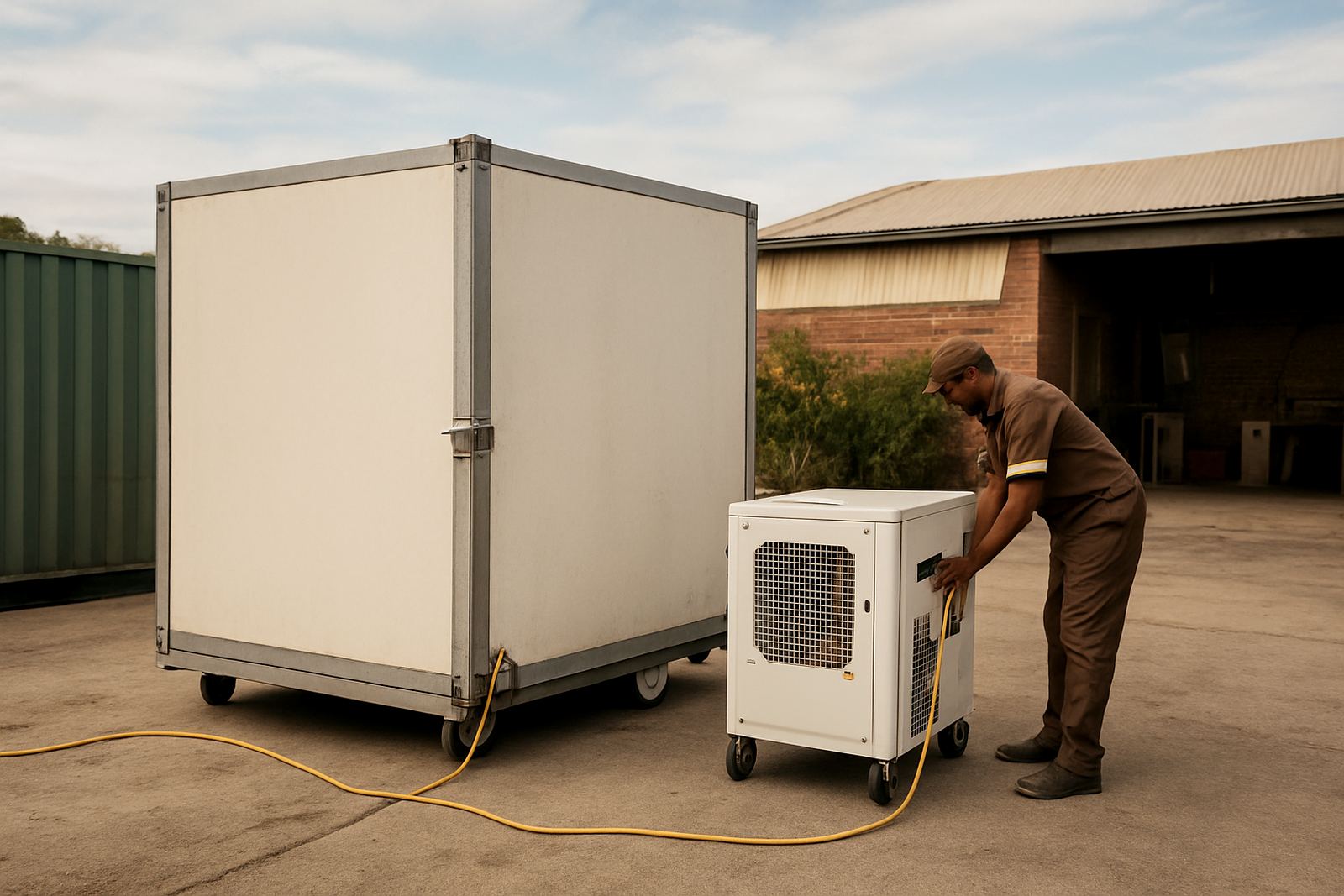
- Confirm the site has enough ventilation around the plant room and condensor area.
Plan the controls, monitoring and energy checks
Good conversions should leave the site easier to manage, not harder. Controls need to be checked before and after the change so the system is not cycling badly or drifting outside safe limits. If the site already uses alarms or temperature logging, make sure those points are working and that staff know who gets called when a fault appears.
Energy use also matters. A conversion can improve running cost, but only if the whole system is set up correctly, including fans, defrost cycles, setpoints and operating hours. A quick audit before work starts gives a useful comparison afterwards, and it helps show whether a retrofit will pay back in reduced electricity use. It is worth doing this properly when the plant runs through load-shedding conditions or has generator changeover, because those events affect temperatures and restart behaviour.
- Check alarms, controllers and temperature probes.
- Confirm defrost settings and fan delays.
- Record kWh use where metering is available.
- Test restart behaviour after a power interruption.
Use a simple go or no-go checklist
Once the inspection is done, the decision should be clear. If the system has major leaks, worn compressors, failed controls or severe corrosion, it may need repairs before conversion. If the core plant is sound, then the work can move ahead in a planned way with the right gas, charging method and commissioning checks.
For buyers, the safest approach is to ask for a written readiness report with faults, priorities and any parts that must be replaced first. That way you know whether you are funding a conversion, a repair programme, or both. It also helps the site manager budget for shutdown time, product movement and any after-hours work needed to avoid spoilage.
- Go ahead only if the system is tight, stable and maintainable.
- Hold the job if leak repairs or component replacements are still outstanding.
- Reject the conversion if the plant is near end of life and keeps failing.
- Keep a record of readings before and after the change.