Start With the Actual Cooling Need
Before you hire a unit or move stock, work out exactly what must be cooled. A short event in Port Alfred has very different needs from a 3-day shutdown in Gqeberha or a bakery in Despatch that needs back-up for one night only. Note the room size, product type, target temperature and how often staff will open the doors.
If the space holds food, pharmaceuticals or heat-sensitive stock, write down the acceptable temperature range and the maximum time it can sit above that range. That gives the supplier a proper brief and helps avoid over sizing, which wastes power and can cause short cycling. Keep the notes with your maintenance file for later reference.
- Room or area size in metres
- Target temperature and humidity limits
- How many doors or access points are used
- Stock type and daily movement
- Expected duration of the temporary cooling period
Match the Temporary Cooling Method to the Job
Not every situation needs the same set-up. A small event marquee may only need spot cooling and ice storage, while a supermarket or packhouse may need a portable chiller tied into an existing system. For coastal sites around Gqeberha and Jeffreys Bay, humidity matters too because damp air makes units work harder.
For planned shutdowns, choose a setup that can run for the full period without repeated attention. For emergency breakdowns, the fastest safe option usually wins, but it should still suit the load and the product. If the space depends on a generator, confirm the starting surge and the running load before the unit arrives. One bad assumption can trip the supply and leave you with warm stock.
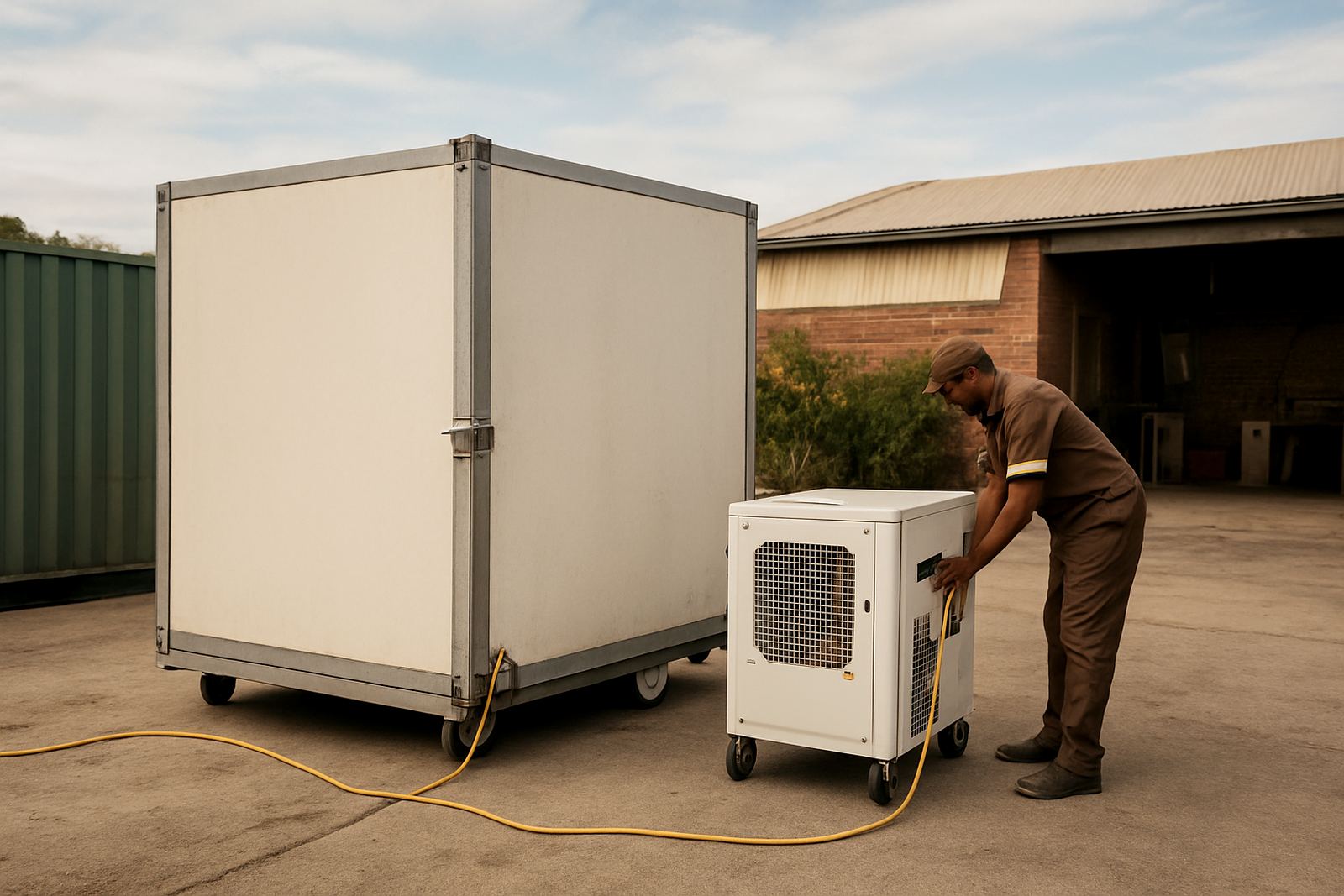
- Portable cold room for boxed stock
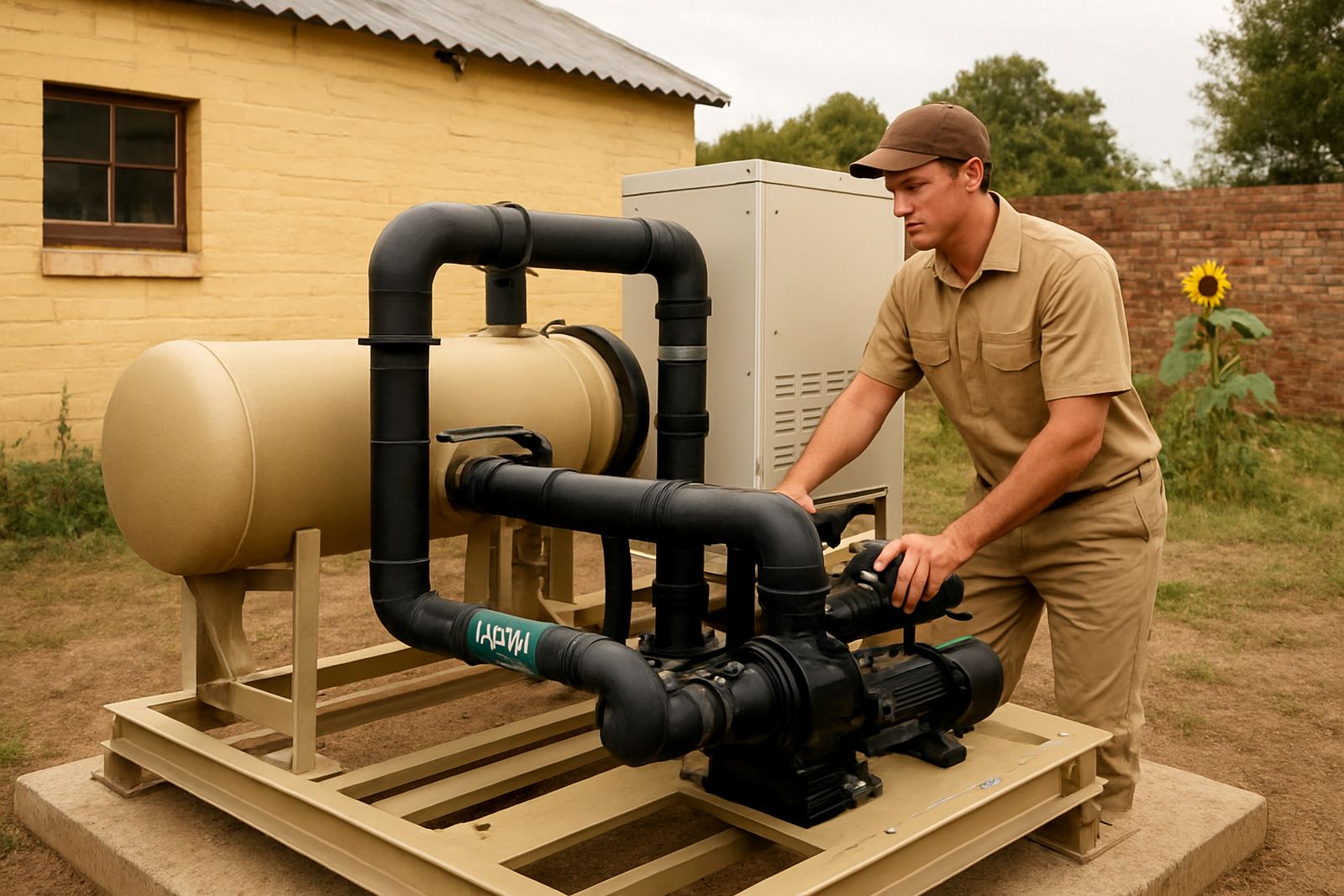
- Temporary chiller for process or water cooled systems
- Spot coolers for event spaces or staff areas
- Backup refrigerated trailer for overflow stock
- Thermal curtains or insulated screens to reduce heat gain
Prepare the Site Before the Unit Arrives
A clean, level, accessible site saves time and reduces the chance of a delay. Make sure there is enough space for doors to open, hoses to run and cables to be routed safely. In Newton Park, or any busy industrial area, clear truck access matters just as much as the cooling equipment itself. If the site is near a public walkway, plan barriers and warning signs before delivery.
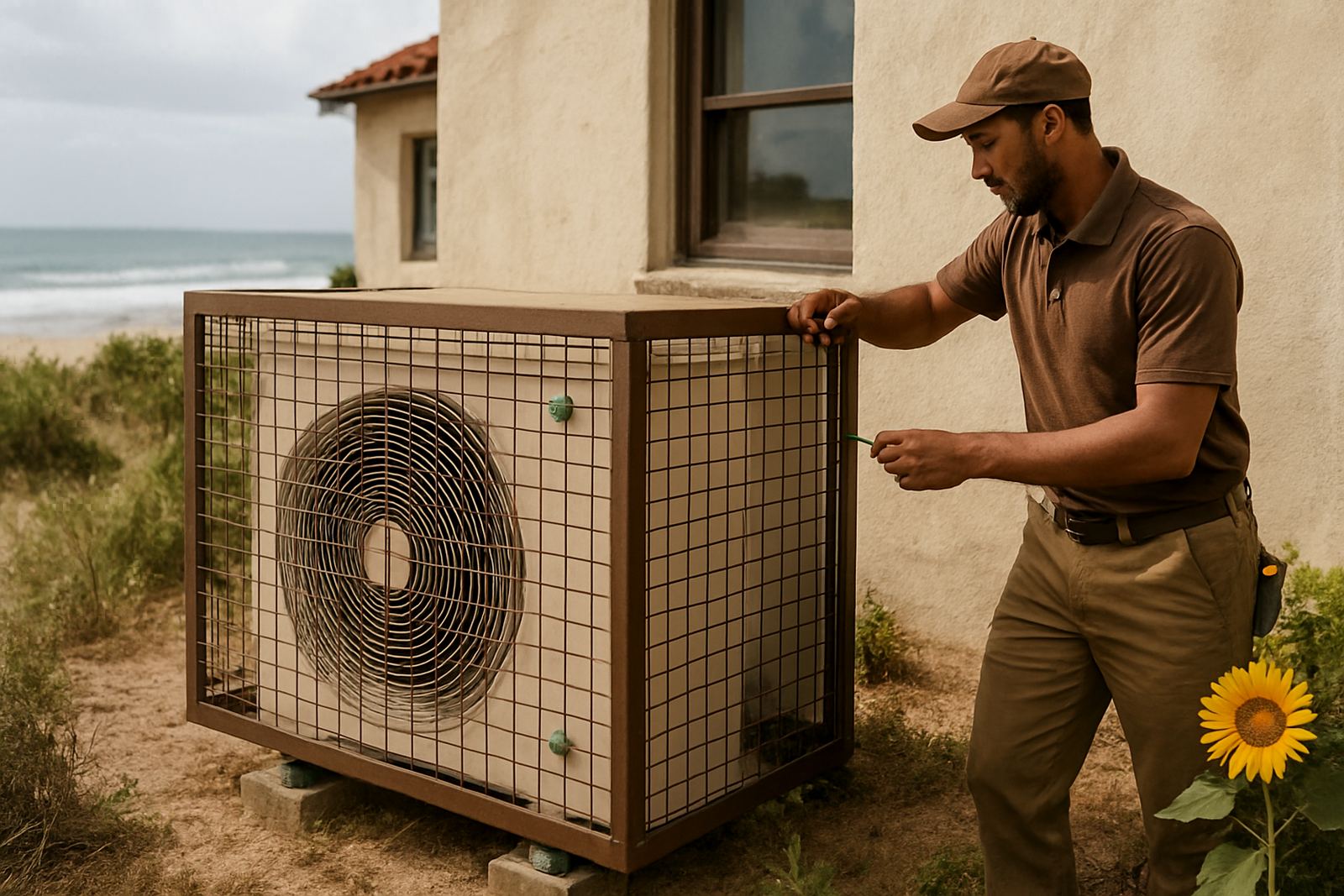
Check drainage, power points and floor condition. A temporary cooling unit should never stand in standing water or on cracked paving that can tip under load. If the area is exposed to wind, dust or salt air, add extra protection for condenser coils and electrical controls. Staff should know who is in charge of the area and who signs for delivery, no confusion on the day.
- Clear a level loading and service area
- Check power supply and backup power options
- Prepare drainage for condensation or defrost water
- Remove loose items that block airflow
- Set up access control for staff and contractors
Keep Product Safe During the Changeover
The most risky period is often not the outage itself but the moving of stock. Open doors for the shortest time possible, group product by temperature sensitivity and use insulated bins or blankets where needed. If the changeover will take more than an hour, work in stages so cold stock is not sitting out too long.
Use temperature logging from the start. Even a simple probe in the warmest part of the room helps you see if the temporary setup is doing its job. For food sites, align the process with your hygiene plan and municipal waste rules, especially if there is any spoiled product that must be removed. In hot weather around Graaff-Reinet, that step can not wait until the next day.
- Move the most sensitive stock first
- Keep doors closed between loading batches
- Use probes or loggers in the warmest zone
- Separate safe stock from stock that may need disposal
- Record times, temperatures and any alarms
Watch Power Use and Load-Shedding Risk
Temporary cooling can become expensive if it is left to run without control. Ask for unit sizes that suit the load rather than the biggest available. On sites affected by load-shedding, stagger start-up after power returns and avoid switching several heavy compressors on at once. A proper restart plan matters as much as the cooling itself.
Where possible, use control upgrades and temperature monitoring so you can see trends instead of guessing. If the unit is running flat out for long periods, there may be a door seal issue, an airflow problem or warm product being loaded too fast. Catching that early can save a lot of Rand over a short project.
- Confirm generator capacity before use
- Stagger equipment start-up after outages
- Track daily power use if the rental runs for several days
- Check seals, curtains and door closers
- Review readings morning and evening
End the Temporary Setup Without Damaging the Main System
When the main plant is back online, do not rush the handover. Let the original room or chiller stabilise first, then transfer stock back in planned batches. If a breakdown caused the temporary cooling need, book a proper inspection before you remove the backup unit. Otherwise the same fault may be waiting for the next hot spell.
This is also the right time to look at the bigger picture. Many sites find that a short-term cooling crisis exposes old faults in insulation, controls or maintenance. A coil cleaning, leak check or control upgrade can often reduce the chance of another emergency. It is cheaper to fix small issues now than to repeat a temporary hire next month.
Keep a final record of temperatures, running hours and any problems spotted during the hire period. That note helps with future planning and gives your maintenance team something real to work from, not guesses.