Start With the Site Exposure Check
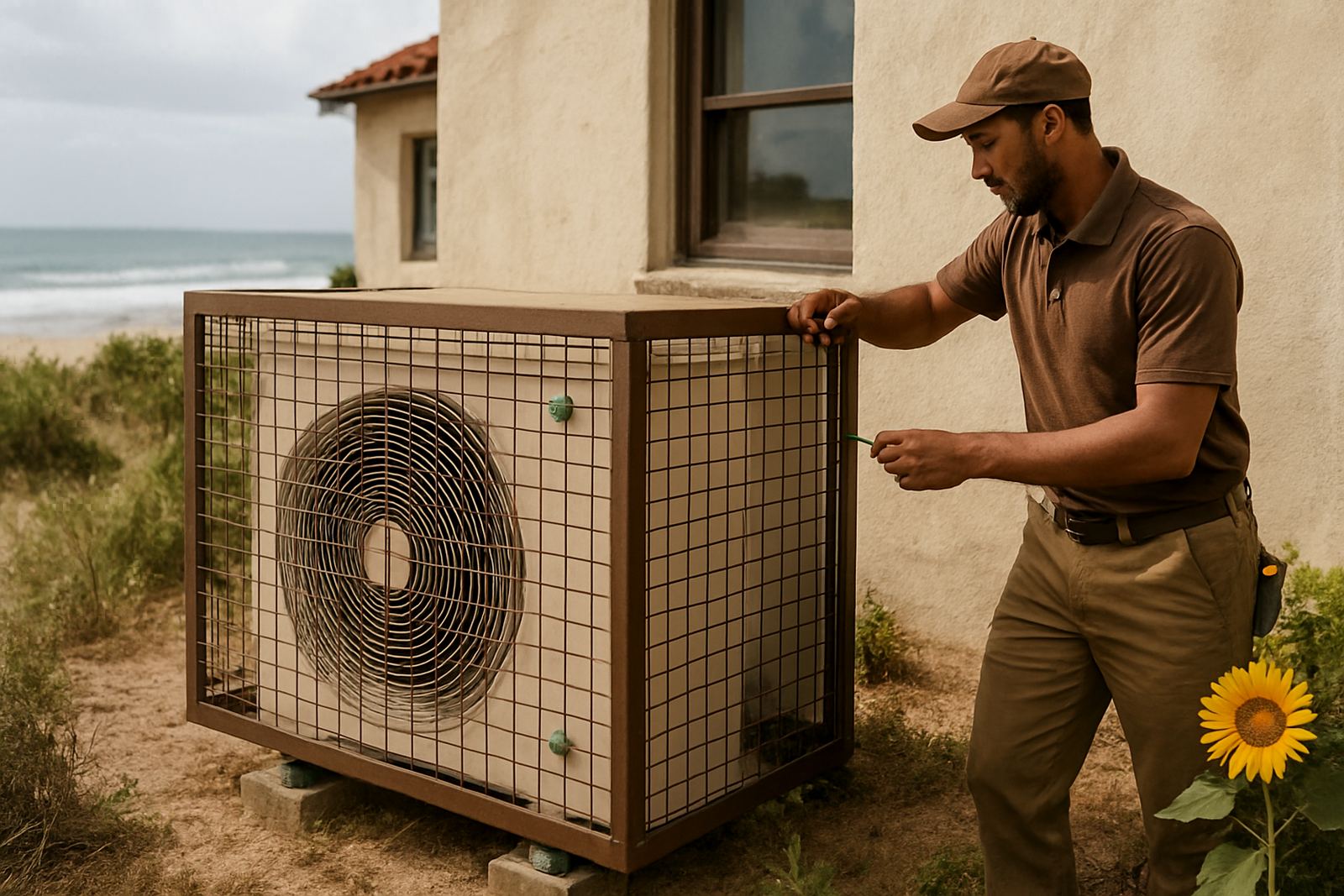
Before any service call, check how close the plant is to the sea, prevailing wind direction and whether the unit sits in an open yard, on a rooftop or beside an extraction area. In Gqeberha, Jeffreys Bay and Port Alfred, salt carry can be high even when the site is not right on the beachfront, especially where wind funnels between buildings. A unit that looks fine from the inside may still be taking a beating on the coil face, terminals and fasteners.
Walk the route from the condenser to the surrounding wall or fence and note anything that traps spray, dust or lint. Keep a record of where corrosion first appears, because that pattern often points to a wind issue, not a refrigeration fault. On multi unit sites, compare the worst affected machine with the most sheltered one. That comparison usually tells you more than a single inspection.
What Salt Air Does to Cooling Equipment
Salt air attacks metal surfaces, electrical terminations and motor housings. It speeds up pitting on condenser fins, weakens coating on casings and can build a thin conductive film across terminals. That film raises the risk of nuisance trips and hidden faults, especially when load shedding forces the system to restart under stress. Coastal humidity then adds another layer by keeping surfaces damp for longer.
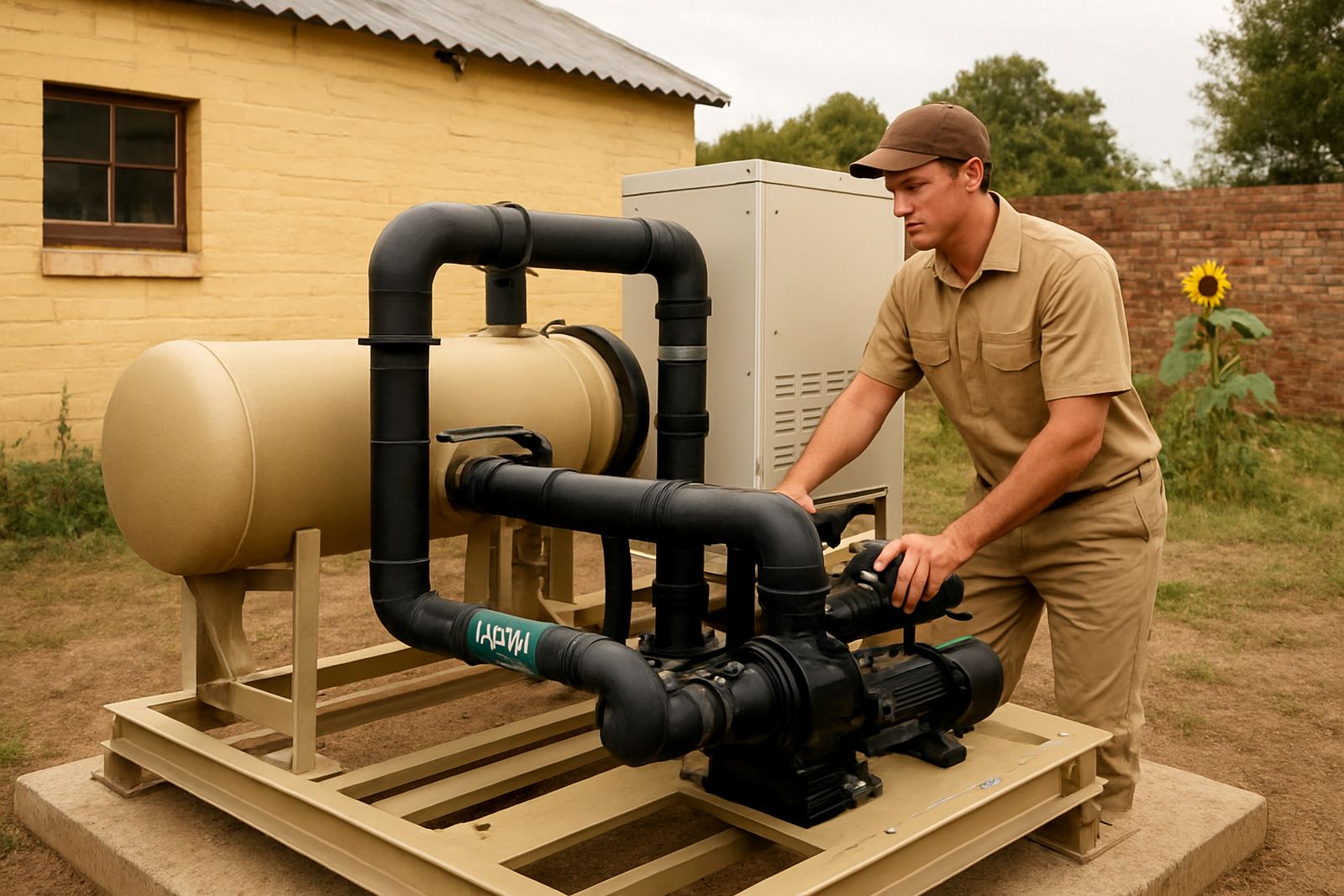
On older cold rooms and chilled water systems, we also see small leaks turn into bigger problems because moisture and salt work together at the joint. Control boards can corrode at the edges and fan motors can pull extra current when bearings or windings start to degrade. If a site keeps tripping after rain or mist, do not only check refrigerant pressure, check the electrical side too.
Maintenance Intervals That Suit the Coast
For coastal sites, planned maintenance should be more frequent than an inland schedule. We normally split checks into monthly visual inspections, quarterly performance testing and a deeper six monthly service for heavy duty plant. If the site handles perishables, pharmaceuticals or high value stock, do not stretch that interval just to save on call outs. A missed fault can cost more than the service itself.
During each visit, the technician should clean coils properly, check all terminals, inspect insulation and confirm that fans, contactors and sensors are holding correct values. Temperature logs matter because a system can look healthy and still drift out of range by a degree or two. That is enough to spoil product over time. Where possible, time the service before peak summer and again before the wetter winter months.
- Monthly: visual check, basic clean, temperature record review
- Quarterly: coil condition, electrical tightening, drain checks, control review
- Six monthly: full clean, performance readings, leak scan and wear inspection
- After storms: immediate check for salt build up, debris and power damage
Coil Cleaning and Corrosion Control That Actually Helps
Coils on the coast need careful cleaning, not just a quick spray. Use the correct pressure, correct cleaning agent and the right direction so fins do not fold over. A bent fin can restrict airflow and push head pressure up, which means higher amperage and poorer cooling. If the unit sits near road dust or factory lint, you may need a two stage clean to remove the heavy build up first.
After cleaning, inspect for coating damage and early corrosion. If the fins are badly pitted or the casing has lost protection, discuss a protective treatment or part replacement before summer. On some sites it also helps to reposition the unit, raise it off the ground or fit wind deflectors. Small changes can cut repeated fouling and make future servicing easier.
Low-GWP Conversions and Coastal Compliance Checks
When converting older equipment to a lower GWP refrigerant, the coastal environment needs extra attention. Check every seal, service valve and joint before charging. Salt corrosion can hide small leaks that only show up after the gas changeover, so leak detection should be part of the conversion plan, not something left for later. Make sure the oil, pressure settings and controls match the new operating conditions.
Also confirm whether the site has any municipal or insurer requirements for access, spill response or waste handling. In busy parts of Gqeberha and Despatch, plant rooms often share space with stores, workshops or tenant units, so clear labelling and good temperature monitoring help everyone. If a site loses power often, set the controls to recover safely after an outage and check restart delays. That avoids short cycling and unnecessary wear.
A Simple Coastal Site Checklist Before Peak Season
Before the first heatwave or holiday rush, run a practical site checklist. This is especially important in Jeffreys Bay, Port Alfred and Graaff-Reinet where weather shifts can be sharp and service access can be slower after storms or road closures. A short check now can prevent an emergency call when stock is already on site and the unit is under pressure.
- Test actual room temperature against the controller reading
- Inspect electrical terminations for salt film or green copper staining
- Check fan blades, motors and guards for corrosion
- Confirm doors, seals and strip curtains are closing properly
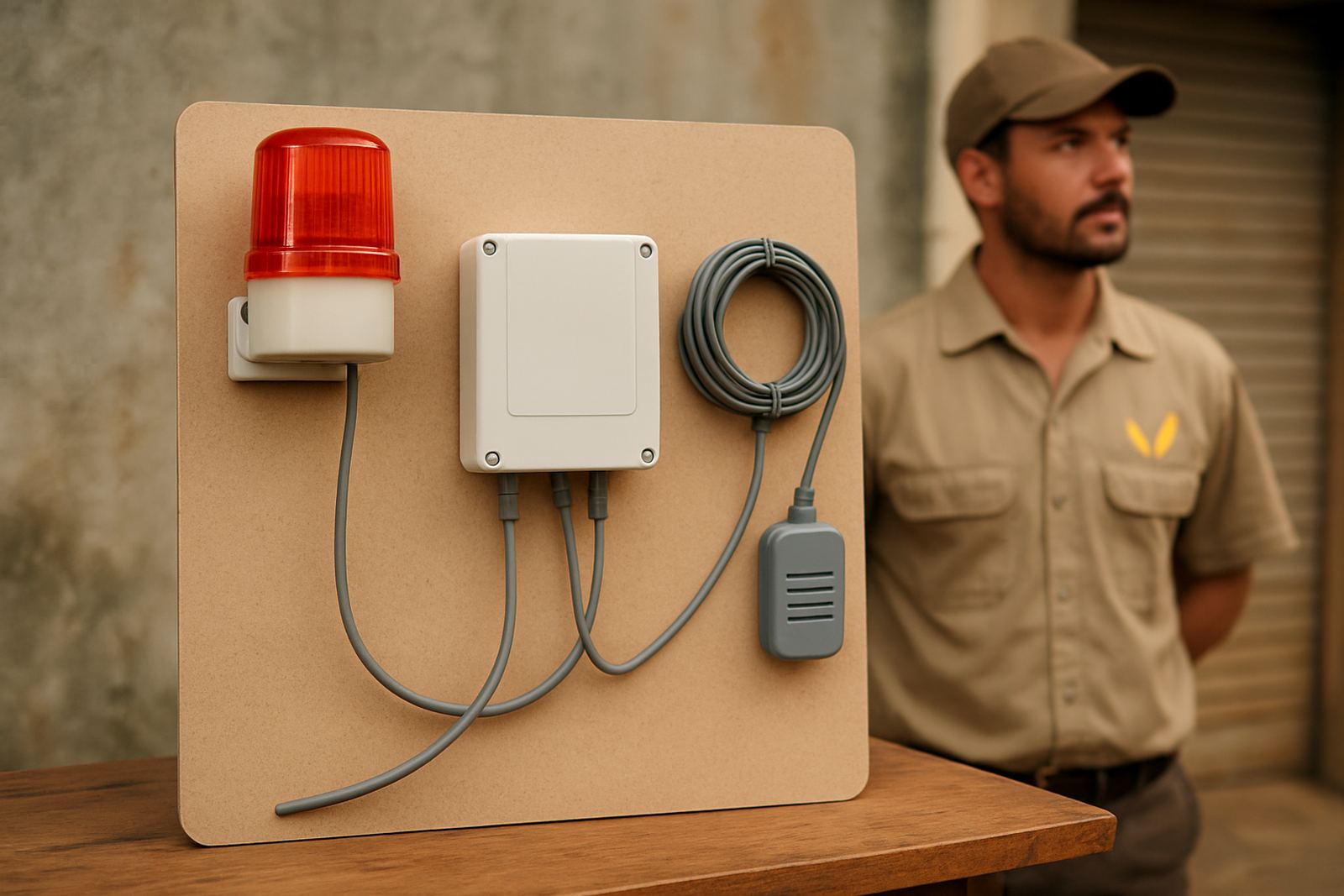
- Review alarm history and any repeat faults from the last 3 months
- Make sure spare parts, contacts and after-hours numbers are current
If a site is exposed to wind off the sea, inspect the fixings that hold the unit in place as well. Loose mounting hardware is a common problem and it gets worse when vibration and corrosion work together. Better to tighten and replace now than deal with a callout after a failure.