Start with the ice shape that suits the job
Different ice forms behave differently in drinks, displays and cold holding. Cube ice lasts longer in beverages and melts slower, while flake ice packs around fish, fruit and trays where you need full contact. Nugget or chewable ice is better for fast service counters, but it can bridge in storage if the bin is overfilled. If you are serving mixed traffic in a café, forecourt, guest house or small bar, match the ice to the main use first, then size the machine.
For seafood counters in Port Alfred or Jeffreys Bay, flake ice is often the practical choice because it moulds around product and drains well. For restaurants and bottle stores in Gqeberha, cube ice usually gives better drink quality and less wastage. If the machine will serve a venue with takeaways and function bookings, ask how much ice you need in one peak hour, not only per day.
- Cube ice: slower melt, good for drinks and service bars
- Flake ice: good for display, packing and product chilling
- Nugget ice: soft texture, handy for drinks counters
Check water quality before you buy the machine
Ice only tastes as good as the water going into it. In many parts of the Eastern Cape, borehole water, municipal water and stored water can all carry different risks. Hard water can leave scale on evaporators, valves and float assemblies. Sand, rust and sediment block filters and shorten the life of pumps and solenoids. If the site has a tank, check the age of the tank and whether the lid seals properly against dust and birds.
A proper water check should happen before installation and again after the first few weeks of use. If the incoming water is dirty or smells of chlorine, plan for a filter and a rinse schedule. In coastal areas, salty air can also affect electrics and casing over time, so a clean water supply is only part of the picture.
- Test for hardness, sediment and taste before commissioning
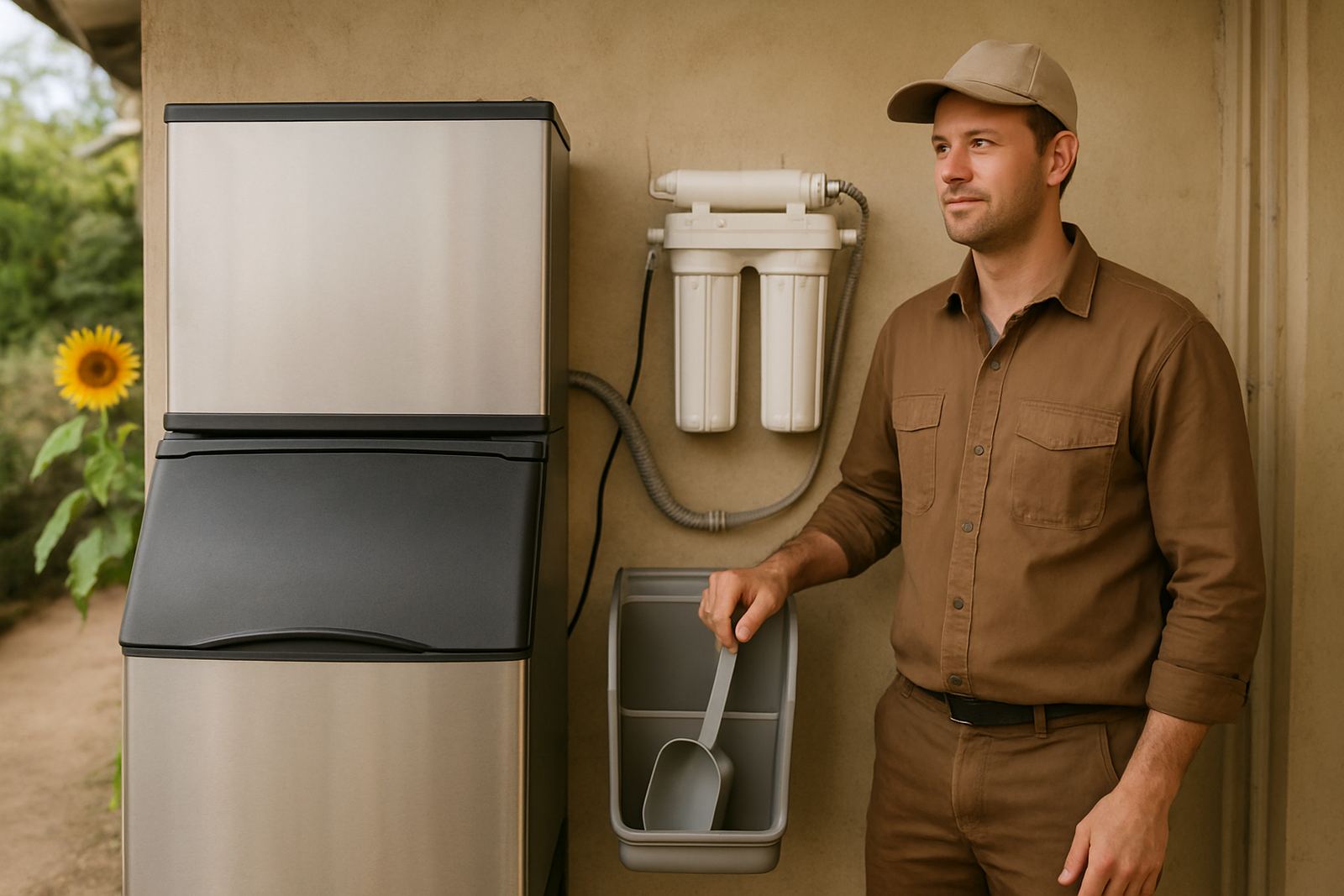
- Fit filtration where the supply carries grit or scale
- Change filters on time, not when flow already drops
Size the machine for real demand, not brochure numbers
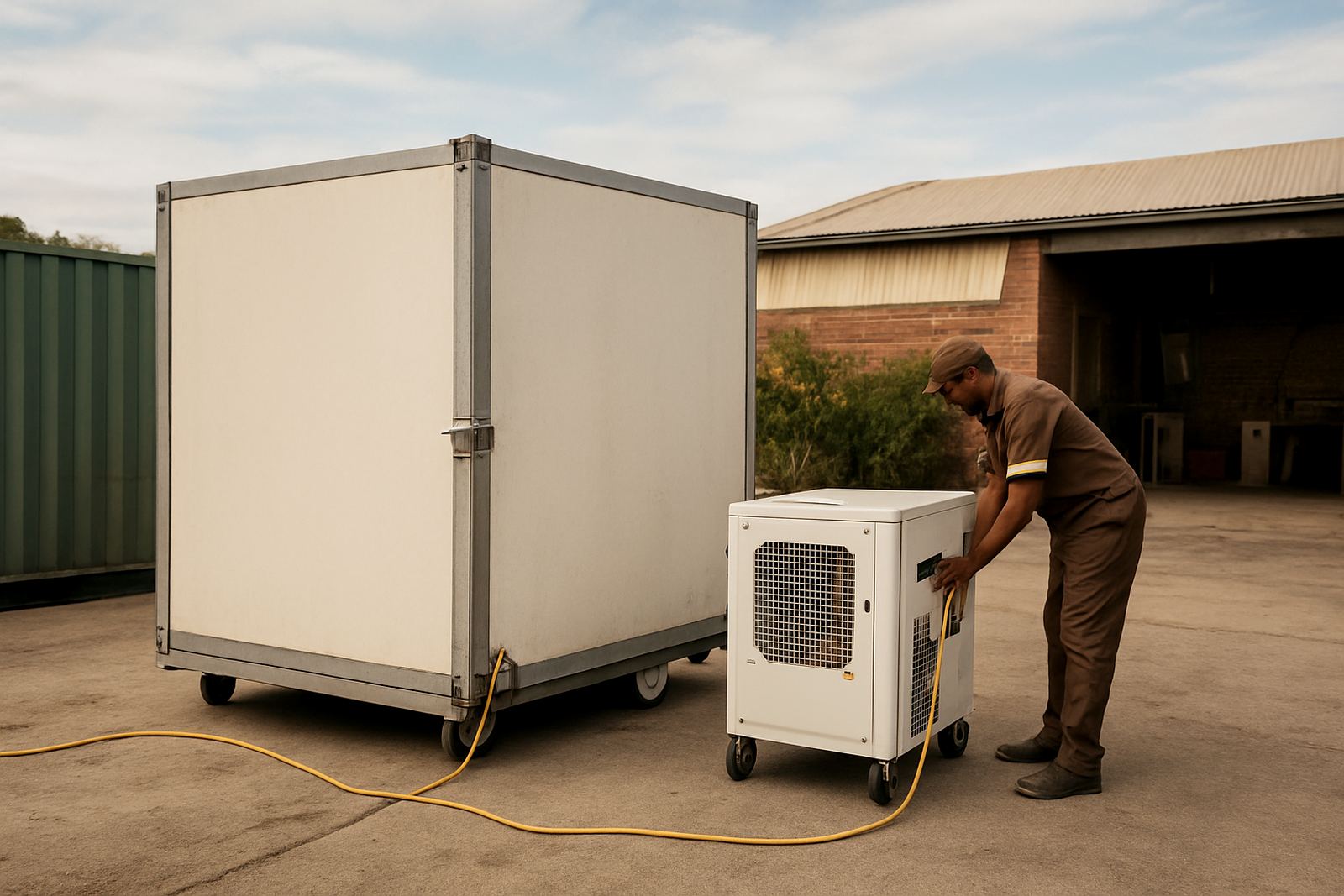
Manufacturer ratings are often given under ideal conditions. In a warm kitchen, during peak summer, or with doors opening every minute, the actual output can be lower. That matters in Gqeberha where ambient heat, humidity and coastal air can all push a machine harder. If the unit is undersized, the bin empties by lunch and staff start buying ice in bags, which becomes expensive very quickly.
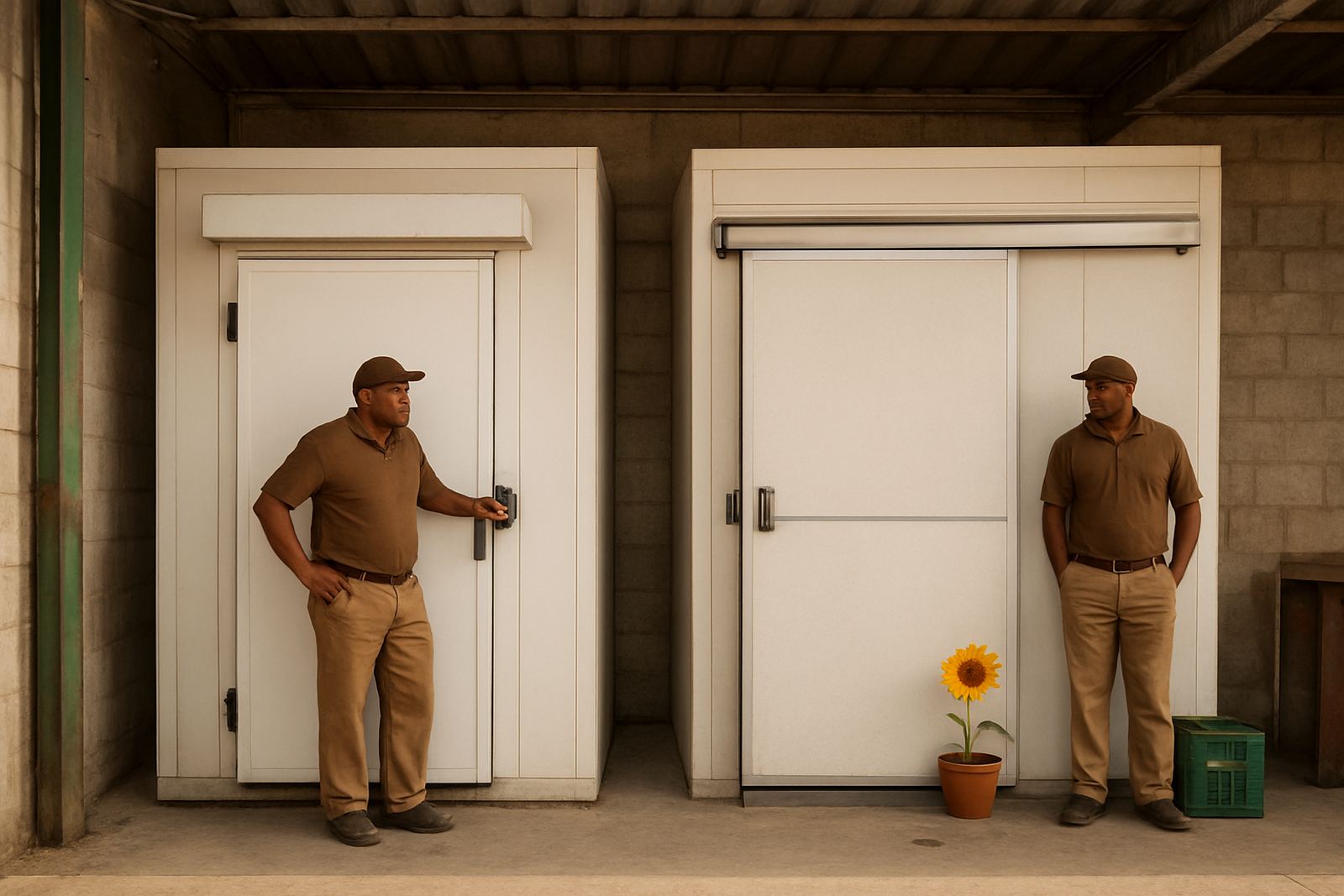
Work from your busiest day. Count how many drinks, tubs, trays or display loads you need between 8 am and 5 pm. Add a safety margin for weekends, functions and load shedding recovery. If you use ice for cold rooms, seafood displays or emergency cooling, build in a buffer. A machine should not run flat out all day just to keep up.
- Estimate peak hour demand, not only daily use
- Allow extra capacity for summer heat and functions
- Check whether the bin can hold the output without bridgeing
Give the machine the right place to stand
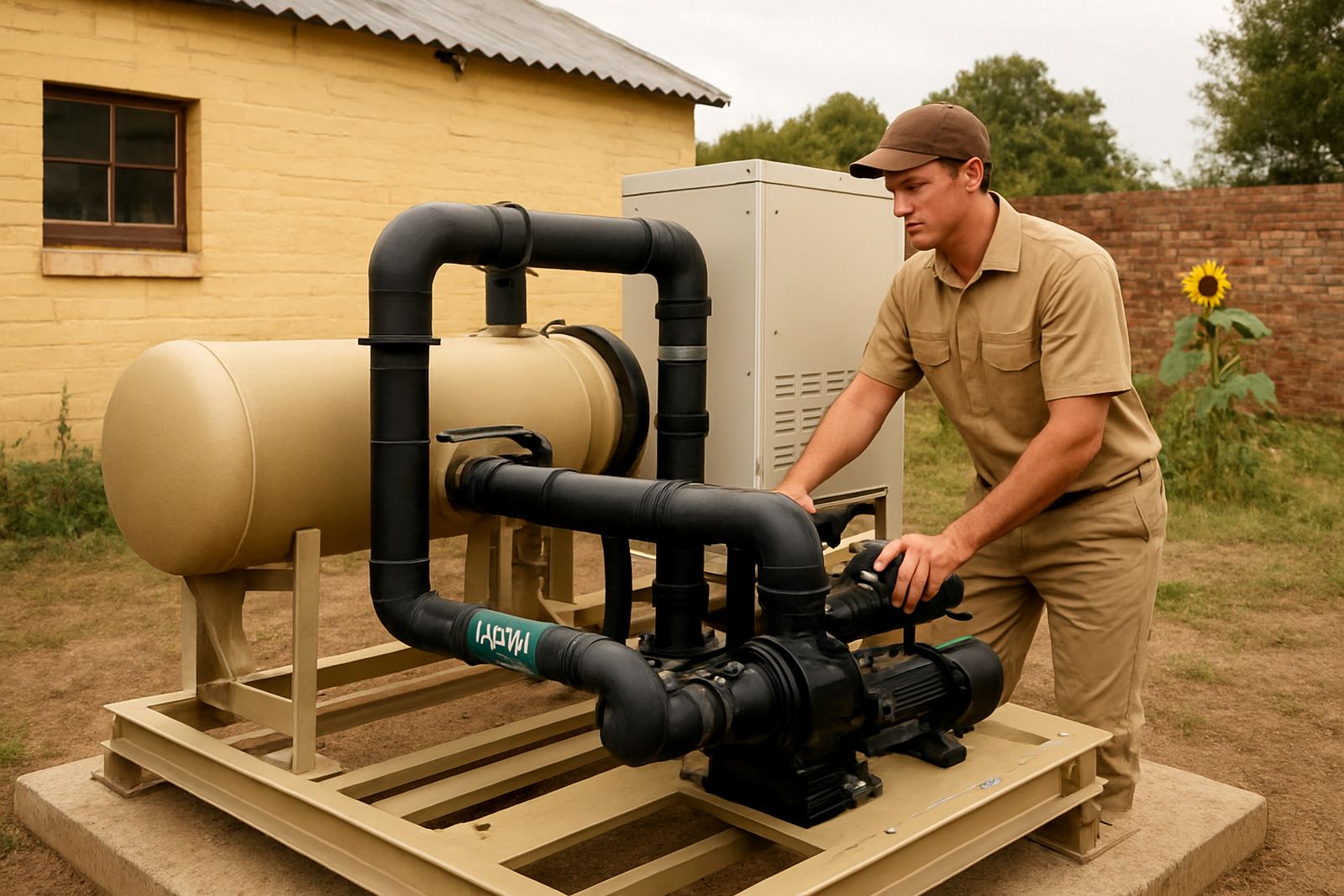
Placement is one of the easiest things to get wrong. Ice machines need space to breathe, space to drain and access for service. If the condenser air intake is blocked by a wall, a prep table or stacked boxes, the unit will run hotter and use more power. If the drainage falls badly, meltwater can back up into the bin and affect ice quality.
In smaller sites around Despatch and Uitenhage, the machine is sometimes squeezed into a tight back room with little ventilation. That creates avoidable callouts. Leave enough clearance for cleaning the filter, checking the water line and lifting out panels. If the machine sits near a fryer, dishwasher or boiler, grease and heat will shorten service intervals.
- Keep vents clear and allow service access on all sides
- Install on a level floor with proper drainage
- Keep the unit away from heat sources and steam
Plan for storage, hygiene and daily handling
Ice storage needs the same care as the machine itself. Ice picked up by hand, scooped with a dirty container or left open to dust will lose quality fast. Staff should never store frozen food, cleaning chemicals or wet cloths near the ice bin. If the bin lid is broken or left open, warm air and grit get in, and the ice clumps.
Daily handling should be simple. Use a clean scoop on a holder, empty any old ice at closing if the bin is slow to turn, and wipe down the door seals. If the machine has a clear window or access hatch, check for frost build-up and signs of black specks. Those signs can point to overdue cleaning or water issues.
- Use a dedicated scoop and holder only for ice
- Keep the bin closed when not in use
- Clean contact surfaces every day
Set up service access before the first breakdown
Ice machines are often forgotten until they stop making ice on a Friday afternoon. A better plan is to set a service schedule from day one. That means checking filters, spray jets, pumps, seals and drain lines before they fail. It also means knowing how to isolate power and water quickly when there is a fault.
If your site depends on constant ice, ask for a maintenance plan that includes planned visits, emergency breakdown support and temperature checks. In Gqeberha, Jeffreys Bay and the wider Eastern Cape, response time matters because product loss can happen fast in warm weather. Keep the model details, serial number and installation date in one place so the technician does not waste time on-site. Simple records save time and money, and they reduce suprises when a part is needed.
- Keep model and serial details with service records
- Book planned maintenance before summer peaks
- Test alarms, controls and water shut-off points regularly