Start with the process, not the machine
Process cooling only works properly when it matches the actual heat load. That starts with the product, the equipment, and the room conditions around it. A bottle line, plastic moulding machine, laser cutter or food packing line each pulls heat in a different way, so the first step is to note what must stay within temperature limits and for how long. In many plants the cooling system is sized from guesswork, then operators fight high alarms, short cycling and rising electricity bills.
For a practical first check, write down the following before any quotation or retrofit decision.
- What is being cooled, and what temperature range is allowed
- How many hours per shift the load runs
- Peak production days versus normal days
- Heat from motors, pumps, ovens or compressors nearby
- Whether the plant is in a dusty area, coastal area, or both
If the process changes often, allow some spare capacity. It is better to have a controlled buffer than a chiller that runs flat out every afternoon when the Eastern Cape heat climbs.
Choose the cooling method that suits the duty
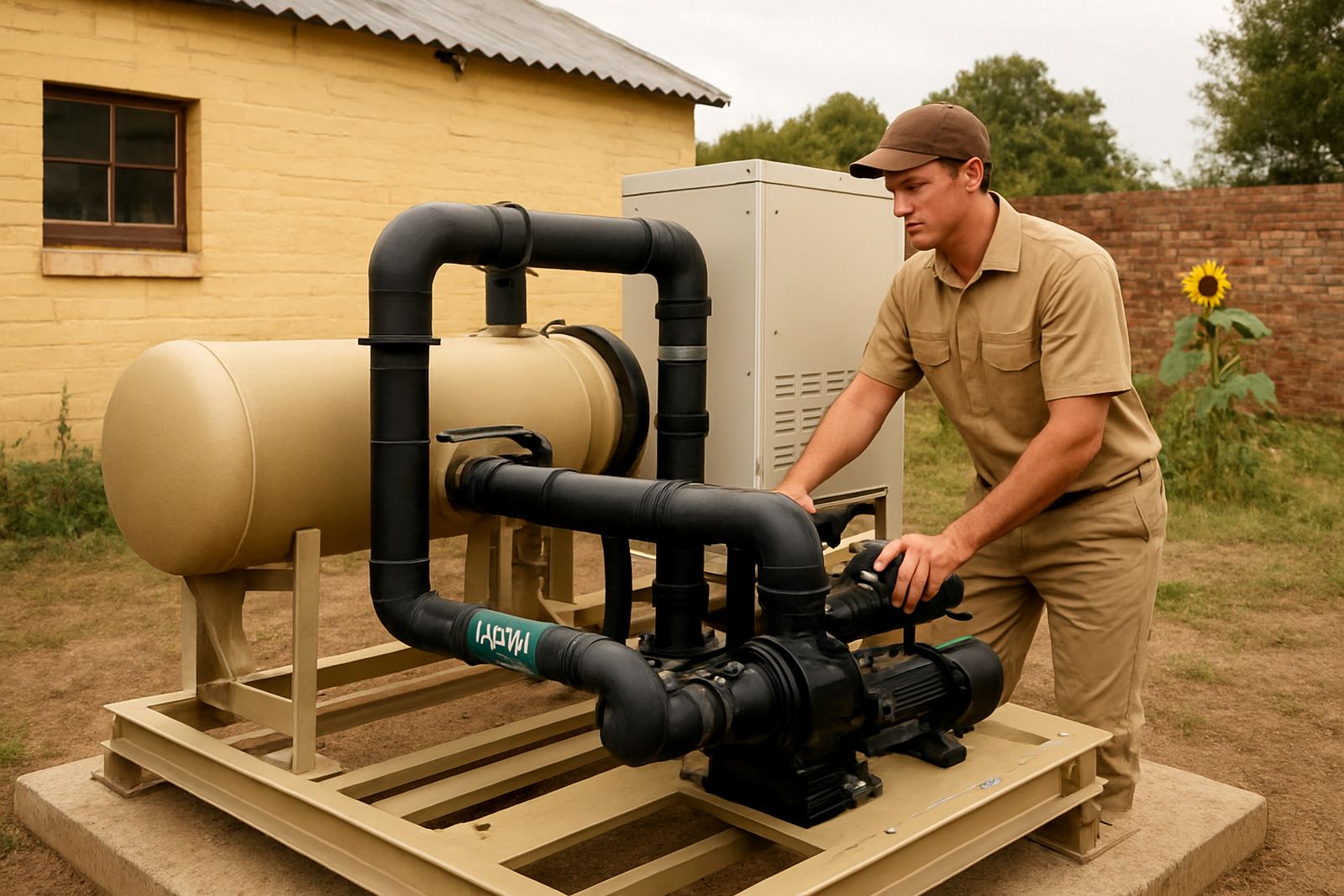
Not every site needs the same setup. Some production lines work best with a packaged chiller and a buffer tank. Others need a split arrangement, glycol circuits or a simple water-cooled solution. If the load is intermittent, oversizing the system is a common mistake. If the load is constant, a unit that is too small will never recover after start-up and you will see temperature drift during long runs.
As a rule, think about duty first. A stable 24 hour process may need a different answer from a factory that runs two shifts and shuts down over weekends. Also check how easy the equipment will be to service in your area. In places like Jeffreys Bay, Port Alfred or Graaff-Reinet, response times and spare parts planning matter just as much as the nameplate size.
- Air-cooled units suit many sites where water is limited
- Water-cooled systems can work well where water treatment is managed properly
- Glycol systems help where freeze protection is needed
- Buffer tanks reduce short cycling and temperature swings
- Variable speed controls can reduce power use on part-load days
If the machine is critical to production, build in a standby strategy. One breakdown should not stop the whole line.
Check the site conditions before you commit
Many cooling problems start outside the chiller. Poor airflow, dirty coils, bad pipe routing and weak electrical supply all affect performance. A site in Newton Park will have different dust and humidity pressures from a facility near the coast, and both can shorten component life if maintenance is skipped. Salt air can attack fins, pipe brackets and control panels, while fine dust blocks airflow and makes fans work harder.
Before installation or upgrade, check the basics carefully.
- Is there enough fresh air around the unit for discharge heat
- Can the plant floor carry the equipment weight safely
- Are pipe runs as short and direct as possible
- Is the supply voltage stable during load-shedding recovery
- Is there safe access for cleaning, leak checks and future repairs
Municipal and site rules also matter. Drainage, noise, and safe access paths can affect where equipment may be placed. A tidy layout now saves repeated call-outs later.
Build maintenance into the design from day one
A process cooling system should not be treated as fit-and-forget. Planned maintenance keeps the plant predictable, especially where production cannot stop for long repairs. The most common failures are simple ones: blocked coils, low refrigerant charge, dirty strainers, stuck valves, bad controls and weak pumps. These problems often show up first as higher amp draw, slower pull-down times or uneven product temperatures.
Set a clear maintenance routine and keep records for each asset. That makes it easier to spot a slow decline before it becomes a breakdown.
- Monthly checks on pressures, temperatures and amp draw
- Regular coil cleaning in dusty or coastal areas
- Leak detection and refrigerant charge checks
- Inspection of fans, contactors, belts and pumps
- Calibration of sensors and temperature controls
If your operation uses a cold room or chilled buffer as part of the process, include those items in the same maintenance plan. One weak point in the chain can pull the whole system off target.
Use energy controls to cut running costs
Energy use is often the biggest cost after the equipment purchase, so small control changes can make a real difference. In many Eastern Cape plants, older chillers run harder than they need to because setpoints are too low, controls are basic or sensors are out of calibration. A proper energy audit can show where the waste sits and which changes will pay back first.
Good energy-saving measures often include control upgrades, fan speed control, better sequencing, and temperature monitoring. If the process allows it, widen the temperature band slightly rather than forcing a tight setpoint all day. That can reduce compressor run time and help the plant ride through hot afternoons and power interruptions more cleanly.
Where older systems are still running, a retrofit may be the better choice than full replacement. That can include low-GWP gas conversions where suitable, improved controls, leak repairs and smarter load management. The aim is simple: keep the process steady without paying for wasted cooling.
A simple buying and retrofit checklist for plant managers
When you compare options, keep the conversation practical. Ask for figures that relate to your real production load, not just catalogue data. A useful proposal should explain expected temperatures, duty cycle, service access and what happens when the line stops or restarts after a power cut.
Use this checklist before signing off any job.
- Correct load calculation based on actual production
- Clear explanation of spare capacity and recovery time
- Compatibility with current pumps, pipework and controls
- Provision for maintenance access and cleaning
- Power failure recovery plan and restart procedure
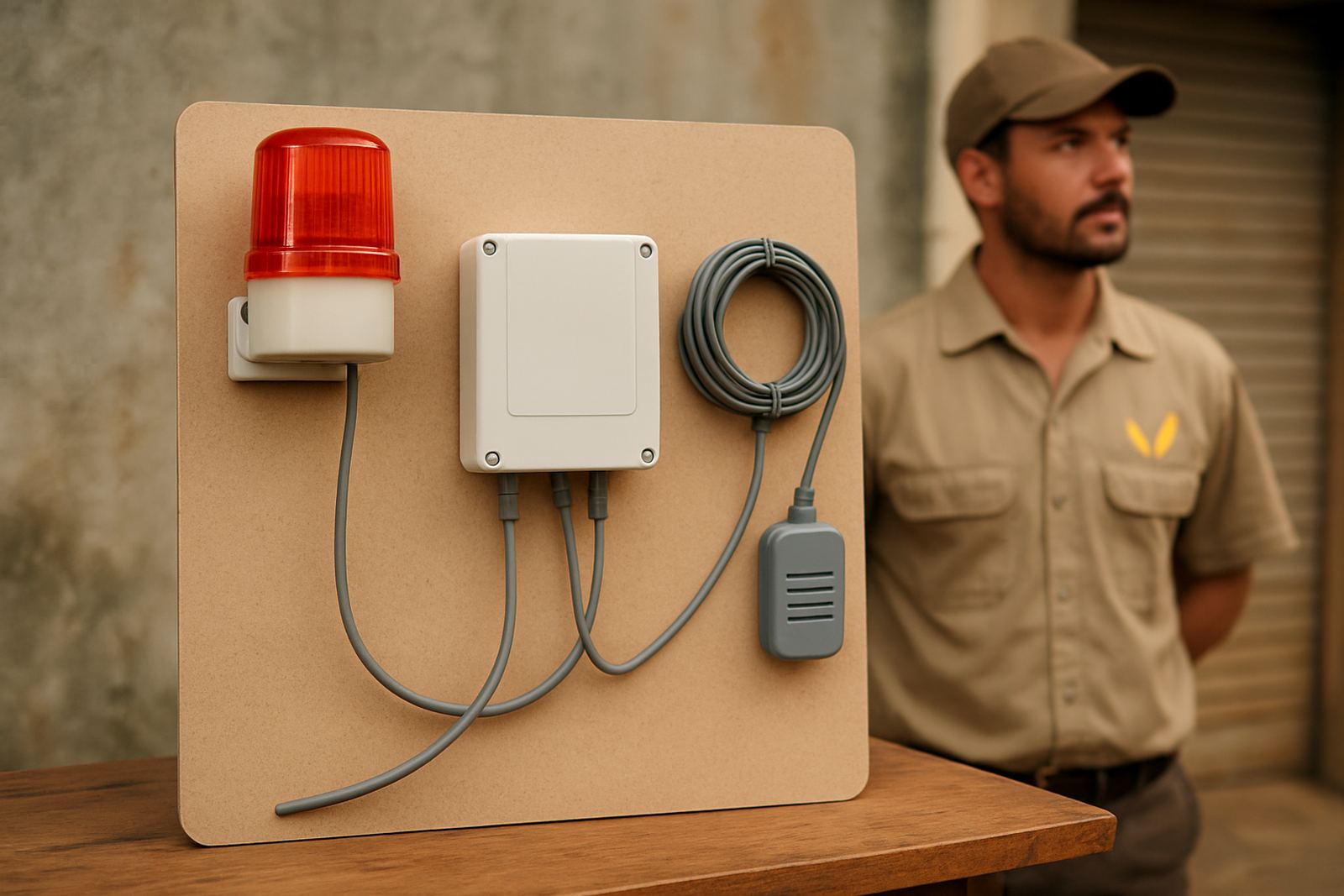
- Temperature monitoring and alarm points
- Expected running cost and service schedule
If the system supports critical production, ask for a commissioning report and keep it on file. That gives your team a baseline for future call-outs and service decisions.