What an energy audit checks on a working refrigeration site
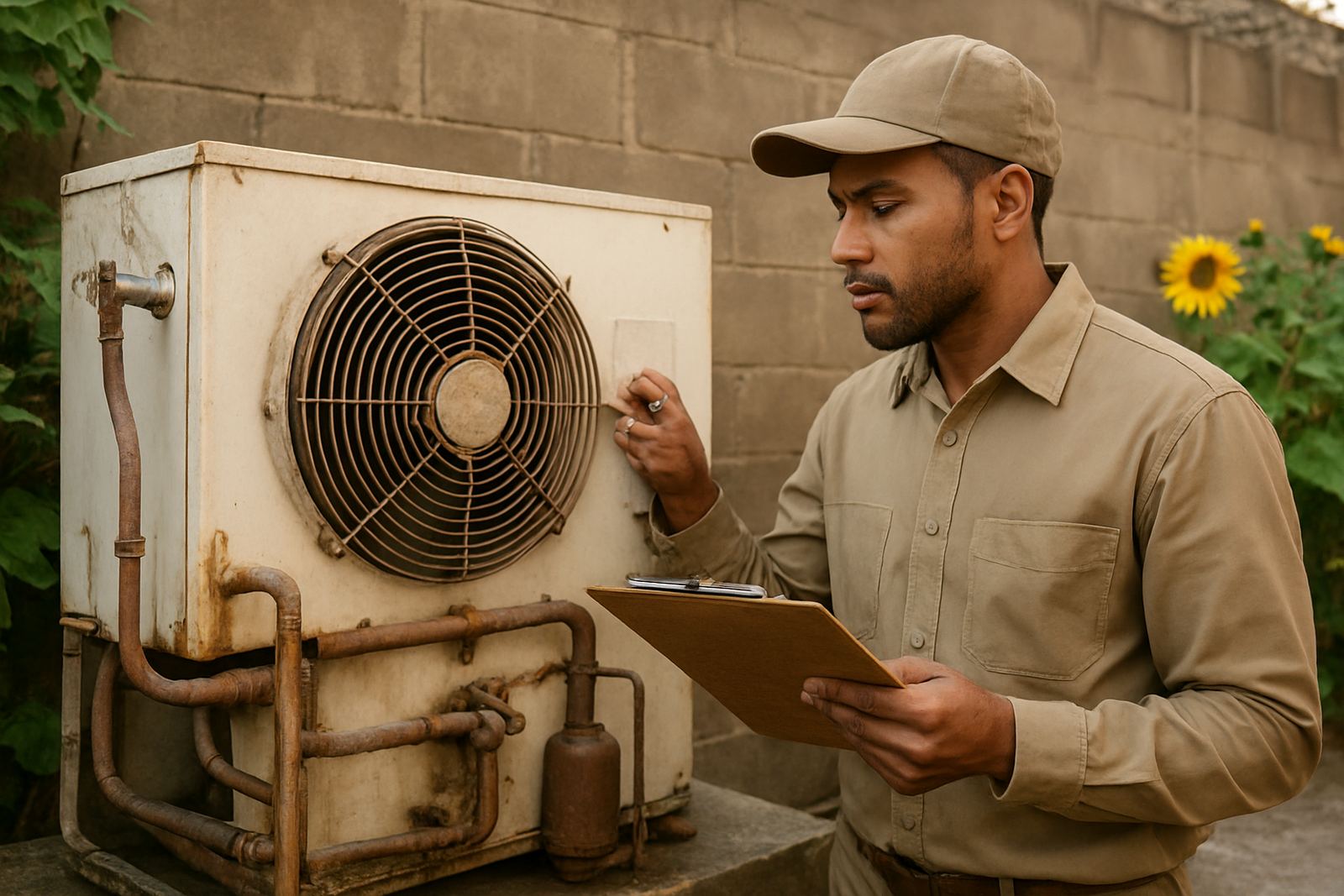
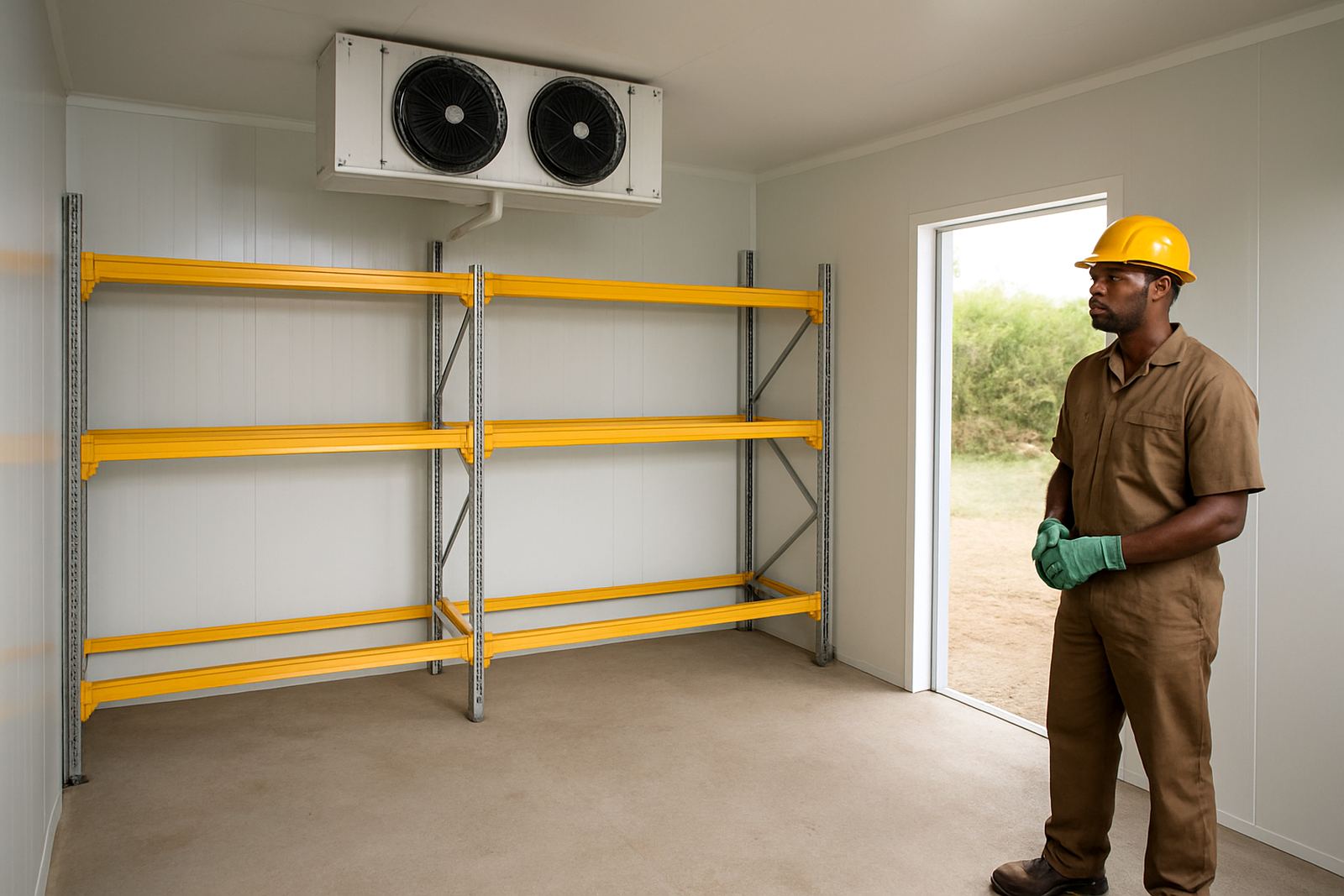
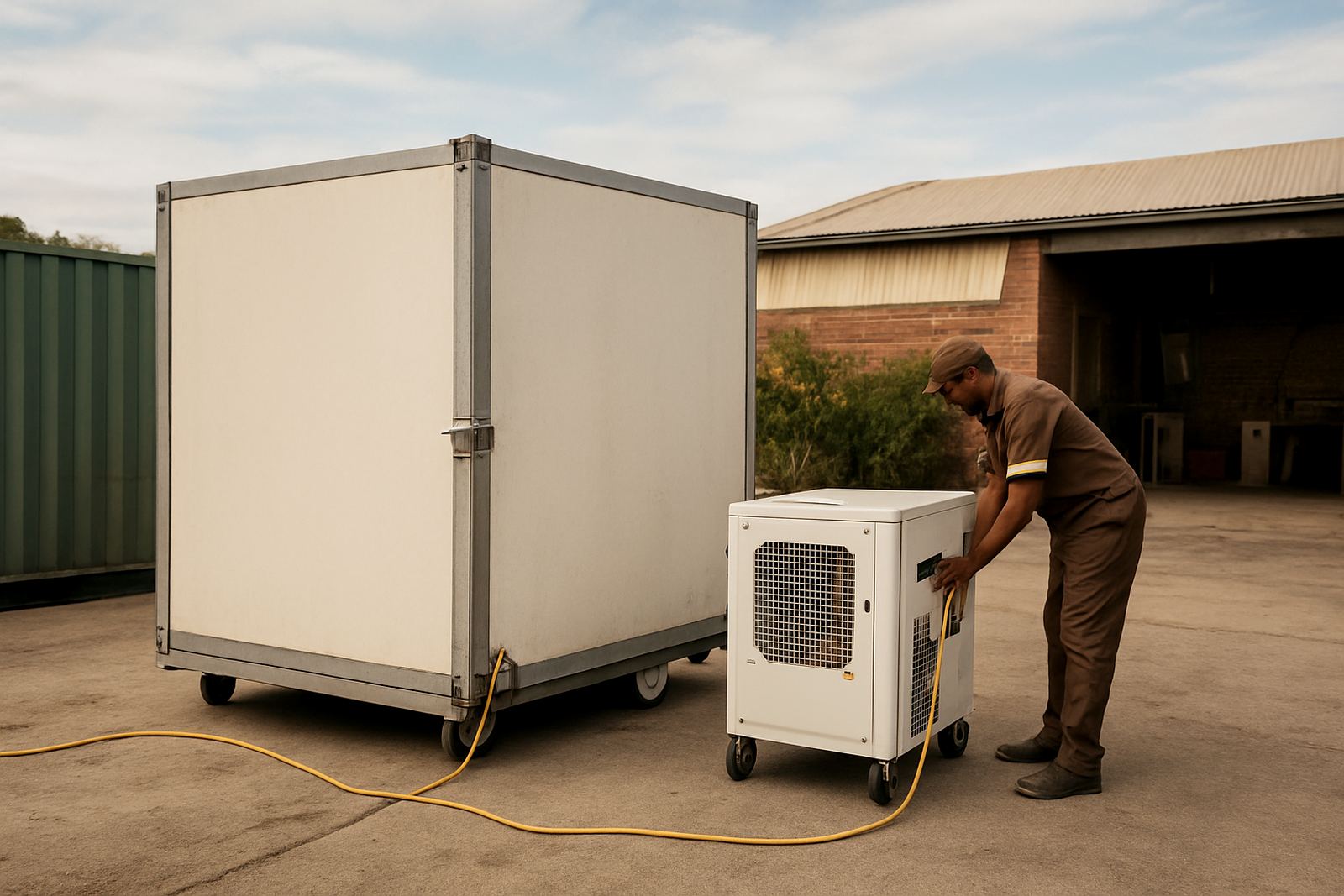
An energy audit is not just a look at the electricity account. It checks how your refrigeration plant is running day to day, how often it starts and stops, whether temperatures are being held within range, and how much power is being spent to do it. On a site with cold rooms, chillers, bottle coolers or process cooling, the main losses usually sit in plain sight: dirty coils, worn door seals, poor defrost settings, leaking gas, failed fans and controls that no longer match the load.
In coastal areas such as Gqeberha and Port Alfred, salt in the air can speed up coil fouling and corrosion. In inland towns like Graaff-Reinet, high summer heat and dust can put extra strain on condensing units. A proper audit takes those local conditions into account, because the same plant will not perform the same way in every town.
- Power use by cabinet, cold room or chiller circuit
- Temperature drift and how often it happens
- Compressor run time, cycling and short cycling
- Coil condition, airflow and fan performance
- Door closure habits, seals and loading practices
- Controls, probes, alarms and set points
The signs your site may be wasting energy already
Many sites only start asking questions once the utility bill jumps or a product loss happens. By then the waste has usually been building for months. If staff have to keep adjusting controls, if cold rooms feel fine near the doorway but warm at the back, or if the plant seems to run almost all the time, there is a good chance the system is under pressure.
Other warning signs are quieter. A chiller that makes more noise than it used to, frost that keeps returning, or repeated call-outs for the same circuit all point to hidden losses. Sometimes the problem is a small air leak around a door. Sometimes it is a control fault that causes compressors to work harder than needed. A site can look normal and still be costing far more than it should.
- Higher than expected electricity use with no increase in production
- Uneven product temperatures inside the same cold room
- Ice build-up on coils or around doors
- Frequent trips, alarms or manual resets
- Fans running louder or less efficiently than before
How Nvirocool carries out an energy audit
We start with a walk-through of the plant, the loading areas and the controls. Then we check the equipment against the way the site actually operates, not just the manual on paper. That means looking at operating hours, load patterns, defrost cycles, maintenance history and whether the plant is sized correctly for what it now serves.
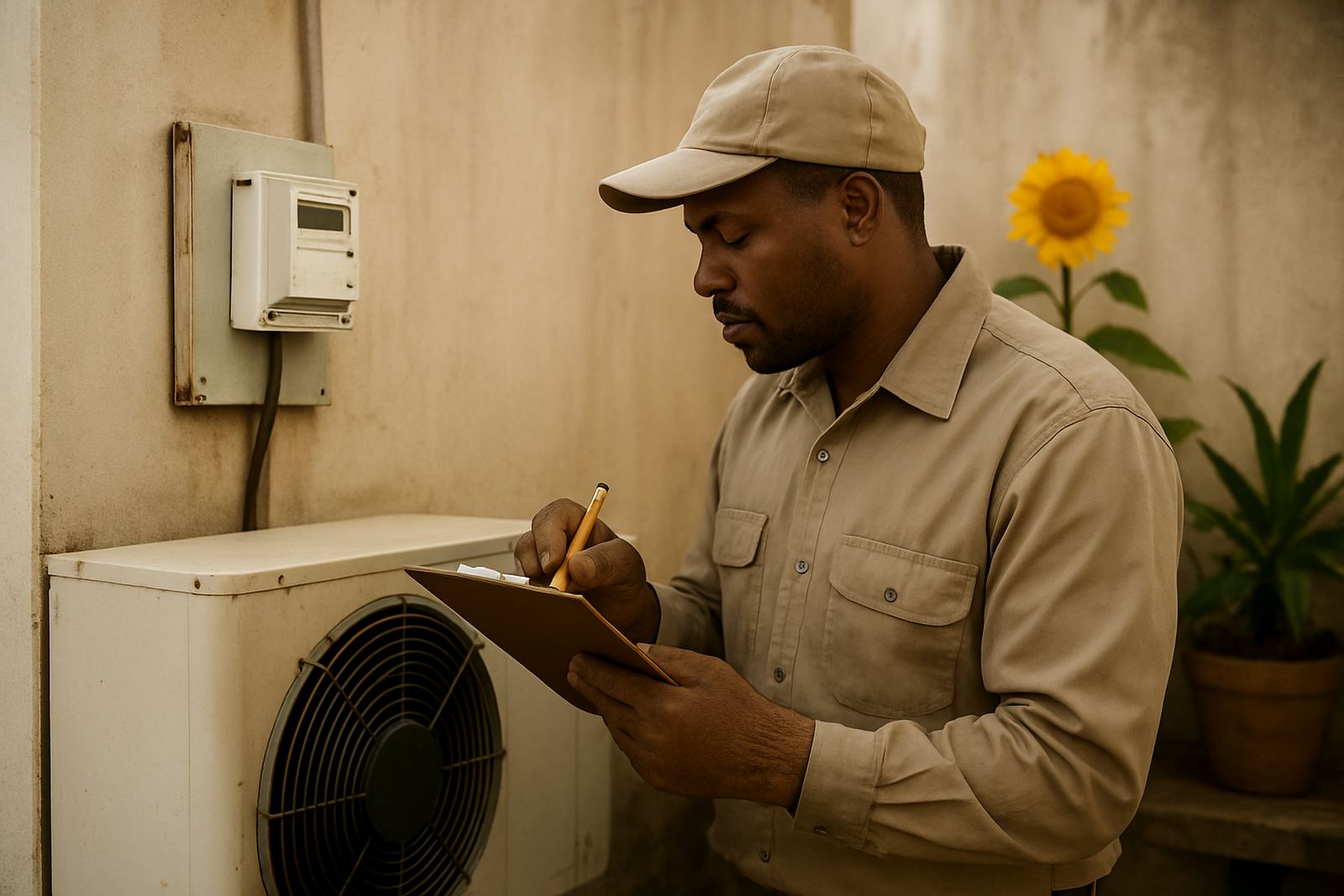
From there we measure the parts that matter most. That may include temperature logs, amp readings, suction and discharge pressures, airflow checks, probe accuracy and door usage. Where needed, we compare the findings against utility use over a period of weeks. If a site in Despatch or Uitenhage is running through load-shedding on backup power, we also check how the system behaves when supply changes or voltage dips.
The output is a practical report with actions ranked by cost and likely saving. Some fixes are quick, like replacing seals or cleaning coils. Others need planning, such as a control upgrade or a chiller retrofit. The point is to give the site a clear order of work, not a stack of notes that never gets used.
Checklist before the audit day
If you want the audit to be useful, get the right records and site access ready. The more complete the information, the easier it is to separate normal running from wasted running. Keep the records simple and organised, even if some of them are handwritten or from different times of the year.
- Recent electricity accounts or meter readings
- Equipment list with model numbers, sizes and approximate age
- Service history and breakdown notes
- Temperature records for cold rooms or product storage
- Any complaints about warm spots, icing or noisy running
- Shift times, door usage and loading schedule
- Details of backup power, generators or inverter systems
It also helps to nominate one staff member who knows the daily routine. A good audit relies on practical answers. For example, when are doors open longest, which room carries the heaviest load, and which area gets the most call-outs. Those details often point straight to avoidable cost.
What changes usually save the most money
The biggest savings are often not dramatic. They come from a chain of small fixes that reduce the load on the plant. Cleaning coils can improve heat transfer and reduce compressor effort. Repairing door seals keeps warm air out. Resetting set points and defrost cycles can stop unnecessary running. In some cases, a control upgrade gives better temperature control and fewer starts, which helps on sites that have regular outages or unstable supply.
Where plant is older, a low-GWP conversion or chiller retrofit may be the better answer. That is especially true when a system has become expensive to keep alive through repeated repairs. If the compressor is sound but the controls are old, a targeted upgrade may be enough. If the refrigerant circuit is leaking often, a conversion or staged replacement may make more sense than another patch job. On the coast, corrosion and humidity can make preventative work even more worthwhile.
Not every saving needs new equipment. Some sites cut costs by changing loading habits, keeping condenser areas clear, fixing damaged insulation and scheduling planned maintenance before the busy season. Small habits, repeated daily can have a big effect on the bill.
Turning audit findings into a maintenance plan
An audit should lead to action within a clear time frame. We normally group findings into urgent repairs, short-term savings and longer-term upgrades. Urgent items include leaks, failed fans, faulty probes and anything affecting food safety or product quality. Short-term items might be coil cleaning, control adjustments or replacing worn seals. Longer-term work can include energy-saving retrofits, leak reduction planning and a maintenance cycle that suits the site rather than the calendar alone.
For many Eastern Cape businesses, the best results come from combining planned maintenance with measured follow-up. Once the first round of fixes is complete, check the same readings again. If the current draw has dropped and temperatures are steadier, the saving is real. If not, the next issue is easier to isolate. That is how a site moves from guesswork to proper control, without wasting time or money.
When to book an audit and who should be involved
Book an energy audit when bills rise, when a new site is struggling to stabilise, or before a summer peak puts extra pressure on your plant. It is also worth doing after repeated breakdowns, after major changes in production, or when an older system is due for review. For sites in Jeffreys Bay, Gqeberha, Port Alfred and beyond, timing the audit before the hot months can prevent avoidable strain later.
It helps to include the person who handles utilities, the staff member who watches temperatures, and whoever signs off on maintenance spend. That way the findings can be acted on quickly. If everyone sees the same numbers, it is easier to agree on what must happen first and what can wait.
At Nvirocool, we support refrigeration sites from Newton Park across the Eastern Cape with energy audits, leak detection, coil cleaning, control upgrades, temperature monitoring and maintenance planning. If your plant is costing more than it should, an audit is a practical place to start.