Start With the Equipment List and Risk Points
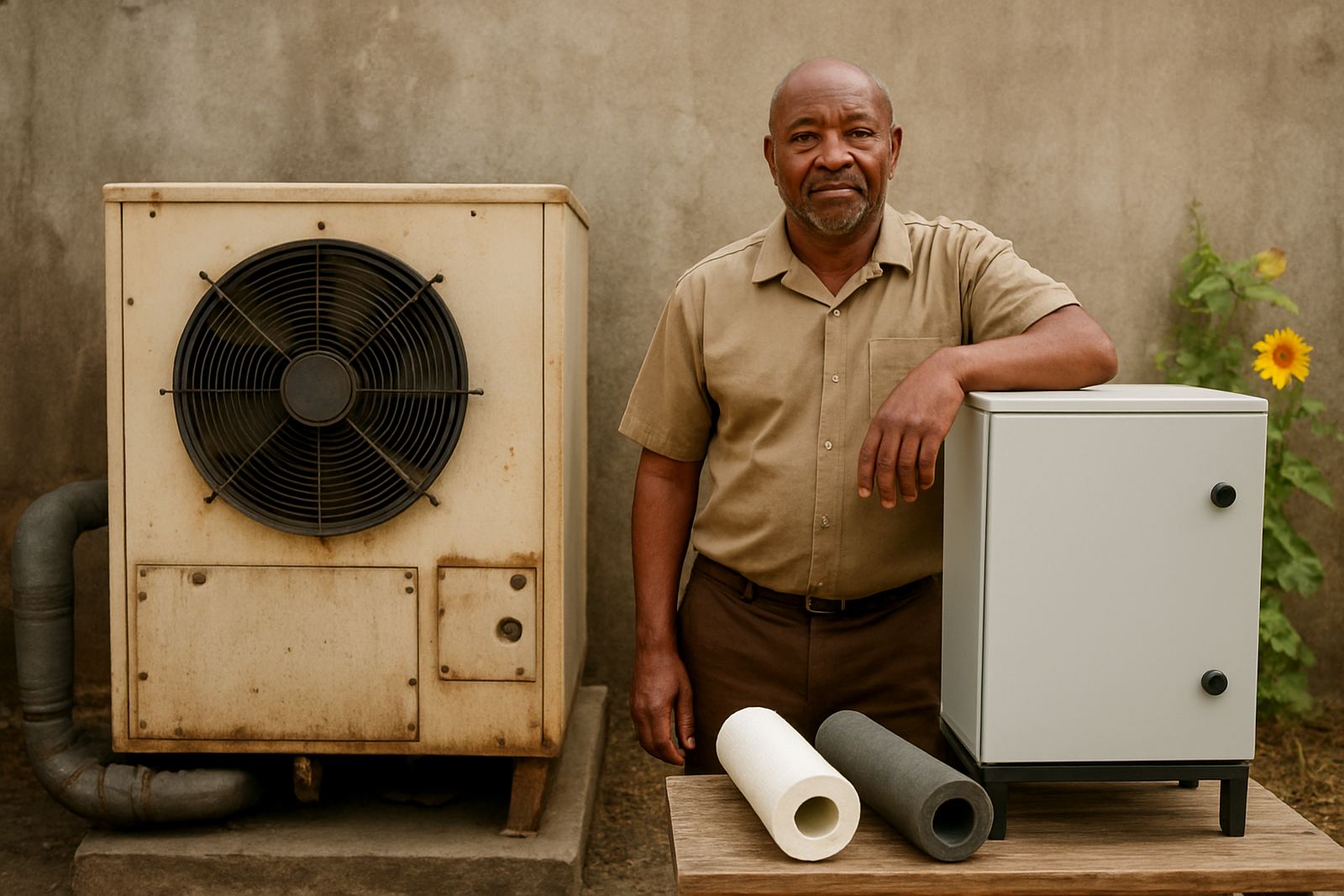
Begin by listing every unit that keeps product safe or supports production. That includes cold rooms, chillers, display cabinets, ice machines, evaporators, condensers, pumps, controllers and all temperature probes. In Gqeberha and the Eastern Cape, salt air, dust and power interruptions can shorten service life, so the plan should note where each unit sits and what it is exposed to.
For each item, record the model, refrigerant type, age, last service date, and the normal operating range. Also note any area that is hard to reach, such as roof mounted condensers or plant rooms with poor ventilation. That makes it easier to decide which assets need more frequent checks and which ones can run on a standard schedule.
- Asset name and location
- Current temperature set point
- Refrigerant type and charge history
- Service interval and last visit date
- Known faults, noise, icing or short cycling
Build a Service Schedule That Matches the Site
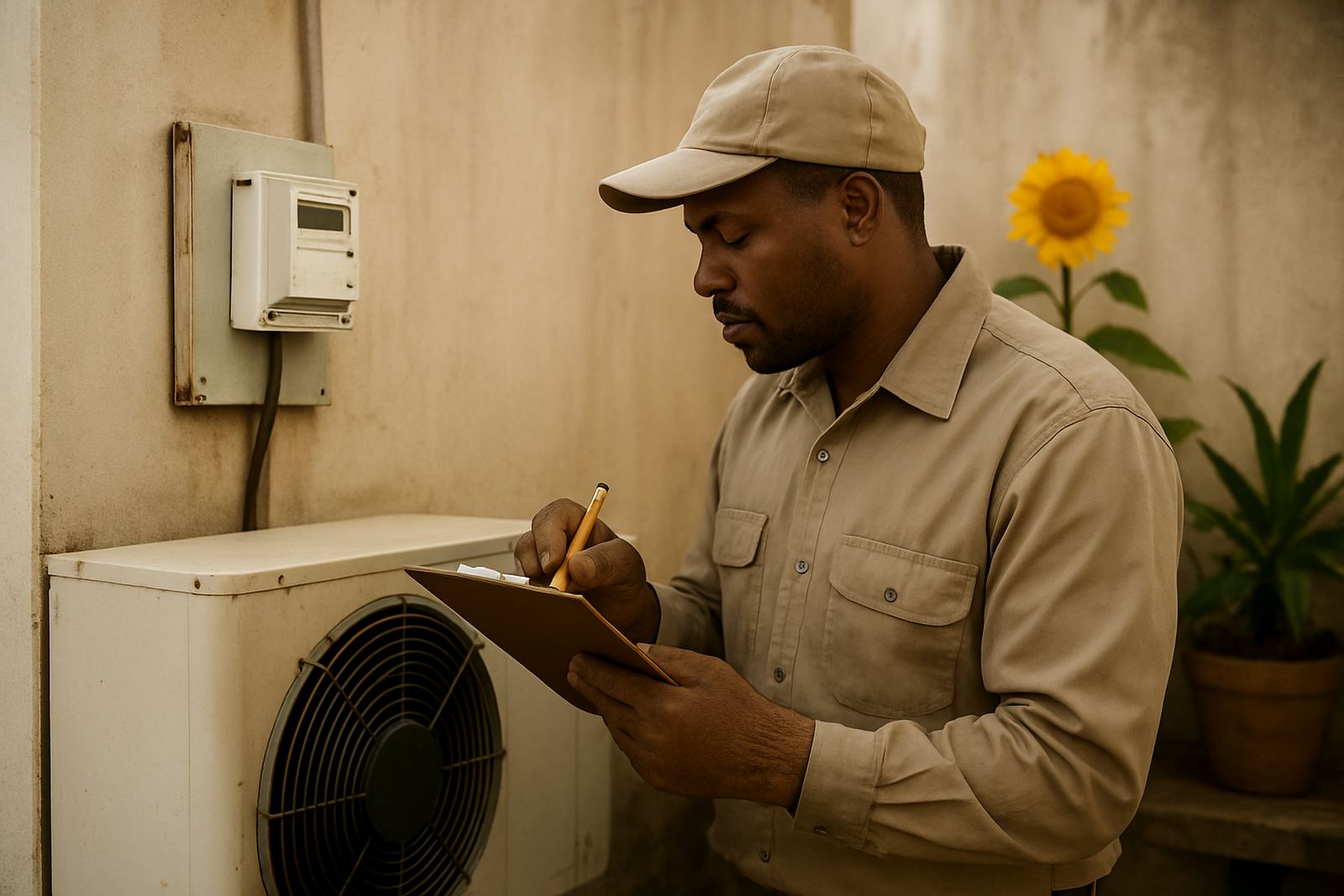
A single monthly visit is not enough for every site. A butcher, fruit packhouse, restaurant, school kitchen and medical storage room all have different risks. The plan should show what gets checked weekly, monthly, quarterly and yearly. If the site runs through load-shedding, the schedule should also cover generator changeover, restart checks and alarm testing after an outage.
On the coast, condenser fins and electrical terminals often need closer attention because moisture and salt can cause corrosion. In inland towns like Graaff-Reinet, dust build-up can block air flow and push up running costs. A proper plan takes those local conditions into account instead of using the same visit pattern everywhere.
- Weekly: temperatures, alarms, doors, seals and visible leaks
- Monthly: coil condition, fan operation, drain lines and insulation
- Quarterly: electrical terminals, contactors, pressures and controls
- Yearly: full system review, calibration and energy use check
Include Cleaning, Calibration and Leak Checks
Cleaning is not cosmetic. Dirty coils make compressors work harder, which means higher power use and more wear. A plan should state how often evaporator and condenser coils are cleaned, who does it, and what cleaning method is safe for the equipment. It should also include drain pan checks, because blocked drains can lead to ice, water damage and product spoilage.
Calibration is just as important. If a probe is off by even 2 degrees C, the whole room may drift outside spec. That can affect meat, dairy, frozen goods and chilled produce. Leak detection should be part of every maintenance cycle, not only when gas levels drop. Small leaks are often the ones that cost the most over time.
- Clean coils without bending fins
- Check drain lines for slime and blockages
- Test temperature probes against a reference meter
- Inspect pipe joints, valves and service ports for leaks
- Confirm fan motors are running at the correct speed
Set Clear Response Times for Breakdowns
When a cold room starts rising out of range, every minute counts. Your maintenance plan should say who gets called first, what information is needed, and how quickly a technician must attend. It should also define what is considered an urgent breakdown and what can wait for planned repair. That keeps staff calm and reduces losses when something fails at 6am or on a public holiday.
A useful plan includes a simple fault report form. Staff should log the time, alarm message, product affected, any smell or noise, and whether the room was opened repeatedly. The more detail there is, the faster the technician can find the cause and get the system stable again.
For businesses in Jeffreys Bay, Port Alfred or rural service points, the plan should also allow for travel time and parts availability. It is better to be honest about response times than promise something no one can keep.
Add Energy Checks and Retrofit Reviews
Maintenance should not only keep the plant alive. It should also cut waste. A good plan includes energy checks that compare current power use with past readings, especially after a compressor change, control upgrade or low-GWP gas conversion. If a unit has been running harder than usual, the plan should flag it for inspection before the bill climbs again.
Retrofit reviews are useful for older chillers and cold rooms that still work but cost too much to run. The review can look at controls, valve condition, fan motors, insulation, and whether a system can be improved without a full replacement. That kind of planning helps businesses in Gqeberha, Despatch and Uitenhage manage spend better over time.
- Check monthly kWh use against production or stock levels
- Look for short cycling and unnecessary defrost cycles
- Review set points after product changes
- Assess whether control upgrades will reduce waste
- Record any savings after repairs or conversions
Keep Records That Help With Compliance and Planning
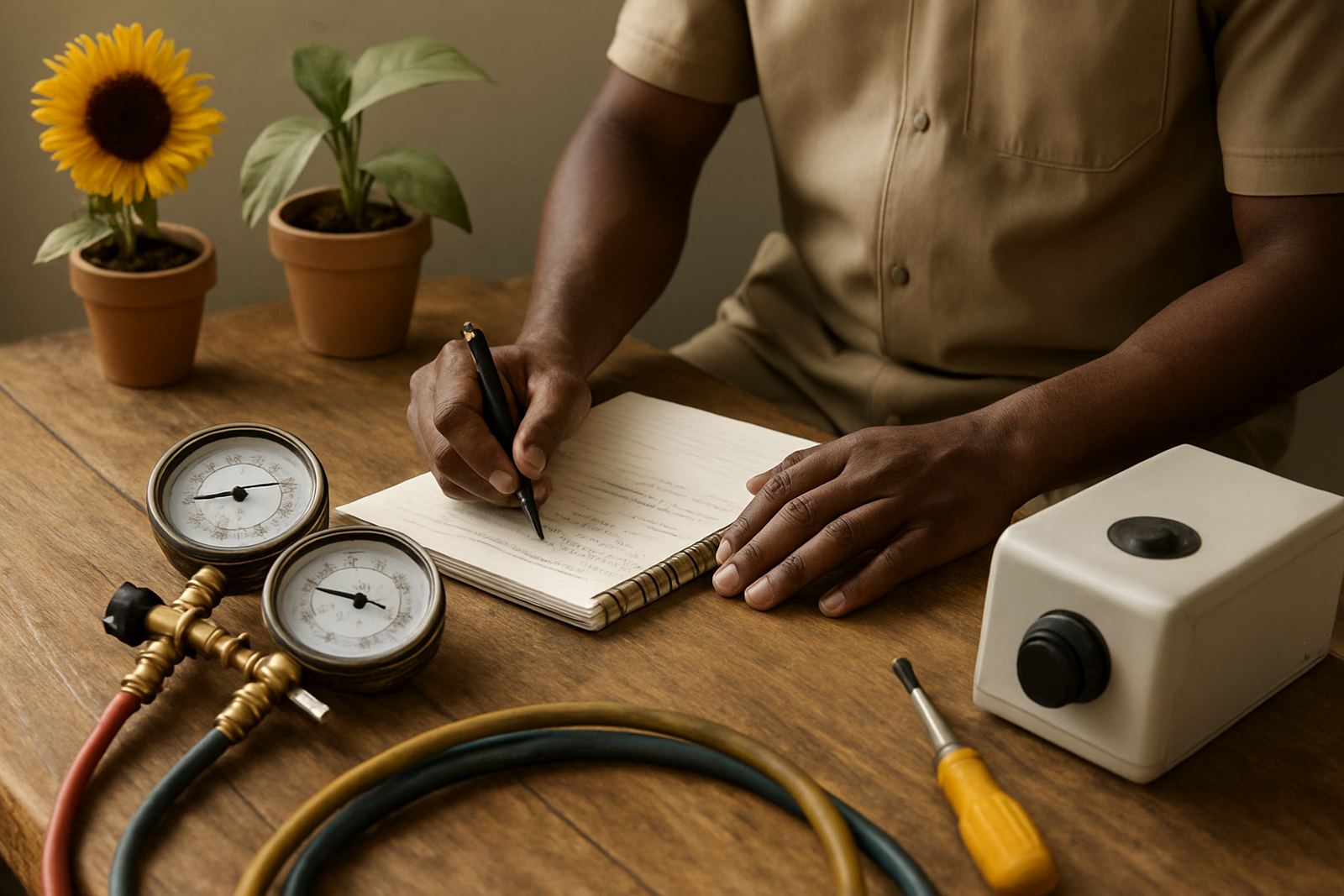
Good records make maintenance easier to prove and easier to manage. The plan should store service reports, temperature logs, leak checks, calibration results, parts replaced and any recommendations still outstanding. If a municipal inspection, insurer query or internal audit comes up, those records save time and confusion.
Records also help managers plan for replacement. If the same evaporator fails every few months, or a chiller needs repeated top ups, the history shows whether repair is still worth it. Keep the notes simple enough that the next person can follow them without guessing, especially when teams change or the site is busy.
At Nvirocool, we usually recommend one file per asset, plus a monthly summary for the site manager. That keeps the details tidy and makes year-end planning far easier.