Start with the real problem, not the equipment age
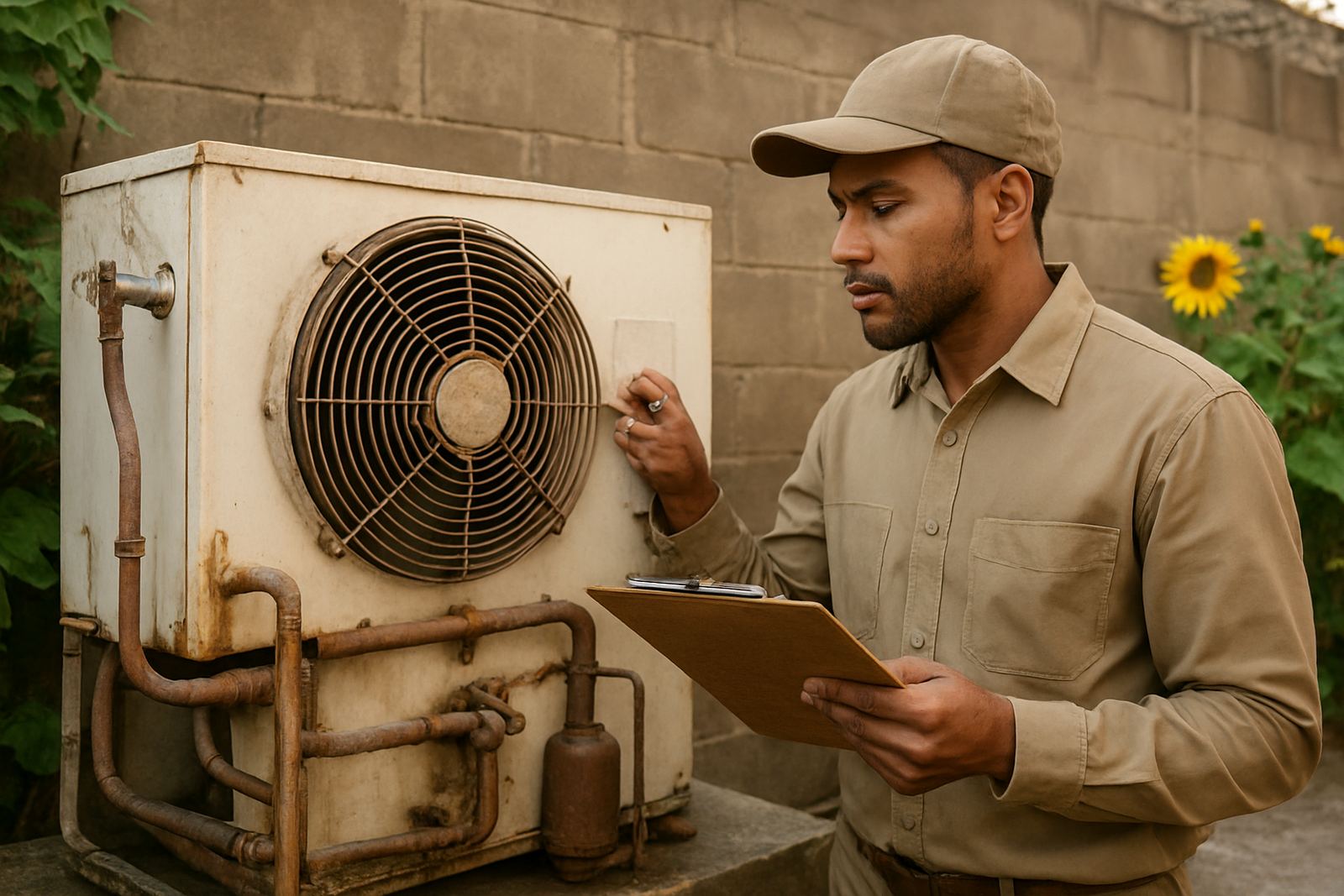
A chiller that is 10 or 15 years old is not automatically due for replacement. What matters is what it is costing you now in power, call-outs, product risk and lost production. In the Eastern Cape we often see units that still run, but struggle during hot spells, power dips and long shutdowns after load-shedding. If the chilled water temp keeps drifting, or staff are constantly resetting alarms, you need a proper picture before signing off on a major spend.
Start by listing the faults you are seeing. Are you losing temperature under peak load, or only after a warm restart? Is the unit short cycling? Are compressors drawing too much current? Is the fault electrical, control related, or a refrigerant issue? A clear fault pattern tells you if a retrofit can solve the problem, or if the machine is near the end of its useful life.
- How often do breakdowns happen in a month?
- What is the longest safe outage your operation can handle?
- Are spare parts still available without long delays?
- Is the chiller failing under normal load, or only during high ambient conditions?
Check the running cost before you compare quotes
Many upgrade decisions are made on the purchase price alone, but a chiller spends years on the electricity bill. A cheaper repair can become expensive if the machine keeps pulling high amps, losing refrigerant or running with poor controls. If you are in Port Alfred, Jeffreys Bay or along the coast, salty air and humidity can also speed up corrosion on coils, terminals and fan parts.
Ask for a simple before-and-after comparison. You want the expected power draw, cooling capacity, maintenance frequency and likely refrigerant losses. If the current chiller is being pushed with dirty coils or bad control settings, a retrofit may pay back faster than you think. But if the compressor package is worn, or the shell and tube side is scaled up badly, a replacement may work out better over 5 to 7 years.
- Current monthly kWh use for the chiller circuit
- Average cost per breakdown call-out
- Estimated savings after control upgrades or VSD changes
- Water quality condition if the system uses water cooled equipment
Questions to ask before choosing retrofit or replacement
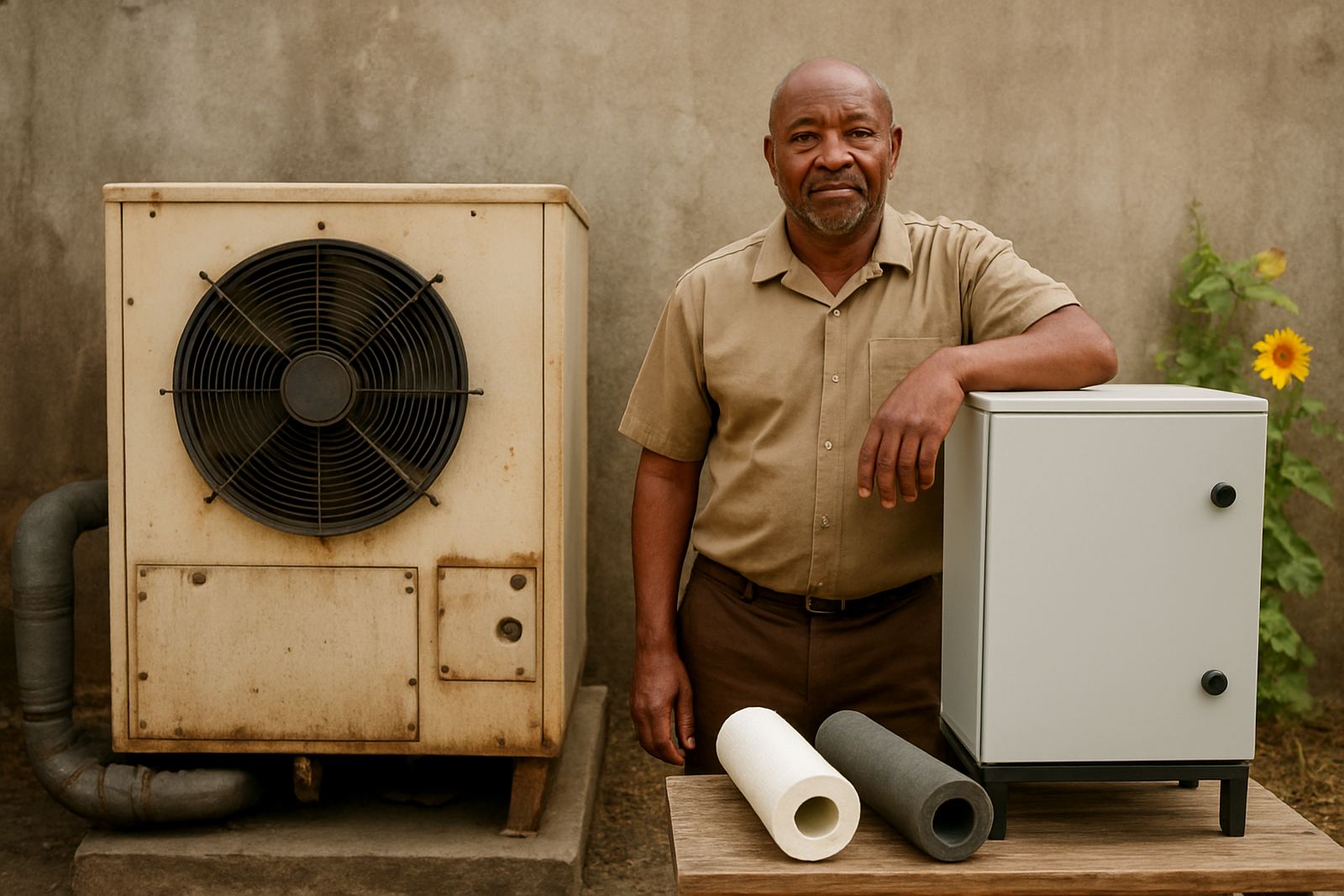
Not every chiller should be retrofitted. Some units can take control upgrades, leak repairs, coil cleaning and motor improvements. Others need a full change-out because the frame, heat exchangers or core components are simply past it. Ask these questions before you decide:
- Can the existing unit meet the required load after upgrades?
- Will the current refrigerant remain available and legal for continued use?
- Is the compressor healthy enough for more years of service?
- Can the plant room handle the electrical changes, pipe work and access needed?
- Will the upgrade reduce risk during summer peaks and power interruptions?
If the answer to most of these is no, then you are likely better off replacing the unit. If the base machine is sound, a retrofit can often give good value, especially where a business wants to control capital spend this year and protect cash flow.
Plan for local conditions in Gqeberha and beyond
Chiller projects in Newton Park are not the same as inland work in Graaff-Reinet or coastal work in Jeffreys Bay. Heat, dust, salt air, water quality and site access all change the decision. A unit that looks fine on paper can struggle if the condenser is clogged with lint, the control panel is exposed to damp air, or the plant room has poor ventilation. In older sites around Uitenhage and Despatch, we also see limited space for lifting equipment and awkward pipe routes, which affects downtime and cost.
Municipal and site rules matter too. Some sites need hot works permits, lift plans, after-hours access or sign-off before refrigerant handling starts. If the project involves low-GWP gas changes, make sure the team is set up for proper recovery, pressure testing and leak checks. Skipping those steps can create an expensive repair later on.
Use this local checklist before the project starts:
- Is there enough space for servicing the condenser and electrical panel?
- Will work need to be done after hours to avoid production loss?
- Is the roof or plant base sound for new equipment weight?
- Are drainage and condensate routes clear?
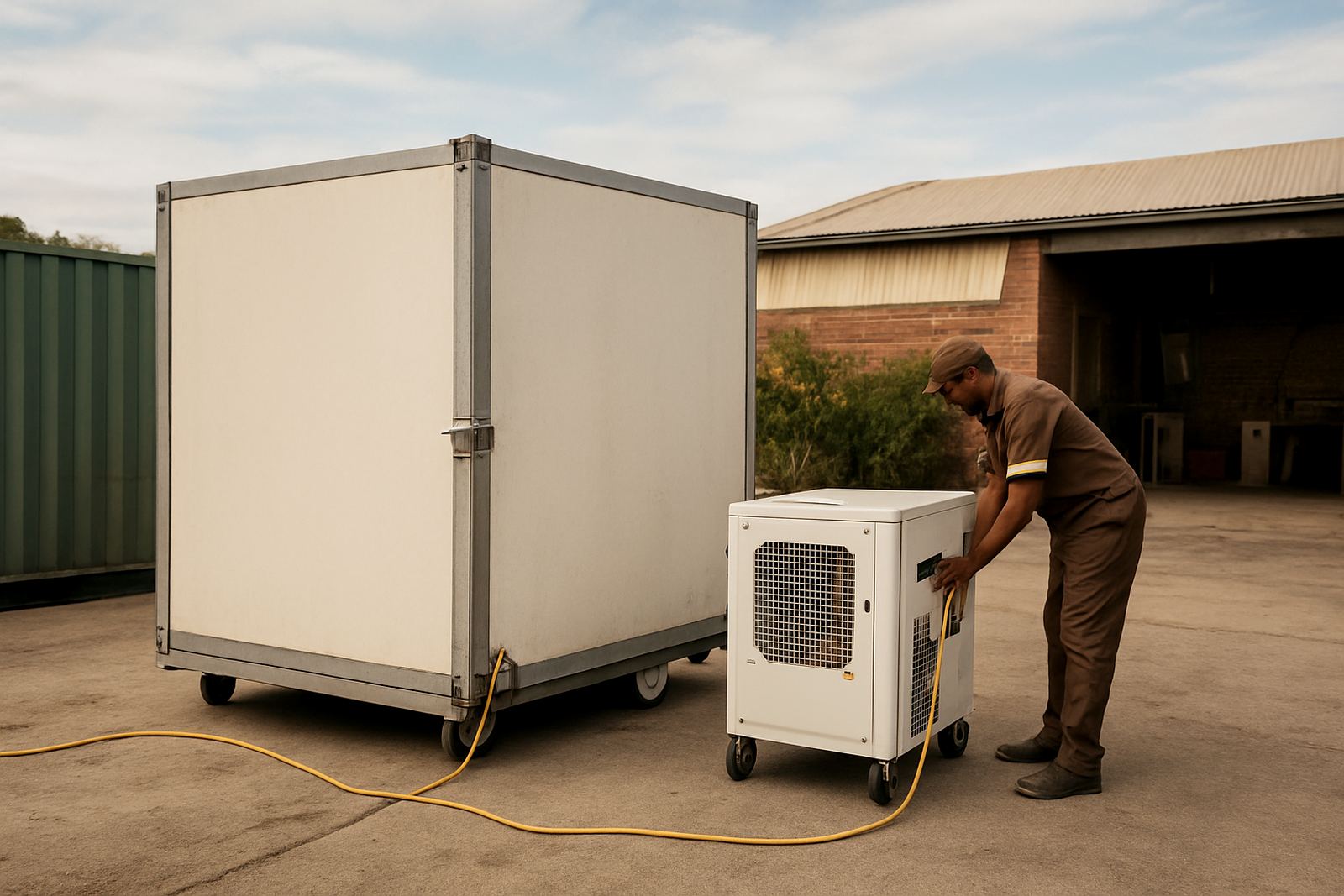
- Can the site cope with temporary shutdowns during changeover?
How to measure if the upgrade will really help
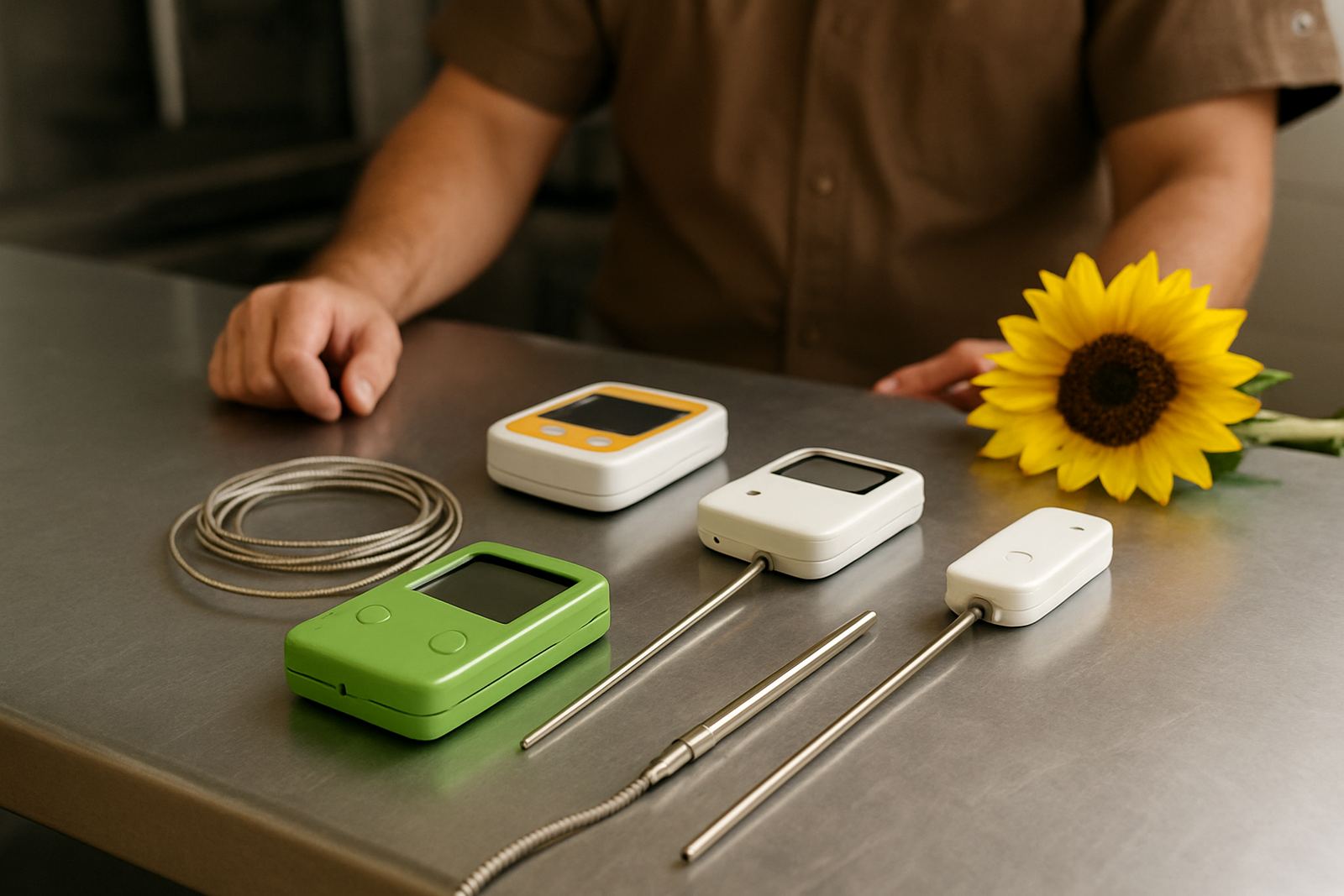
A good retrofit should be measured, not guessed. Before work starts, record the current suction and discharge pressures, chilled water temperatures, ambient temperature, compressor amps and alarm history. After the upgrade, compare the same readings under similar load. If the numbers only improve on paper but the plant still struggles in practice, something was missed.
Energy audits are useful here because they show where savings will come from. Sometimes the biggest gain is not a new compressor at all, but coil cleaning, control tuning, better temperature monitoring or fixing a slow refrigerant leak. We also find that poor setpoints and worn sensors cause a lot of unnecessary running time. A small fault can push a unit to work far harder than it should, and the owner only notices on the electricity bill.
If your operation runs cold rooms or chilled process loads, ask for a trial period with logged data. That gives you proof before committing to a larger spend.
A practical pre-approval checklist for managers
Before approving a chiller retrofit or replacement, collect the facts in one place. It saves time and keeps the decision tied to operations, not just panic after a breakdown.
- Age of the chiller and service history for the last 24 months
- Breakdown frequency and any lost stock or downtime costs
- Electrical load, starting current and control issues
- Condition of coils, valves, sensors and pipe insulation
- Refrigerant type, leak history and recovery needs
- Available budget for immediate repair versus planned upgrade
- Expected return from lower energy use or fewer emergency call-outs
When these points are on the table, it becomes easier to decide whether a repair, retrofit or full replacement gives the best value. That is especially true for businesses trying to keep production steady through summer peaks and scheduled power cuts.
When to call for a site assessment
If you are unsure, bring in a proper site assessment before signing anything. The assessment should look at the chiller itself, the controls, the installation area and the business load profile. It should also cover maintenance access, spare part risk and any changes needed to meet current refrigerant or safety requirements. A good assessment does not just quote on a machine, it tells you what will happen to uptime, running cost and service life.
Nvirocool works with businesses across Gqeberha, Uitenhage, Despatch, Jeffreys Bay, Graaff-Reinet and Port Alfred on planned maintenance, breakdown response, low-GWP conversions, energy audits and control upgrades. If you need a practical view on whether to retrofit or replace, start with a site visit and real operating data. That way you spend once, and spend wiser.