Why the Jeffreys Bay plant needed a tighter cooling loop
The client was a small beverage producer working from a production space in Jeffreys Bay, serving local trade and regional deliveries into the Eastern Cape. Their fermentation temperatures were drifting by several degrees during warm spells, and that showed up in product consistency, longer batch times and extra pressure on the operators who were trying to keep things stable by hand.
The brief was practical. They wanted better control without replacing the whole refrigeration plant, and they needed a plan that could cope with coastal humidity, intermittent power cuts and the realities of a busy small facility. There was also a maintenance side to it because the site could not afford repeated callouts every time temperatures started to wander. It needed to be sorted once and tracked properly.
Site constraints and the brief we worked to
We started with a check of the existing glycol circuit, the fermentation load profile and the control arrangement. The site had limited plant-room space, some older pipework runs and a few access issues around the tanks, so any change had to be done without shutting production down for long. The owners also wanted to keep operating costs under control because electricity prices and downtime were both hurting margins.
- Location: Jeffreys Bay, Eastern Cape
- Production type: small beverage fermentation and chilling support
- Main issue: temperature drift in the glycol loop
- Constraints: short shutdown windows, coastal humidity, load-shedding risk
- Goal: steadier fermentation and less manual intervention
There was one more wrinkle. The existing setup had been patched over time, so the controls were doing more guessing than governing. We needed to tidy up the whole loop, not just add a bigger pump or turn the thermostat down and hope for the best.
What Nvirocool supplied and changed
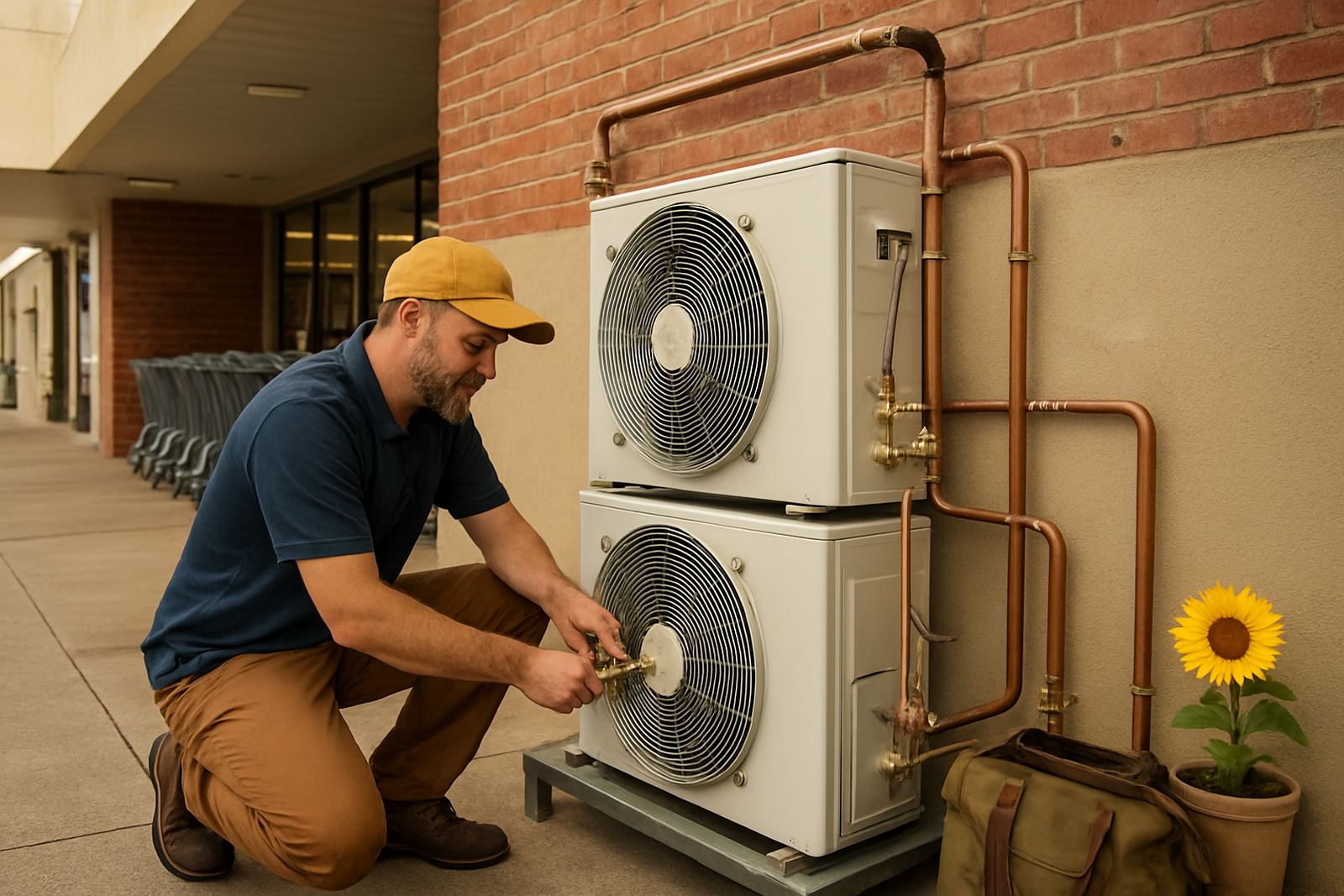
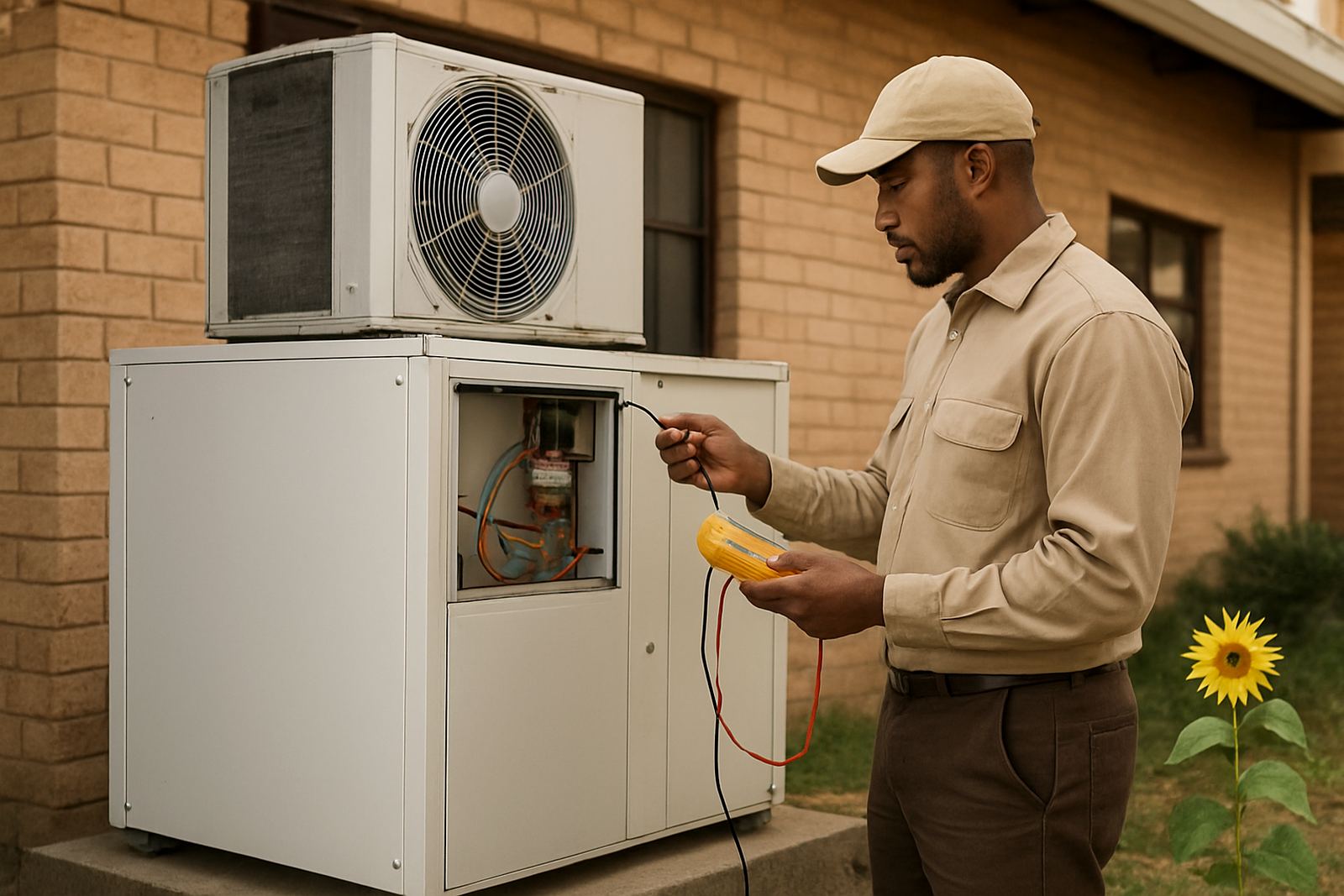
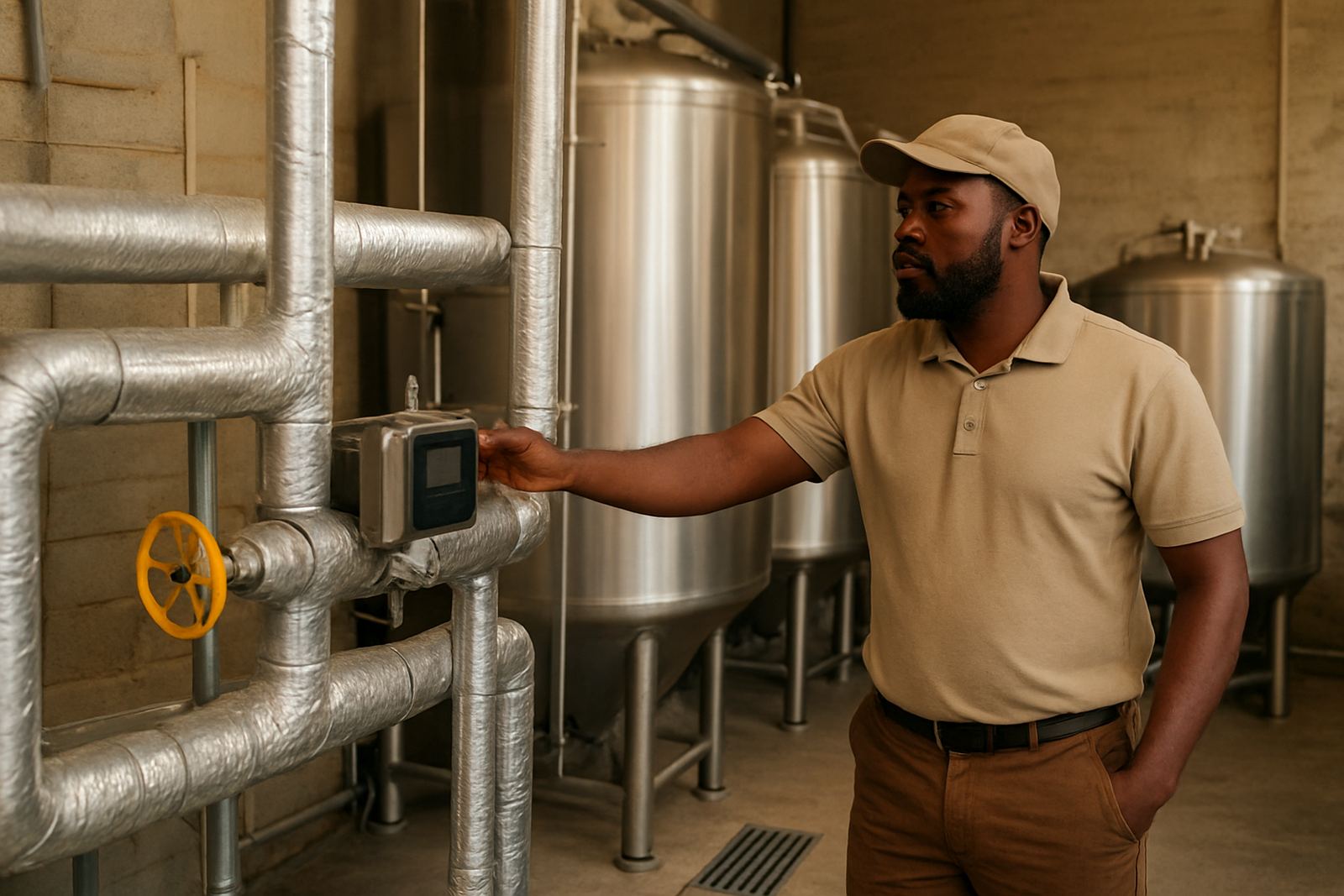
Our team from Gqeberha, led on the project side by Ruan Smit, carried out the loop modifications and control upgrades. Siyabonga Mthembu handled the refrigeration checks and circuit balancing, while Nokulunga Dlamini reviewed energy use before and after the changes. The work included pump adjustments, valve setting changes, insulation repairs and temperature monitoring points at the right places on the circuit.
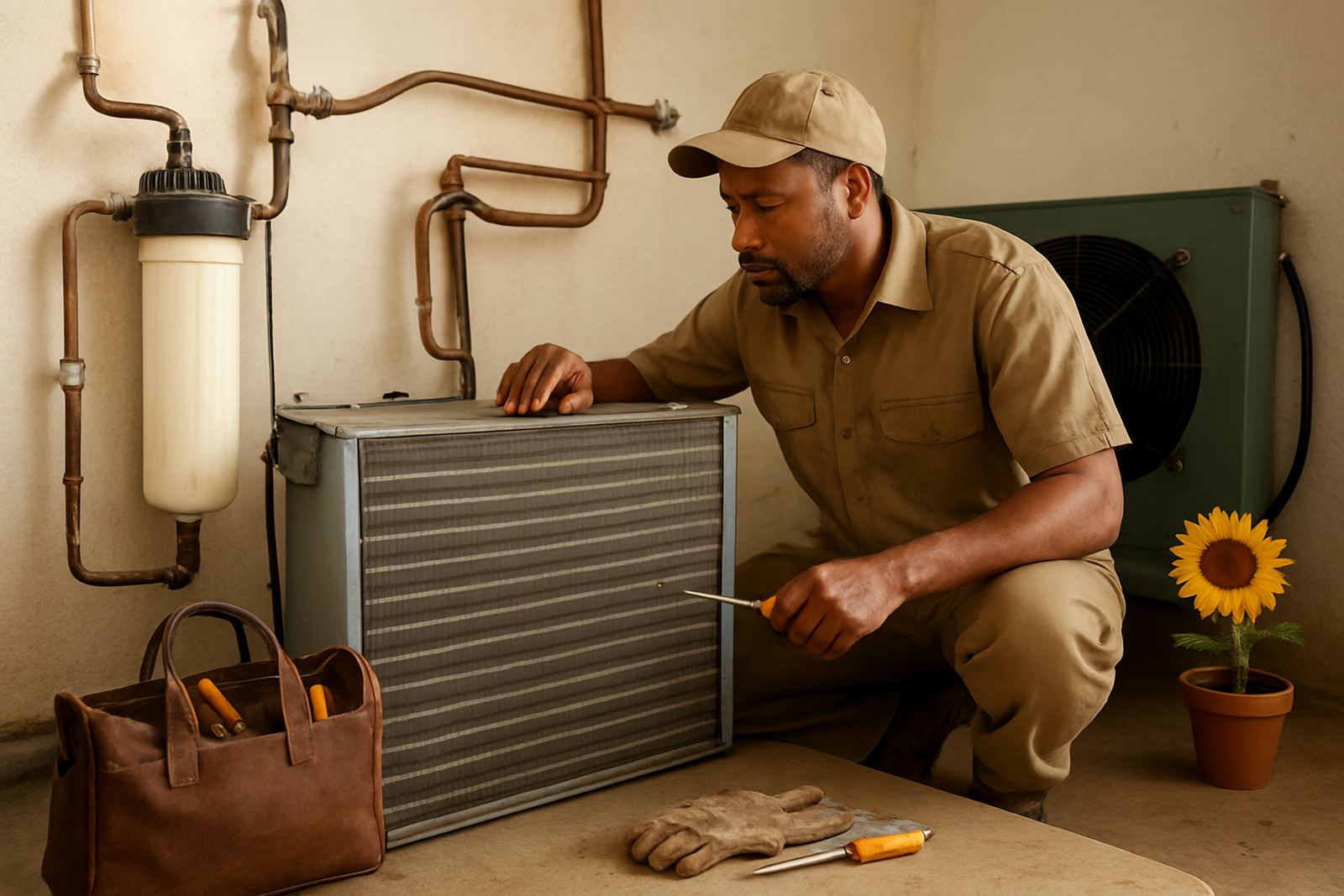
We also checked the heat rejection side, cleaned fouled coils and corrected a few control settings that were causing unnecessary cycling. The glycol concentration was tested and adjusted to suit the operating range, and we set the system so it could hold target temperatures with less hunting. That made a difference because the plant had been overworking to correct small swings all day.
- Glycol circuit modifications and flow balancing
- Control upgrade with clearer setpoint management
- Temperature monitoring points installed for batch tracking
- Coil cleaning and inspection of transfer surfaces
- Insulation repairs on exposed chilled lines
Timeline from first check to handover
The full job ran over 3 weeks from first site inspection to handover. Week one covered diagnostics, data gathering and the walk-through with production staff. Week two covered the physical modifications, cleaning and controls work. Week three was for testing under load, making final adjustments and training the team on normal checks and fault signs.
Because the site could not stop for long, we staged the work around production windows and kept the most disruptive changes to a planned off-shift period. That meant the client could keep some throughput going while we sorted the plant. The handover included clear operating notes and a simple maintenance checklist, so the team could follow the same routine each day instead of relying on memory.
Results after the loop modifications
After the changes, the fermentation temperature stayed within a much tighter band and the production team no longer had to keep nudging the system by hand. Batch consistency improved, and the operators reported fewer alarms and less temperature overshoot during warmer parts of the day. Energy use also settled because the plant was not cycling as hard to recover from swings.
The biggest win was stability. For a beverage producer, a few degrees can affect flavour, timing and repeatability, so the steady loop matters. The client also noted that the system behaved better during load-shedding recovery, with less strain when power came back on. That kind of improvement does not sound flashy, but it saves real money and reduces stress on the floor.
- Steadier fermentation temperatures
- Less manual intervention from staff
- Improved batch repeatability
- Lower unnecessary cycling on the cooling plant
- Better recovery after power interruptions
What we would do again on a similar site
If we were called to a similar beverage or cold process site in Jeffreys Bay, Despatch or Gqeberha again, we would follow the same order: measure first, balance the loop, then tune the controls once the real load is known. On small plants, the temptation is to jump straight to bigger equipment, but that usually costs more and does not fix the actual cause. A well-set glycol circuit often gives better value than a hurried equipment swap.
We would also keep temperature monitoring in place from the start. It gives the operator a proper record instead of guesswork, and it helps spot drift before it becomes a breakdown. On coastal sites, we would recommend routine coil cleaning and inspection after humid periods, because salt air and dirt build up quickly. In short, we would repeat the same practical approach, just with the lessons from this job already built in.
Key facts
| Project location | Jeffreys Bay, Eastern Cape |
|---|---|
| Client type | Small beverage producer |
| Scope | Glycol circuit modifications and control upgrades |
| Timeline | 3 weeks from inspection to handover |
| Key outcome | Steadier fermentation temperature control |
| Service coverage | Gqeberha, Uitenhage, Despatch, Jeffreys Bay, Graaff-Reinet, Port Alfred |