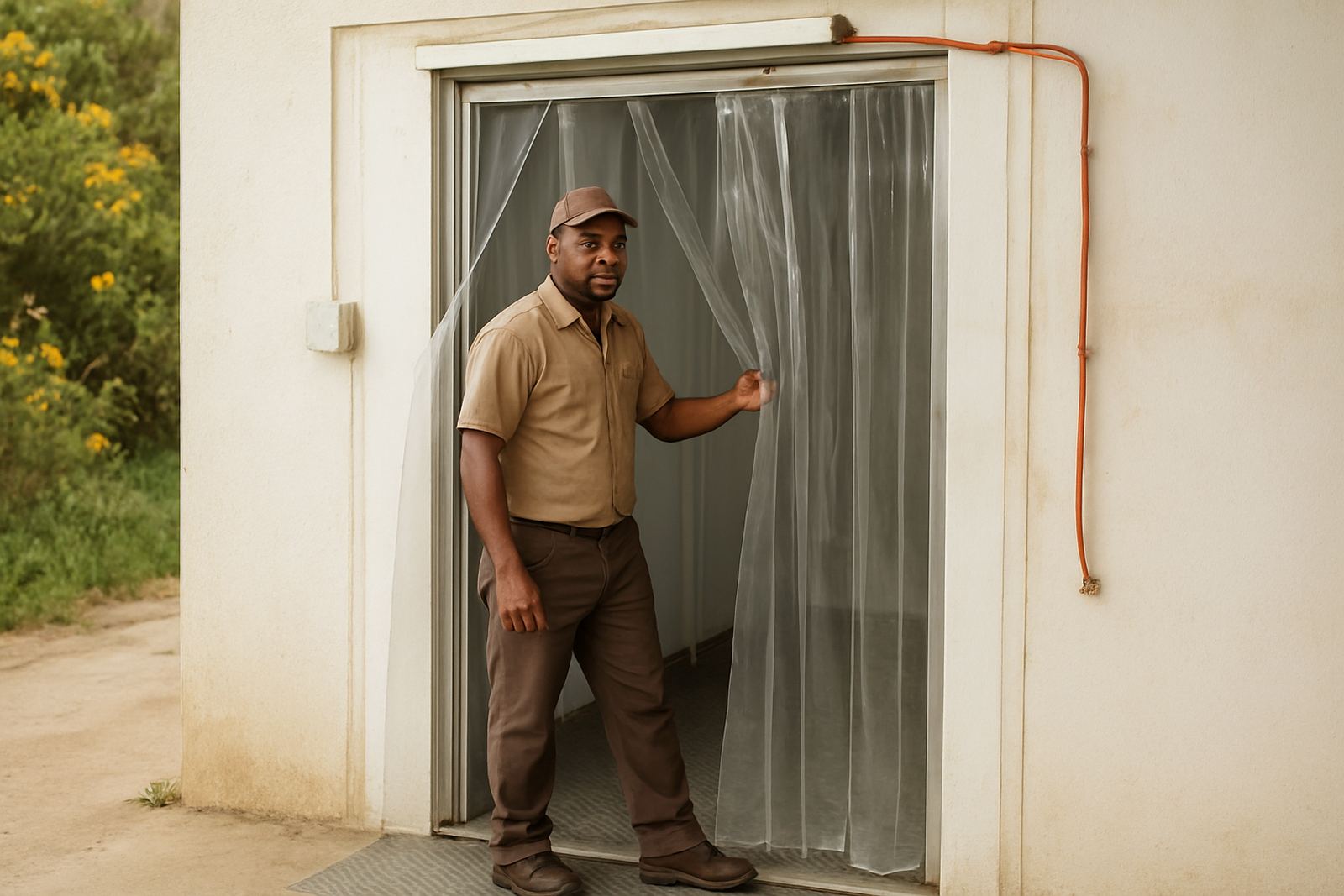
What was getting in the way
On inspection, the condenser section was carrying a heavy dust load and salt air residue, which is common in Gqeberha, especially when equipment sits near open yards or loading areas. The fins were restricted, airflow was uneven, and the plant was rejecting heat less efficiently than it should. That put extra strain on compressors and made temperature pull-down slower.
The controls also needed attention. Setpoints had drifted, sensor readings were not giving the clearest picture, and the operator had to make more manual adjustments than ideal. In a plant like this, even a small control fault can become a daily nuisance. The result is extra wear, more energy draw, and more risk when the ambient temperature climbs.
We also checked for signs of oil staining, loose terminals and minor vibration issues. Nothing dramatic, but enough to show the system was overdue for a proper service cycle and a sensible control reset.
Condenser cleaning and control upgrades carried out
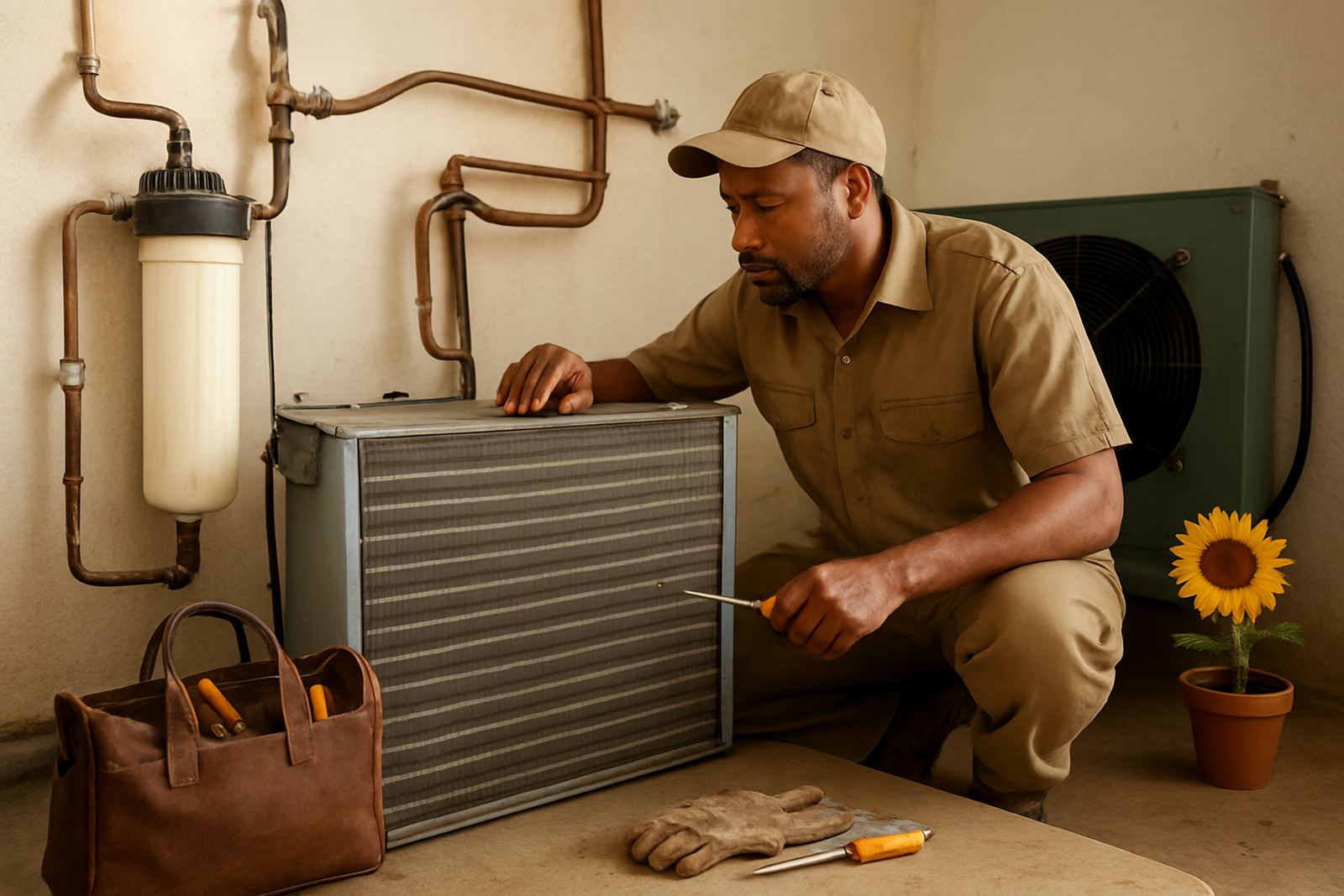
Nvirocool supplied a focused package of mechanical cleaning, testing and control work. The aim was not to overcomplicate the system, but to get the plant back to a steadier operating range. We cleaned the condenser coils, cleared debris from the surrounding airflow path, checked fan condition, and confirmed that the heat exchange surface was properly exposed again.
On the controls side, we reviewed the operating logic, recalibrated sensors where required, and adjusted the control points to suit the plant load profile. We also tested the sequence during a controlled start-up so the operators could see how the equipment responded under normal running conditions.
- Deep condenser coil cleaning and fin straightening where needed
- Airflow path clearance around the condenser bank
- Sensor checks and setpoint review
- Control sequence adjustments for steadier cycling
- Operational handover with site staff
The work was completed over 2 weeks, including inspection, cleaning, testing and final monitoring. It was a straightforward job on paper, but these are the kinds of improvements that pay back quietly in the background every day.
Results after recommissioning
Once the condenser bank was cleaned and the controls were reset, the plant returned to a more stable running pattern. Pull-down was more even, compressor cycling settled, and the operator had less need to chase temperatures during busy production periods. Energy use also improved because the system was no longer working against blocked heat rejection.
In plain terms, the site got steadier output and fewer nuisance interventions. That matters on an ice line because customers judge the plant by whether product is ready when it should be. There was also less concern about the equipment overheating under load, which is especially useful during summer peaks and on days when municipal supply interruptions make every operating hour count.
The client reported better confidence in daily production planning, and the maintenance team had a cleaner baseline to work from going forward. A small correction here can stop a bigger fault later, and that is usually where the savings show up.
What we would repeat on the next ice plant job
If we were back on a similar plant tomorrow, we would repeat the same sequence: measure first, clean properly, then tune the controls to the way the site actually runs. That approach keeps the work sensible and avoids changing settings just for the sake of it.
For ice plants in coastal towns and inland areas alike, we would also recommend a tighter condenser service interval, especially where dust, salt air or heat load is high. In our experience, that is the difference between a plant that merely copes and one that stays predictable.
- Set a clear condenser cleaning interval based on site conditions
- Review controls after each major service, not only during faults
- Keep a simple temperature and run-time log for operators
Key facts
| Project | Deal Party Ice Plant |
|---|---|
| Town | Gqeberha, Eastern Cape |
| Project duration | 2 weeks |
| Scope | Condenser cleaning and control upgrades |
| Main outcome | Steadier output and improved energy use |
| Service team focus | Ice production reliability during high demand |