The brief from the Motherwell site
The client was a food service business in Motherwell, serving a steady walk-in trade and relying on counter refrigeration for daily prep and display. Their main issue was simple enough to describe but hard to live with. The counters were taking too long to recover after repeated door openings, and once temperatures drifted the team was losing stock confidence, not to mention time spent on stop-start workarounds.
The brief was to improve performance without turning the site into a full rebuild. They wanted quicker pull-down after peak trading, fewer breakdowns, and better control during power cuts and unstable supply. As with many sites in the Eastern Cape, they also wanted a practical solution that could be maintained locally, without waiting days for parts or outside specialists.
- Site: Motherwell, Gqeberha
- System type: counter refrigeration for food service use
- Main concern: slow temperature recovery and repeat interruptions
- Priority: keep trading while the upgrade was done
Site constraints we had to work around
The space around the counters was tight, with limited access behind the units and very little room for long shutdowns. The site could not afford a full day closed, so the work had to be split into sensible stages and timed around trade. We also had to keep in mind Motherwell conditions, where dust, warm afternoons and power dips can all push a weak system over the edge.
Another constraint was the existing installation itself. The counters had mixed-age components, some wiring was tired, and the controls had been set up for manual intervention far more often than they should have been. Rather than forcing a one-size-fits-all fix, we mapped the actual load profile, the door opening pattern, and the ambient conditions around the service area.
- Limited rear access to the counter line
- Short shutdown windows to protect trading hours
- High ambient temperature and dust exposure
- Unstable supply conditions during load-shedding
What we supplied and changed
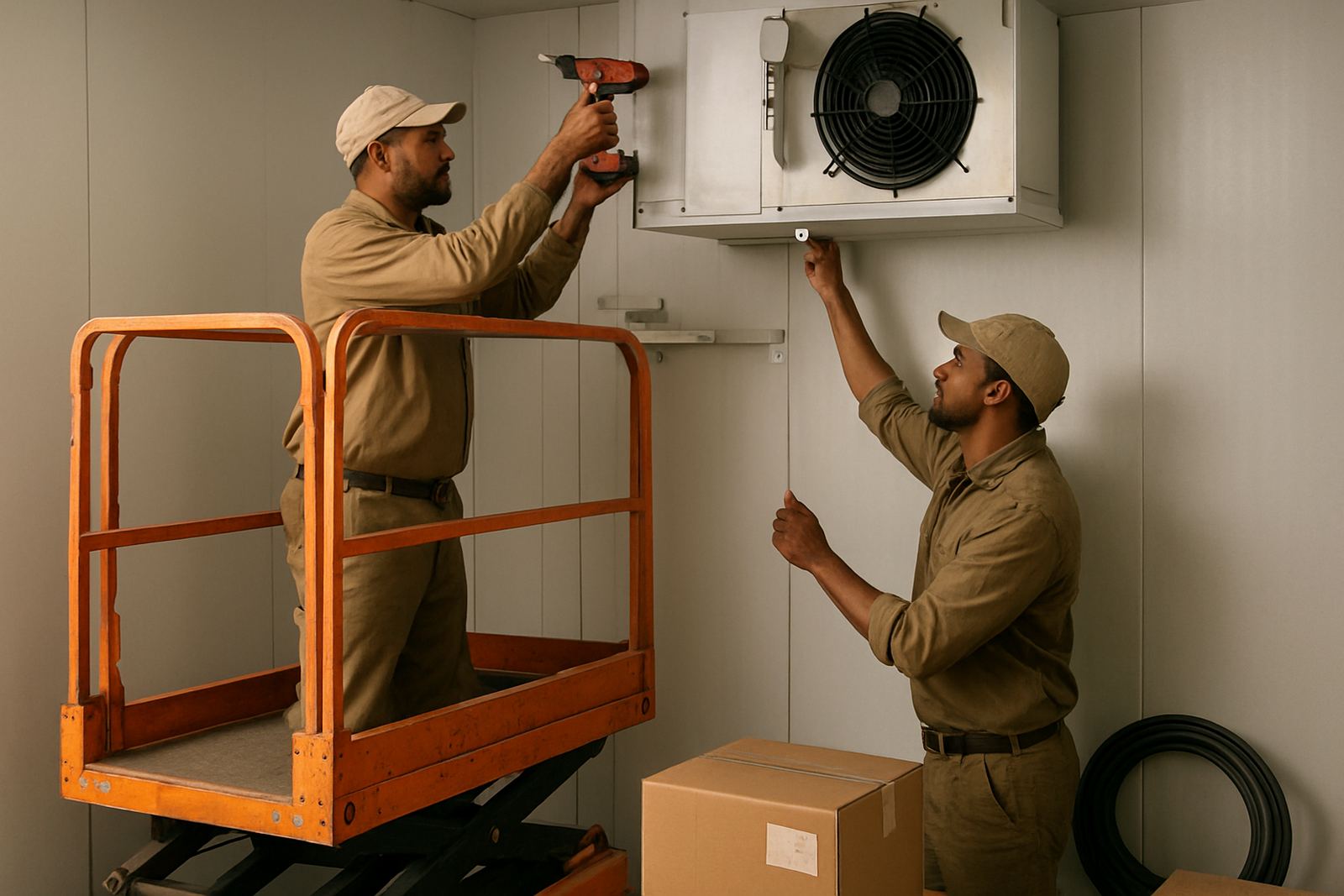
We reworked the counter refrigeration to improve recovery speed and reduce nuisance interruptions. The job included a system check, targeted component replacement, controls adjustment and a full service clean. Where the original setup was wasting energy through poor cycling and unnecessary strain, we brought the system back into a more balanced operating range.
Our team also checked the fan operation, defrost performance, sealing around access points and the refrigerant charge behaviour under load. The low-GWP conversion angle was not the main driver on this job, but we did make sure the system could be managed more efficiently and with better leak awareness going forward. That matters in hot weather, and it matters even more when the customer is dealing with daily opening cycles.
- Controls upgraded for more stable cycling
- Electrical and refrigeration checks carried out together
- Coils cleaned to improve heat transfer
- Temperature monitoring set up for quicker fault spotting
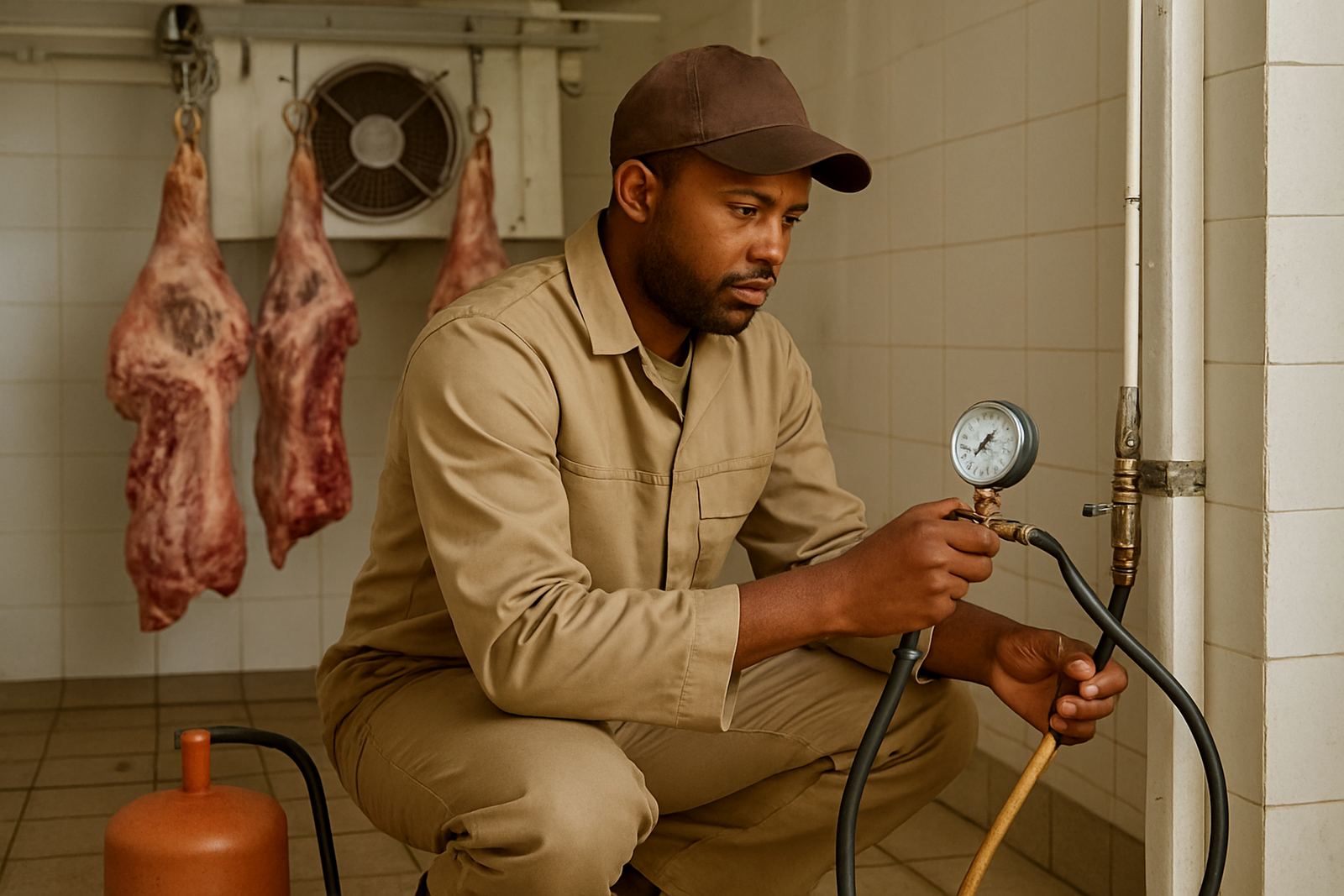
- Refrigerant circuit checked for leaks and pressure irregularities
How the upgrade was carried out
The project ran over two weeks from first inspection to final handover. Week one covered site assessment, parts planning and the first stage of work on the counter line. Week two covered the remaining upgrade steps, testing, and verification under normal trade conditions. We kept the client informed through Ayabulela Ndlovu in service coordination, with Siyabonga Mthembu handling the technical side on site.
The practical sequence mattered. First we isolated and tested the affected sections, then we cleaned the heat exchange surfaces and corrected the control settings. After that, Ruan Smit led the retrofit adjustments needed to improve response under repeated load. The final stage was a monitored run under live conditions, because a system can look good on paper but still fail if it cannot recover after a rush period.
- Project duration: 2 weeks
- Inspection and planning: 1 visit
- Installation and adjustment: staged around trading hours
- Final testing: live load checks and temperature log review
Results after the counter system rework
Once the upgrade was complete, the counters recovered faster after door openings and peak use. The client reported fewer temperature swings, less need for manual intervention, and fewer interruptions during busy periods. In plain terms, the team could keep serving without constantly worrying whether the counters were chasing temperature all day.
The system also ran cleaner and with better efficiency. Coil performance improved after cleaning, and the control changes reduced unnecessary cycling. For a site working through Eastern Cape heat, occasional load-shedding and a high volume of daily use, those gains are important. They do not just help the electric bill, they help protect stock and reduce call-outs as well.
- Faster temperature recovery after use
- Reduced service interruptions during trade
- Better control during unstable supply periods
- Lower strain on compressors and related components
What we would repeat on the next Motherwell job
If we were doing the same type of upgrade again, we would start with the same approach: measure the actual use pattern first, then match the work to the site rather than forcing a bigger intervention than needed. That is especially important in Motherwell where many businesses need to keep serving while the work is happening. A careful staged plan usually saves time, even if it feels slower at the start.
We would also keep temperature monitoring in place from the beginning, not only at the end. It gives the client and our team a clearer picture of how the system behaves across a full trading day. That makes future planned maintenance easier to budget for and helps catch small faults before they become a full breakdown. In a climate like ours, that extra visibility is worth it.
- Start with load pattern checks and ambient readings
- Keep monitoring active through the handover period
- Use staged shutdowns where trading cannot stop
- Plan follow-up maintenance before the next hot season
Key facts
| Project | Motherwell Fridge Upgrade |
|---|---|
| Client type | Food service outlet, Motherwell, Gqeberha |
| System | Counter refrigeration |
| Duration | 2 weeks |
| Key work | Controls upgrade, coil cleaning, leak checks, temperature monitoring |
| Outcome | Faster recovery and fewer service interruptions |