Packhouse cooling that had to work harder without using more power
The client was a busy packhouse in Korsten, serving growers and distributors moving fresh produce through Gqeberha and the wider Eastern Cape. Their existing chiller was still running, but it was drawing too much power during long shifts and struggling to hold a steady temperature when the doors were opening and closing all day. In summer, with higher ambient temperatures and regular load-shedding interruptions, the room was drifting more than it should. That made it harder to keep product in spec before dispatch.
The brief was straightforward but technical: reduce electrical load, improve temperature stability and keep the room operational while work was being done. There was no appetite for a full shutdown. The packhouse needed a solution that could be staged over working hours, with the site team still able to move produce and clean down as normal. We also had to work within the existing electrical supply and use equipment that would stand up to dust, moisture and frequent washdowns.
- Site type: fresh produce packhouse
- Location: Korsten, Gqeberha
- Main issue: high power draw and uneven product holding
- Working condition: live site with limited downtime
What was limiting the old system
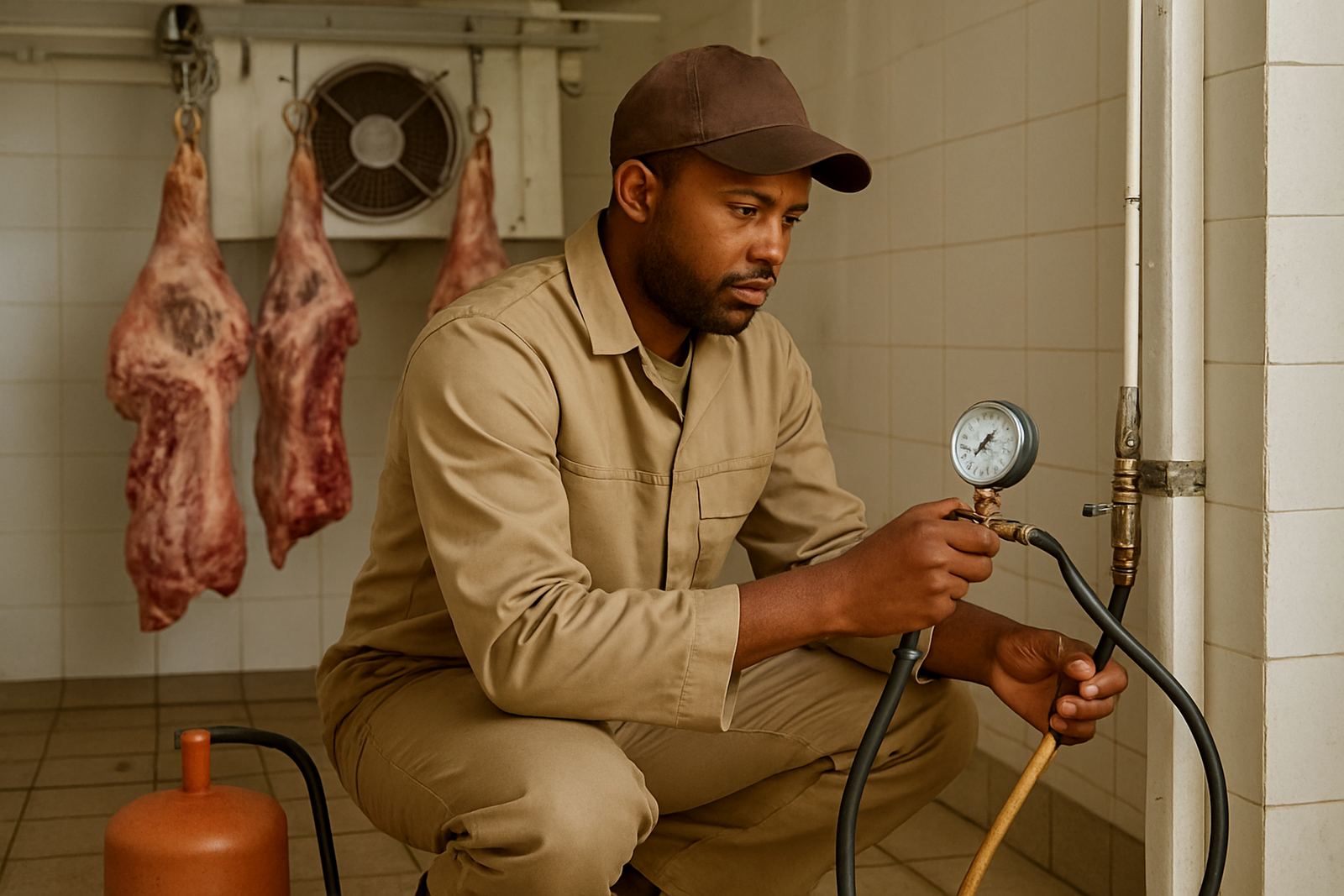
On our first visit we found a system that had been maintained, but not really tuned for current operating conditions. The condenser side was fouled from coastal dust and general packhouse debris, the control settings were dated, and several components were working harder than needed. Door traffic was also a factor. The room was being opened frequently, so even small inefficiencies were adding up over a full day. The result was higher compressor run time and temperature swings after busy loading periods.
There were a few practical constraints as well. The packhouse had limited roof access, a tight service area around the plant and a production schedule that left only narrow windows for shutdowns. The existing control panel was serviceable but not set up for the kind of monitoring the client wanted. We had to keep the original pipe routes where possible, avoid unnecessary civil work and make sure any new parts fitted the available footprint without forcing a rebuild.
- Dust and debris build-up on heat exchange surfaces
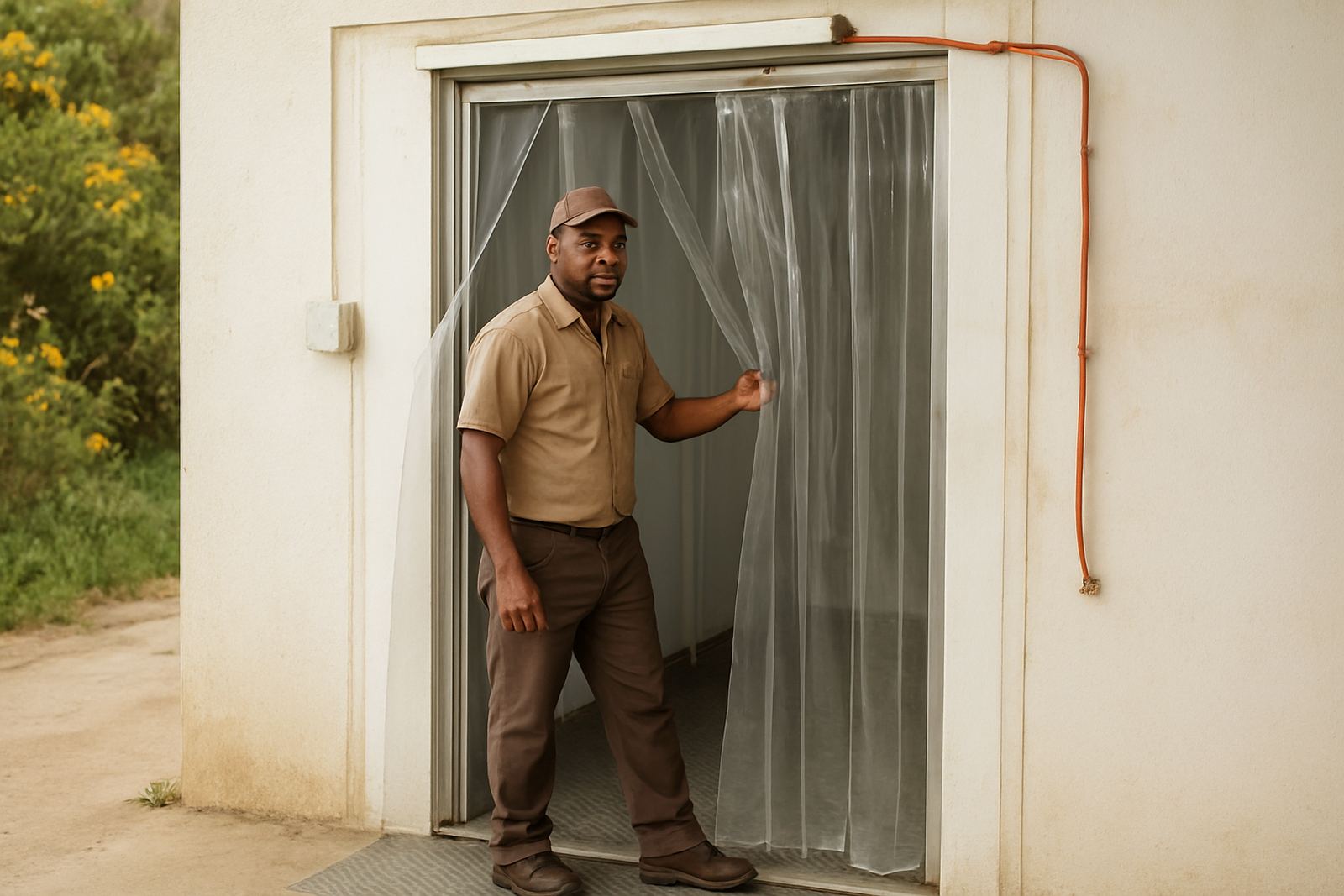
- Frequent door openings during dispatch peaks
- Older controls with limited visibility on temperature drift
- No allowance for staged monitoring of energy use
The retrofit scope and key specifications
We carried out a targeted chiller retrofit rather than a full replacement. The main objective was to cut wasted energy while giving the room tighter control over product holding temperatures. The retrofit included control upgrades, revised set points, improved refrigerant-side efficiency and a cleaner service layout for easier maintenance. We also checked all electrical connections, pressure settings and safety devices before recommissioning the plant.
Because the site needed better visibility, we added temperature monitoring points at the cold room and return air side. That allowed the client to see how quickly the room recovered after loading and how long it took to settle after door traffic. We also matched the system response more closely to the packhouse pattern instead of forcing the chiller to run harder than needed all day. The end result was a system that was easier to supervise and less likely to drift during busy shifts.
- Control upgrade with revised operating set points
- Monitoring points added for supply and return air temperatures
- Heat exchange surfaces cleaned and restored
- Electrical and safety checks completed before handover
- Plant layout adjusted for quicker planned maintenance
How the work was staged over four weeks
The job ran over four weeks from initial inspection to final handover. Week one covered assessment, measurements and fault finding. In week two we ordered the specified components and prepared the site plan with the packhouse manager so the most disruptive work could be done after dispatch. Week three was the main retrofit window, with the controls swap, cleaning, monitoring fitment and testing carried out in stages. Week four was for fine tuning, temperature verification and staff walkthroughs.
That staged approach mattered because the site could not afford a long shutdown. We split the work into short blocks and returned after each block to confirm that temperatures were holding before moving to the next step. It kept the room in use and gave the team time to adjust their loading routine around the new control behaviour. A small amount of extra admin was needed to line up access, but it prevented bigger delays later on.
- Week 1: site survey and measurements
- Week 2: parts sourcing and method planning
- Week 3: retrofit works and live testing
- Week 4: tuning, verification and handover
Measured results after recommissioning
After recommissioning, the chiller was drawing less power and settling faster after loading cycles. The most important change for the client was consistency. Product holding temperatures were steadier through the day, with less overrun after busy periods and less recovery time after door openings. That helped reduce the risk of warm spots in the room and gave the packhouse more confidence when holding stock before collection.
The energy audit findings also showed a noticeable improvement in compressor run behaviour. The system was no longer chasing temperature as often, which meant fewer unnecessary starts and less strain on the plant. For a packhouse in Gqeberha, where humidity and heat can swing quickly, that sort of control makes a practical difference. It shows up in the power bill, but also in how comfortably the team can keep to their dispatch plan.
- Lower power draw after retrofit
- Improved holding temperature stability
- Shorter recovery time after loading
- Reduced compressor cycling
What we would repeat on the next packhouse job
If we were doing the same kind of retrofit again, we would still start with measurement and operating patterns before touching the plant. Packhouses do not behave like simple storage rooms. Door traffic, washdown routines, product flow and staff movement all affect performance. The best value came from adjusting the system to suit the site, not forcing the site to suit the system. That approach is practical for any cold chain operation in the Eastern Cape.
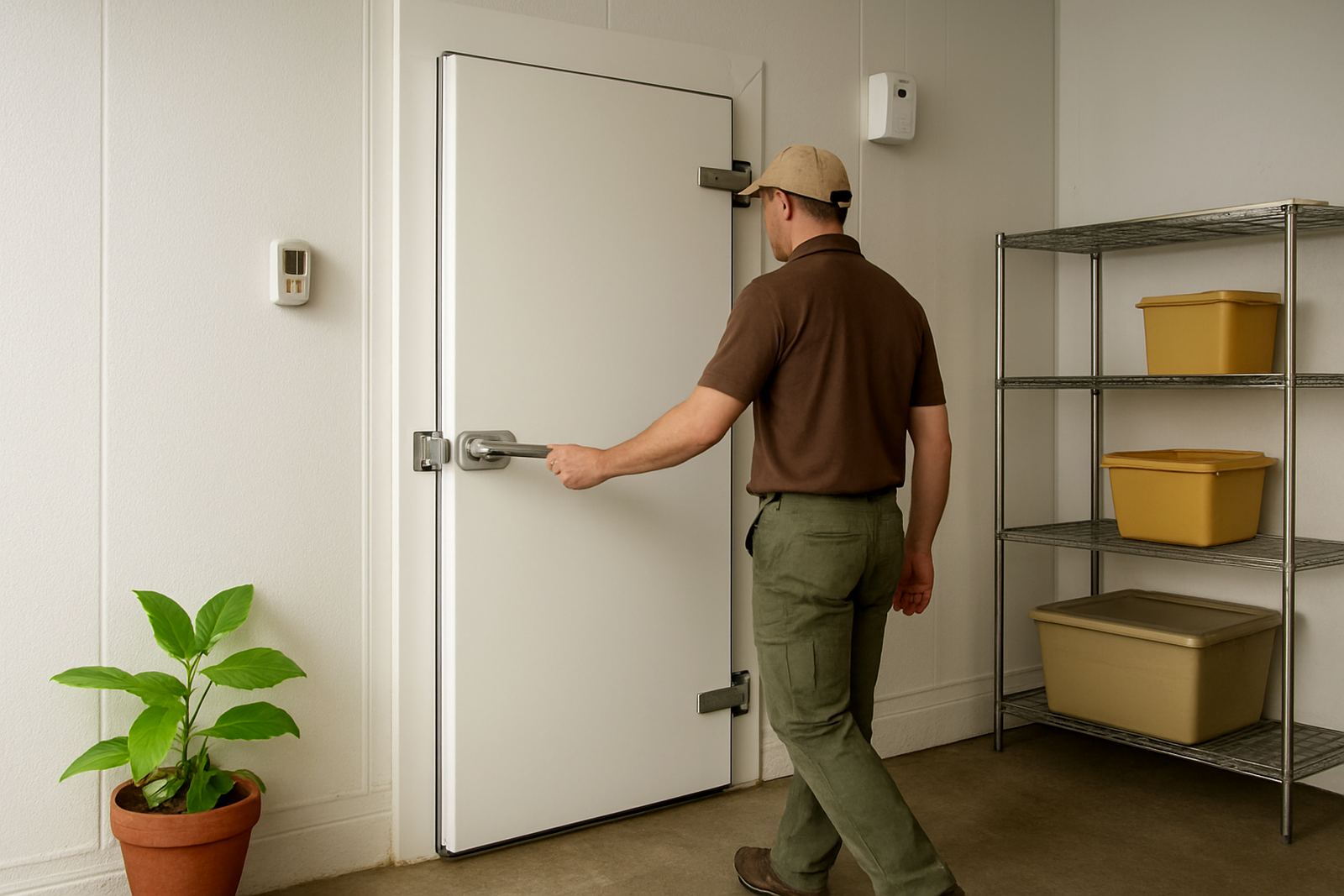
We would also keep the monitoring in place from the outset. Once the client can see the room behaviour in real time, it becomes easier to spot when a door seal is failing, when a coil needs cleaning or when a control setting has drifted. For sites in Korsten, Newton Park, Uitenhage or Port Alfred, that kind of visibility is useful when power supply is tight and there is no room for guesswork.
- Measure real operating loads before changing equipment
- Keep retrofit work staged around production hours
- Build in temperature monitoring from day one
- Set maintenance access up properly while the plant is open
Maintenance support after the handover
The client stayed on a planned maintenance schedule after handover so the gains would hold. For packhouse and cold room sites, the follow-up matters as much as the retrofit itself. Coil cleaning, leak detection, control checks and periodic temperature logging all help keep the system honest. In this case, the packhouse team now had clearer readings and a better picture of how the room behaved across a full day, which made routine checks quicker.
For businesses handling perishable stock in and around Gqeberha, we normally recommend a seasonal service plan before the hotter months and another check after winter. That keeps pressure on the plant manageable and gives enough time to sort small faults before they become breakdown calls. It is a plain approach, but it saves a lot of trouble later on.
- Planned maintenance to protect the retrofit gains
- Seasonal coil cleaning before high-load months
- Regular checks on controls, seals and sensors
Key facts
| Project | Korsten Packhouse Retrofit |
|---|---|
| Client type | Fresh produce packhouse |
| Location | Korsten, Gqeberha |
| Timeline | 4 weeks |
| Scope | Chiller retrofit, control upgrades, monitoring and recommissioning |
| Result | Lower power draw and steadier product holding temperatures |