What the Summerstrand bar needed
The client was a busy hospitality venue in Summerstrand, Gqeberha, serving draught and bottled drinks over long trade hours. Their existing cooling setup was struggling on warm coastal days, and staff were spending too much time managing temp swings, warm lines and a cramped back-bar layout. The brief was plain enough: keep the beverage line colder, shorten the time spent waiting for product to recover after a rush, and make the system easier to live with during load-shedding and power returns.
They also wanted the work done with as little interruption as possible. Weekend trade mattered, stock was tight, and there was limited space behind the bar. That meant we had to plan the install around service windows, measure clearances carefully, and avoid leaving any pipework or controls where staff would keep knocking them during service.
Site constraints and the design brief
Summerstrand brings its own set of conditions. Salt air, humidity and warm afternoons can all push a small cooling system harder than expected, especially when the room has glass, undercounter fridges and a bar that never really gets a break. The client had two main constraints: not enough space for a bulky setup, and enough heat load from the room that the existing equipment was cycling too hard. There was also a real concern about how the system would behave after power interruptions, which are common enough to plan for in this part of Gqeberha.
We looked at the line length, product draw, ambient temperature and the back-bar airflow. The brief ended up being a mix of refrigeration and workflow planning. We needed to keep the beverage line cold right up to the pour point, reduce heat build-up around the cabinets, and give the bar team a layout that made cleaning and daily checks easier rather than harder.
- Location: Summerstrand, Gqeberha
- Site type: Hospitality bar with beverage service
- Main issue: Warm pours and slow recovery during peak trade
- Key constraint: Limited space behind the bar
- Environmental factor: Coastal humidity and salty air
What we supplied and installed
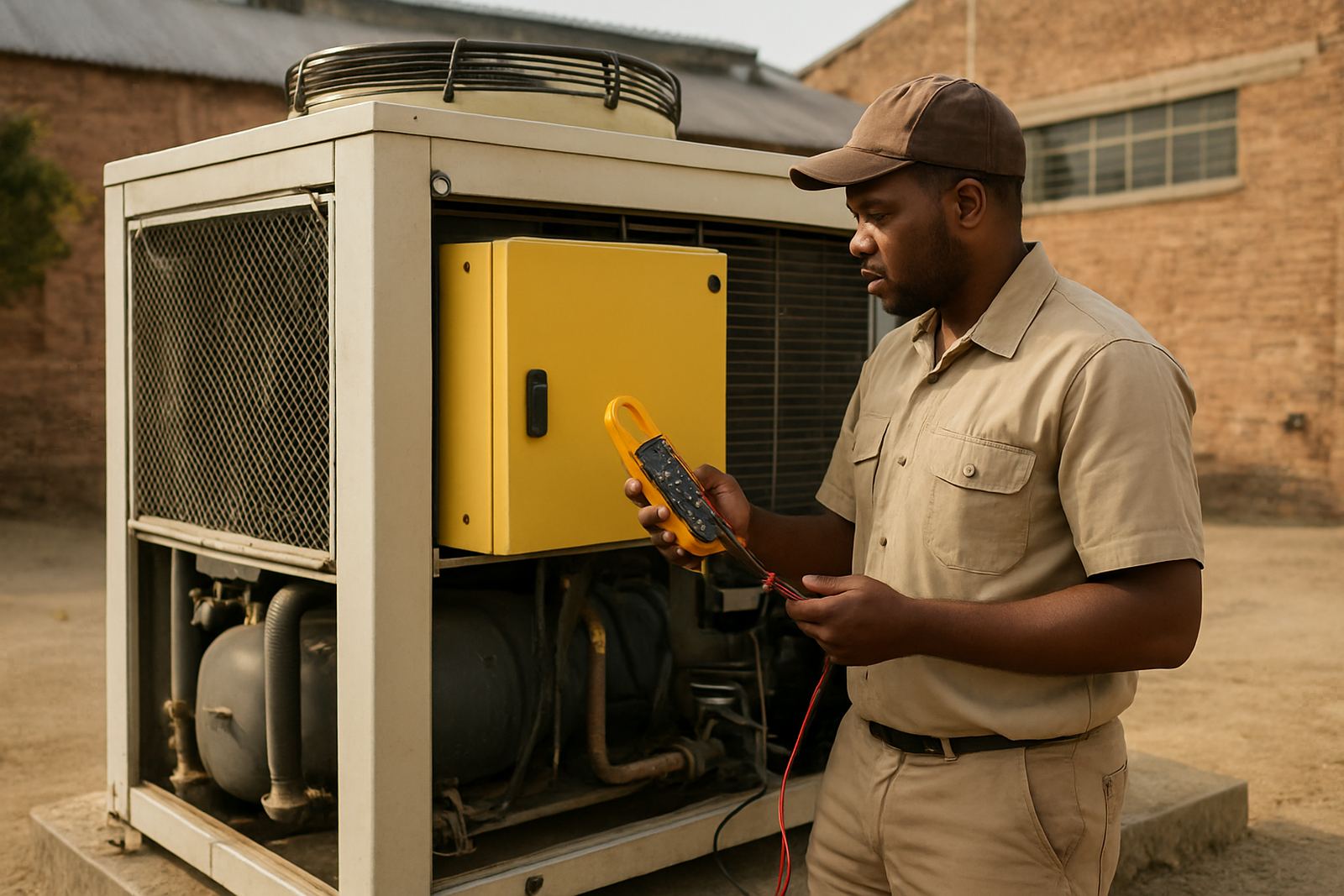
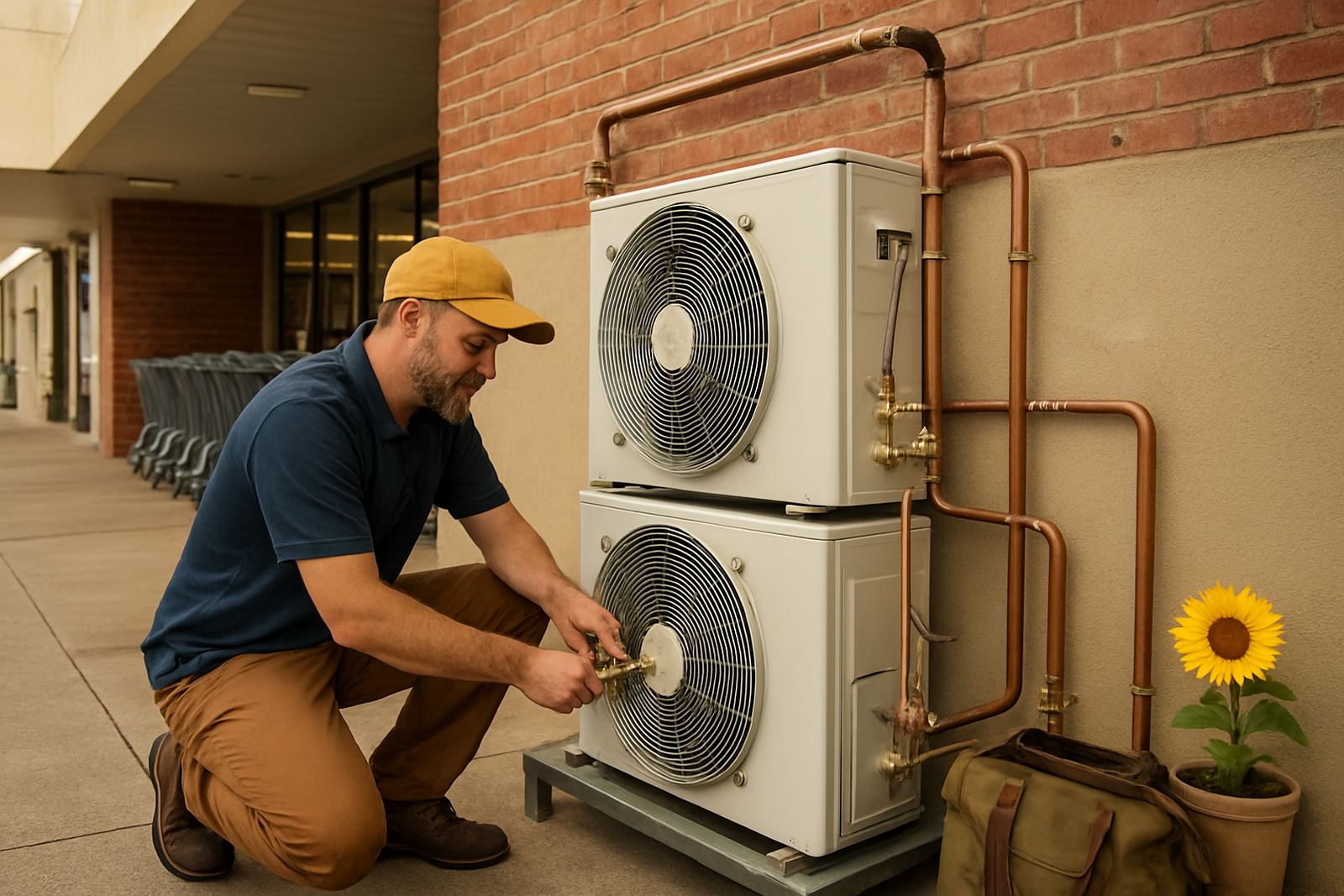
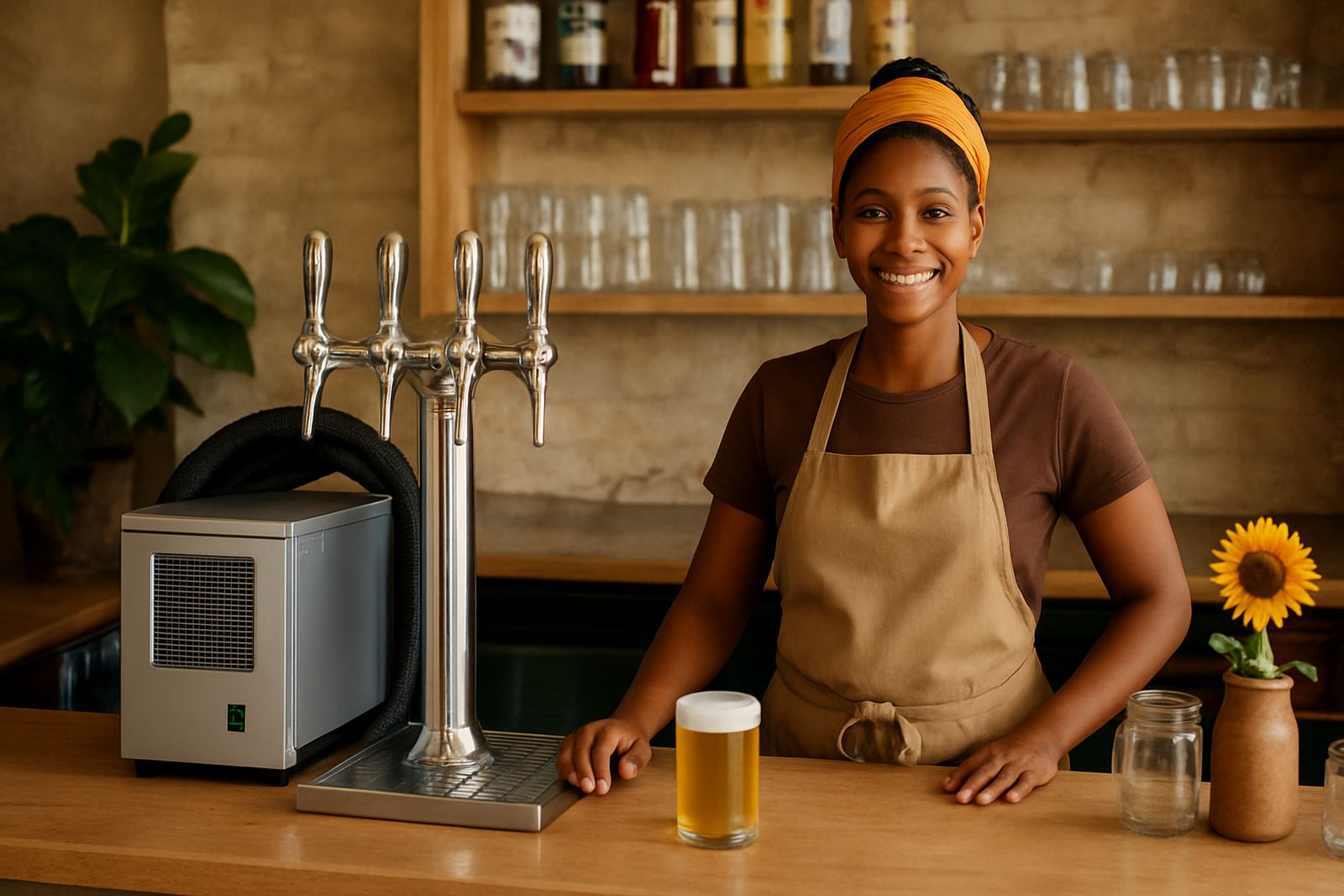
Nvirocool supplied and installed a beverage line chiller setup matched to the bar’s actual service demand, not just the nameplate size of the old unit. The job included a chiller unit, insulated beverage line support, control settings for tighter temperature stability, and tidy routing that kept the service side clear. We also checked the line insulation, condensate handling and the condition of nearby electrical isolations so the system could be serviced without tearing the whole back-bar apart later.
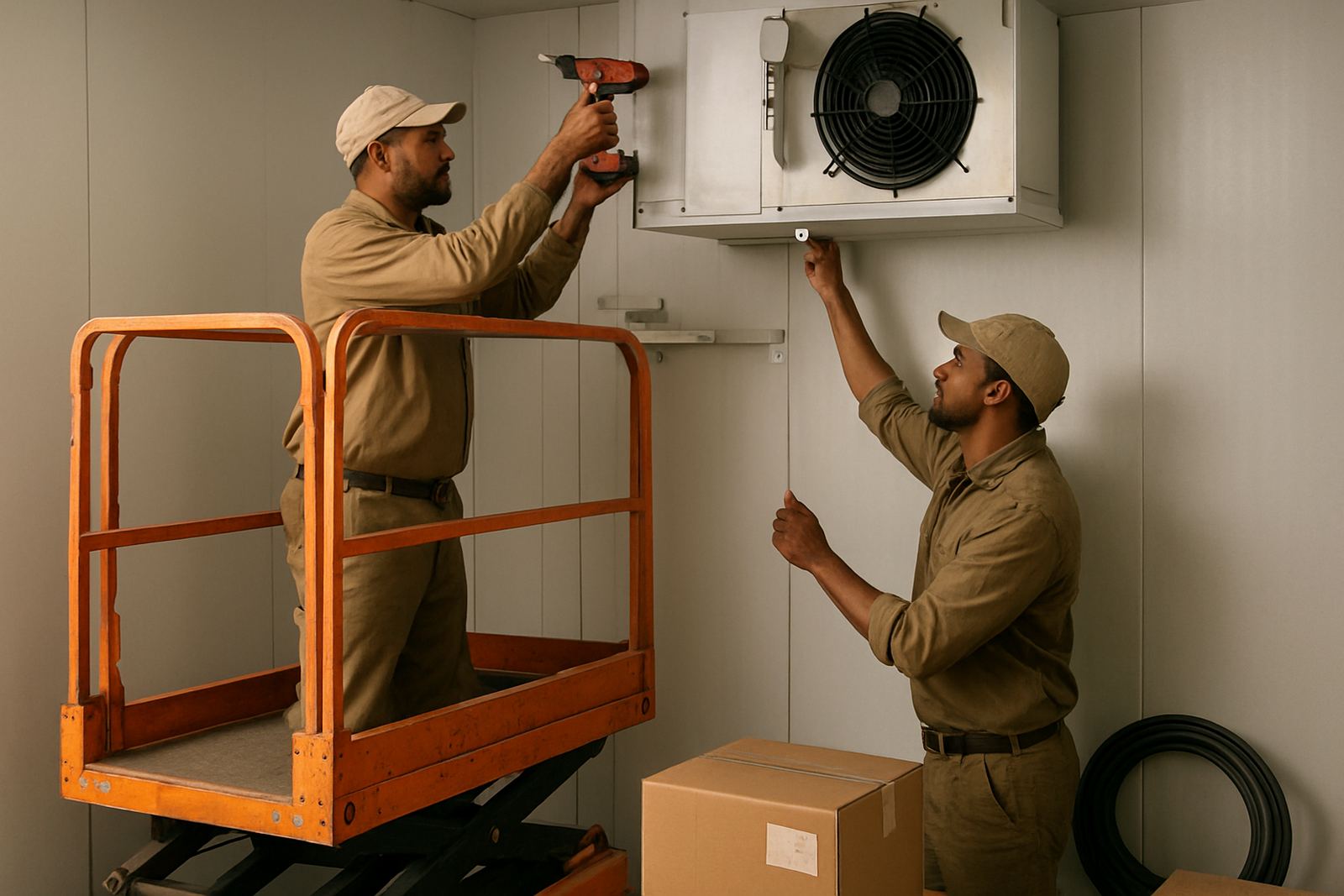
Our senior refrigeration technician, Siyabonga Mthembu, led the site work with Ruan Smit handling the retrofit coordination. The install was checked for vibration, drain fall and access to filters and electrical components. We also made sure the unit had enough breathing space around it, since poor airflow in a tight bar can turn a simple install into a maintenance headache within months.
- Bev line chiller matched to service load
- Insulated line routing for temperature retention
- Control set-up for steadier product temperature
- Condensate and access checks completed on site
- Clear service gaps left for cleaning and future maintenance
Installation timeline and handover
The work ran over two weeks from site measure-up to handover. Week one covered assessment, measurements, selection of equipment and the coordination needed with the venue manager around trade hours. Week two covered installation, commissioning and final testing during a live service period so we could see how the system behaved when the bar was actually busy. That last part matters, because a chiller can look fine in the quiet of a morning and still struggle once the room fills up and doors keep opening.
Once everything was running, we walked the team through daily checks, cleaning points and what to watch after a power cut. We kept the handover practical. No long manuals on the counter, just the right notes on temperature checks, airflow, and when to call in for a service visit. Yolanda Jacobs handled the client care side of the follow-up so the team knew who to contact if anything needed attention.
Results at the pour point and behind the bar
The immediate result was steadier drink temperature at pour point, with less fluctuation through the busy parts of the day. Staff also had a better working flow behind the bar because the new layout reduced clutter around the service area and made the cooling side of the system easier to reach. That saved time during opening checks, clean-down and routine maintenance.
From the client’s side, the value was not only colder beverage lines. They also saw lower strain on the room and less of that stop-start behaviour that makes equipment wear faster. In practical terms, the bar could hold service for longer without the cooling side falling behind, and the team spent less time fighting warm lines or resetting the system after interruptions. For a venue near the coast, that matters more than people sometimes think.
- More stable pour temperature during peak trade
- Cleaner back-bar workflow and better access
- Less temperature drift after busy service periods
- Improved tolerance for hot days and power interruptions
What we would do again on a similar job
We would do the same project again with the same approach: measure the real service demand, check airflow properly, and keep the installation serviceable from day one. In hospitality work, it is easy to focus only on cold output and forget the people who have to clean, reset and maintain the system every week. That is where good planning saves money over time. It also reduces call-outs for small issues that start with poor access, loose insulation or badly routed lines.
For a Summerstrand venue, we would again factor in humidity, salt air and likely power interruptions before finalising the specification. We would also keep the controls simple enough for the bar team to use without second-guessing, while still giving the venue enough temperature control to protect product quality. It is the sort of job where a little more thought at the start avoids a lot of hassle later on.
Key facts
| Project type | Beverage line chiller installation for a bar |
|---|---|
| Town | Summerstrand, Gqeberha |
| Timeline | 2 weeks from assessment to handover |
| System focus | Steadier pouring temperature and line recovery |
| Site constraints | Limited space, coastal humidity and power interruptions |
| Service outcome | Improved back-bar workflow and easier maintenance access |