What the Despatch dairy needed from the system
The client was a working dairy operation in Despatch handling bulk milk cooling for daily collections. Their brief was simple: reduce the environmental impact of the refrigeration plant, improve day-to-day control of milk temperatures, and keep the system reliable without interrupting production. The plant had to cope with hot inland mornings, power cuts, and a schedule that left very little room for long shutdowns.
We were brought in to assess the existing bulk milk cooling equipment, confirm what could be retained, and convert the system to a lower-GWP refrigerant option. The client also wanted the controls checked properly because the equipment had started to cycle unevenly, and the temperature logs were showing small swings that made staff uneasy. In a dairy, even a small drift can become a problem by the end of the day, so the target was tighter control with no fuss.
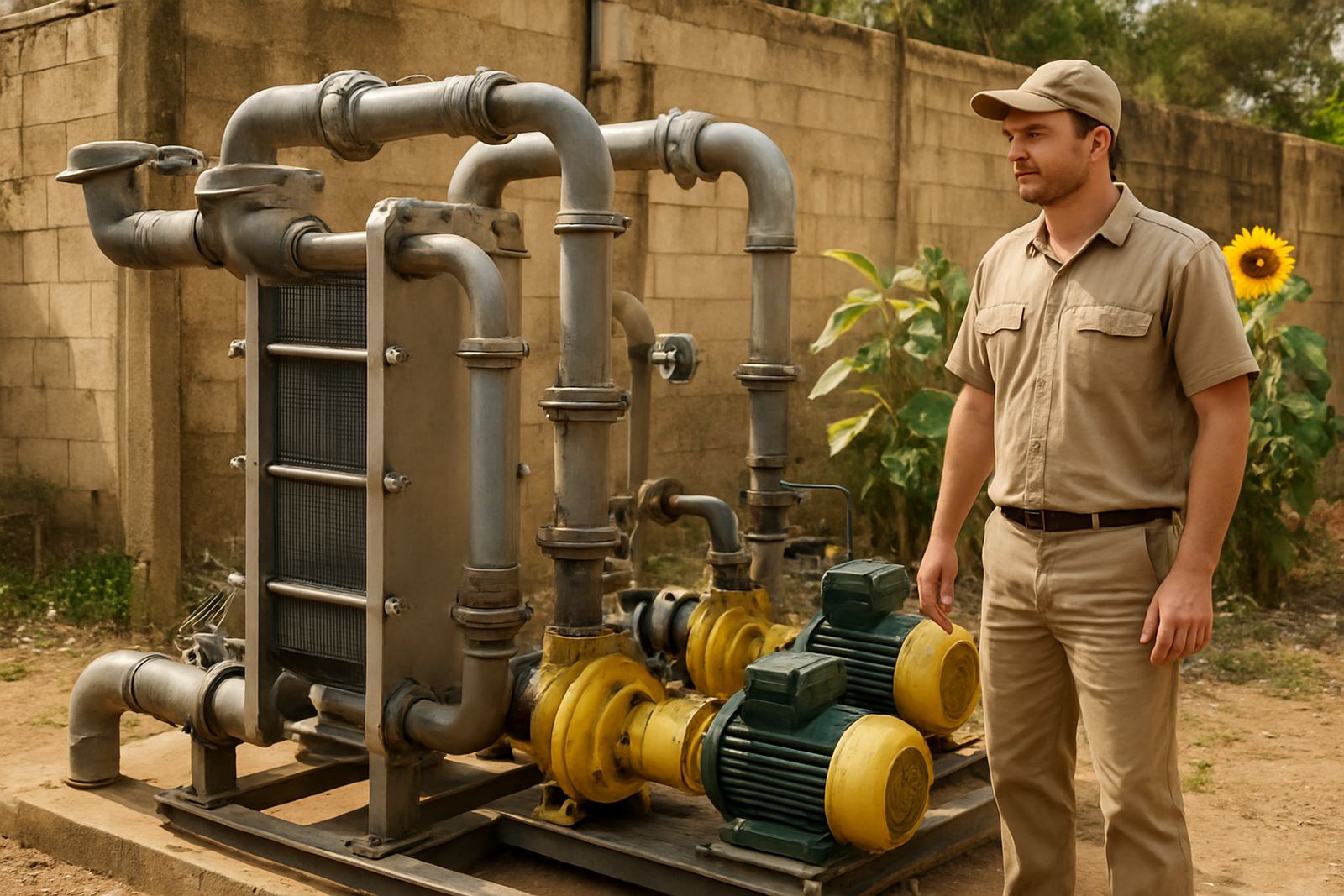
The site was a practical one, with pipe routes close together and limited working space around the plant room. That meant the work needed careful sequencing, clear isolations, and a clean handover plan. We allowed for the fact that the factory could not simply stop for two days. The conversion had to be handled in sections, and the timing had to fit milk intake times.
Key constraints on site
There were three main constraints. First, the plant had to stay safe and compliant while the refrigerant circuit was opened and recharged. Second, the system had to be returned to service quickly enough to avoid disrupting milk cooling. Third, the controls needed tuning in a way that made sense for the actual operating pattern, not just a textbook setting.
- Live dairy production with no room for a long full shutdown
- Existing pipework and components had to be checked for compatibility
- Temperature stability had to be improved, not just compressor run time
- Load-shedding risk meant the controls and restart sequence needed attention
- Work had to fit around milk intake, cleaning cycles and staff access
We also had to consider the coastal-Eastern Cape conditions that affect refrigeration over time. Moisture ingress, dirty coils and inconsistent maintenance can all lead to poor efficiency. Even when the main fault looks electrical or control related, the underlying issue is often a mix of wear, dust build-up and incorrect operating settings. So we treated the job as a system correction, not only a refrigerant changeout.
What we supplied and carried out
We supplied a full low-GWP conversion package for the bulk milk cooling system, together with controls tuning and final performance checks. Siyabonga Mthembu led the refrigeration work on site, while Ruan Smit coordinated the retrofit sequence and commissioning steps. Nokulunga Dlamini supported the energy side, checking the operating pattern before and after the conversion to see where waste could be cut.
The work included recovery of the existing refrigerant, inspection of the circuit, changeover to the agreed lower-GWP gas, filter and service checks, and a review of the control setpoints. We checked the compressor and condenser response, reset the thermostat logic, and confirmed the plant was holding temperature within the required range during pull-down and normal storage. A fresh leak detection pass was completed before handover.
- Refrigerant recovery and controlled changeover to a lower-GWP gas
- Control setpoint adjustment and cycling review
- Leak detection and pressure stability checks
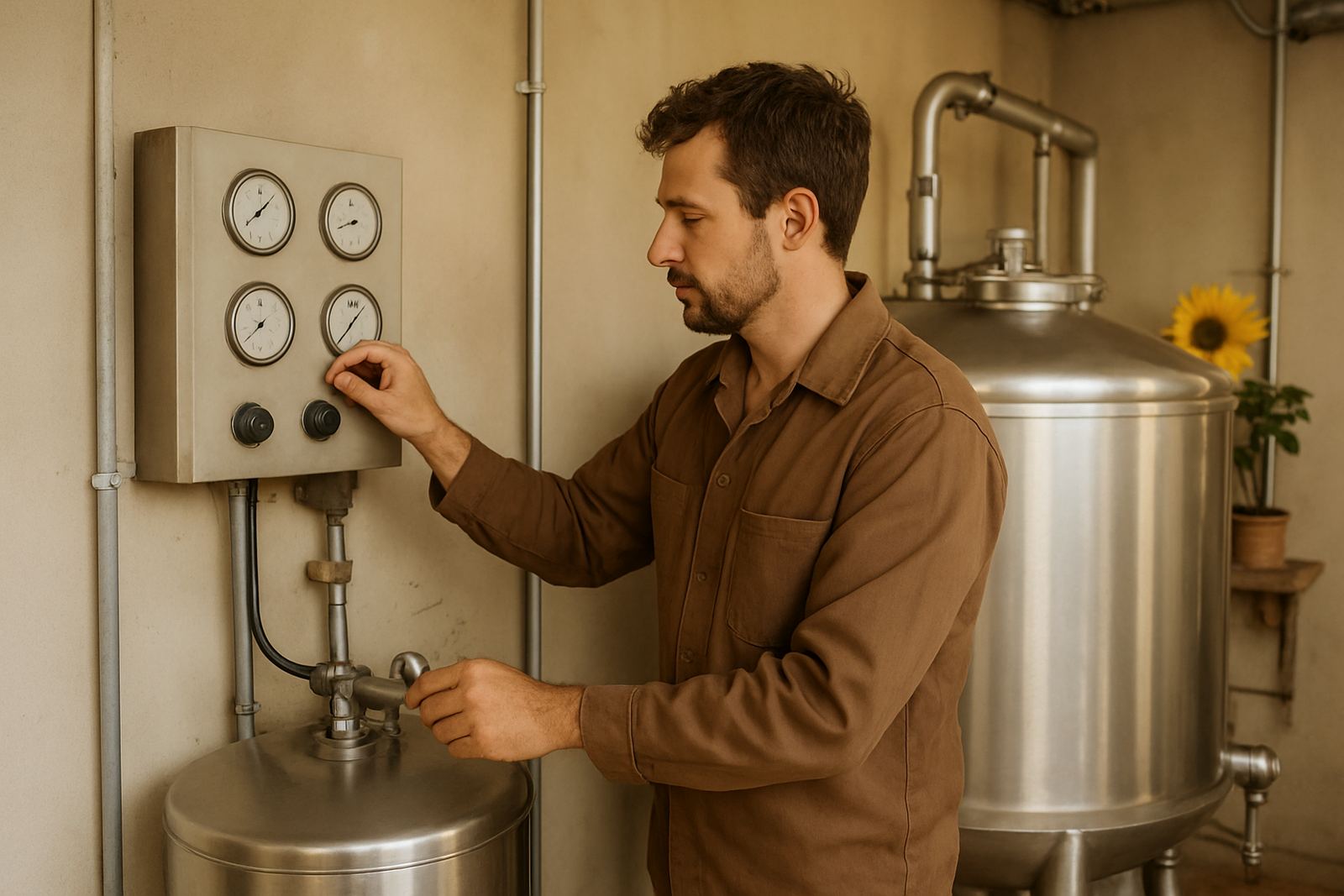
- Electrical and sensor verification at the controller
- Final temperature pull-down test under normal operating load
We also took time to brief the site team. In a dairy, staff often know the sound of the plant better than any report can show, so it helps when the operators understand what normal looks like after a conversion. That way, small changes can be flagged early rather than left until the next service call.
Timeline and working method
The project ran over two weeks from initial inspection through to final sign-off. The first week covered site assessment, refrigerant identification, isolation planning and parts preparation. The second week covered the physical conversion, control tuning, testing and handover. This staged approach reduced downtime and allowed us to work around the dairy's cleaning and collection times.
We scheduled the most critical work for quieter production windows and kept the client updated through Ayabulela Ndlovu, who handled service coordination and timing changes. Leanne Petersen managed the admin side so the paperwork, compliance notes and service records were ready without delay. That sounds simple, but on a live production site it makes the difference between a neat job and a messy one.
Once the system was back online, we monitored start-up behaviour and temperature recovery. The corrected settings gave the plant a steadier pull-down and fewer unnecessary cycles. The operator could see the difference on the controls almost immediately, and the milk storage temperature became easier to hold during busy periods. There was still a lot of work going on in the background, but the system itself was quieter and less twitchy.
Results after commissioning
The conversion achieved the main goal: the dairy now runs on a lower-GWP refrigerant with controls set for steadier operation and better day-to-day consistency. The plant is not being forced to overwork to hold temperature, which helps with running cost and long-term wear. The site team reported that temperature recovery after loading improved and the system no longer hunts as much during normal cycles.
- Lower-GWP refrigerant conversion completed successfully
- Controls tuned for more stable cycling and better temperature hold
- Reduced unnecessary compressor activity
- Cleaner handover with clear service records and operating notes
- Better readiness for load-shedding related restarts
Energy savings on a dairy are often modest at first glance, but they compound over time, especially where equipment runs every day. Less short cycling means less strain on compressors, contactors and sensors. It also makes maintenance easier because faults are easier to spot when the system is behaving properly. The client wanted a practical improvement, and that is what this project delivered.
What we would repeat on a similar dairy job
If we were doing the same kind of project again, we would keep the same approach: plan the changeover around the production rhythm, test the controls before making final adjustments, and document the operating settings carefully. A dairy system is only as good as its commissioning and follow-up, so we always leave room for final tuning once the plant has run under real load.
We would also recommend an early coil clean, especially where the plant is in a dusty or humid area. A conversion can look successful on paper, but if the condenser is dirty or airflow is poor the system will still waste energy. In the Eastern Cape, that practical detail matters. If the equipment is going to be left alone between services, it should be set up to tolerate real life, not ideal conditions.
For Despatch, the key lesson was that refrigerant changeover and controls tuning work best as one job, not two separate visits. That keeps the system understandable for the operator and reduces the chance of settings being left half-right. We would take the same route again for any bulk milk cooling plant that needs lower-GWP compliance and a calmer operating pattern.
Key facts
| Project type | Bulk milk cooling refrigerant conversion and controls tuning |
|---|---|
| Town | Despatch, Eastern Cape |
| Timeline | 2 weeks from assessment to handover |
| Refrigerant outcome | Converted to a lower-GWP refrigerant |
| Main works | Controls tuning, leak detection, temperature testing |
| Site focus | Live dairy operation with limited shutdown windows |