Why plant room housekeeping matters
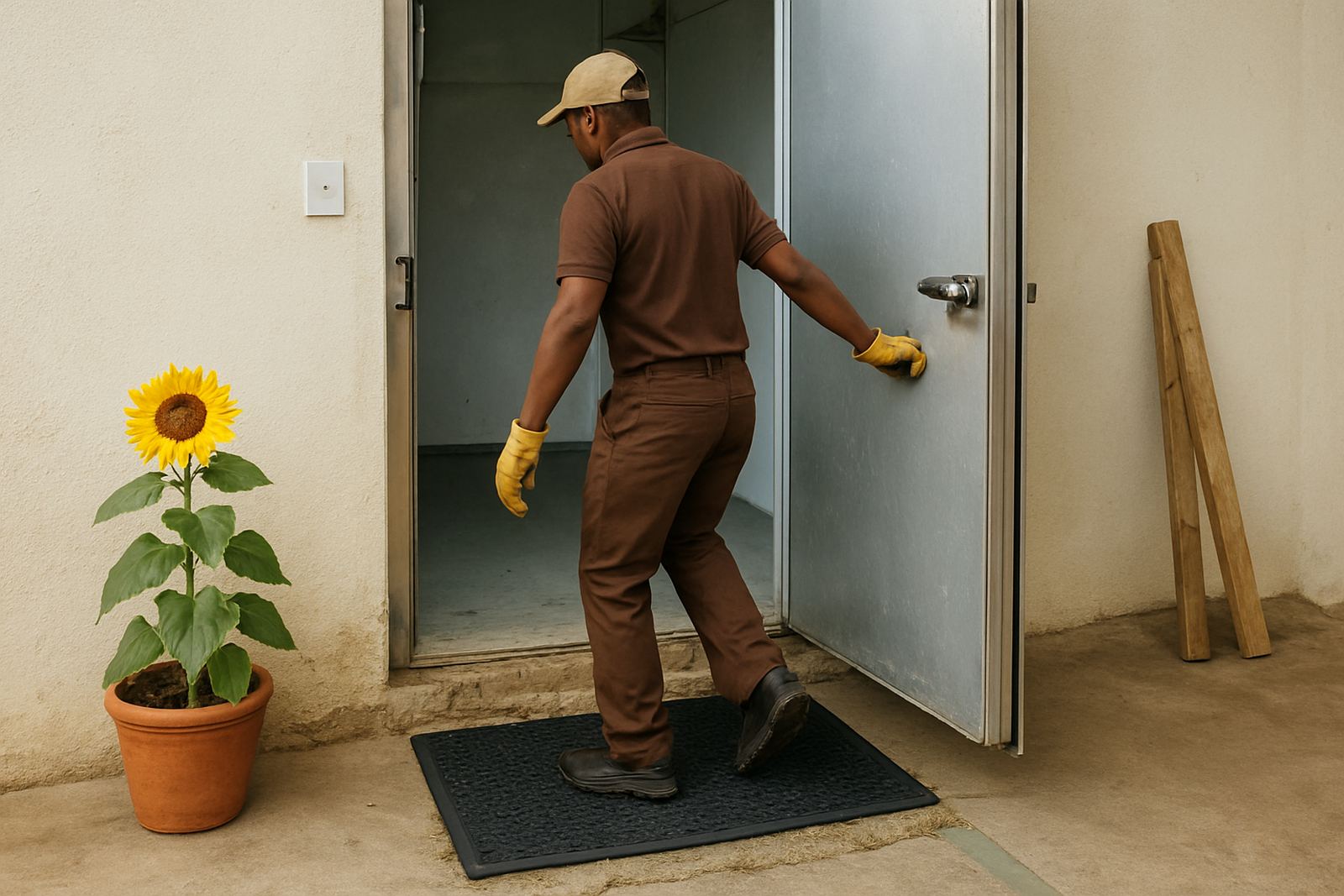
A plant room is not just a back corner where equipment gets left to run on its own. It is the working heart of a cold room, chiller or temperature-controlled site, and when that space is cluttered the whole system becomes harder to service. Dust blocks airflow, cardboard holds moisture, loose tools get in the way and leaks are missed until they become expensive.
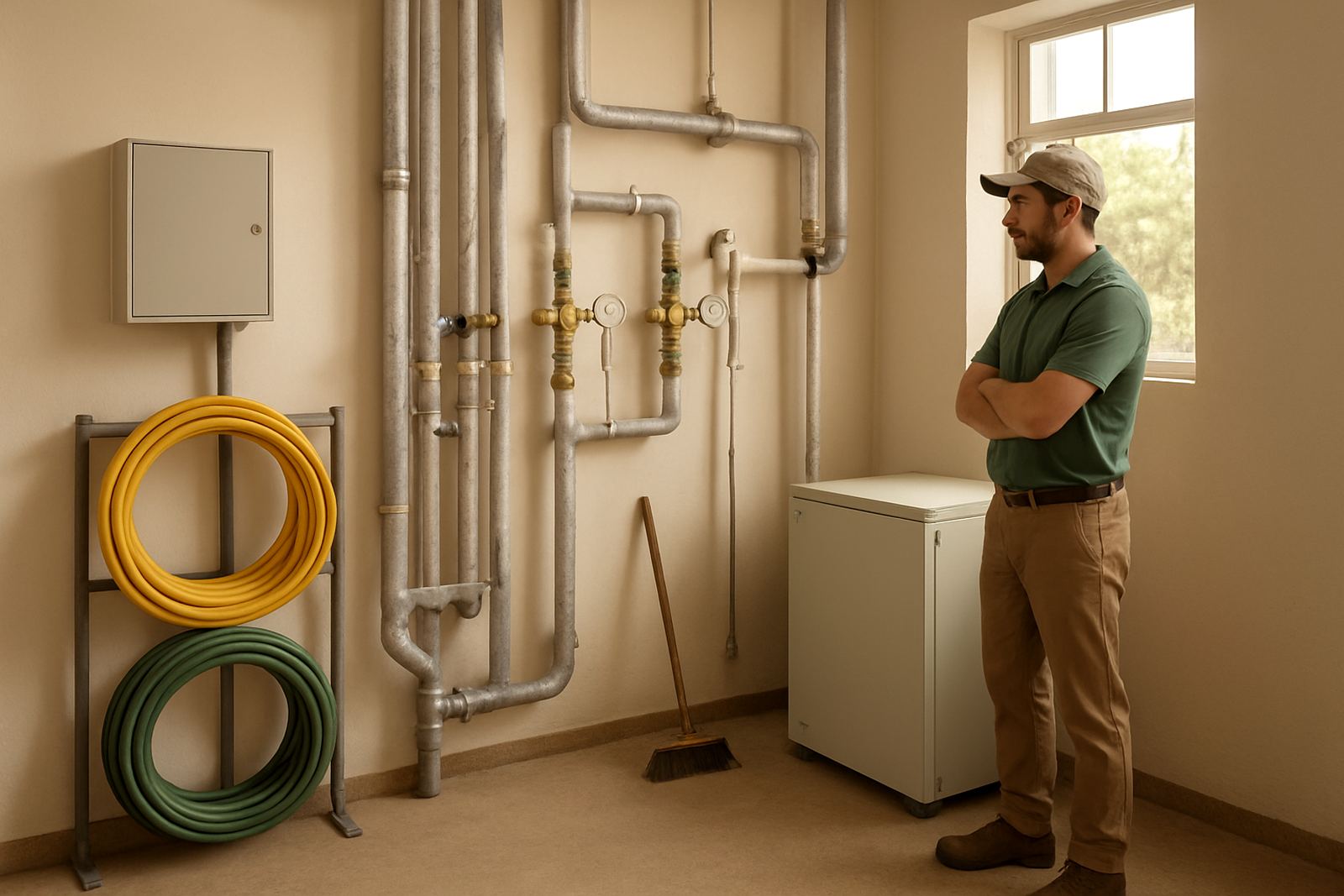
On many sites in Newton Park, the industrial zones around Gqeberha and the smaller depots out towards Despatch or Uitenhage, we see the same pattern. The equipment itself may still be sound, but the room around it makes every inspection slower and riskier. A tidy plant room gives technicians clear access to valves, controls, isolators and pipework, which means faults can be found earlier and fixed properly.
There is also a safety angle. Wet floors, poor lighting and blocked walkways can turn routine maintenance into a hazard. If your plant room is part of a food site, warehouse or retail back area, housekeeping supports basic compliance too, especially where temperature records, cleaning schedules and service access are checked by supervisors or auditors.
What should stay clear around refrigeration equipment
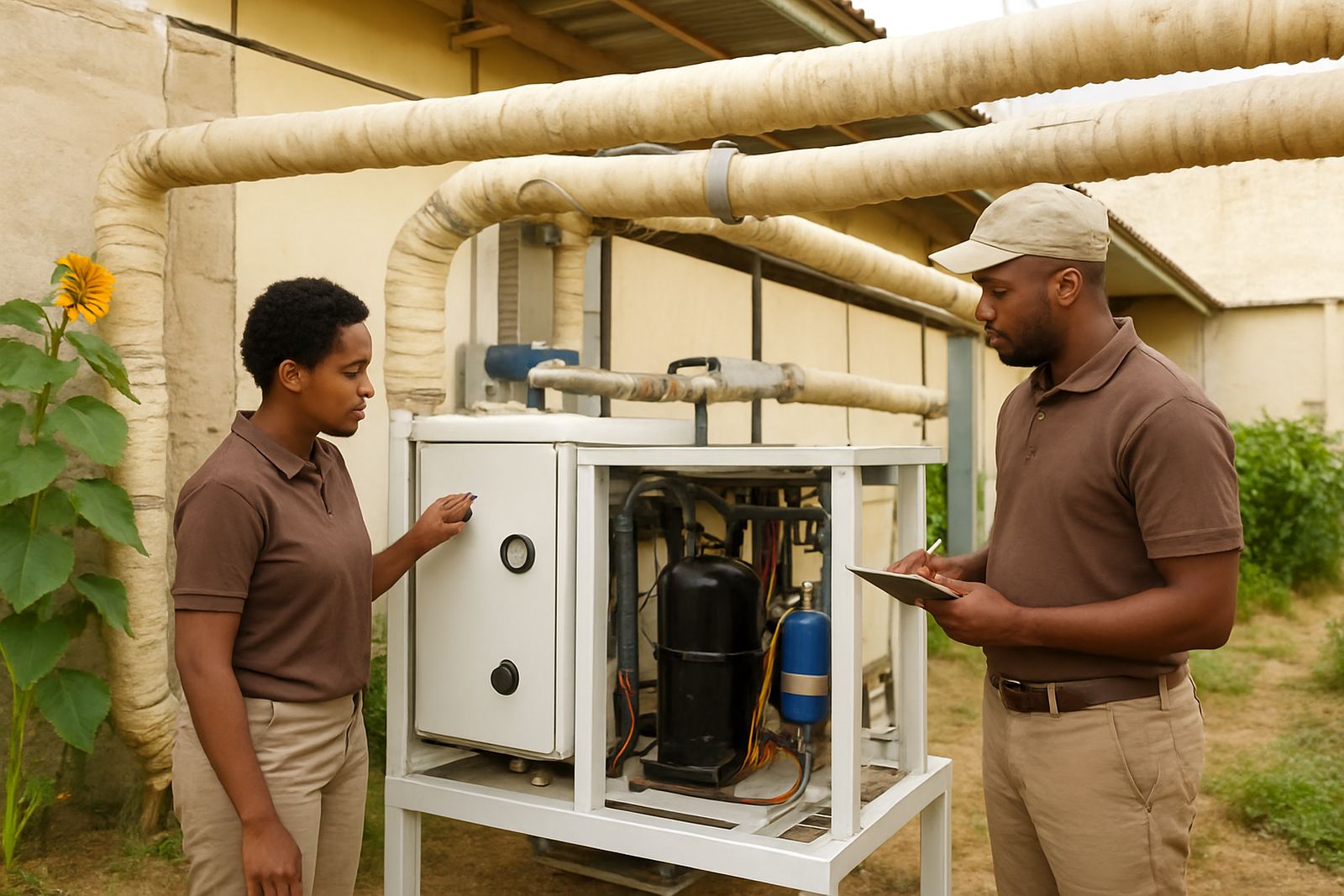
Every plant room should have space around the equipment for air movement and safe work. If the compressor, condenser, control panel or pump set is boxed in, the system has to work harder and the technician has to work around obstacles. That affects service quality and can shorten the life of the unit.
- Keep floors free of packaging, spare parts and cleaning waste.
- Leave access to isolators, drain points, gauges and control panels.
- Do not store chemicals near electrics or open components.
- Keep doors, vents and louvres unobstructed so heat can escape.
- Mark out walking paths where staff need regular access.
In coastal areas like Port Alfred and Jeffreys Bay, salt air and humidity make regular cleaning even more important. Moisture mixes with dust and forms a sticky layer on fins, fans and wiring. If that build-up sits for months, the plant room becomes hotter than it should be and the equipment starts cycling harder. A simple weekly clean can save a lot of grief later.
Cleaning routines that actually work on busy sites
Plant room housekeeping works best when it is simple and assigned to someone. If nobody owns the task, the room slowly fills with offcuts, cartons and old spare parts. A good routine does not need a full maintenance team on site, just clear responsibilities and a bit of consistency.
For most Eastern Cape sites, we recommend a basic schedule: daily visual checks, weekly floor cleaning and a monthly review of ventilation, drains and general access. If the site has frequent deliveries or loading activity, the plan may need to be tighter. During summer heat or load-shedding periods, housekeeping becomes even more important because equipment is already under strain.
- Wipe up oil, water and frost melt immediately.
- Remove dust from ledges, fan guards and control enclosures.
- Check that lights are working and labels are still readable.
- Clear away unused items after every service visit.
- Log any unusual noise, smell or vibration for follow-up.
A plant room that is cleaned only when something breaks is usually too late. Small jobs done often are cheaper than one big catch-up clean after a compressor fault or a failed fan motor.
How housekeeping supports better airflow and lower running costs
Airflow is one of the first things to suffer in a neglected plant room. Heat has to move away from the equipment, and if the room is full of clutter or the vents are dusty, the system recycles its own hot air. That means higher head pressure, longer running hours and more wear on key components.
We see this often on chilled storage sites and light industrial plants where the room was never set up for easy maintenance. A few boxes stacked against a louvre or a blocked return path can cause uneven temperatures and nuisance alarms. It may not look serious at first, but it shows up later in power bills and service call-outs.
Clean housekeeping also helps energy audit findings make more sense. If a plant room is untidy, it is harder to separate genuine equipment problems from bad airflow, blocked fins or poor access for routine cleaning. The cleaner the room, the clearer the picture.
For sites looking at chilled plant upgrades or low-GWP gas conversions, a clean plant room is a practical starting point. It allows the retrofit work to happen faster and gives the new setup a better chance of performing as intended.
Signs your plant room is slipping behind
You do not need special tools to spot most housekeeping problems. A quick walk-through usually tells the story. If staff are stepping over items, if doors do not open fully, or if the floor is always damp, the room is already costing time and money.
- Dust on motors, pipework and control boxes keeps returning quickly.
- Technicians need to move stock or debris before starting work.
- There is standing water near drains, pumps or evaporators.
- Labels, gauges or warning signs are hidden behind stored items.
- The room feels hotter than it should and smells stale.
At a distribution site near Gqeberha, we once found a plant room where spare cardboard cartons had been stacked against an air path for months. The team thought the issue was a failing condenser, but the real problem was poor housekeeping restricting airflow. Once the room was cleared, the system stabilised and the service work was far easier. Simple, but easy to miss when everyone is busy.
Practical habits for Eastern Cape sites
The best plant room housekeeping habits are the ones people can keep up with. Set the standard, write it down, and make it part of normal site routine. That matters in larger operations as well as smaller depots in Graaff-Reinet or Uitenhage where one person may be handling several tasks at once.
- Use a numbered layout so equipment and valves are easy to identify.
- Keep a short cleaning checklist at the door or service point.
- Store only approved items in the room, never loose clutter.
- Leave a clear space for technicians to set tools and test gear.
- Review housekeeping after every planned maintenance visit.
It also helps to plan for local conditions. Coastal humidity, dust from open yard areas and power interruptions all change how often a room should be checked. On some sites, a fan that runs harder during hot afternoons may need more frequent coil cleaning and more regular inspection of drains and insulation. Good housekeeping makes those jobs quicker and less disruptive.
At Nvirocool, we see plant room housekeeping as part of the overall refrigeration job, not a separate extra. When the space is clean, accessible and properly managed, maintenance teams can do better work, and your equipment is more likely to keep its temperature where it should be.