Why freezer floor risks build up so quickly
A freezer room is not only about temperature. The floor area at the door takes the most punishment because warm air, foot traffic, trolleys and washdown moisture all meet in one spot. In Gqeberha and nearby towns, coastal humidity makes that worse, especially when doors open often during loading shifts.
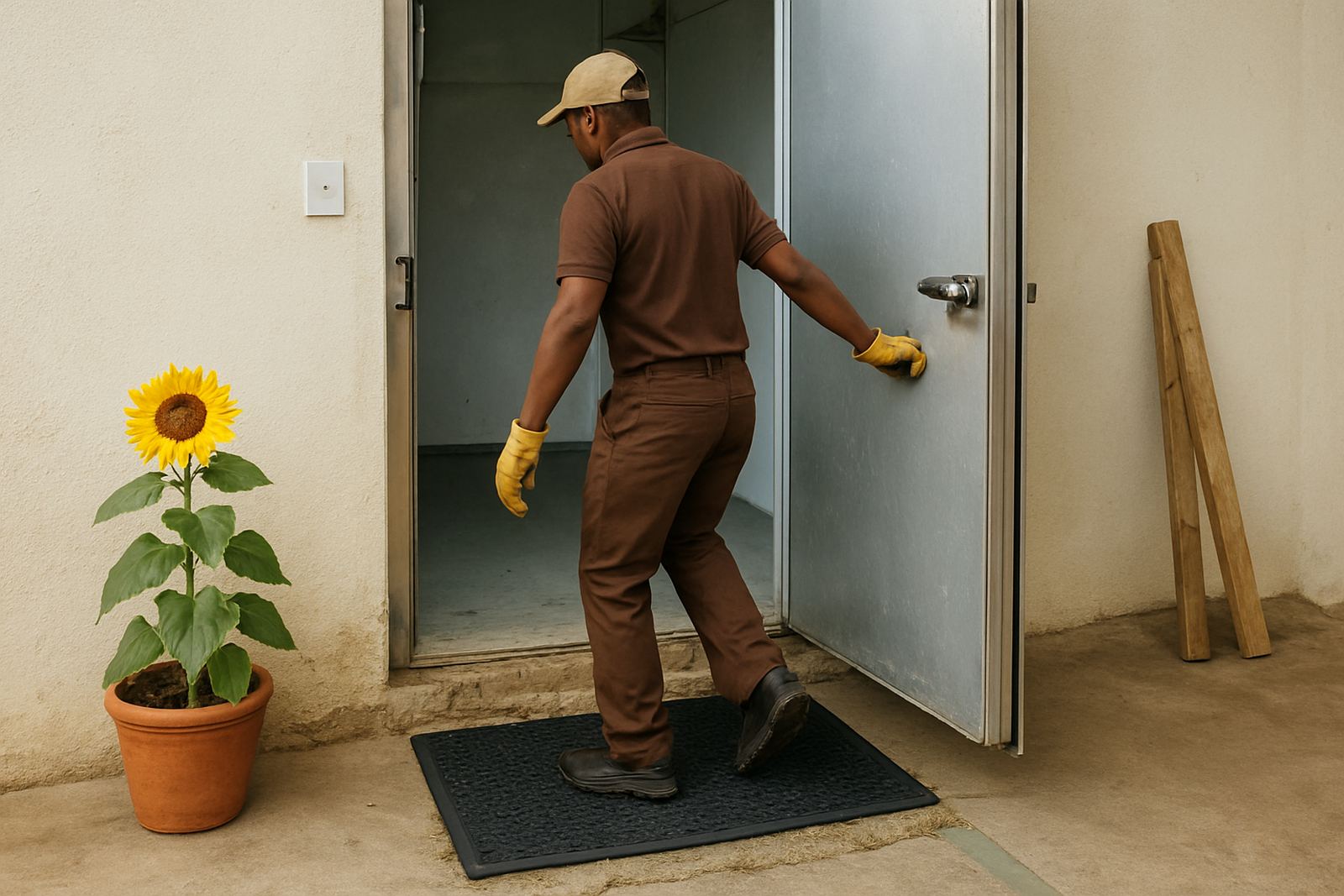
Ice starts in small ways. A cracked threshold, a door that does not seal properly or a damaged strip at the entrance lets warm air in. That air condenses on the floor, freezes, and before long the surface becomes slick. If the floor is already uneven, people also catch their wheels or toes on it. That is when a quick delivery turns into a fall risk.
The most common trouble spots to check first
Most freezer floor incidents start at a few repeat problem areas. These are worth checking at the start of every shift and again after deliveries or cleaning.
- Door thresholds that are chipped, lifted or missing sealant
- Floor joints where water can sit and freeze
- Poor drainage outside the room that tracks moisture back in
- Damaged kick plates, hinges or door closers that let the door hang open
- Rust or swelling around metal trims and frames
- Ice build-up near evaporator discharge points or under shelving
If your team uses sack trucks or pallet jacks, the floor needs even more attention. A wheel that jolts on a damaged edge can shift the load, and that creates a second hazard for the operator and anyone walking behind them.
Daily housekeeping that actually helps
Good freezer housekeeping is simple but it needs discipline. The goal is to stop moisture before it turns to ice and to spot surface damage early. A mop alone is not enough if water is being dragged in from the dock or yard.
- Keep the approach dry before each door opening
- Scrape ice safely with proper tools, not metal spades that damage the floor
- Check that floor mats or anti-slip strips are still fixed down
- Clean spills immediately and mark the area until it is dry
- Make sure washdown water does not run back toward the freezer entrance
For food sites in Uitenhage or Jeffreys Bay, where loading can happen in early mornings and humid afternoons, it helps to assign one person per shift to do a quick floor and threshold walk-through. It takes only a few minutes and catches issues before they grow.
When a threshold or seal becomes a safety problem
Many people treat threshold damage as a maintenance item only, but it is also a safety issue. A raised edge can trip a worker, damage a trolley wheel, or hold moisture that freezes into a hidden ridge. Once the surface starts breaking up, the problem gets worse with every cleaning cycle.
Look for these warning signs:
- The door scrapes or does not close firmly
- You can feel cold air leaking at the base of the door
- Water sits on one side of the entrance after cleaning
- The floor trim moves when stepped on
- There are repeated ice patches in the same place
In some cases the fix is a simple seal replacement. In others, the entrance needs proper repair work so the floor line and door line sit correctly. If a room is already working hard during load-shedding periods, any extra leakage also adds strain on the refrigeration system, so the safety benefit comes with an energy saving too.
How temperature control reduces floor ice
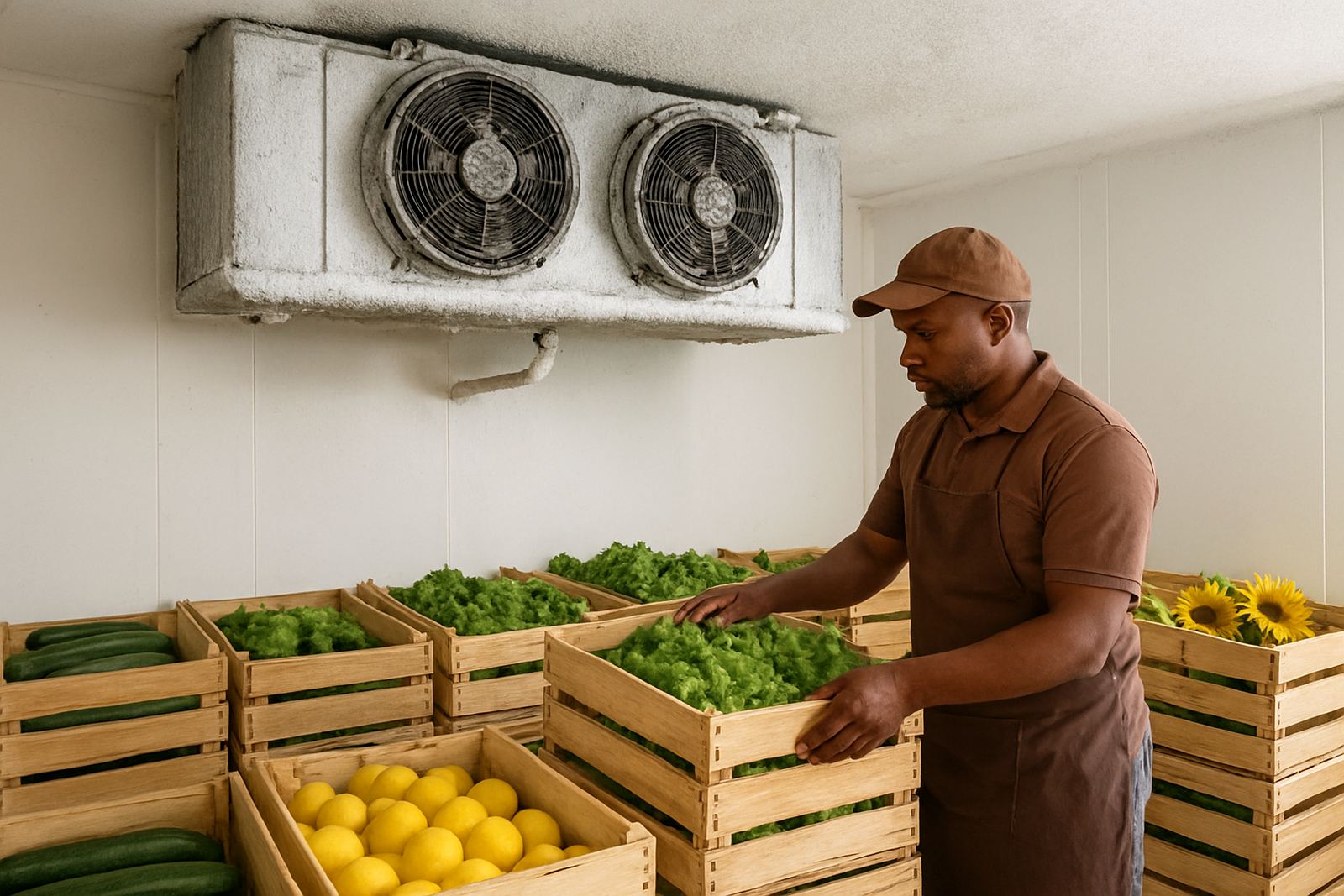
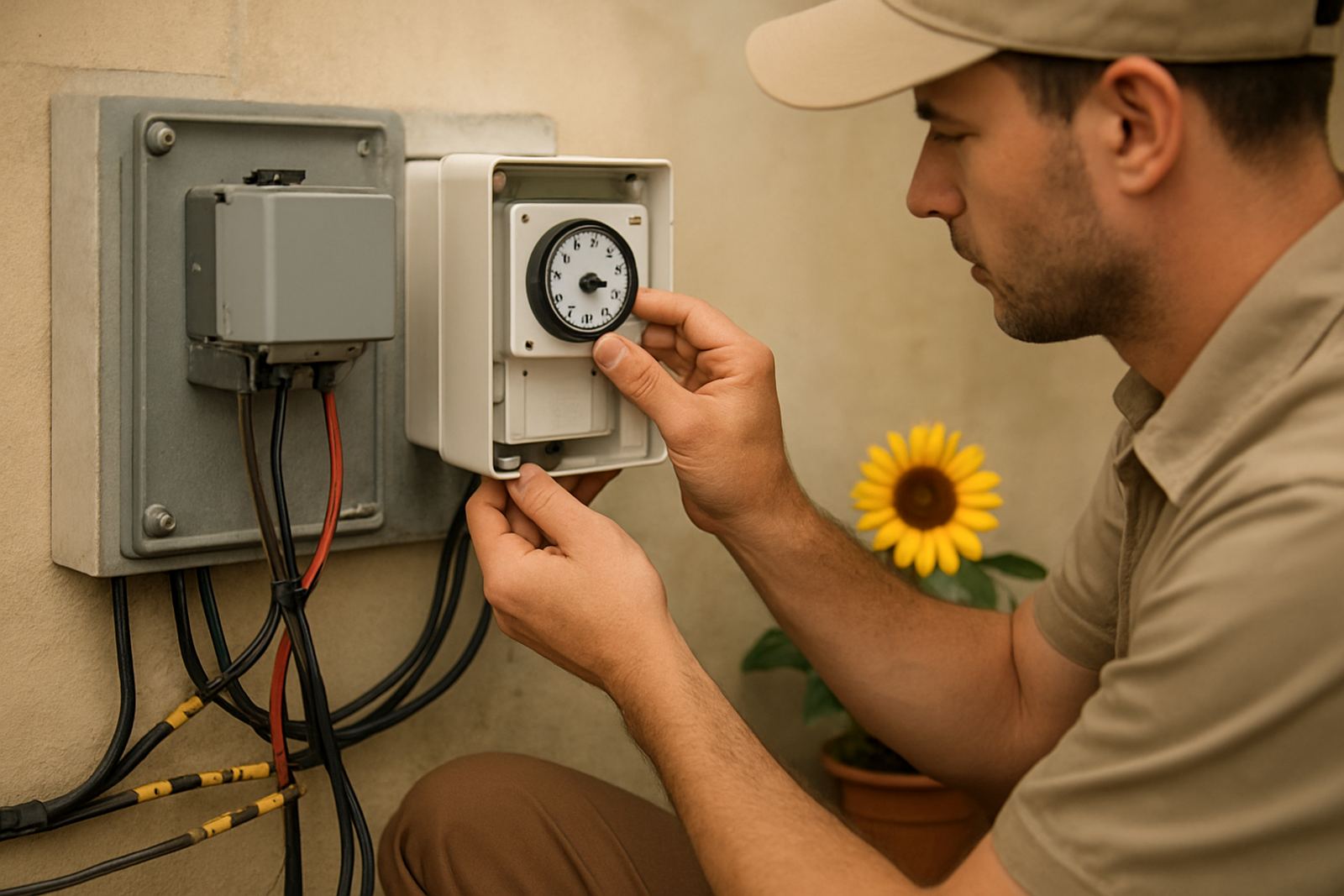
Floor ice is often a symptom of poor control rather than a floor problem on its own. If the room is cycling too hard, if the door alarm is ignored, or if the thermostat and sensors are out of calibration, the freezer can swing more than it should. That makes condensation more likely at the entry point.
A proper review should include:
- Door opening times and traffic patterns
- Temperature monitoring records and alarm history
- Condition of sensors, probes and control settings
- Fan performance and coil frost levels
- Defrost timing and whether it is clearing the ice properly
For cold rooms in Graaff-Reinet or Port Alfred, where sites may run with different shift patterns and less frequent overnight traffic, the risk is often hidden. The freezer looks fine until a busy delivery window pushes the door open too long and the first patch of ice appears right where staff step in.
A Gqeberha example that shows what small faults cost
At a food distribution site in Newton Park, the team noticed repeated icing at the freezer entrance and a few near misses with hand trolleys. The problem was not one big fault. It was a worn door seal, a slightly lifted threshold and moisture being pulled in from the loading area after afternoon deliveries. The floor stayed wet longer because the door was being propped open during busy periods.
Once the threshold was repaired, the seal changed and the staff started using a simple opening routine, the ice problem dropped quickly. No major shutdown was needed, just steady maintenance and better handling. That is the point with freezer floor safety: small details matter more than people think, and if one detail is left too long it becomes everyone’s problem.
Simple actions that lower slip and access risk
If you manage a freezer room, put a short safety routine in place and keep it visible near the entrance. It should cover both the floor and the door hardware. This helps on busy days when people are rushing and the obvious hazard gets missed.
- Inspect the threshold before the first delivery
- Keep the entrance dry and free of loose packaging
- Report damaged seals, trims or floor joints straight away
- Check that warning signs and anti-slip measures are still in place
- Book maintenance before small ice problems become repair jobs
For sites across Gqeberha, Despatch and the wider Eastern Cape, proper freezer floor care is part of keeping people safe and stock moving. It also protects your refrigeration equipment from working harder than it should, which matters when power interruptions and heavy humidity are part of daily life.