Why coil condition shows up in the product first
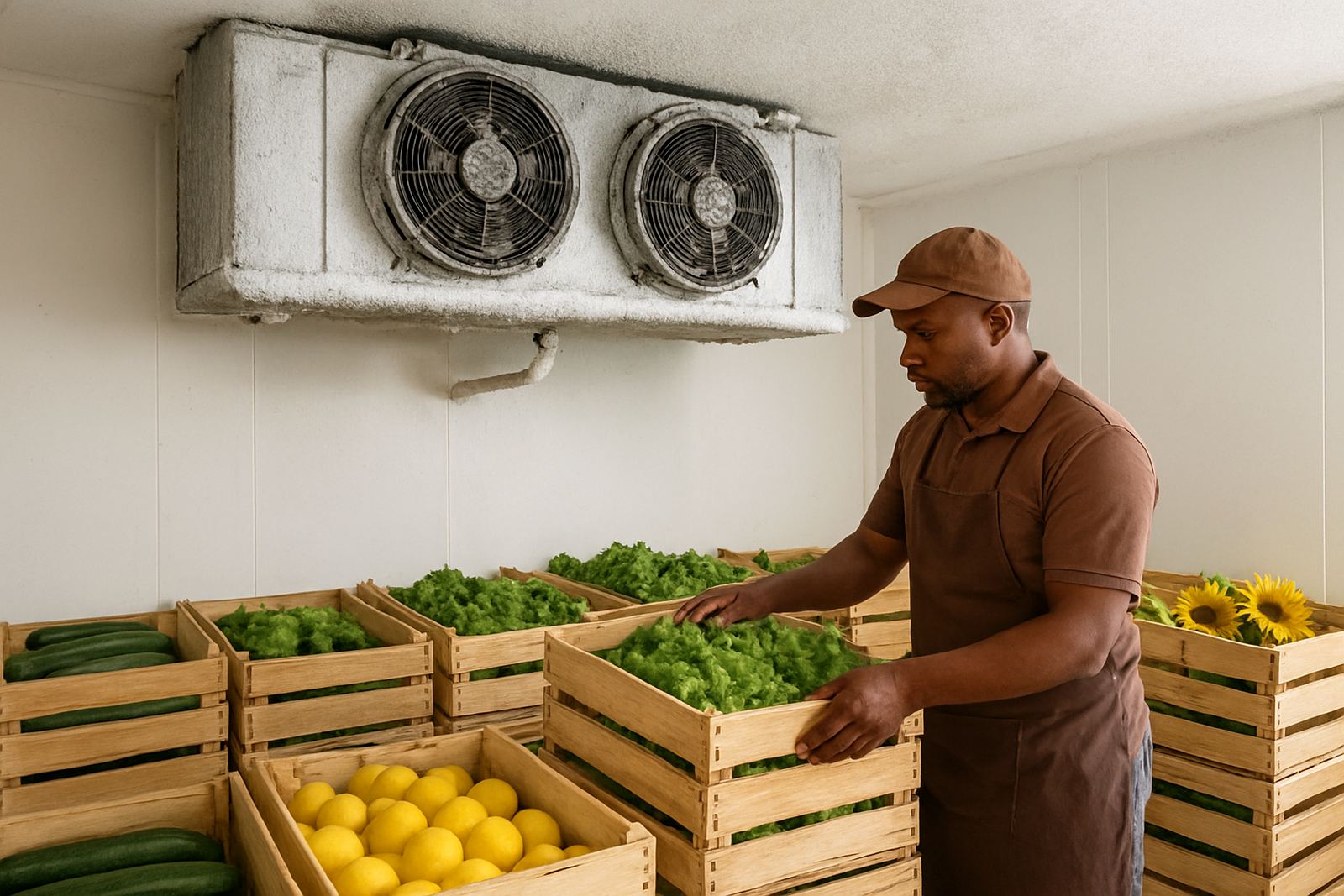
A refrigeration coil is not just a metal component in the background. It is the surface that removes heat from the air or product space, and if that heat exchange drops off, the whole room starts drifting. Temperatures can still look acceptable on a display panel while the actual airflow is weak, uneven or cycling too hard, which puts fruit, dairy, meat and prepared foods under stress.
In practical terms, poor coil performance can lead to warmer corners, slower pull-down after loading, and more moisture hanging in the room. That extra moisture matters. It encourages frost on product, softens packaging and can shorten shelf life by a day or two, sometimes more. For chilled goods moving through Newton Park, Uitenhage or Despatch, that difference is enough to affect returns and customer trust.
What dirty or iced coils do to shelf life and texture
When a coil is coated with dust, grease or salt film, it cannot transfer heat properly. Fans then work harder, compressors run longer, and the room still struggles to hold a steady temperature. Product sits in a less stable environment, which is where quality losses begin.
- Leafy produce wilts faster when humidity and temperature swing through the day.
- Meat can lose surface moisture, changing appearance and weight.
- Dairy and prepared foods can spoil sooner if the room is uneven or the door is opening too often.
- Frozen goods may show thaw-refreeze damage if the system is short cycling.
On the coast, especially in Gqeberha and Jeffreys Bay, salty air and humidity put even more strain on coils. Inland areas like Graaff-Reinet face dust and dry heat, which builds a different kind of blockage. Either way, the result is the same: less efficient cooling and more pressure on product quality.
The signs your coils are affecting product quality
By the time a customer complains about soggy lettuce or soft ice cream, the coil issue has usually been there for a while. A good maintenance routine picks up the warning signs early. You do not need a lab to spot most of them, just a close eye and a proper service record.
- Uneven temperatures from one end of the room to the other
- Frost forming on the coil face or around the fan guards
- Long compressor run times after loading or during hot afternoons
- Condensation on product packaging or on the room ceiling
- Higher power use without any increase in stock volume
If the system is also under strain from load-shedding, dirty coils make recovery slower when power returns. That lag can push temperatures out of range and affect product integrity before anyone notices, specially in smaller cold rooms with tight storage margins.
A local example from a cold room on the coast
A chilled storage room in the Gqeberha area once started showing repeated temperature swings after lunch, even though the controller looked normal. Staff thought the issue was the door seal. During inspection, the evaporator coil was packed with fine dust and a light salt film, and the drain line had partial blockage. Airflow was restricted and the room was taking far longer to recover after each door opening.
After coil cleaning, drain clearing and a control check, the room settled back into a steady range and the client noticed the difference in product handling within the week. Fresh produce held its firmness better, and there was less condensation on packaging. It was not a dramatic breakdown, but it was enough to affect stock movement and waste. Small issues like that often get ignored untill the losses start showing on the accounts.
What good maintenance should include
Coil care is not only about washing a surface. A proper visit looks at airflow, drainage, controls and operating load as well. That is how you protect product quality rather than just ticking a service box.
- Regular coil cleaning with the right method for the site and fin spacing
- Fan motor and blade checks for correct air movement
- Defrost settings reviewed against actual room use
- Temperature monitoring checks to confirm real product conditions
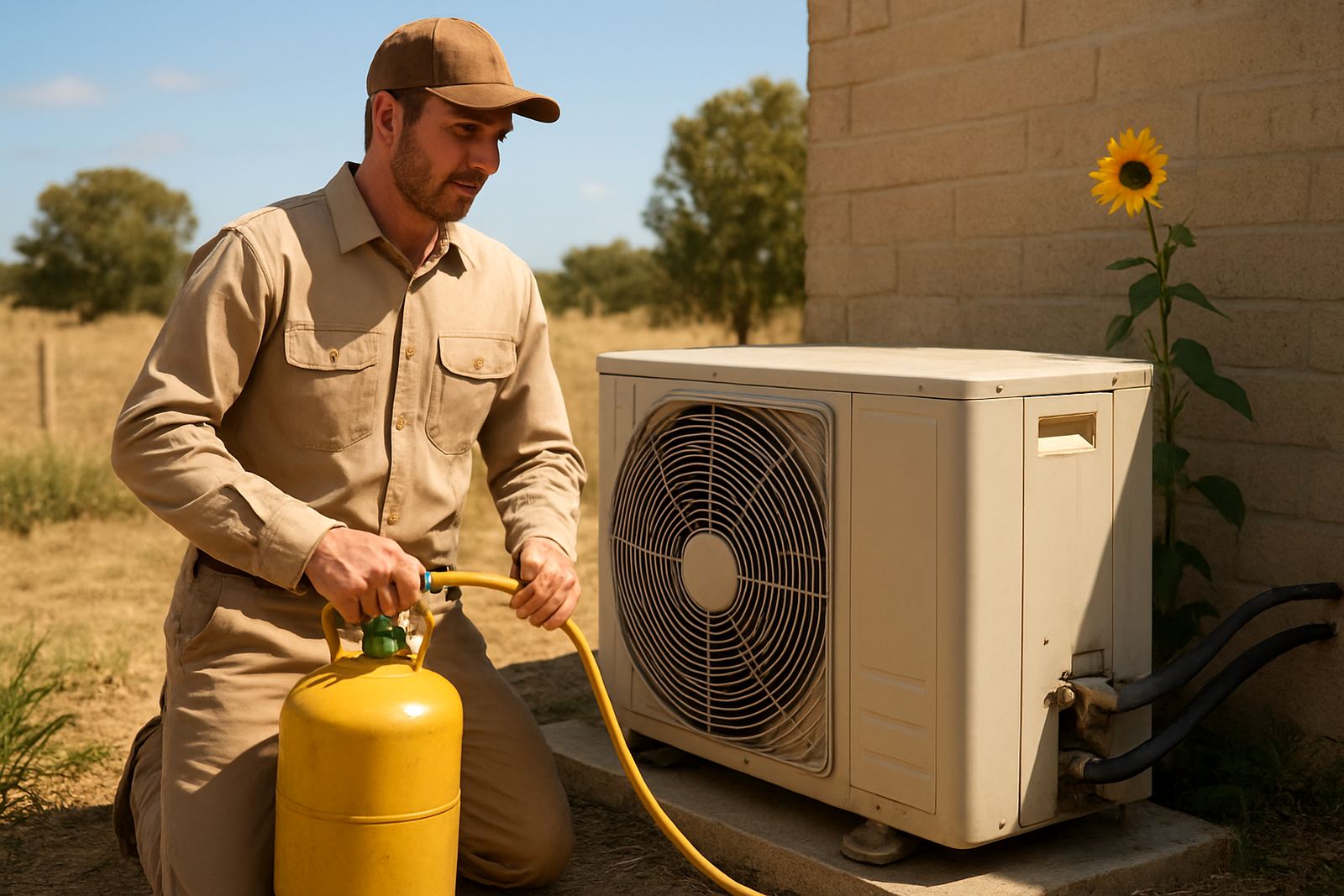
- Leak detection and gas level assessment where performance is slipping
- Drain pan and drain line cleaning to prevent standing water and ice build-up
For businesses in Port Alfred, Jeffreys Bay or Uitenhage, planned maintenance also helps you work around trading hours and delivery windows. That reduces spoilage risk and keeps staff from having to move stock at the last minute.
How Nvirocool helps protect stock and consistency
At Nvirocool, we focus on the link between refrigeration performance and what happens to the product on the shelf or in the store room. We service cold rooms, chillers and temperature monitoring systems across Gqeberha and the Eastern Cape, with work that includes planned maintenance, emergency breakdowns, coil cleaning, control upgrades and low-GWP conversions.
If the goal is longer shelf life, better texture and fewer stock losses, the coil has to be part of the conversation. We also look at energy use, because a system that works too hard usually costs more and cools less. With energy audits and retrofit planning, we help clients improve cooling stability without wasting power. That matters during summer peaks, municipal interruptions and long operating hours.
When a room is holding fresh stock, every degree matters. Good coil condition keeps that degree where it should be, and the product shows the difference.