Why a 5 minute gasket check matters
Most people notice a refrigeration problem only after the temperature has started creeping up. By then, the compressor has often been working harder for days, sometimes weeks, because warm air has been leaking through a tired door seal. A gasket is a small part, but it does a big job. It keeps the cold air inside, helps the system cycle properly, and reduces frosting around the frame and floor.
For businesses in Gqeberha, Uitenhage and Despatch, this matters even more during hot spells and load-shedding recovery periods. When doors are opened often, or left not quite closed, a weak gasket can lose grip quickly. A weekly check takes less time than cleaning up thawed product or waiting for an emergency technician.
The good news is that most gasket issues show signs before they fail completely. You just need a routine that staff can follow every week, same day, same order, and log what they find.
What to look for on the door seal
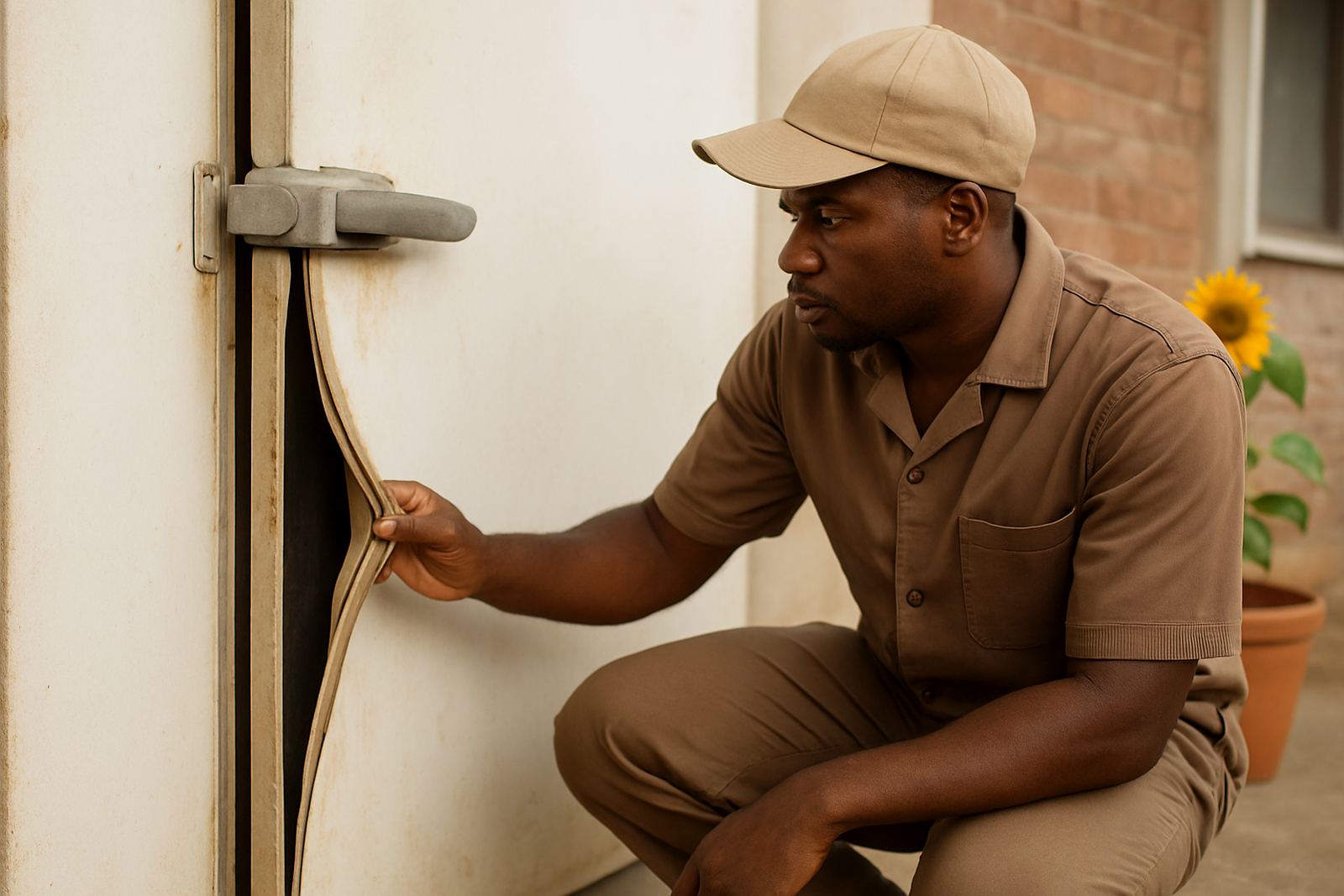
Start with the full length of the gasket, including corners and the bottom edge, because that is where wear usually starts. Look for cracks, flattening, gaps, grease build-up and areas where the seal has come loose from the frame. On older cold rooms, the lower section may look fine but not spring back once the door closes. That means it is no longer gripping the jamb properly.
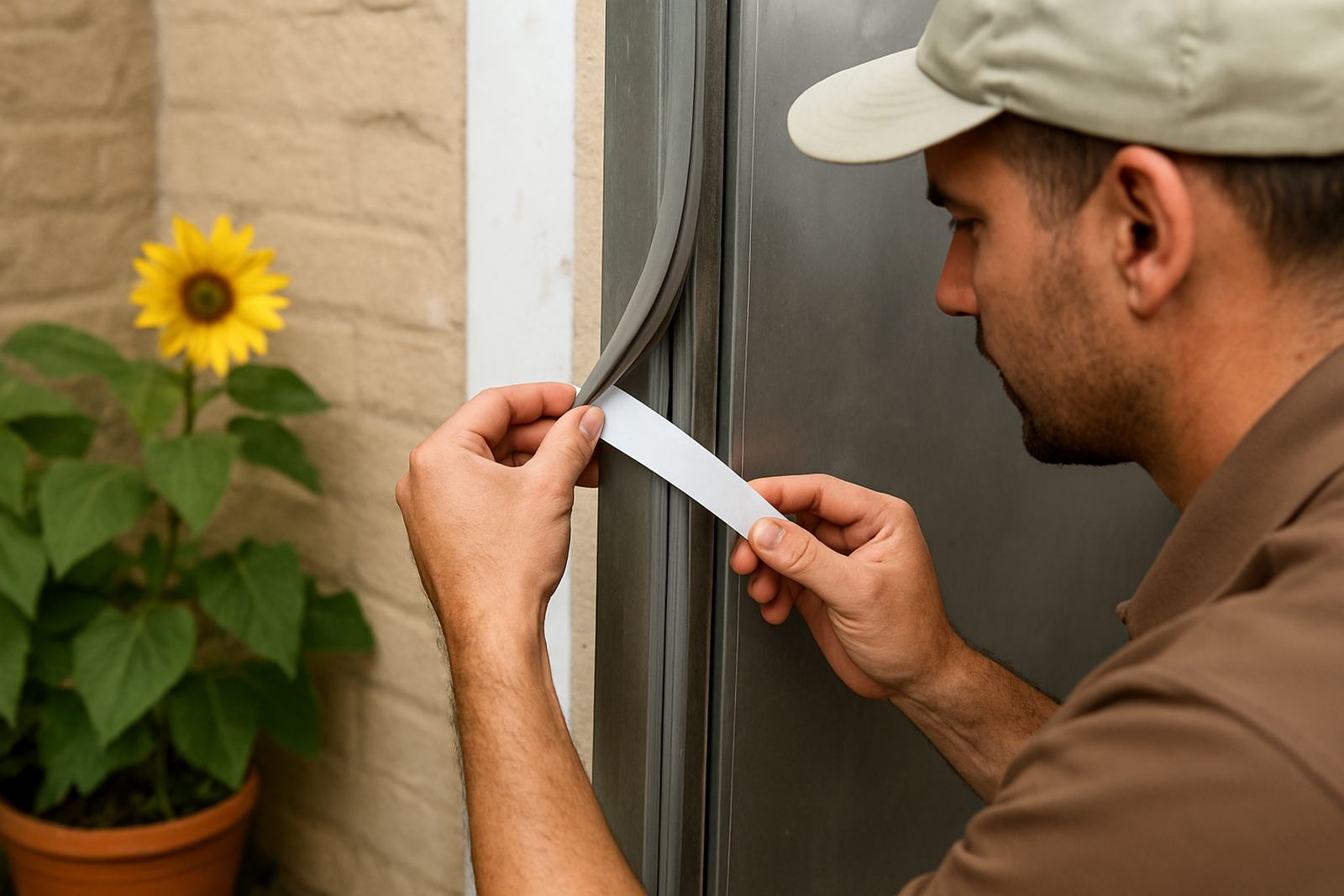
A simple visual inspection is useful, but it should also be a hands-on check. Run your fingers around the seal to feel for hard sections and weak spots. Close the door on a slip of paper and tug it gently. If it pulls out easily at several points, the seal may no longer be holding a proper seal. Do this at eye level and at the bottom, because damage is often uneven.
- Check for cracks, tears and flat sections
- Make sure the gasket sits evenly in its channel
- Look for ice, grime or product spill residue
- Test the seal with paper at the top, middle and bottom
Signs your room is losing cold air
If the gasket is failing, the room will usually show it. You may see frost around the door, puddles near the entrance, or condensation on the inside frame. Staff may also notice that the door feels heavier to close, or bounces open slightly after shutting. In some cases the magnet strip is weak and the latch has to be slammed just to get a fit.
Another warning sign is temperature drift. If the room takes longer to pull down after opening, or if the thermostat keeps calling for cooling more often than usual, the door seal may be part of the problem. This is common in bakeries, butcheries and seafood storage where doors are opened often through the day. A gasket fault can look small, but the energy loss adds up fast.
In Port Alfred and Jeffreys Bay, coastal humidity can make the issue worse because moisture settles on damaged seals and encourages mould. Once that starts, the gasket can smell musty and become harder to clean properly.
A local example from a busy back-of-house
A catering store in Newton Park had no major breakdown, just a freezer room that was using more power than usual. The team had not reported any alarm because the temperature was still within range. During a routine visit, the technician found a split along the bottom gasket and a warped corner near the hinge side. The door looked shut, but warm air was sneaking in after each opening.
After the gasket was replaced and the latch checked, the room stabilised and the compressor stopped short cycling. The site manager said the difference showed up within a week on the energy use pattern. That kind of result is common: a small seal repair can reduce strain on the plant and keep product quality steadier. It also cuts the risk of bigger faults that come from overwork.
For businesses in Graaff-Reinet or further inland, where daytime heat and dusty conditions can affect door hardware, this kind of simple inspection is just as important. Dust on the seal can look harmless, but it can stop the gasket from sitting flat and then the leak begins.
How to set up a weekly gasket routine
Keep the process short enough that staff will actually do it. One person should inspect the seals every week, ideally before the busiest service period or before the first delivery arrives. Record the date, the room number, what was found and whether the door closed properly. If the same corner keeps lifting, that is useful information for the technician.
A practical routine should cover cleaning as well as checking. Wipe the gasket with warm water and a mild cleaner, then dry it fully. Do not use harsh chemicals that can dry out the rubber or leave a film behind. Make sure pallets, crates and product packaging are not pushing against the door edge, because repeated knocks can twist the seal out of shape.
- Assign one person to do the check each week
- Wipe the gasket clean before inspection
- Log the findings in a simple register
- Report any split, loose or warped section straight away
When to repair, replace or call for support
If the gasket is dirty but still flexible, a proper clean may be enough. If it is cracked, hardened or no longer gripping the frame, replacement is usually the better option. Waiting too long can lead to icing, fan strain and higher running costs. In some cases the problem is not only the seal but also the hinges, latch or door alignment, so checking the full closure is important.
When a site in Gqeberha, Uitenhage or Despatch has repeated seal failures, there may be a deeper issue with door use, traffic flow or temperature monitoring. That is where planned maintenance helps. A technician can inspect the gasket, adjust the hardware, check for air leaks and confirm that the room is cycling properly. If your cold room is already under pressure from load-shedding or frequent opening, it makes sense to deal with the seal before the rest of the system starts taking strain.
Nvirocool works with cold rooms, chillers and refrigerated storage across the Eastern Cape, from routine checks to emergency breakdowns. A weekly gasket routine is one of the simplest habits a site can build, and it pays for itself by catching trouble early.