Why a temperature log matters before a breakdown starts
A good log tells a clearer story than a single thermometer reading. It shows what happened over time, so you can see if a room is drifting by 1 or 2 degrees, if the unit is cycling too often, or if a door issue is pushing product outside safe limits.
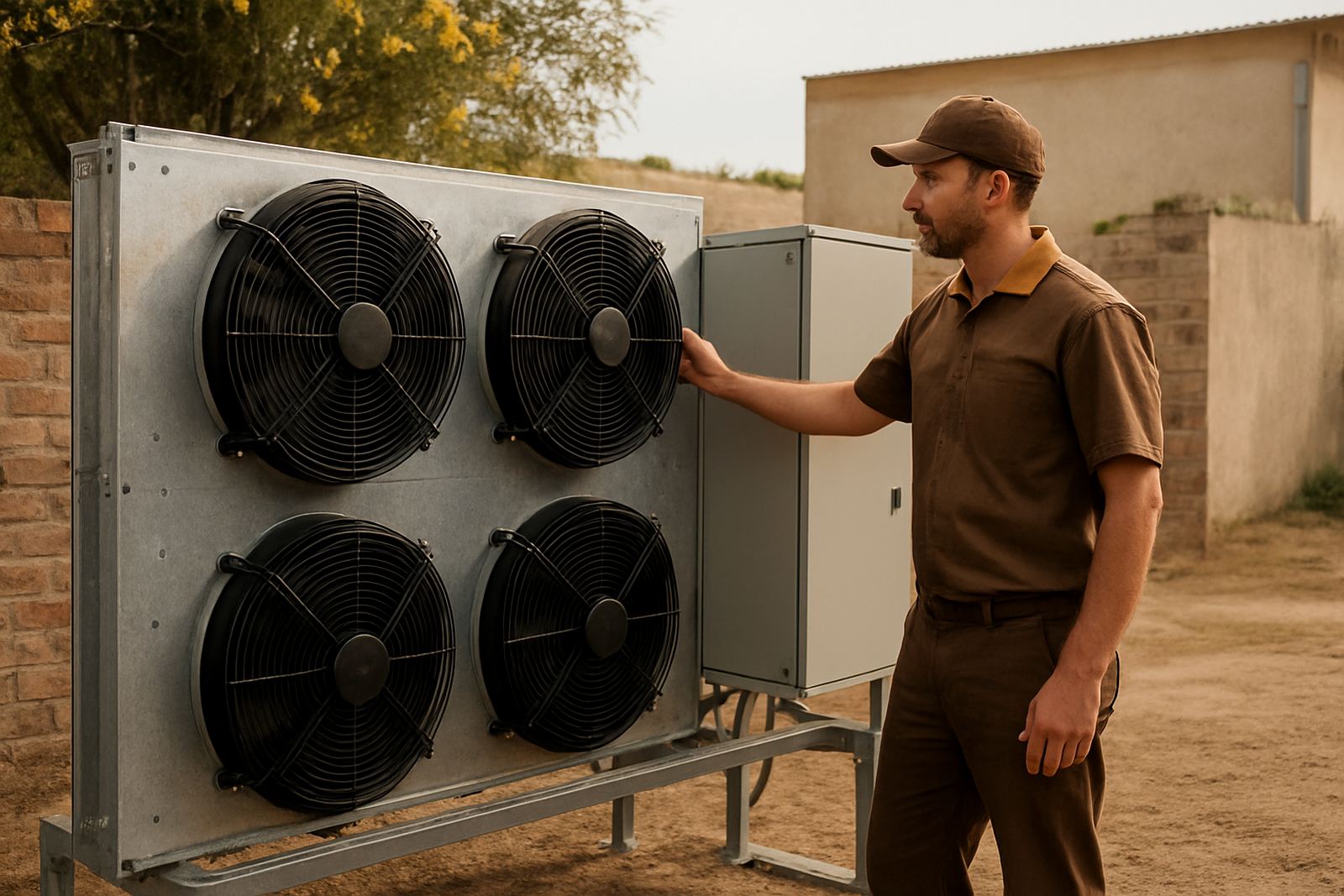
For food storage, pharmaceutical stock and process cooling, that record can be the difference between a small adjustment and a costly write-off. In Gqeberha, where humidity and coastal air can strain equipment, logs also help show when a system is fighting harder than it should. That matters when a site manager needs to explain a spike in energy use or a tenant asks why a room is not holding temp.
How logs support compliance and traceability
Temperature records are useful because they create traceability. If a health inspector, auditor or internal quality team asks for evidence, you have dated readings rather than a memory of what the display showed that morning. For many sites, especially food handling and storage, that is practical proof that the chain stayed within the required range.
Logs also help you back up your maintenance records. If a unit was serviced on Monday and the log shows stable performance after that, you have a clean record. If it started climbing on Wednesday, the timing narrows the cause. It makes follow-up with the technician much simpler, and it keeps everyone on the same page.
- Daily temperature history for each cold room or chiller zone
- Proof of stable operation after service or repairs
- Records that support compliance checks and audits
- Evidence when a stock loss claim needs to be explained
What data logging reveals that a quick check can miss
A once-off reading can look fine even when a system is under pressure. Data logging picks up patterns that are easy to miss on a busy site. For example, a room may drop to the target temperature by 6 am, but climb too high every time the door is opened for loading. Or the evaporator may ice up every afternoon because airflow is restricted.
That kind of detail helps identify whether the issue is mechanical, operational or both. It might be a faulty probe, poor door seals, dirty coils, or a control setting that needs adjustment. On a site in Despatch, we saw a chilled store that kept flagging minor warm-ups on hot days. The log showed the rise always happened after the loading bay door stayed open too long. Once the team changed the loading routine and checked the seals, the problem settled.
- Short cycling caused by incorrect control settings
- Door openings, traffic and loading habits affecting temperature
- Defrost problems showing up at the same time each day
- Slow temperature drift that points to weak cooling capacity
Using logs to prove stability after a repair or retrofit
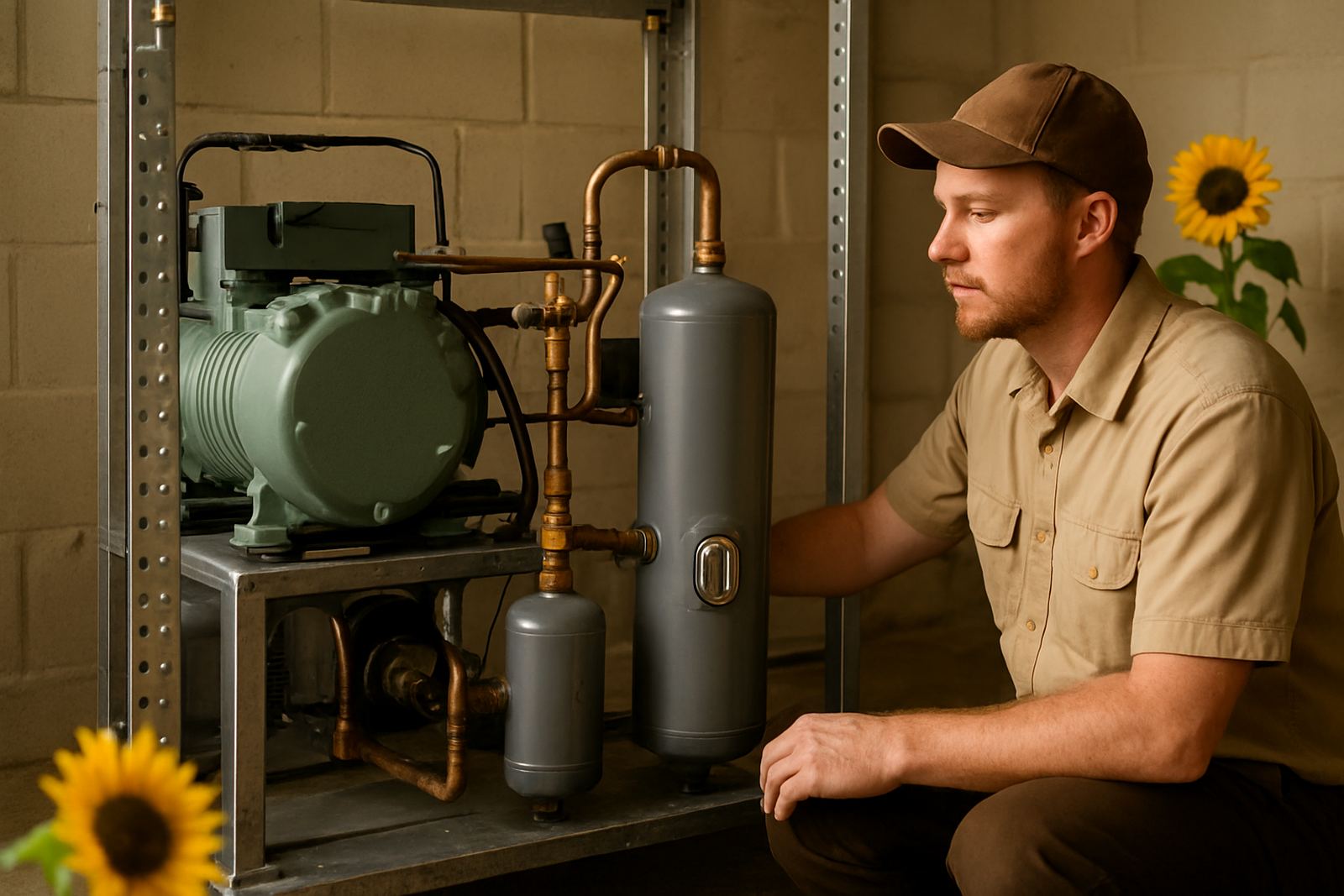
After a repair, clients often want to know whether the system has actually settled down. A temperature log gives that answer. It shows whether the room recovered quickly after a fault, whether the set point is being held, and whether the compressor or fan is running longer than it should. That is especially useful after control upgrades, low-GWP conversions or chiller retrofit work.
At Nvirocool, we often use logs to compare performance before and after intervention. If a chiller was overworking during load-shedding recovery, for example, the log may show the unit taking too long to pull back to target after power returns. After a control upgrade or coil clean, the recovery time can be measured properly instead of guessed. It gives the client something solid to work with, not just a verbal report.
What to log, and how often to check it
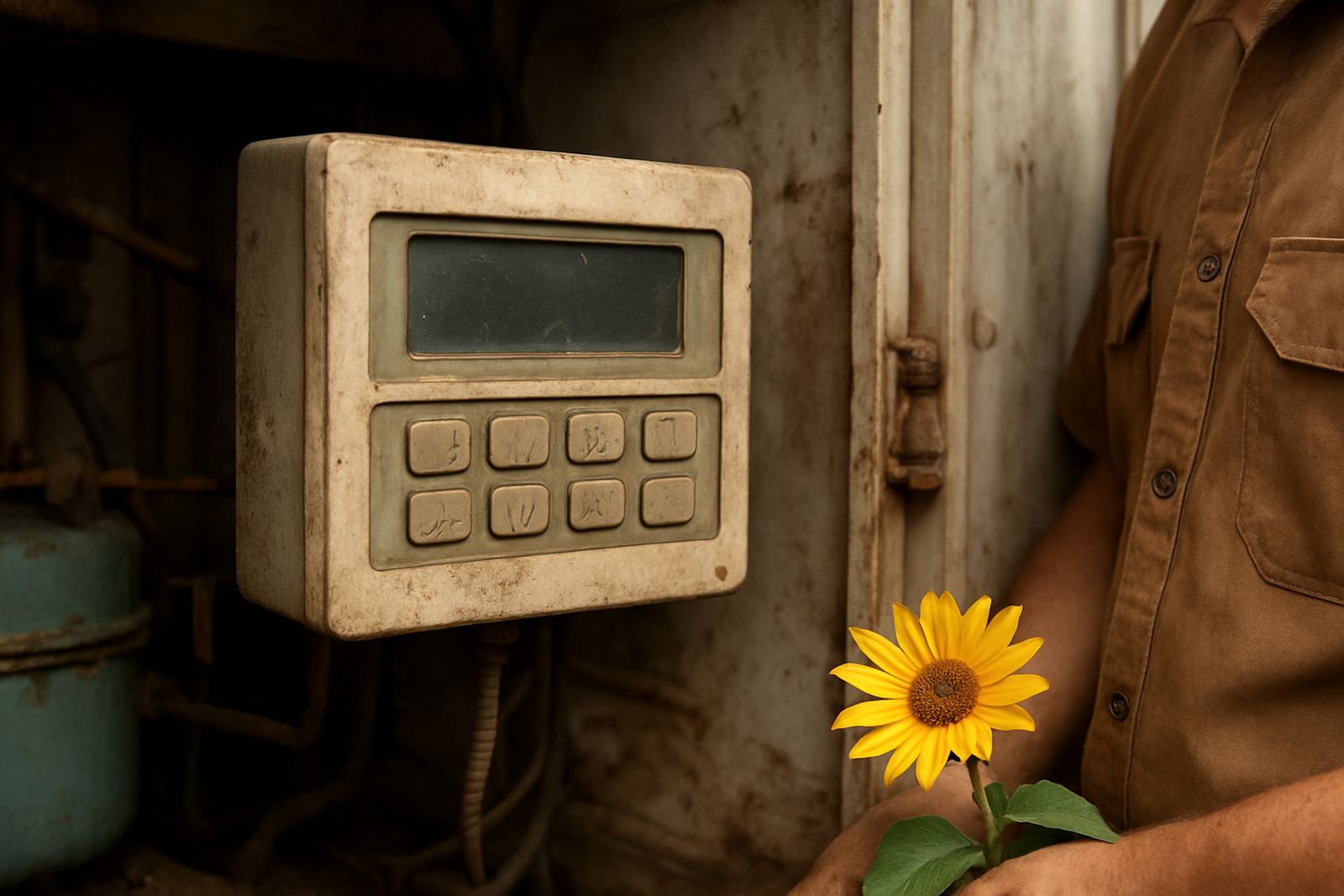
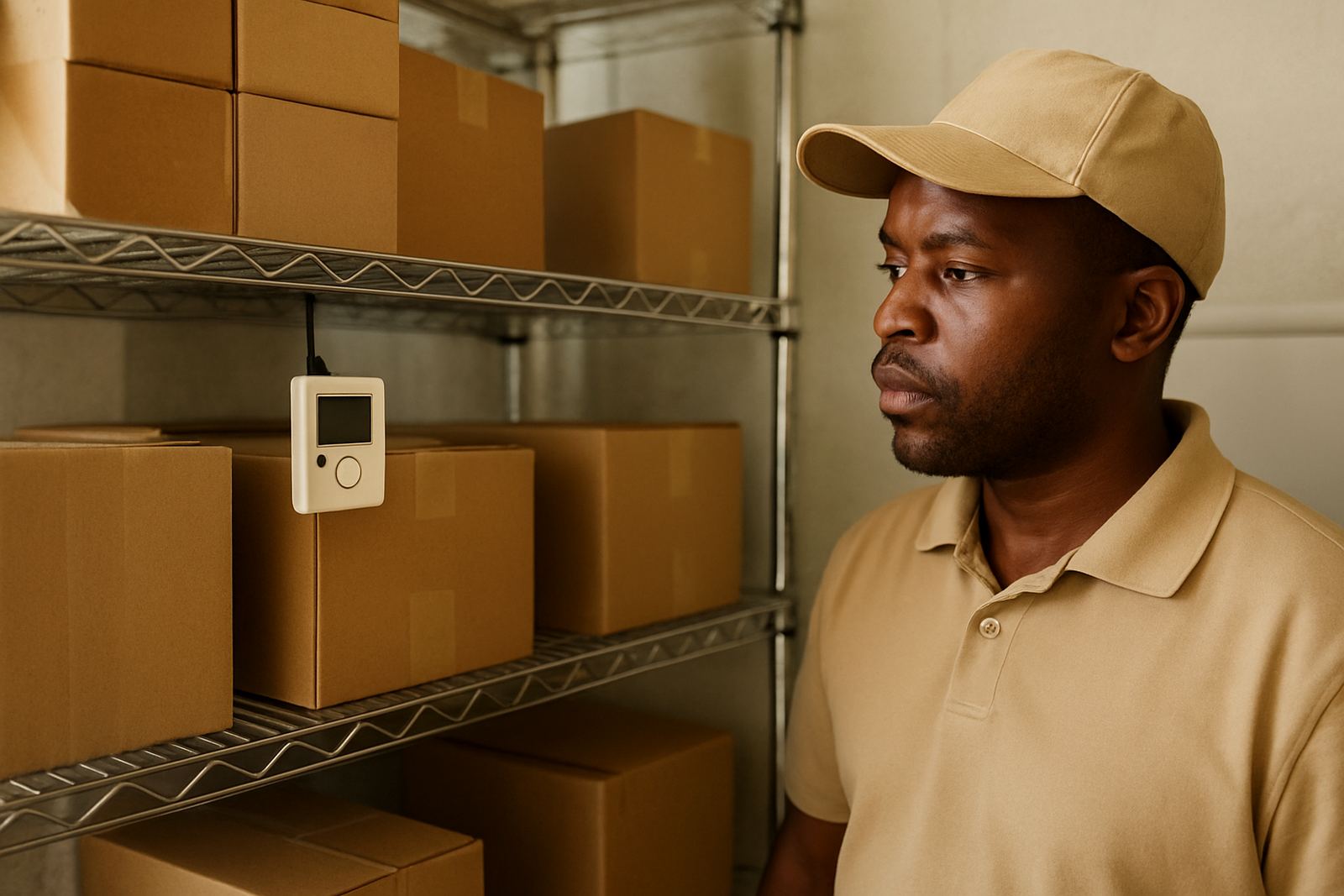
You do not need a complicated setup to get useful information. The aim is to record the right points consistently, then review them often enough to catch changes before they affect stock. For many Eastern Cape sites, a basic logger with alarm history is already a big step up from manual spot checks. A little attention each week goes a long way.
- Room temperature at a fixed point away from the evaporator blast
- Supply and return temperatures on chilled water systems
- Door open alarms and power interruptions
- Defrost times and any high temperature alarms
- Set points, especially after staff changes or maintenance
Someone should review the log, not just store it. We recommend a weekly check for active sites and a full monthly review for trends. If readings are drifting, the sooner you see it the better. A two degree change caught early is a small service call, not a freezer full of stock at risk.
A practical Eastern Cape example from a busy site
One of the most common calls we get in Gqeberha is from a cold room that seems fine during the morning, then starts struggling later in the day. The client may only notice the issue when stock feels warmer or the alarm goes off. When we pull the data, the pattern is usually clear. The room is not failing all at once, it is losing ground gradually under real site conditions.
On a recent site near Newton Park, the log showed repeated temperature spikes in the afternoon, mostly after deliveries and when staff were restocking. The compressor was still running, but the door seals had worn and the evaporator coil needed cleaning. After the maintenance work and a small control adjustment, the room held its range much better. The client could see the change on the next set of readings, which made the decision to keep logging an easy one.
That is the value of temperature data. It turns a general complaint into a measurable fault, and a repair into proof of improvement. For busy sites in Uitenhage, Jeffreys Bay, Graaff-Reinet and Port Alfred, that proof can save time and reduce avoidable callouts.