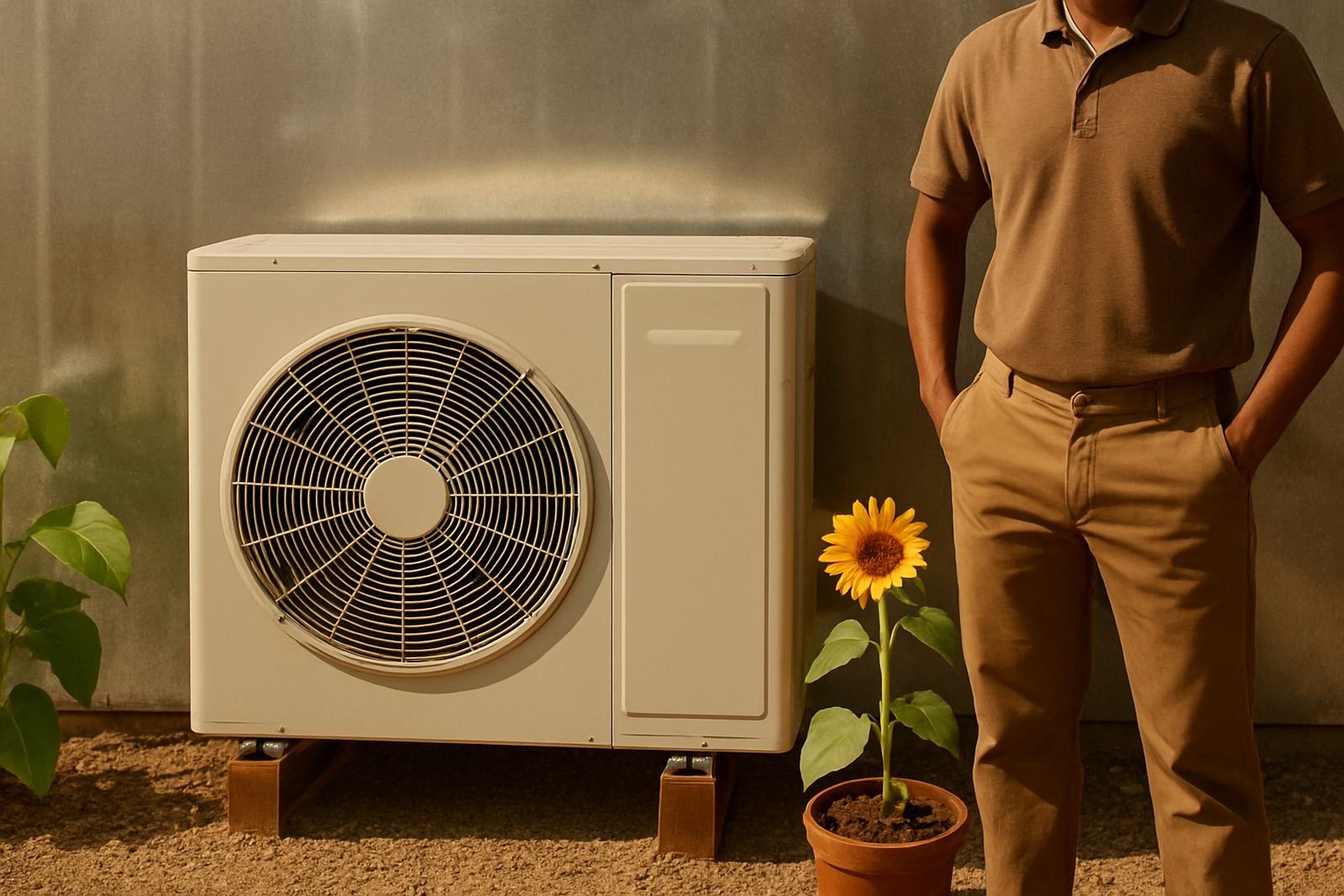
What compressor short cycling looks like on site
Short cycling happens when a compressor runs for a very short period, switches off, then starts again soon after. In a cold room or chiller plant, that pattern can happen every few minutes. The system may still be holding temperature for now, but the repeated starts put extra strain on the motor, contactors, starters and controls.
On paper it can look like the unit is doing its job. In practice, the compressor never settles into a proper run. That means less efficient cooling, higher electricity use and more heat in the electrical components. On a hot Eastern Cape afternoon, especially in places like Uitenhage or Jeffreys Bay where humidity can stay high, the problem can show up faster because the system is already working harder.
The common mistake is to treat the symptom only. Resetting the unit and hoping for the best might get you through one shift, but it does not fix the cause.
Why short cycling is a bigger problem than it looks
Every start cycle puts stress on a compressor. Starting current is high, oil does not circulate properly during very short runs, and the motor windings heat up more than they should. Over time that can shorten compressor life and damage other parts of the circuit too.
For businesses that rely on stable temperatures, such as butcheries, food stores, citrus packhouses or medical storage, short cycling can also affect product quality. Temperature swings may be small at first, but they add up. If a cold room in Despatch or Graaff-Reinet is cycling too often, the issue can become noticeable on stock records before anyone hears a loud fault.
- More start-stop wear on the compressor
- Higher electricity use, especially during long trading hours
- Extra strain on contactors, capacitors and relays
- Poor temperature control and uneven product holding
- Risk of a complete breakdown if the root cause is not found
The usual causes in Eastern Cape systems
Short cycling is usually a symptom, not the fault itself. In our work across Gqeberha and the Eastern Cape, the most common causes include incorrect thermostat settings, dirty coils, low refrigerant charge, pressure control problems, faulty sensors, and electrical issues on the control side.
Load-shedding can also complicate things. After repeated power interruptions, a system may restart under pressure, especially if timers, delays or phase protection are not set correctly. That can lead to nuisance trips and repeated short starts. Coastal moisture adds another layer, because damp terminals and corrosion can affect low voltage controls and sensing devices.
- Thermostat or controller set too close to the cut-in point
- Blocked condenser or evaporator coils reducing heat transfer
- Low refrigerant charge from a leak
- Incorrect pressure switch settings
- Failed sensor, relay or timer
- Airflow issues around the condensing unit or cold room fans
What to check before the compressor is blamed
It is tempting to say the compressor is finished, but that is not always true. A good inspection starts with the basics. Check the control settings, confirm the room temperature reading is accurate, and look at the coil condition. A coil packed with dust, fluff or grease can force the system into short run times and poor pull-down. In a workshop or retail space close to traffic, that build-up can happen quicker than expected.
Then look at the electrical side. Loose terminals, pitted contactors, failing start components and poor voltage can all cause repeated starts. If the unit is tripping after every few minutes, there may be a protection issue rather than a refrigeration fault. You also need to check refrigerant pressures and the operating pattern, not just the static readings.
A proper service should include:
- Temperature and pressure checks during operation
- Inspection of sensors, switches and control wiring
- Coil cleaning where airflow is restricted
- Leak detection if charge loss is suspected
- Review of restart delays after power outages
A Gqeberha example from a cold room that kept restarting
We recently attended a cold room in the Newton Park side of Gqeberha that was cycling every few minutes during peak trading hours. The client thought the compressor was undersized, but the real issue was a combination of dirty condenser fins, a drifting temperature sensor and a small refrigerant leak. The system had enough cooling capacity once it ran properly, but it could not stay in a stable cycle.
After leak detection, a repair to the affected section, coil cleaning and a sensor check, the unit settled back into normal run times. Power use dropped and the room temperature held steady through the day. That is the part many operators miss: when the control fault is sorted and the heat rejection improves, the compressor often stops looking like the problem.
For sites in Port Alfred or Jeffreys Bay, where salt air can speed up corrosion, this sort of check is even more important. A small fault in the sensor circuit or terminal box can quickly become a bigger breakdown if it is left in a damp environment.
How to reduce short cycling and protect the system
Short cycling is managed best through planned maintenance, not emergency call-outs alone. Regular servicing keeps coils clean, confirms controls are reading correctly and catches leaks before the charge drops too far. On chilled water and comfort cooling systems, energy audits can also show whether the plant is running too often for the actual load.
Where the system is older, a control upgrade or chiller retrofit may be the sensible option. Better control logic, correct anti-short-cycle delays and accurate temperature monitoring can all reduce unnecessary starts. That is especially useful for businesses running through load-shedding, where restart conditions need to be controlled properly.
- Schedule planned maintenance before the hot season
- Clean condenser and evaporator coils regularly
- Repair leaks early, do not top up and hope
- Check restart delays after every outage
- Review control settings after product changes or room extensions
When to call for help
If the compressor is starting and stopping repeatedly, getting louder, tripping on overload, or failing to hold temperature, it needs attention now. Waiting usually costs more. A short cycling fault can be electrical, mechanical or refrigeration related, and the longer it runs the harder it is to trace cleanly.
For operators in Gqeberha, Uitenhage, Despatch, Graaff-Reinet, Port Alfred and Jeffreys Bay, local conditions matter. Heat, coastal air, power interruptions and dusty surroundings all influence how a system behaves. A technician needs to check the full operating picture, not just swap parts and move on.
At Nvirocool, we handle emergency breakdowns, planned maintenance, leak detection, low-GWP conversions, control upgrades and energy-saving chiller work from our Newton Park base. If a compressor is short cycling, the best first step is to find the cause and fix that properly.