Why the heat outside the room matters
Every cold room, chiller and freezer has to fight the heat that enters from outside. Some of that heat comes through the walls, ceiling and floor, but a lot of it comes from the room around the plant itself. If the machine room is hot, dusty or badly ventilated, the condensing unit has to reject heat into already warm air. That pushes head pressure up and the system works harder for the same result.
In practical terms, ambient heat load is the outside burden on the system. It includes direct sun on metal panels, poor airflow around the condenser, warm sea air on the coast, heat from nearby ovens or wash bays, and even hot goods loaded into the room before they have cooled. In a port city like Gqeberha, a small change in airflow or shading can make a real difference, especially when the summer humidity sits high and the unit never gets a proper chance to recover.
The common signs are easy to miss at first
Many businesses only notice ambient heat issues after they have already lost stock, paid an ugly electricity bill or had a breakdown over a long weekend. The system may still run, but it runs for longer cycles and never seems to catch up. Staff then lower the setpoint, which usually hides the real problem for a while and makes the plant work even harder.
- Longer pull-down times after deliveries
- Higher than normal running currents
- Frequent high-pressure trips on warm days
- Ice forming where it should not, while the room still feels warm
- Condensers blowing hot air back into the same space
- Products sweating or softening near the door
If these signs show up only in the afternoon or during heatwaves, ambient load is likely part of the picture. The issue can be as simple as a blocked louvre or as involved as a redesign of the plant room airflow. Either way, it should be checked before the compressor gets blamed for something it did not cause.
What we see in Eastern Cape sites
In Newton Park, Uitenhage and Despatch, we often find systems tucked into tight corners where they are starved of fresh air. In food stores and small distribution depots, the condenser sits beside a wall that catches afternoon sun or next to equipment that throws out its own heat. In coastal areas such as Jeffreys Bay and Port Alfred, salt air and moisture add another layer of strain because coils foul faster and fans labour longer.
A bakery in Gqeberha once called about a cold room that could not hold temperature after midday. The compressor had already been replaced, so the customer assumed the refrigerant circuit was at fault. On site, the room itself was sound, but the plant was breathing hot air from a neighbouring prep area and the condenser was packed with grease and fluff. After coil cleaning, better air flow and a small change to the louvred panel position, the room returned to normal and the call-outs stopped. Nothing fancy, just the basics done properly.
That kind of case is common across the Eastern Cape. The problem is not always more gas or a bigger compressor. Often it is just too much heat in the wrong place.
Where heat load comes from in real buildings
Ambient heat is only one part of the picture, but it often hides behind more visible faults. A site manager may focus on the thermostat, yet the real issue starts outside the room. We look at the full path of heat from the building shell to the condenser, then from the load itself to the controls.
- Direct sun on walls, roofs and pipe runs
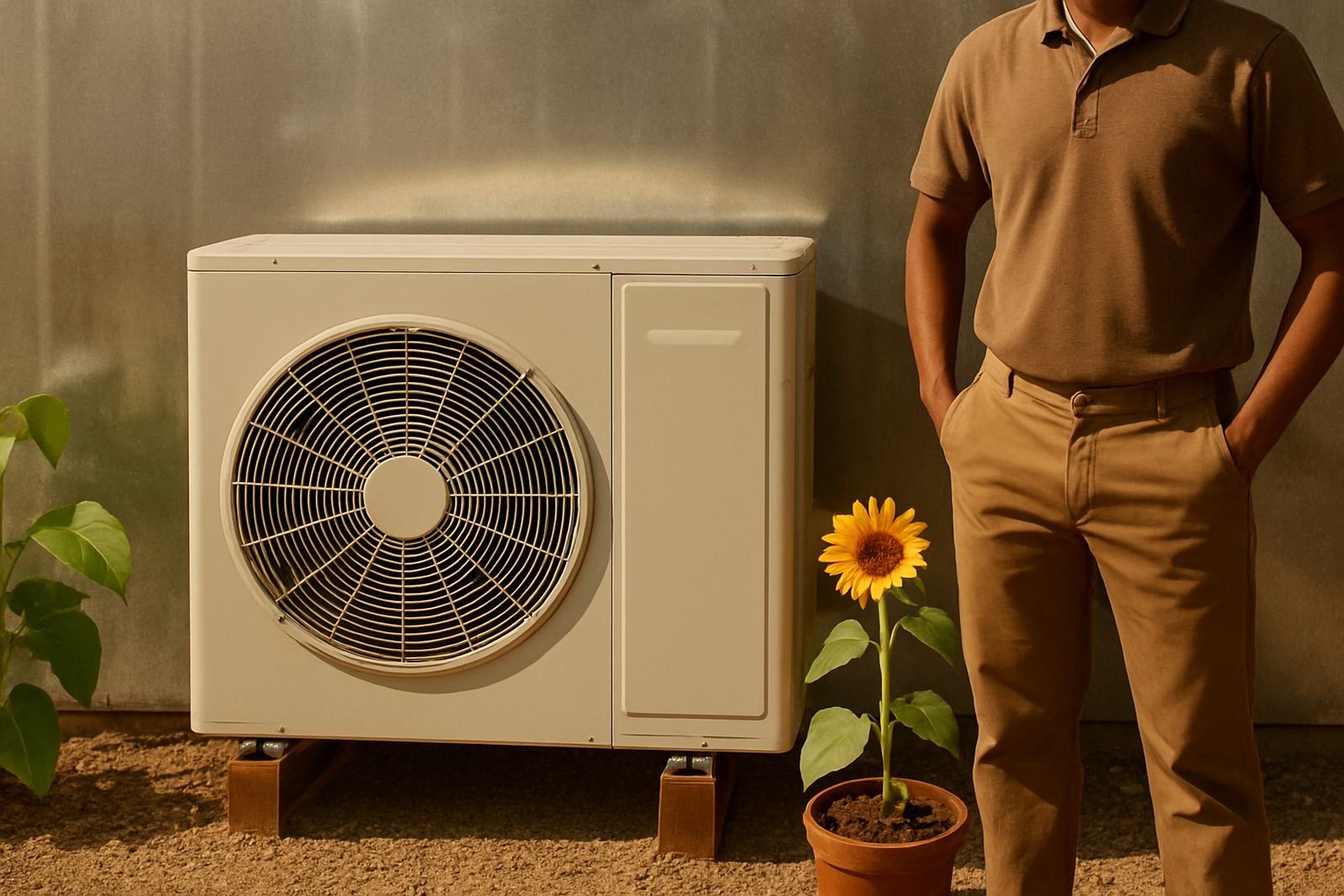
- Poor ventilation around outdoor condensers and chiller packs
- Hot ambient air recirculating in enclosed plant rooms
- Frequent door opening during receiving and dispatch
- Warm products loaded before pre-chilling
- Heat from lighting, motors, ovens or compressors in the same space
- Dust, oil and salt film on coils that blocks heat rejection
Each of these adds pressure to the system. On its own, the load may seem small. Together, they can push a unit past its design limit, especially during load-shedding when the plant has to restart under difficult conditions. A weak start after power interruption is often where marginal systems show their age.
What to check before replacing equipment
Replacing equipment should be the last step, not the first. Before spending on a new compressor or cabinet, it makes sense to test the surrounding conditions and measure how the system behaves over time. A proper inspection can show whether the issue is heat rejection, airflow, control settings or a true mechanical fault.
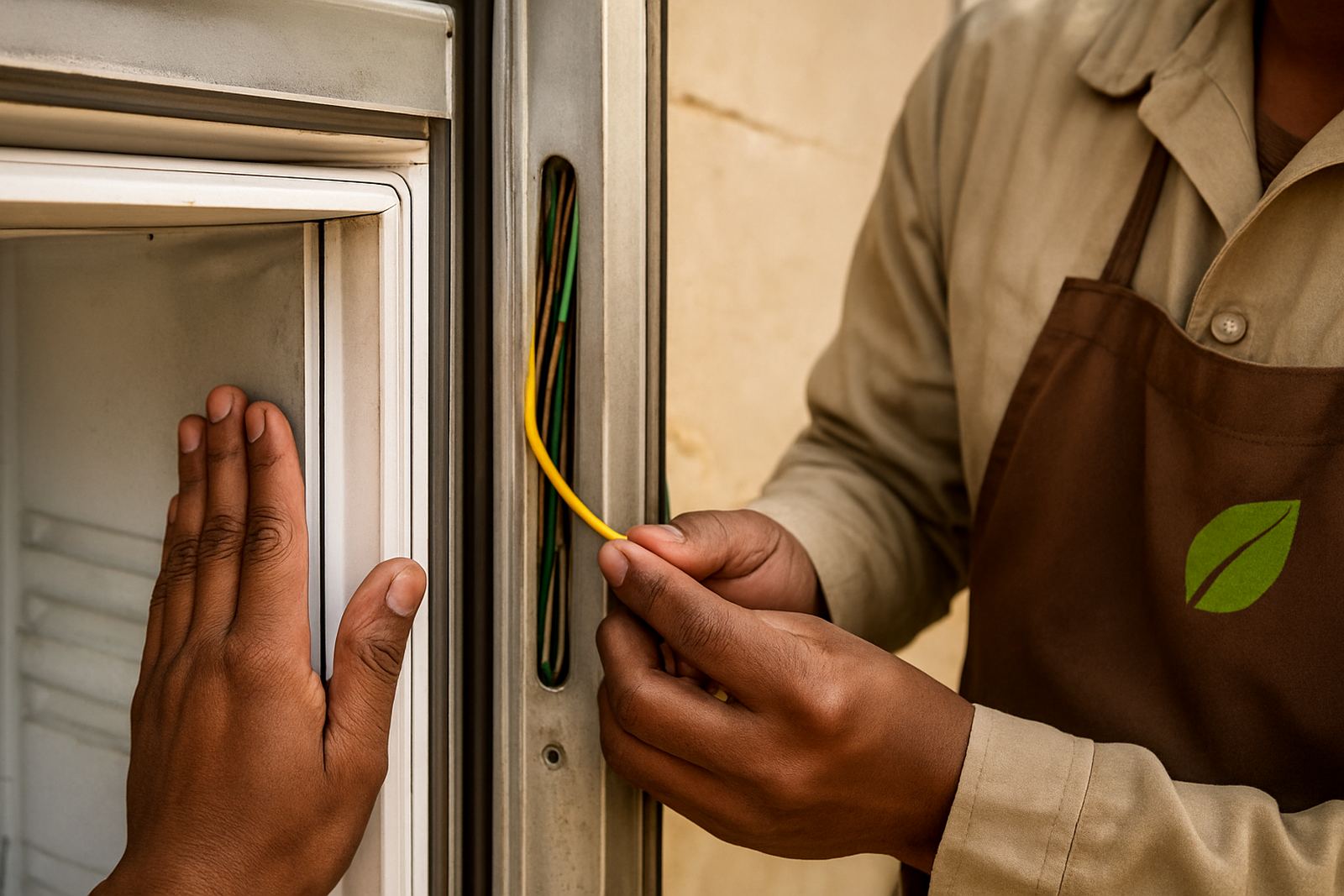
At Nvirocool, we usually start with temperatures, amp draws, condenser condition and room use patterns. We also check whether doors are sealing, whether the fan motors are moving enough air, and whether the setpoint is realistic for the product being stored. In some buildings, a simple control upgrade or temperature monitoring setup gives enough information to catch the heat problem early and avoid repeat breakdowns.
- Measure ambient air around the condenser at different times of day
- Check if the unit is drawing warm air from nearby plant
- Inspect coil cleanliness and fan performance
- Review door usage and loading habits
- Confirm the temperature target matches the product requirement
- Look for signs of pressure build-up during the hottest hours
Practical fixes that save power and stock
The best fixes are usually straightforward and cost less than repeated call-outs. Shade the condenser if it is exposed to harsh sun, but leave proper clearance for air movement. Keep plant rooms cool and vented. Move heat-producing equipment away from cold-room panels where possible. Schedule coil cleaning before the peak summer months, not after the system has already struggled for weeks.
For businesses running chillers, low-GWP gas conversions and retrofit work should be planned alongside heat-load checks. A cleaner coil, better controls and improved monitoring can trim energy use and reduce pressure on the compressor. That matters in towns from Graaff-Reinet to the coast, where summers are long and power interruptions still shape how equipment starts and stops.
External heat loads are not dramatic, but they are expensive. Once you understand where the heat is entering, you can usually remove a good part of the problem without major capital spend. That keeps product safer, bills steadier and the plant easier to manage through the hottest part of the day.