Why kitchen heat changes the way refrigeration behaves
Refrigerated prep units are built to work within a fairly specific ambient temperature range. Once the air around them gets too hot, the condenser has to reject more heat, the compressor runs longer, and the unit starts losing efficiency. In a kitchen this happens quickly, especially where hot plates, grills and undercounter fryers are running side by side.
In Gqeberha, summer heat and humidity make the problem worse. A prep line that is fine in a cool prep area can start to battle in a cramped pass where air is trapped between stainless counters and a wall. If the room temperature climbs and there is poor airflow behind the unit, the refrigeration system works harder just to keep up, and that usually means more wear and more callouts.
What a stressed prep unit looks like on the line
Staff often notice the symptoms before the fault is logged. Product trays feel cool in the morning, then by lunch the unit is cycling almost nonstop. Doors are opened more often, water collects inside, and the compressor seems to run with shorter rests. In some cases the temperature display looks normal but the contents are not holding evenly from side to side.
- Cabinet temperatures drifting above the set point during service
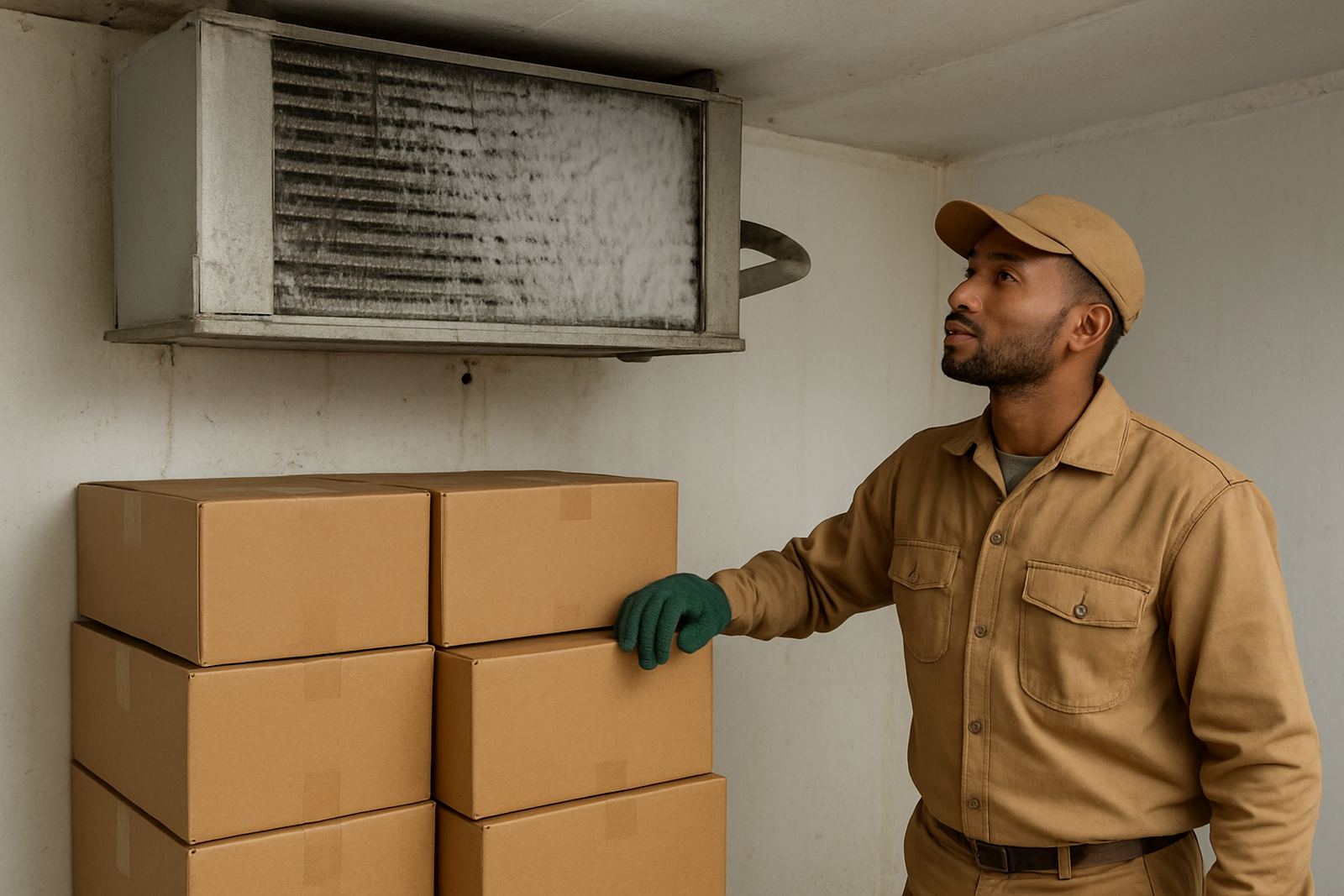
- Ice build-up around fans, drains or door seals
- Hot air blowing from the grille at the back or base
- Food near the door warming faster than food at the back
- Higher electricity use with no change in trading hours
If these signs keep coming back, the issue may not be the gas charge alone. It can be airflow, dirty coils, tired door seals, a faulty controller or a kitchen layout that traps heat around the equipment.
Why summer in the Eastern Cape makes the problem worse
Kitchen heat is not only about the appliances themselves. In places like Jeffreys Bay, Port Alfred and Gqeberha, warm weather, humidity and long trading hours put pressure on cooling equipment right through the day. During load-shedding, the stop-start power supply can also leave cabinets cycling harder once power returns, which is rough on compressors and contactors.
In a recent restaurant setup in central Gqeberha, a refrigerated prep unit kept warming up every Friday evening once the pass got busy. The cause was not one single fault. The unit sat beside a salamander, the rear clearance was too tight, and the condenser coil was coated with grease. Once the team cleaned the coil, moved the unit a little for better airflow and adjusted the maintenance routine, the cabinet held temperature more steadily and the compressor stopped running flat-out.
Practical changes that reduce heat stress fast
Small layout changes often make a bigger difference than people expect. Kitchens do not always need a full refit, but they do need enough breathing space around cold equipment and a routine that keeps heat sources away from chilled holding areas. The aim is to stop the refrigeration system fighting the room all day.
- Leave proper clearance at the back and sides so air can move freely
- Keep prep units away from ovens, dishwashers and direct sun through open service doors
- Clean condenser coils on schedule, especially in greasy kitchens
- Check door seals and hinges so cold air stays inside the cabinet
- Use temperature monitoring to spot slow drift before stock is lost
- Plan service before peak summer trading, not after the first failure
Where kitchens are short on space, control upgrades and improved fan or sensor settings can help the unit cope a bit better. Even a few metres of better airflow route can change how hard the compressor has to work. It sounds simple, but it matters.
When a simple service is no longer enough
If a unit has been running hot for months, the damage can go deeper than a blocked coil. The compressor may be running with shortened cycles, the refrigerant circuit may be under strain, and the electrical side can start showing wear from repeated overloads. At that stage, a quick top-up or a one-off clean will not hold for long.
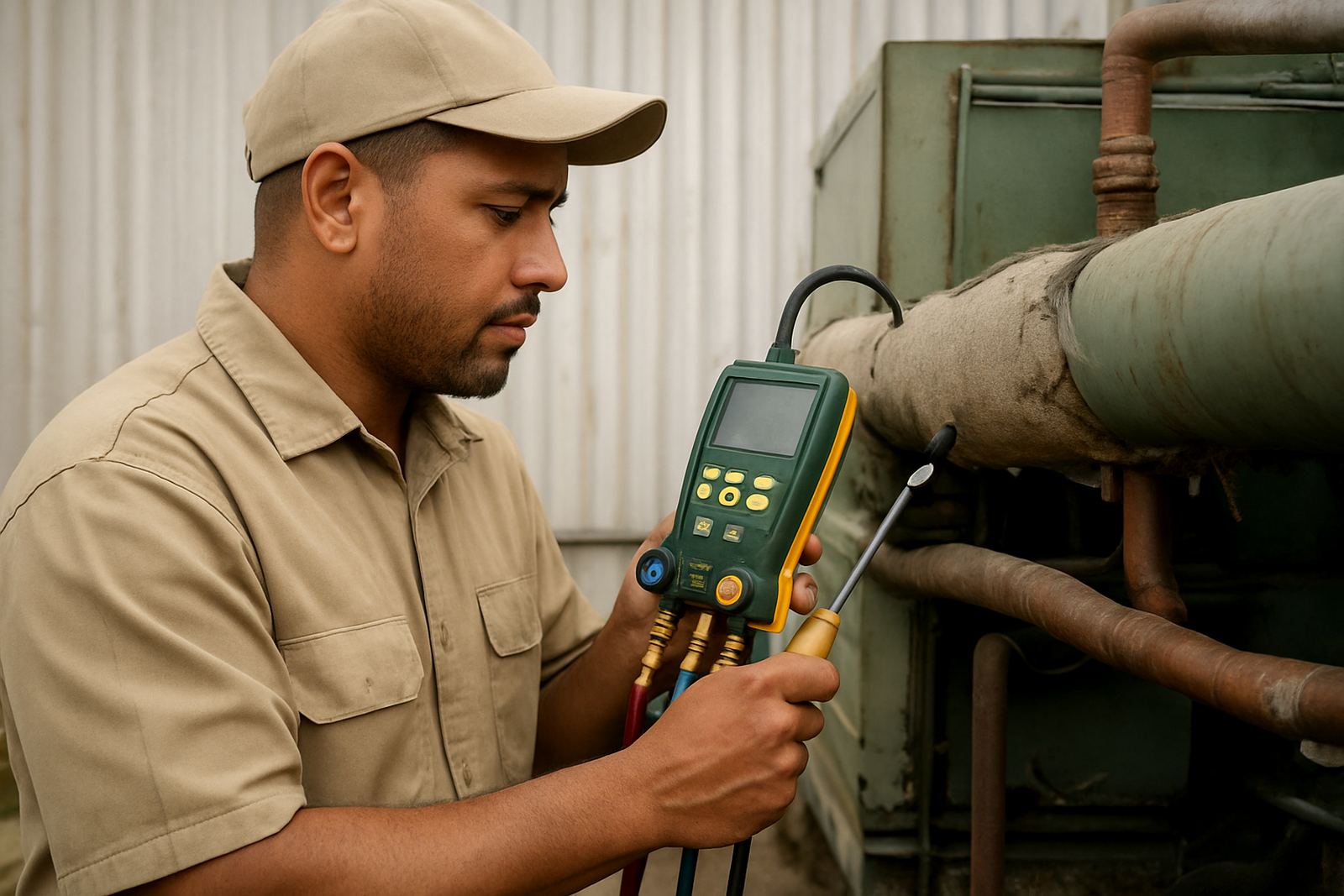
That is where planned maintenance, leak detection and proper diagnostics pay off. A technician should check operating temperatures, condenser condition, evaporator performance, fan motors, control settings and the room conditions around the unit. In some cases a low-GWP conversion or a chiller retrofit is the sensible long-term move, especially where older plant is using more power than it should.
What Nvirocool checks during a hot kitchen callout
For kitchens across Gqeberha, Uitenhage, Despatch, Graaff-Reinet, Jeffreys Bay and Port Alfred, the first job is to find out whether the fault is with the room, the cabinet or the refrigeration circuit. That saves time and keeps the fix practical for the site. We also look at what the staff are seeing during service because the pattern of failure usually tells you a lot.
- Room temperature and airflow around the unit
- Condenser cleanliness and fan operation
- Door seals, gaskets and hinge wear
- Controller settings and temperature history
- Signs of gas loss, oil staining or repeated icing
- Power interruptions and recovery after load-shedding
From there, we can recommend the right service, whether that is coil cleaning, emergency breakdown support, temperature monitoring, control upgrades or a longer retrofit plan. The point is to keep food safe and avoid expensive spoilage during peak trading.