Why a receiver tank matters in day to day cooling
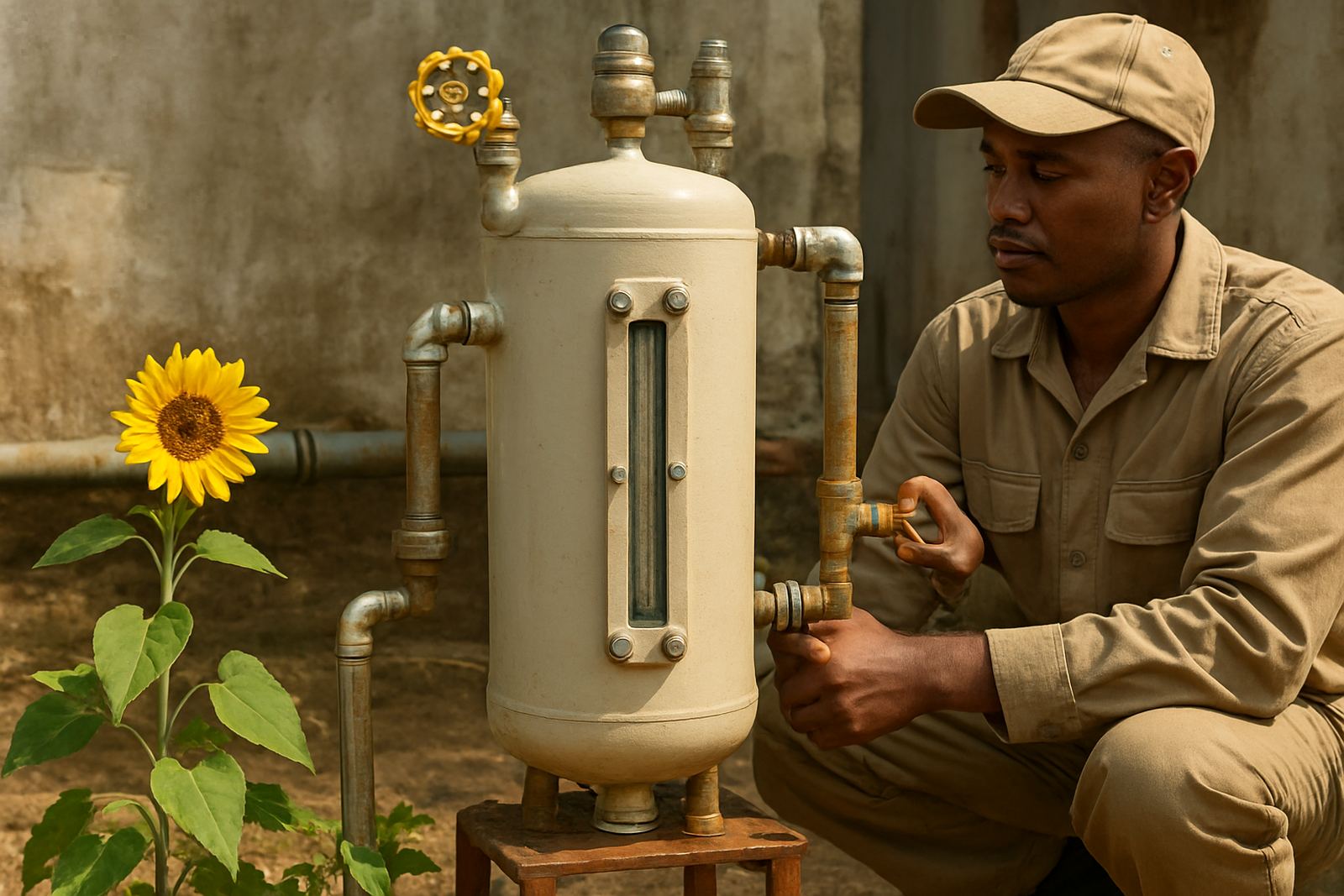
A liquid receiver stores refrigerant in liquid form after it has left the condenser. That sounds simple, but the effect on the whole system is important. It gives the technician space to hold excess charge when ambient temperatures rise, when a circuit is pumped down for service, or when a system has to cope with changing operating conditions.
In plain terms, the receiver helps the plant behave properly instead of fighting itself. Without enough receiver capacity, a system can flood parts of the circuit, starve the evaporator, or become awkward to service. In a cold room or chiller plant, that can mean unstable temperatures, short cycling, and extra strain on compressors and controls.
What a liquid receiver actually does on site
The receiver sits in the liquid line and acts as a storage point for refrigerant that is not needed in the evaporator at that moment. During maintenance, a technician can pump refrigerant into the receiver and isolate sections safely. During normal running, it supports steady liquid feed to expansion components and helps the system handle changes in load.
On Eastern Cape sites, that matters during hot spells in Gqeberha or when a seafood store near the harbour gets a sudden door opening pattern and load changes through the day. A properly sized receiver gives the system a bit of breathing room. It also helps where multiple evaporators share a circuit and the demand is not constant.
- Stores surplus liquid refrigerant during operation and service
- Supports safer maintenance and pump down procedures
- Helps maintain stable liquid supply to the metering device
- Reduces the risk of charge related fluctuations after repairs
When a receiver tank is too small, or missing
A receiver that is undersized can create problems that look unrelated at first. The plant may run with poor head pressure control, uneven cooling, or low sight glass levels after a hot afternoon. If a system has been converted to a low-GWP gas, receiver capacity needs checking again because the new refrigerant may behave differently and the charge requirement can shift.
We see this on older cold rooms in Despatch and Uitenhage where systems have had parts changed over time. A compressor gets replaced, a valve is upgraded, then the receiver was never checked. The result is often nuisance trips, frosted lines, or a technician having to top up gas more often than expected. That is not normal maintenance, its a sign the liquid side needs attention.
- Frequent topping up after minor work
- Liquid line instability and hunting at the expansion device
- Poor pump down performance during breakdowns
- Higher chance of service delays because isolation is awkward
How receiver size affects maintenance and energy use
Receiver size affects more than storage. It influences how well the system can be isolated, evacuated, and charged. If there is insufficient space for refrigerant migration during off cycles or maintenance, technicians may have to work around pressure issues that slow down repairs. That means longer downtime for the customer and more risk of a rushed job.
From an energy point of view, a stable liquid supply helps keep the expansion device and evaporator operating in a controlled range. That does not mean the receiver saves energy by itself, but it supports the conditions needed for efficient operation. On chilled water systems and larger cold rooms, those small gains matter when the plant is running 10 to 14 hours a day.
For coastal sites, especially where humidity is high, stable operation helps reduce icing and repeated defrost issues. A system that is constantly correcting itself will use more power and put more wear on controls, fans and valves.
Practical checks before a conversion or retrofit
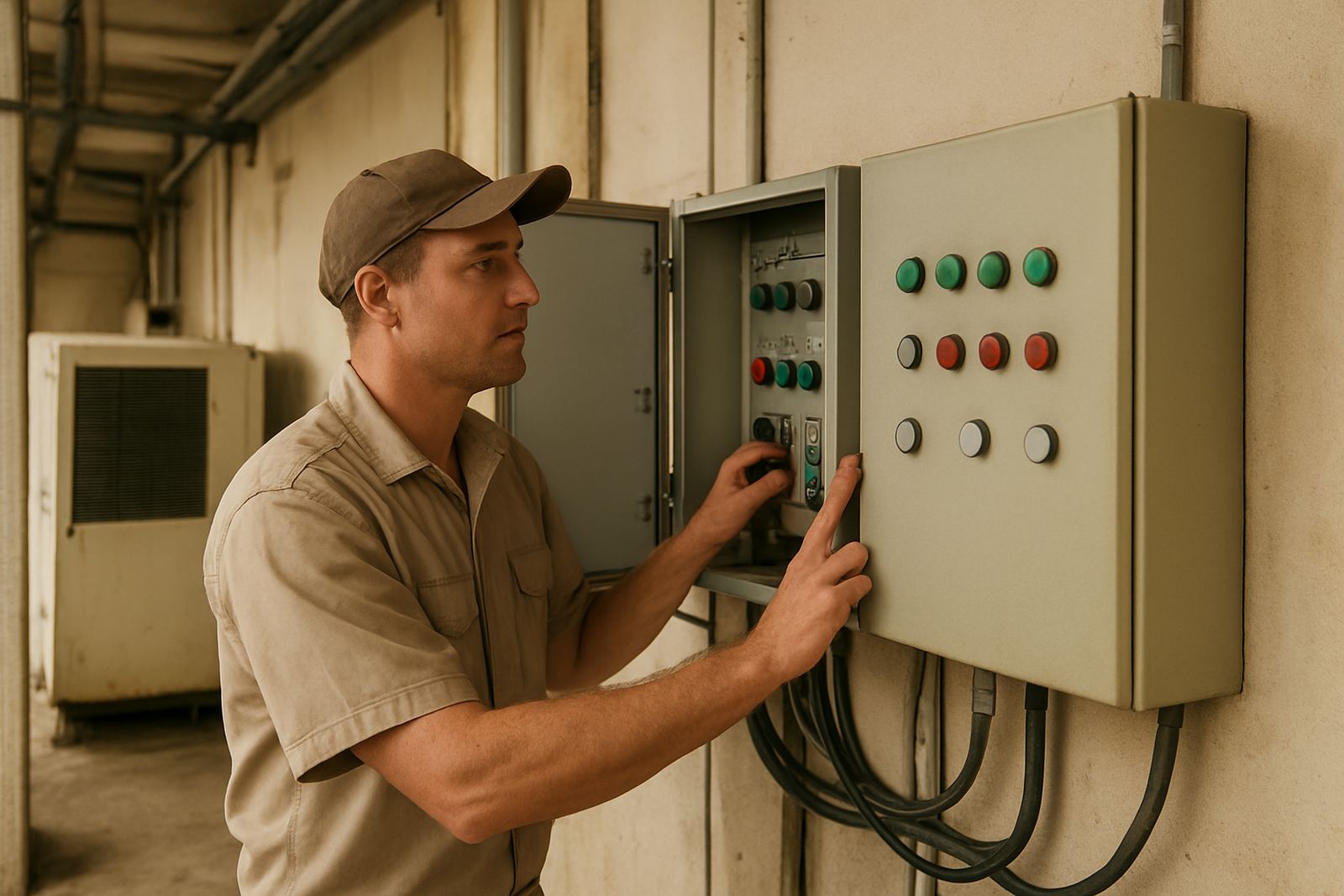
Before any low-GWP conversion or chiller retrofit, the receiver should be checked as part of the full liquid side assessment. It is not enough to fit the new gas and hope the old vessel will suit. The technician should confirm the shell condition, relief arrangement, isolation valves, liquid level behaviour and whether the sight glass readings make sense under load.
At Nvirocool we look at the full system picture, because the receiver has to match the charge and the operating pattern. A small supermarket cold room in Port Alfred needs a different approach from a process chiller feeding multiple circuits in Newton Park. Same principle, different load profile.
- Check vessel condition, supports and corrosion points
- Confirm enough capacity for the converted refrigerant charge
- Inspect valves, pressure relief and isolation points
- Review operating data before and after the changeover
A local example from a Gqeberha cold room
We recently looked at a cold room installation in Gqeberha where the owner was dealing with unstable temperatures after repeated minor leaks and topping up. The receiver was undersized for the current operating condition, and the system had been altered a few times over the years. After checking the liquid side, the charge management problems became clear.
The fix was not just a gas top-up. The team carried out leak detection, corrected the weak points, reviewed the control settings and planned the receiver and charge arrangement properly for the new operating conditions. Once the system was balanced, temperature swings settled down and the site had fewer callouts. That saved the owner time during peak trading, and reduced the risk of spoilage.
These jobs often look like compressor trouble at first, but the receiver can be the part telling the real story.
When to call for receiver and liquid line support
If a cold room is short cycling, a chiller is hard to charge, or a converted system is not holding stable pressures, it is worth checking the receiver before the next failure. The same applies if a site in Jeffreys Bay, Graaff-Reinet or Port Alfred is seeing repeated liquid line problems after maintenance work.
For older plant, planned maintenance should include receiver inspection, leak checks, coil cleaning, control checks and temperature monitoring. That is how you catch liquid side issues before they turn into a breakdown over a long weekend or during a municipal power interruption.
- Repeated topping up without an obvious leak source
- Unstable liquid feed after servicing
- Poor pump down or isolation during repairs
- Need to assess the vessel before a refrigerant conversion
For support in Gqeberha and the Eastern Cape, Nvirocool works on cold room repairs, chiller servicing, low-GWP conversions and energy audits from our Newton Park base. Email hello@nvirocool.co.za if the liquid side is causing trouble.