Why generator changeover needs a cooling check
When the power fails, most operators watch the lights and the office first. The real risk is often in the refrigeration plant. A cold room may stay cold for a while, but fans stop moving air, controllers lose settings, and compressors can restart into a poor supply if the generator has not picked up cleanly. That is where product temperatures begin to drift.
In Gqeberha and across the Eastern Cape, outages, municipal interruptions and load-shedding can happen at short notice. If the changeover is slow, or if the generator is undersized, the cooling system can cycle badly. Ice builds on coils, contactors chatter, and some equipment trips more often than it should. A quick power return can also cause a second shock if the changeover is not managed in the right order.
For refrigeration, the issue is not only whether the generator starts. It is whether the plant starts in the correct sequence, with enough supply and enough time for the system to stabilise. That is where a proper cooling plan pays off.
What can go wrong during changeover
A generator may keep the building running but still leave the refrigeration plant in trouble. Motors can struggle if voltage is unstable. Electronic controls may reset. Some sites bring back too many loads at once, so the compressors start against a heavy electrical demand. That can lead to nuisance trips, warm-up periods and avoidable call-outs.
- Cold room fans may stop and restart too often, which affects temperature recovery.
- Chiller pumps can lose prime or fail to restart if the sequence is wrong.
- Defrost timers and temperature controllers may reset after repeated interruptions.
- Overloaded generators can cause low voltage, and that is hard on compressors.
- Alarm systems and remote monitoring may drop out if the backup supply is not configured properly.
We often see sites assume the generator is the full solution, only to find the refrigeration circuit was never tested on backup power. That gap is what causes repeat failures.
How to prepare cold rooms and chillers for backup power
The safest approach is to test the cooling plant under generator conditions before you need it in an emergency. A planned test shows whether the changeover is clean, whether the refrigeration load is too high, and whether any controls need a delay or reset setting. It also shows how long the system takes to pull temperatures back after transfer.
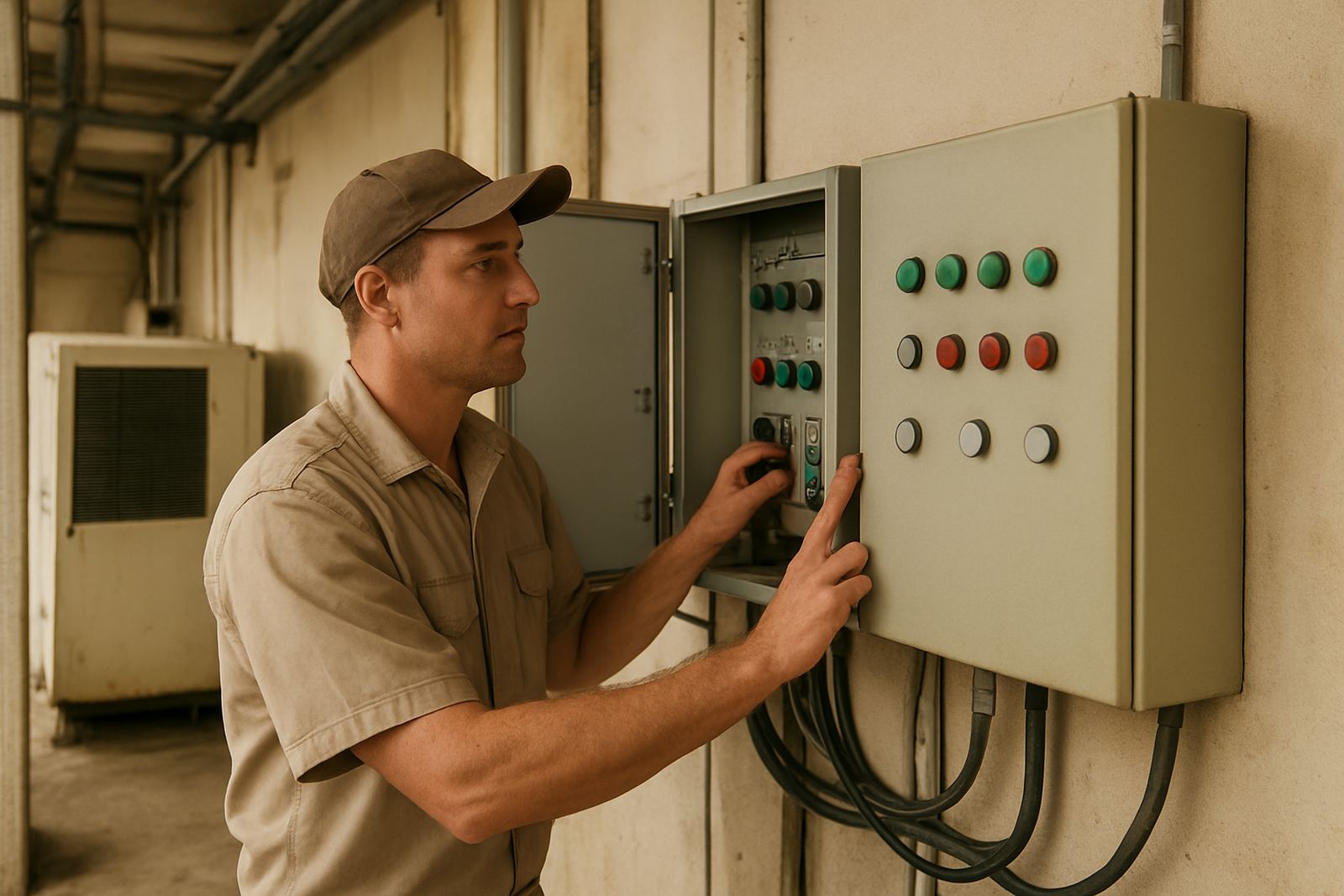
For cold rooms in retail, food storage and light industry, preparation should include checking door seals, evaporator fans, thermostats and defrost control. For chillers, the focus is on pumps, starters, control panels and the sequence in which loads come back. If the site has multiple rooms or process lines, not everything should come back at once.
- Test the generator under actual cooling load, not only with lights on.
- Stagger restarts so compressors and pumps do not all pull at once.
- Check controller memory and time settings after any power loss.
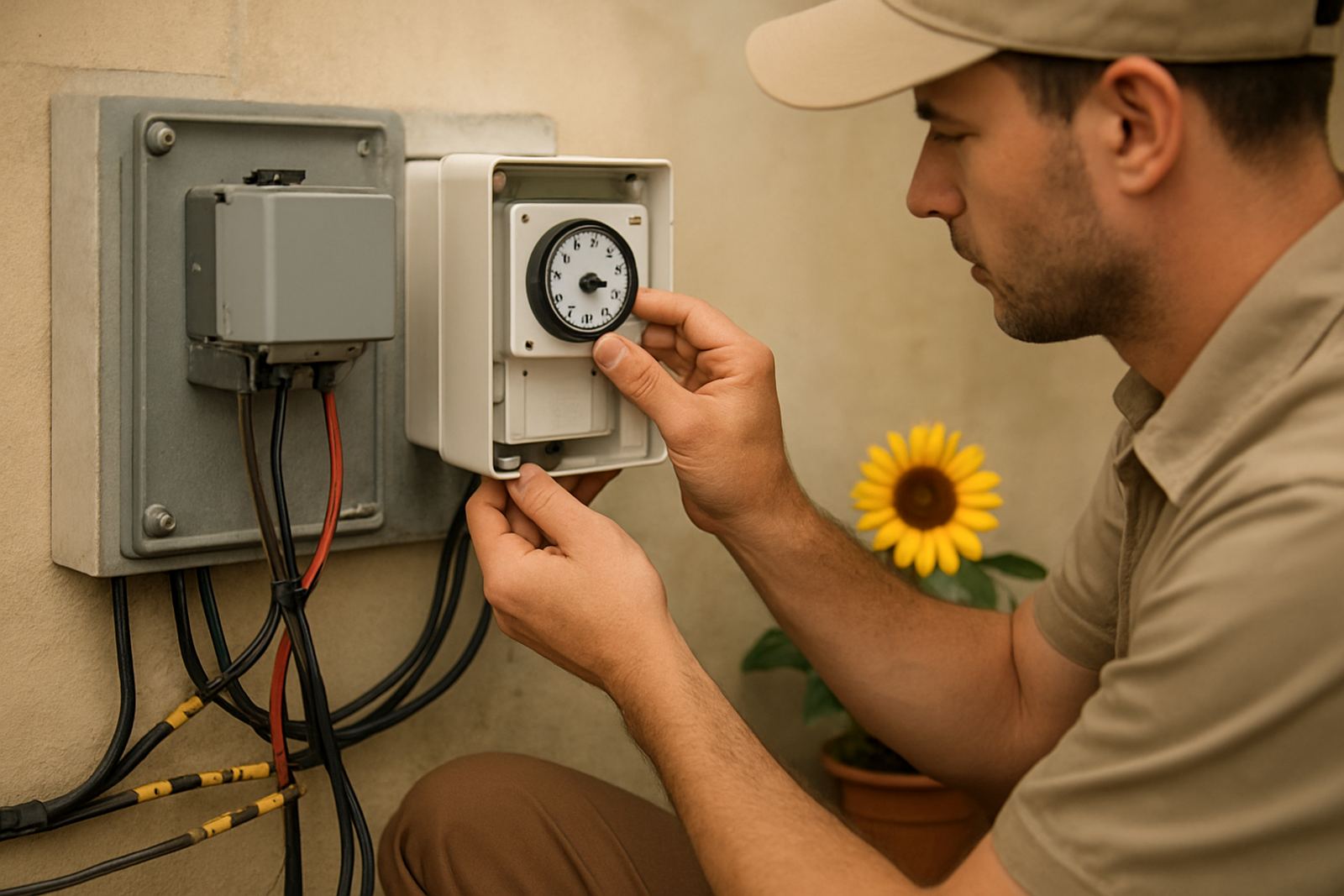
- Inspect changeover switches for wear, loose connections and heat damage.
- Keep a written restart sequence on site for staff on duty.
A practical example from the Eastern Cape
At a food storage site near Uitenhage, repeated evening interruptions were causing a steady rise in product temperature even though the generator was running. The owners thought the issue was with the cold room insulation, but the real problem was the restart sequence. The generator came in late, then the compressors and fans started together with a few office loads still connected.
After a site check, the refrigeration load was separated from non-essential equipment and the restart was staged. The control settings were adjusted and the system was monitored during a planned outage. The result was a much cleaner changeover, less short cycling and faster pull-down after transfer. It did not need new plant, just proper coordination between the electrical and cooling side.
That kind of work matters in places like Despatch, Jeffreys Bay and Graaff-Reinet too. Distances are longer, technician response times can be slower and a minor fault can become a stock loss if the backup plan is not sorted before the next interruption.
The maintenance checks that prevent repeat failures
Generator changeover cooling should be part of planned maintenance, not only emergency work. A seasonal service can pick up weak contactors, dirty coils, poor airflow and controllers that do not recover cleanly after a blackout. It also helps identify where energy use is higher than expected, which is common on older cold rooms and chillers.
In coastal areas such as Gqeberha and Port Alfred, humidity and salt air can make terminals, sensors and motor housings deteriorate faster. Inland, dust and heat create a different problem, especially where equipment sits in small service yards or plant rooms with limited ventilation. Both conditions call for regular inspection.
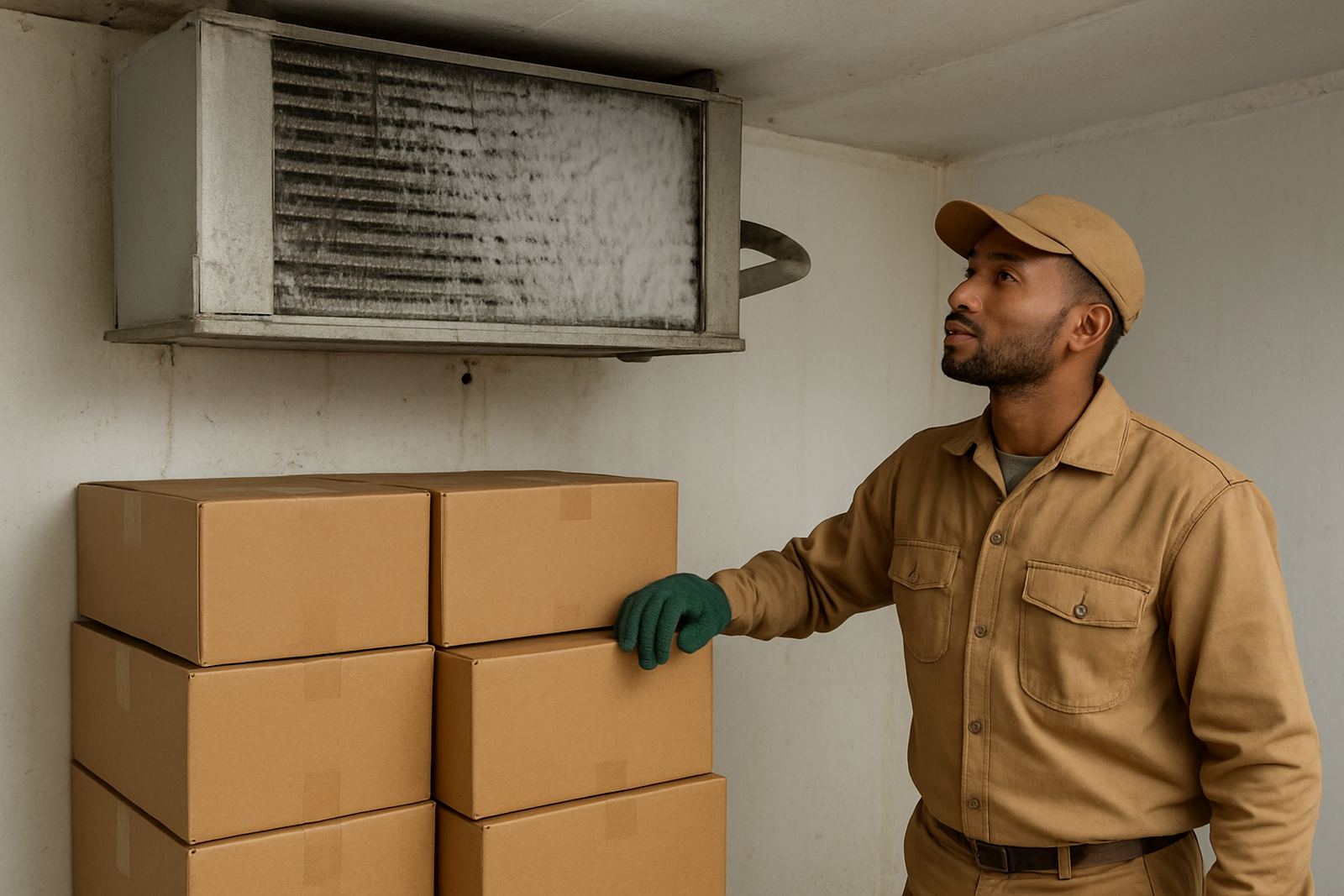
- Clean condenser and evaporator coils so equipment starts easier after transfer.
- Check contactors, terminals and overloads for heat marks or looseness.
- Confirm temperature monitoring still logs correctly after outages.
- Review defrost schedules, especially on rooms with heavy door traffic.
- Look at energy-saving retrofits where old controls are causing unnecessary runtime.
When to call for help before the next outage
If your generator runs but the cooling plant still trips, or if temperatures climb every time the power changes over, the system needs a proper inspection. The fault may sit in the control panel, the restart sequence, the load balance or the refrigeration circuit itself. Waiting for a complete failure usually costs more than addressing it early.
Nvirocool works on planned maintenance, emergency breakdowns, cold room repairs, chiller servicing and low-GWP conversions across Gqeberha, Uitenhage, Despatch, Jeffreys Bay, Graaff-Reinet and Port Alfred. We also handle leak detection, energy audits, coil cleaning, control upgrades and temperature monitoring, which means we can look at the changeover issue as part of the full cooling system, not just one box on the wall.
If your site depends on refrigerated stock, chilled process water or stored product that cannot warm up for even an hour, get the backup plan checked before the next interruption. A generator should support the cooling system, not put extra stress on it.