What Superheat Tells You About the System
Superheat is the temperature of the refrigerant vapour after it has left the evaporator and picked up the last bit of heat. In plain terms, it shows whether the evaporator has done its job and whether there is enough refrigerant getting through to absorb the load. If the reading is too high, the evaporator may be starved. If it is too low, liquid may still be present where only vapour should be, and that can lead to floodback and compressor damage.
For a cold room in Gqeberha or a chiller plant in Uitenhage, that reading helps a technician separate a feeding issue from a load issue. A room can look fine on the wall controller while the system is actually under strain. Superheat gives a more honest picture of what is happening at the evaporator, the expansion device and the compressor suction line.
It is not a number to guess at. It must be read with the actual suction pressure and line temperature at the correct point on the system. That is why trained fault finding matters, especially when units are cycling hard during a heat spell or after load-shedding.
Why Low or High Superheat Changes the Diagnosis
Technicians use superheat to judge whether the evaporator is being fed correctly. A low reading can point to an expansion valve set too open, a sensing bulb issue, or too much refrigerant in the circuit. A high reading can point to underfeeding, low gas charge, a blocked filter drier, iced coil, poor airflow or a system that is carrying more load than it was sized for.
- Low superheat can mean liquid return risk, unstable control or a valve that is overfeeding.
- High superheat can mean the coil is running dry, product pull-down is slow and the compressor runs harder.
- Changing superheat through the day can point to dirty coils, door traffic, failed fans or unstable controls.
In a coastal area like Port Alfred or Jeffreys Bay, humidity can change the evaporator load faster than many people expect. Doors opening often, wet product going in and salt air on the coil all affect how quickly heat is removed. When the reading moves around too much, there is usually a reason and it is seldom a good one.
The Right Readings Need the Right Conditions
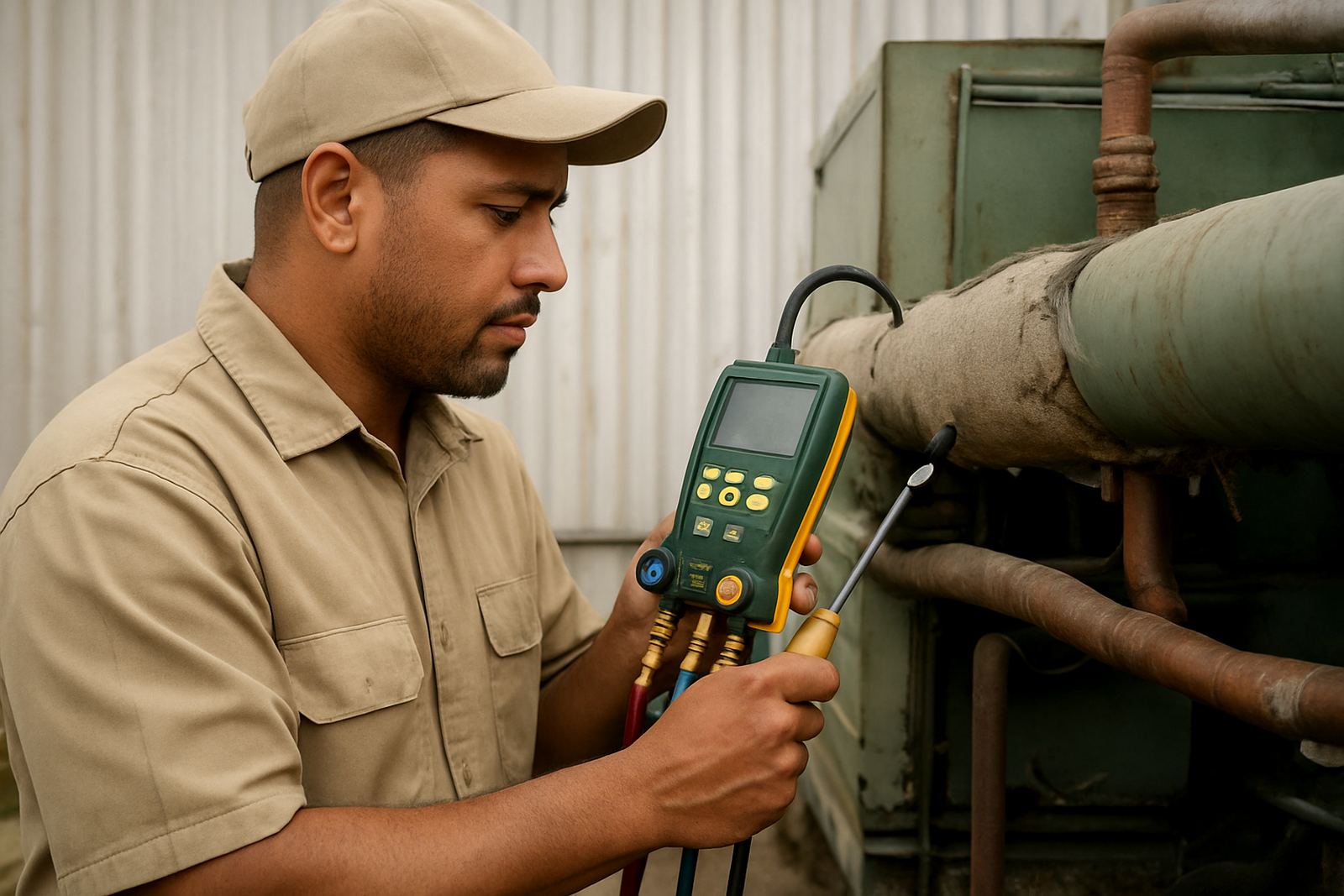
Superheat must be checked with a proper method. A technician needs the suction pressure, the saturation temperature for that refrigerant and the actual line temperature at the evaporator outlet or a point specified by the equipment design. If the clamp is placed on a bad spot, or insulation is missing, the reading can be misleading. A difference of only a few degrees can change the decision on whether the system needs adjustment or repair.
It also helps to know what the system was doing at the time. Was the room just loaded with fresh stock? Was the condenser coil clean? Had there been a power cut, or was the unit recovering after a long door-open period? These small details matter more than many people think, especially on older cold rooms in Despatch and Graaff-Reinet where controls may have been changed over the years.
Good records make the next service easier. If the same room has been checked three times and the superheat keeps climbing, the cause is usually not random. That is where planned maintenance saves time and money, because the fault pattern becomes clear before a breakdown hits.
What Superheat Reveals During Maintenance
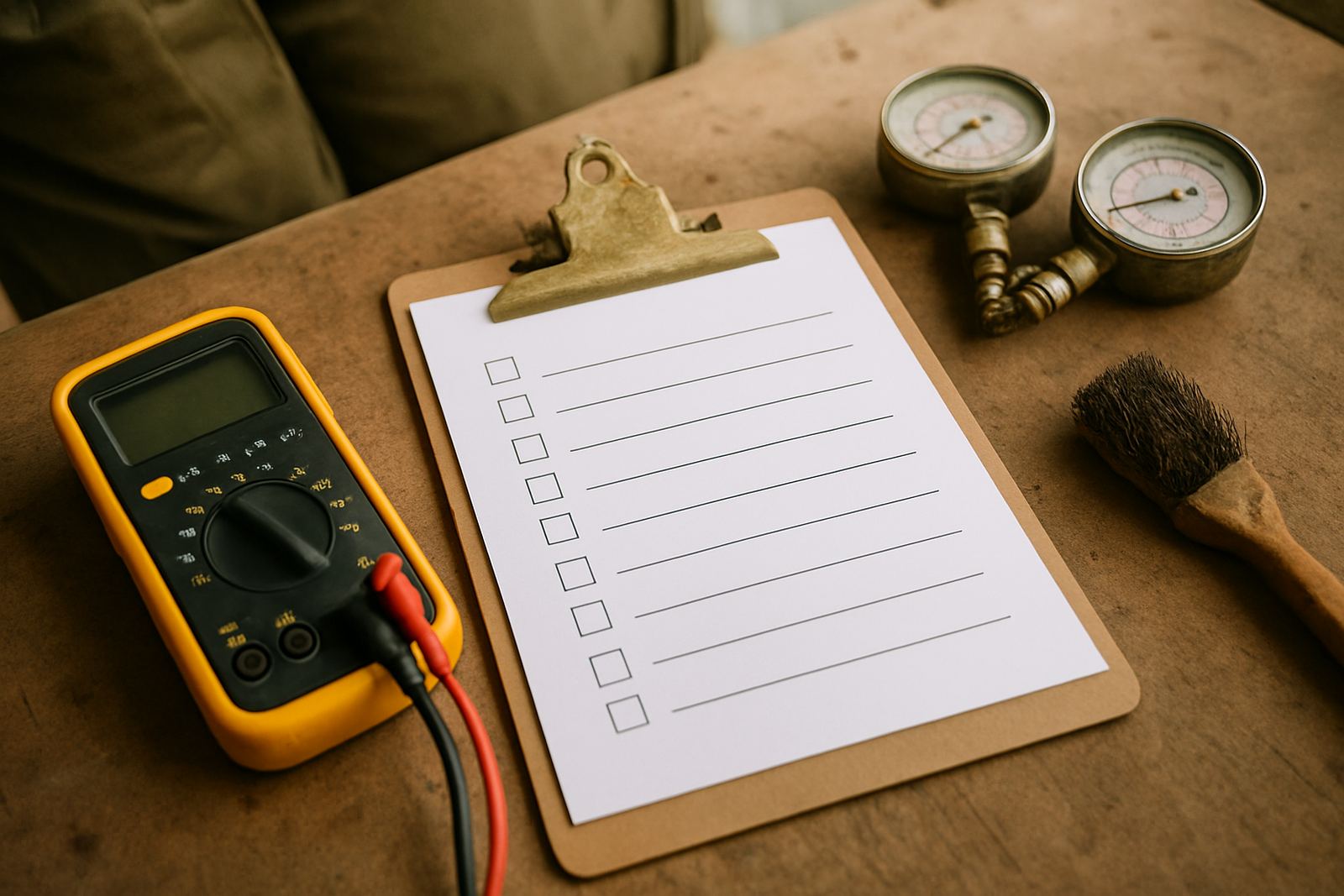
During planned maintenance, superheat is one of the quickest ways to see whether the evaporator is healthy. It works well alongside coil cleaning, fan checks, leak detection and temperature monitoring. A clean coil with steady airflow should usually give a more stable reading than a dirty coil with blocked fins or a failed fan motor.
- Check the evaporator coil for dust, lint and salt build-up.
- Confirm the fan motors are moving the correct volume of air.
- Inspect the expansion valve, sensing bulb and insulation.
- Look for signs of oil staining, frost patterns and loose pipe work.
- Compare the reading with the room pull-down time and product temperature.
If the superheat is normal but the room still cannot hold temperature, the issue may be elsewhere. The condenser could be heat-soaked, the controls may be cycling badly, or the door seals may be leaking warm humid air. That is why one reading should never be treated in isolation. It is a clue, not the full story.
A Gqeberha Example From a Live Cold Room
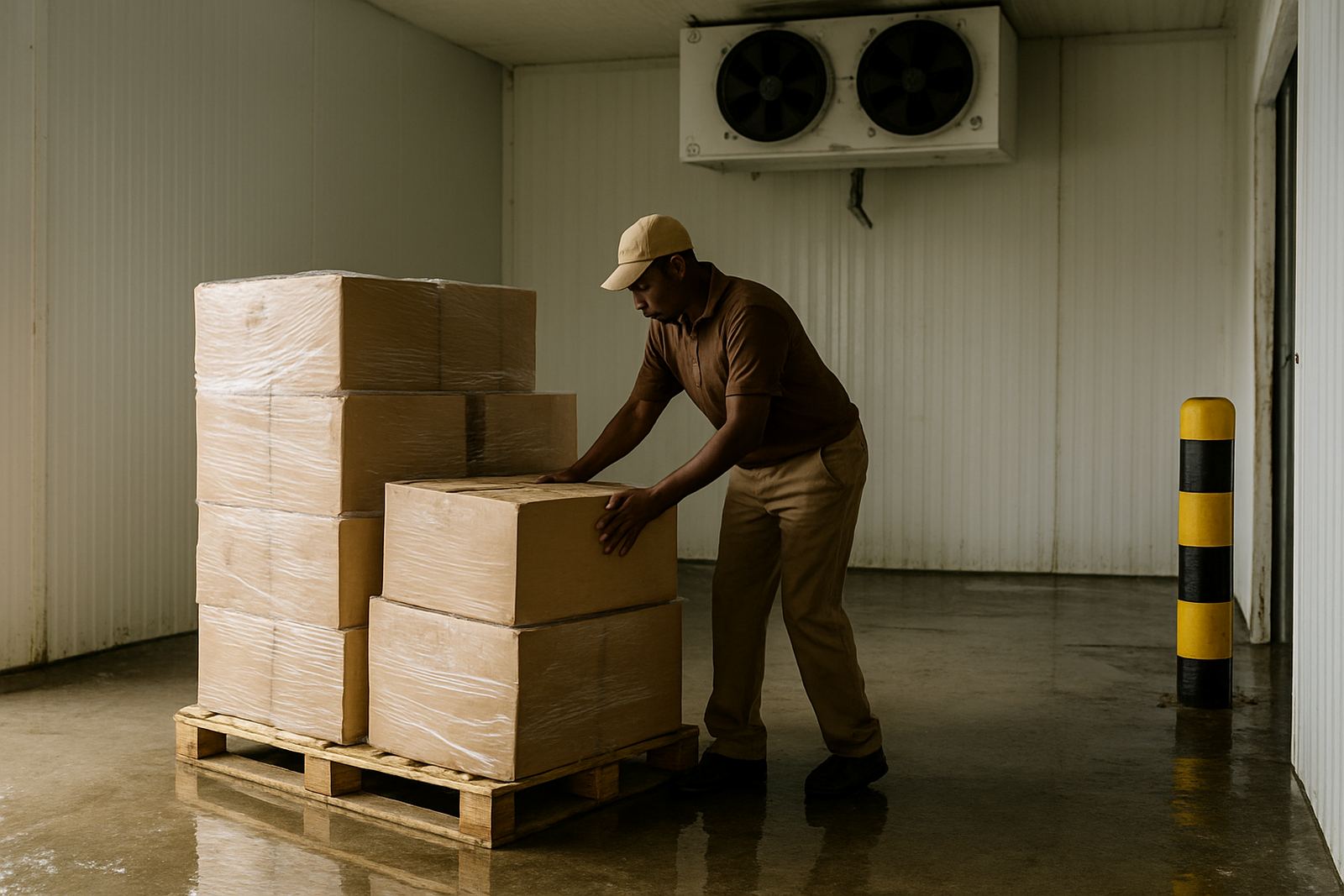
At a food storage site near Newton Park, a cold room was running longer than normal and the client noticed the stock was taking too long to pull down after deliveries. The room temperature was still within range most of the time, so the issue had been overlooked. On site, the technician found high superheat on the evaporator outlet, a coil carrying dust and a fan that had started to weaken. The unit was not completely failing, it was just being asked to work too hard.
After cleaning the coil, checking the fan operation and adjusting the system feed, the superheat settled back into a steadier range. The room pulled down faster, the compressor draw became less erratic and the client had fewer nuisance alarms. That sort of issue can cost a business over time because the compressor runs longer and the product stays under stress. In Eastern Cape conditions, where power interruptions and hot afternoons can land on top of each other, that extra run time adds up quickly.
This is the value of proper refrigeration servicing. The reading itself is simple, but the decision behind it is what protects the plant.
Why It Matters for Energy Use and Equipment Life
Superheat is not only about protection. It also affects energy use. When the evaporator is fed correctly, the compressor does not need to work as hard for as long. That means better operating efficiency, fewer short cycling issues and less wear on starters, contactors and control parts. For businesses trying to manage electricity costs and load-shedding pressure, that can make a real difference.
It also supports retrofit work. When a client is moving toward low-GWP gas conversions or chiller upgrades, the superheat reading helps the technician see whether the evaporator and control setup are suitable for the new operating conditions. Sometimes a conversion goes well on paper but the system still needs control upgrades, valve adjustments or leak repairs to hold temperature properly.
For operators in Gqeberha, Uitenhage and surrounding towns, the lesson is simple: if the reading is ignored, small faults grow. If it is checked properly, it gives you a chance to fix the problem before stock loss or a compressor failure turns into a bigger bill.
When to Ask for a Superheat Check
Ask for a superheat check if a cold room is not pulling down as it should, if a chiller is running longer than usual, or if you suspect a feeding issue after a power cut or refrigerant loss. It is also worth checking after coil cleaning, control upgrades, gas conversions and major repairs, because the system behaviour can change once the plant is back in service.
- Temperature drift in the room or chiller circuit.
- Ice on the wrong part of the evaporator.
- Compressor running hot or noisy.
- Long run times after loading product.
- Frequent alarms or unexplained breakdowns.
A proper service call should not just reset alarms and leave. It should confirm what the readings mean, what the likely cause is and what needs to be done next. That is the practical value of superheat. It helps turn a guess into a clear maintenance decision.