Start with the site conditions, not just the machine
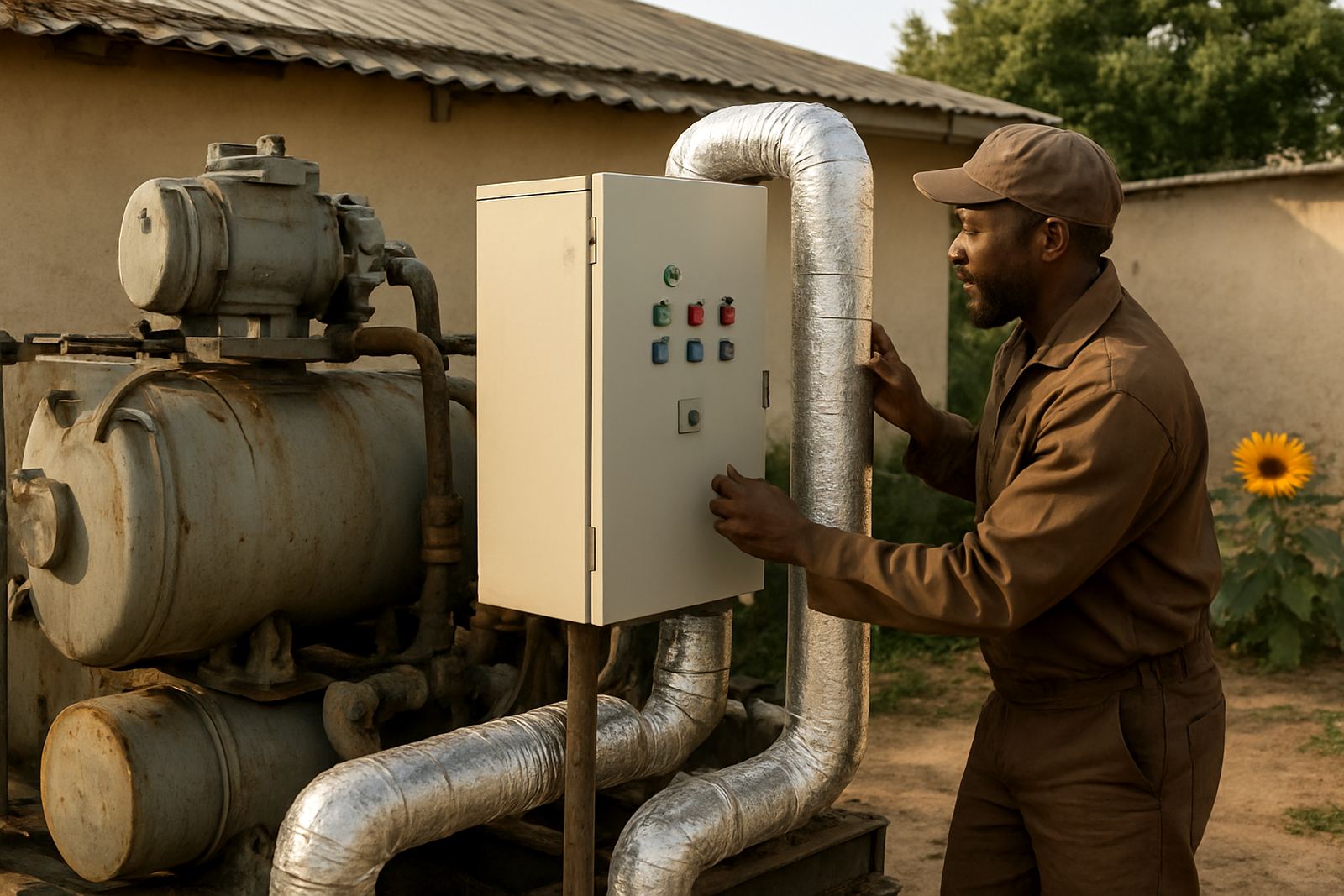
Before any tools come out, the technician should look at the site around the equipment. A cold room or chiller that runs in a hot, dusty area near an open loading bay will need different attention to one in a cleaner plant room. In Gqeberha and coastal towns like Port Alfred and Jeffreys Bay, salt air can also affect coils, terminals and fan parts.
The first part of a good maintenance visit is a quick walk-through of the room, the plant area and the electrical supply. Power quality matters here, especially where load shedding, generator changeovers and voltage dips are part of daily life. If the unit is tripping, short cycling or sitting in alarm, that should be noted before anything is adjusted.
- Check whether the area is clear for airflow and safe access
- Look for water leaks, ice build-up, oil stains or burnt wiring smells
- Confirm the room setpoint and the actual product temperature
- Record any recent power interruptions or alarm history
Inspect the refrigeration circuit for early warning signs
The refrigeration circuit should be checked with care, not rushed. That means looking for signs of gas loss, abnormal pressures, oil return problems and anything that points to a restriction or compressor strain. A unit can still be cooling while slowly losing performance, so the visit should include readings, not guesswork.
On sites in Despatch, Uitenhage and around Newton Park, we often see systems that have been running harder for months because a coil is dirty or a fan motor is weakening. That sort of fault does not always show up as a complete breakdown. It usually starts as longer run times, warmer product or a compressor that sounds different from normal. Catching it early saves a lot of trouble.
- Check suction and discharge pressures against expected operation
- Inspect for oil marks, loose fittings and signs of refrigerant leaks
- Listen for unusual compressor noise or vibration
- Confirm fan motors, contactors and capacitors are working properly
Clean the parts that affect airflow and heat transfer
Dirty coils are one of the most common causes of wasted energy on commercial refrigeration equipment. If the condenser cannot reject heat properly, the unit will run longer and draw more power. If the evaporator is blocked with dirt or ice, the room will struggle to pull down and hold temperature. This is why coil cleaning is not an optional extra.
A proper visit should include cleaning the condenser and evaporator surfaces where needed, checking drain lines and making sure defrost is doing its job. In chilled storage rooms, blocked drains can lead to standing water, slippery floors and ice around doors. In a busy food site, that can affect hygiene and staff safety as well.
- Clean condenser fins without damaging the coil face
- Check evaporator fan blades, guards and motor mounts
- Clear drain trays and drain lines
- Inspect door seals, hinges and strip curtains for air leaks
Test controls, sensors and temperature monitoring
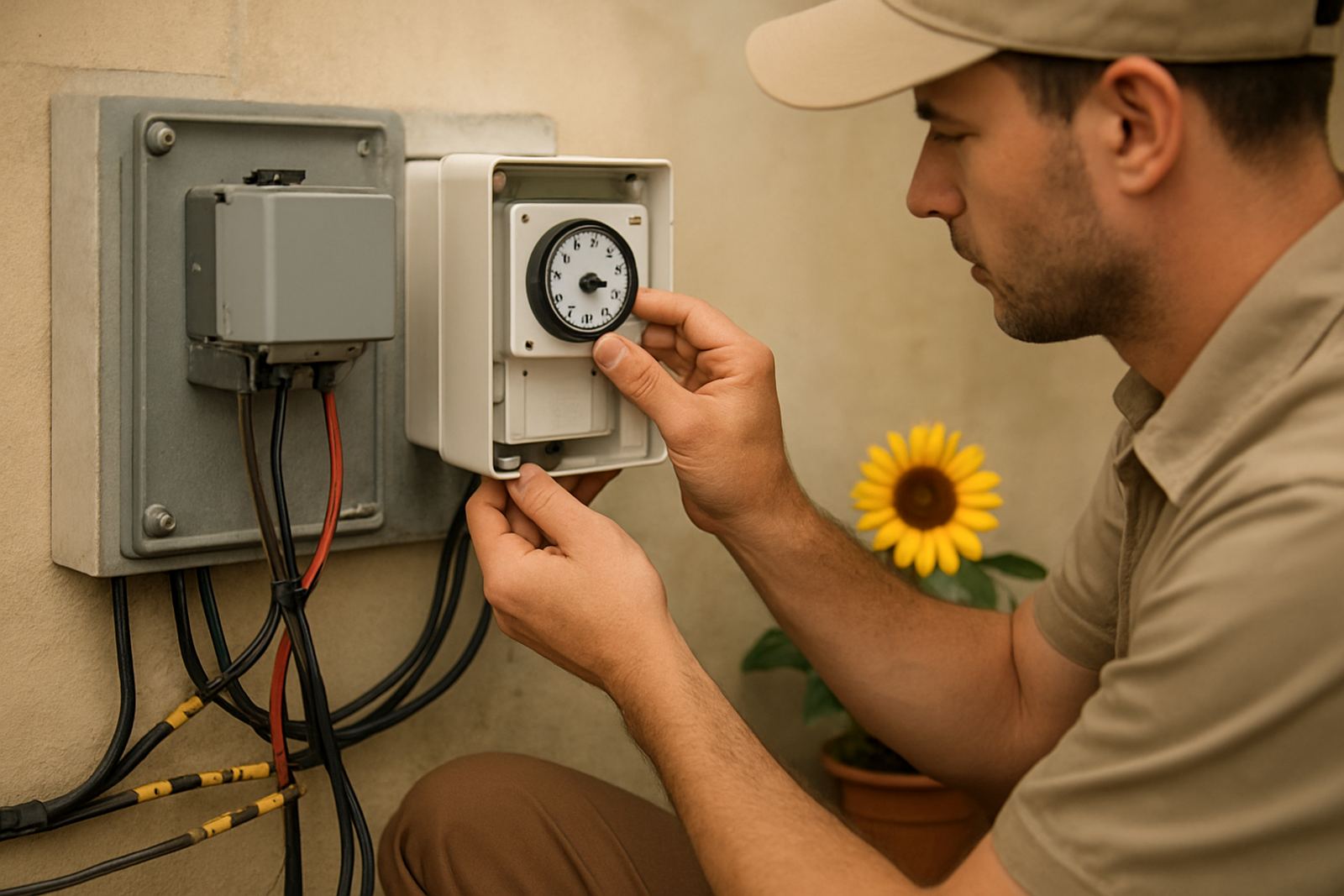
Good refrigeration maintenance is not only mechanical. Control settings, probes and monitoring equipment are just as important. If a room is running two degrees warmer than it should, the cause may be a failed sensor, a loose probe, a controller fault or a door that is opening too often. The technician should test the control response and compare readings with an independent thermometer.
For sites handling food, medicine or fresh produce, accurate temperature monitoring matters every hour of the day. If the system has remote alarms, those should be checked too. A broken buzzer or a missed SMS can leave the site blind until product quality is already affected. It sounds small, but it isnt.
- Compare setpoint, actual temperature and probe reading
- Test defrost timing and cut-in, cut-out functions
- Check alarm output, remote notification and backup battery where fitted
- Verify control settings have not been changed by mistake
Review energy use and fix the things that waste power
A maintenance visit should also look for ways to lower electricity use without compromising cooling. On the Eastern Cape grid, every unnecessary kilowatt matters. If a chiller or cold room is drawing more power than expected, the issue may be poor airflow, oversized run times, incorrect controls or a tired component working harder than it should.
Energy checks can be simple but useful. Measure current draw, look at operating hours, confirm the load on the system and note whether the equipment is cycling properly. If there is a chance to upgrade controls, fit better monitoring or improve scheduling, that should be written down for the client. For many businesses in Gqeberha, a few small changes make the monthly bill easier to manage.
- Record running current and compare it with normal figures
- Check for overcooling or unnecessary continuous operation
- Review setpoints and door opening patterns
- Note retrofit opportunities such as control upgrades or low-GWP conversions
End with a proper service record and clear next steps
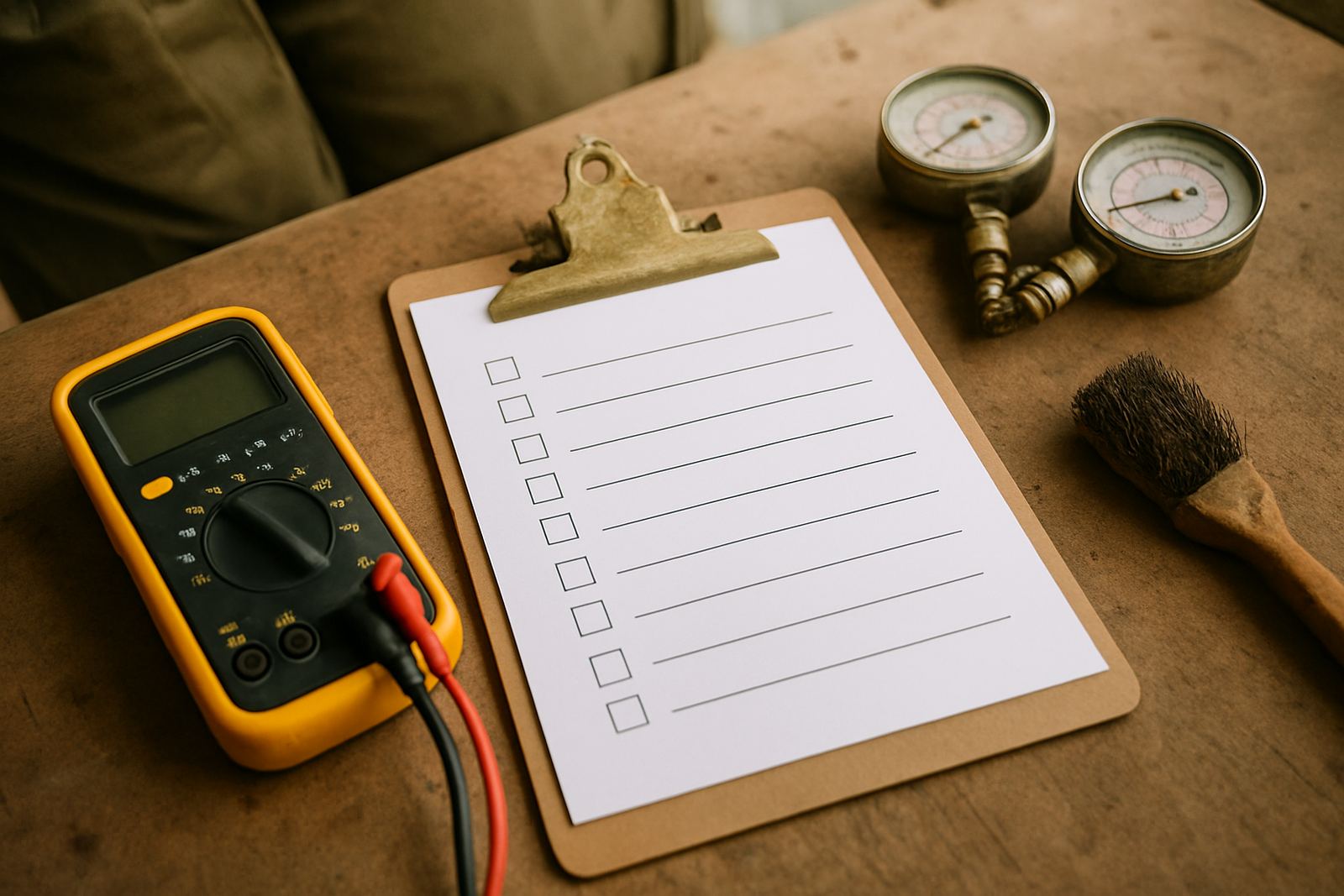
The job is not complete until the site has a clear record of what was checked, what was repaired and what still needs attention. That record should be useful to the client, the maintenance team and anyone who is called out next. It should show readings, parts replaced, faults found and follow-up actions. A vague note like