Where cold rooms lose power first
The biggest energy losses usually start at the doorway, not the compressor. Every time a door stays open too long, warm air and moisture rush in. In a busy kitchen, butchery or packhouse, that happens many times a day and the system has to work harder to pull the room back down to temperature.
Damaged door seals, poor door closing, worn strip curtains and gaps around panel joints also let cold air leak out. In Gqeberha, where coastal humidity is high, the problem is worse because moist air brings extra frost build-up. That frost acts like insulation on evaporator coils and fans, so the room runs longer for the same result.
- Door seals flattened or torn
- Strip curtains missing or too short
- Gaps at floors, corners or ceiling joints
- Door closers not latching properly
- Frequent door opening during stock checks
Fans, coils and dirty surfaces work harder than they should
A cold room can look fine on the inside and still be wasting power because airflow is blocked. Dust, grease and salt in the air build up on condenser and evaporator coils, especially in coastal areas and near busy roads. Once the coil is dirty, heat does not move out properly and the unit keeps running for longer periods.
Fan blades and motors also lose efficiency when they are coated in dirt or running with worn bearings. Even a small drop in fan performance can affect temperature pull down and create hot spots inside the room. The room may still hold stock safely, but it will cost more to do it.
- Clean condenser and evaporator coils on a fixed schedule
- Check fan motors for noise, vibration and wear
- Make sure air can move freely around stored product
- Keep wall and ceiling drains clear so water does not pool
- Remove dust build-up from louvres and machine areas
Controls that are set wrong can burn electricity quietly
Incorrect temperature settings are a common source of waste. If a room is set colder than needed, the system works harder all day for no business gain. A meat room, dairy store or fruit holding room each has different requirements, so one setting does not suit everything.
Faulty thermostats, poor sensor placement and damaged controllers can also cause short cycling. That means the compressor starts and stops too often, which increases wear and uses more power than steady running. If the defrost schedule is too frequent, or too long, the room also spends time cooling itself back down instead of doing useful work.
At times we find the sensor hanging in the wrong place, reading warmer air near the door instead of the average room temperature. That one small fault can make the plant chase a false reading all day.
- Check set points against the actual product requirement
- Confirm sensors are fixed in the right position
- Review defrost times and intervals
- Look for short cycling or long run times
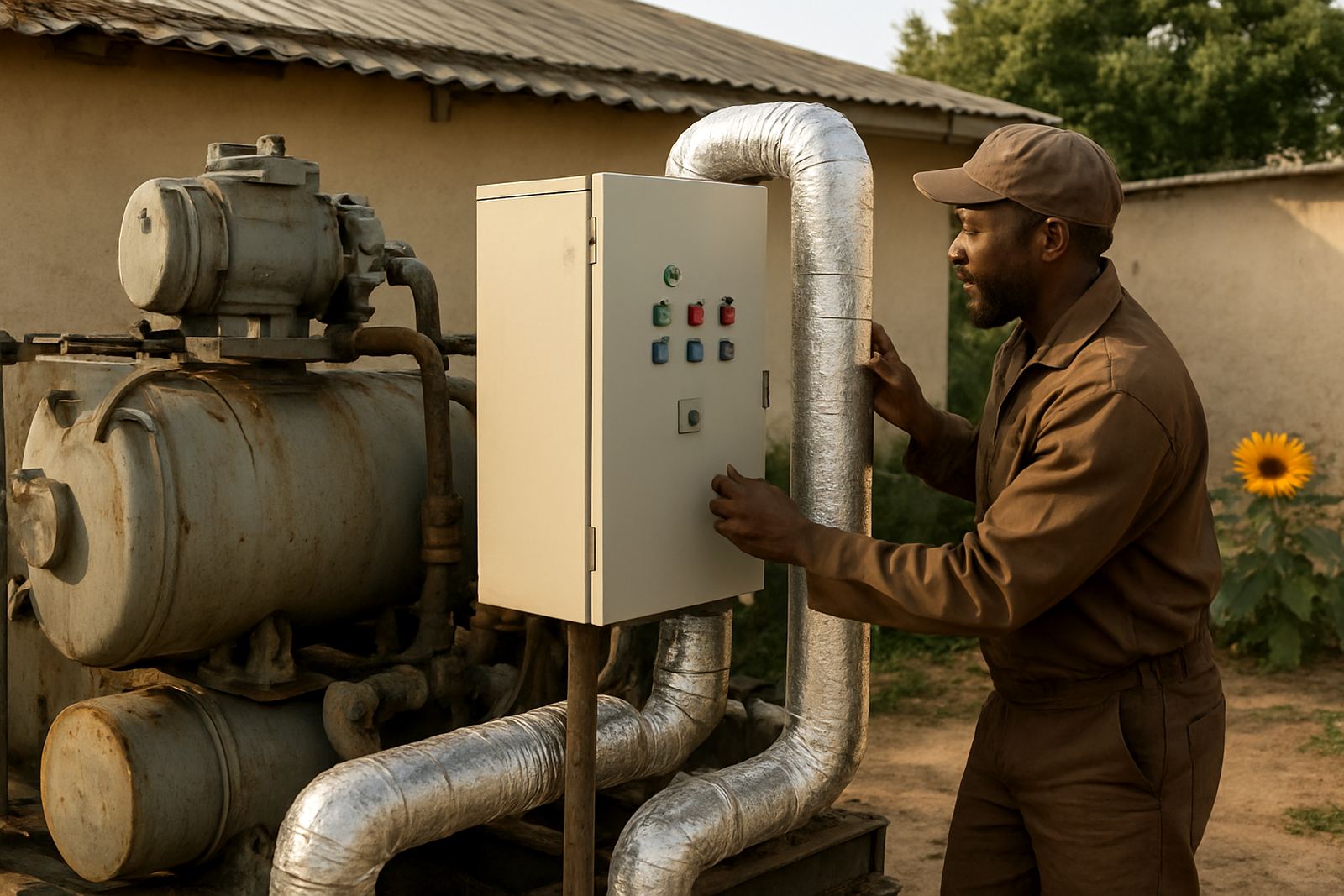
- Test alarms, probes and control panels regularly
Load-shedding and power dips leave hidden damage
In the Eastern Cape, power cuts can undo good energy habits. When a cold room loses power, product warms slightly, moisture condenses and the system has to work harder when electricity returns. Repeated interruptions also place strain on compressors, contactors and control gear. Over time, that extra stress leads to more breakdowns and higher running costs.
Some businesses try to recover by lowering the thermostat after an outage, but that can make the unit overrun and use more power than needed. A better approach is to check the system after each outage, confirm the room is pulling down normally and watch for unusual ice build-up or alarm trips.
Where temperature stability matters, temperature monitoring gives early warning before stock is affected. It helps managers spot patterns such as warm spikes during outages, open-door peaks during busy periods, or a slow drift caused by a weak seal. That makes repairs quicker and less costly.
A Gqeberha example: small fixes, real savings
We worked with a food business in Newton Park that was seeing higher than expected power use from a medium-size cold room. The room was holding temperature, so the owner assumed all was well. On inspection, the door seals were tired, the strip curtain was shortened, and the evaporator coil had a heavy dust film from nearby traffic and routine footfall. The room was also set colder than the stored product needed.
After replacing the seals, cleaning the coils, correcting the set point and checking the defrost cycle, the plant ran for shorter periods and the inside temperature stabilised sooner after door openings. The business did not need a full replacement. It needed practical maintenance and a proper check of how the room was being used day to day. The savings were noticeable within the first billing cycle.
What to include in a proper energy loss check
A good energy audit does not stop at the machinery. It looks at the building, the people using it and the way stock moves through the room. In many cases, the cheapest savings come from habit changes and small repairs rather than major capital work.
For owners in Gqeberha, Uitenhage, Despatch, Jeffreys Bay, Graaff-Reinet and Port Alfred, a practical inspection should cover the room, the controls, the electrical load and the condition of the refrigeration circuit. If a system is leaking gas, icing up or cycling badly, the electricity account will show it long before the product spoils.
- Inspect doors, seals and curtain condition
- Check room temperature against product needs
- Test coils, fans and drains
- Review defrost timing and control settings
- Look for refrigerant leaks or pressure faults
- Track usage patterns during busy and quiet periods
Simple maintenance that pays back quickly
Cold room energy loss is not usually one big failure. It is a stack of small issues that build up over time. A seal here, a dirty coil there, a sensor out of place, and soon the system is running harder every day than it should.
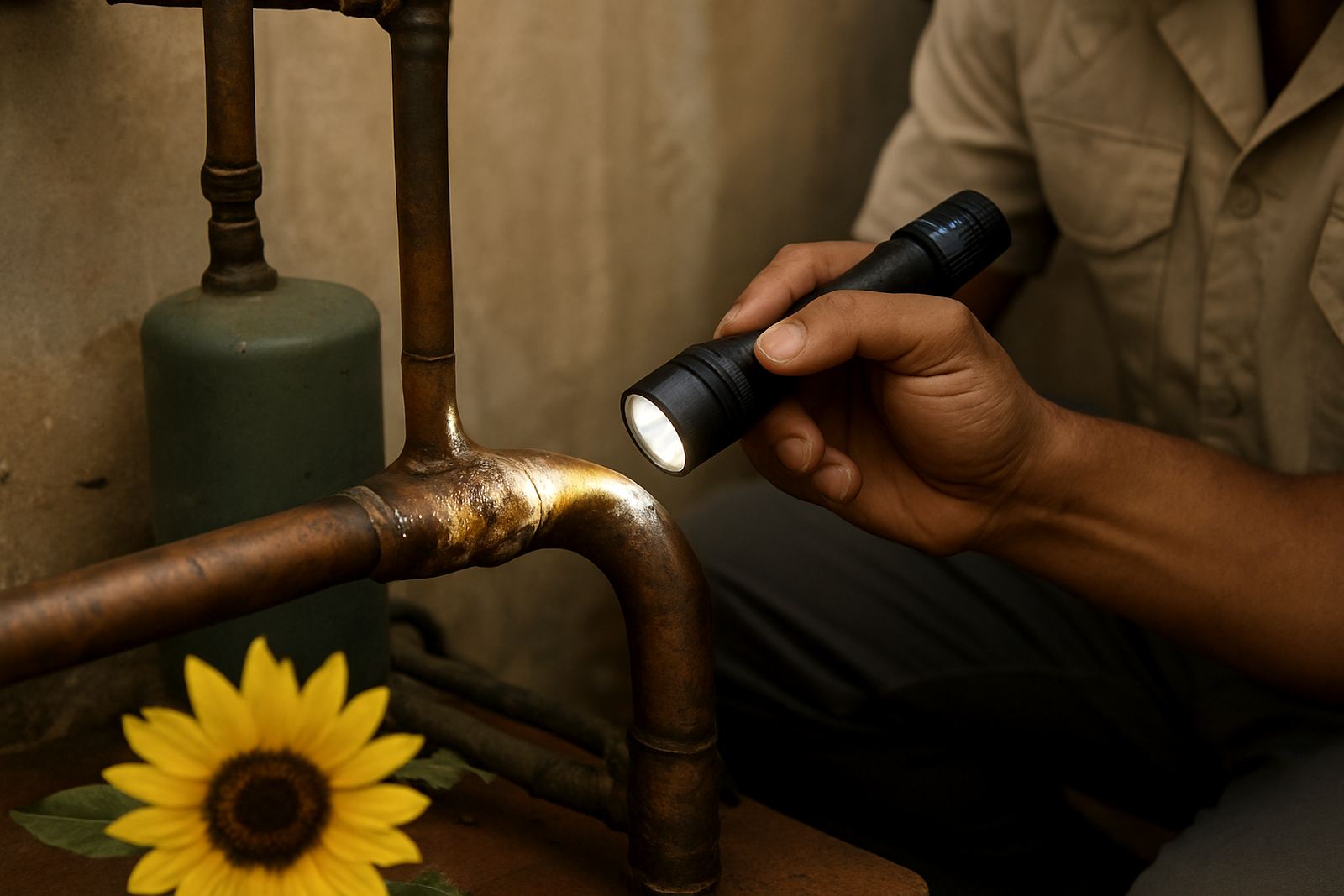
Planned maintenance, leak detection, control upgrades and temperature monitoring all help reduce waste before it turns into a breakdown. For many businesses, that means better product stability, fewer callouts and lower monthly electricity use. In a coastal area, with humidity and salt in the air, preventative care is not a nice to have, it is part of keeping the plant cost effective.
If your cold room is using more power than it used to, or you suspect it is cycling too hard, a focused inspection can show where the losses are and which fixes will give the best return.