Why a Small Leak Still Hits the Bottom Line
Refrigeration systems are built to hold a set gas charge so the unit can absorb heat and move it away at the right rate. When gas levels drop, the system has to work harder to get the same result, and that extra strain shows up fast. You may notice warmer product, longer pull-down times or a plant that seems to cycle all day without settling.
On paper, a few grams or a few hundred grams might not sound serious. In practice, it can push compressors, fans and control components into longer running periods, which means more wear, more callouts and more power use. For businesses in Newton Park, Uitenhage or Despatch, that matters when every Rand and every load-shedding window counts.
What Minor Leaks Usually Look Like On Site
Leaks do not always leave a puddle or a clear smell. More often, the signs are gradual and easy to miss until stock quality starts slipping. A freezer may take longer to recover after door openings. A cold room may struggle on hot afternoons. A chiller might still run, but the discharge pressure and suction readings drift away from normal.
- Frost building up on one section of pipe or coil
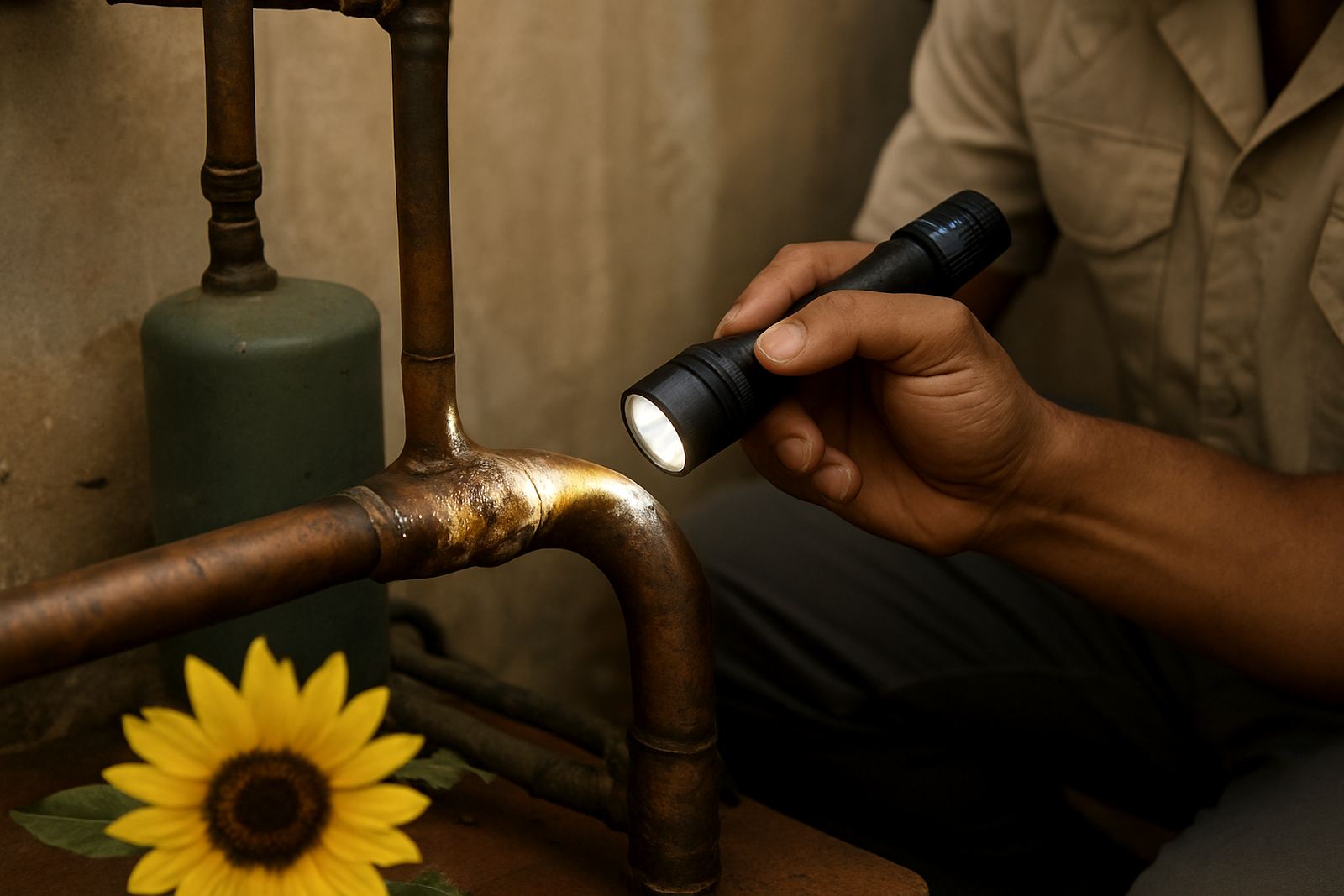
- Oil stains near joints, valves or service ports
- Unusual compressor cycling or longer run times
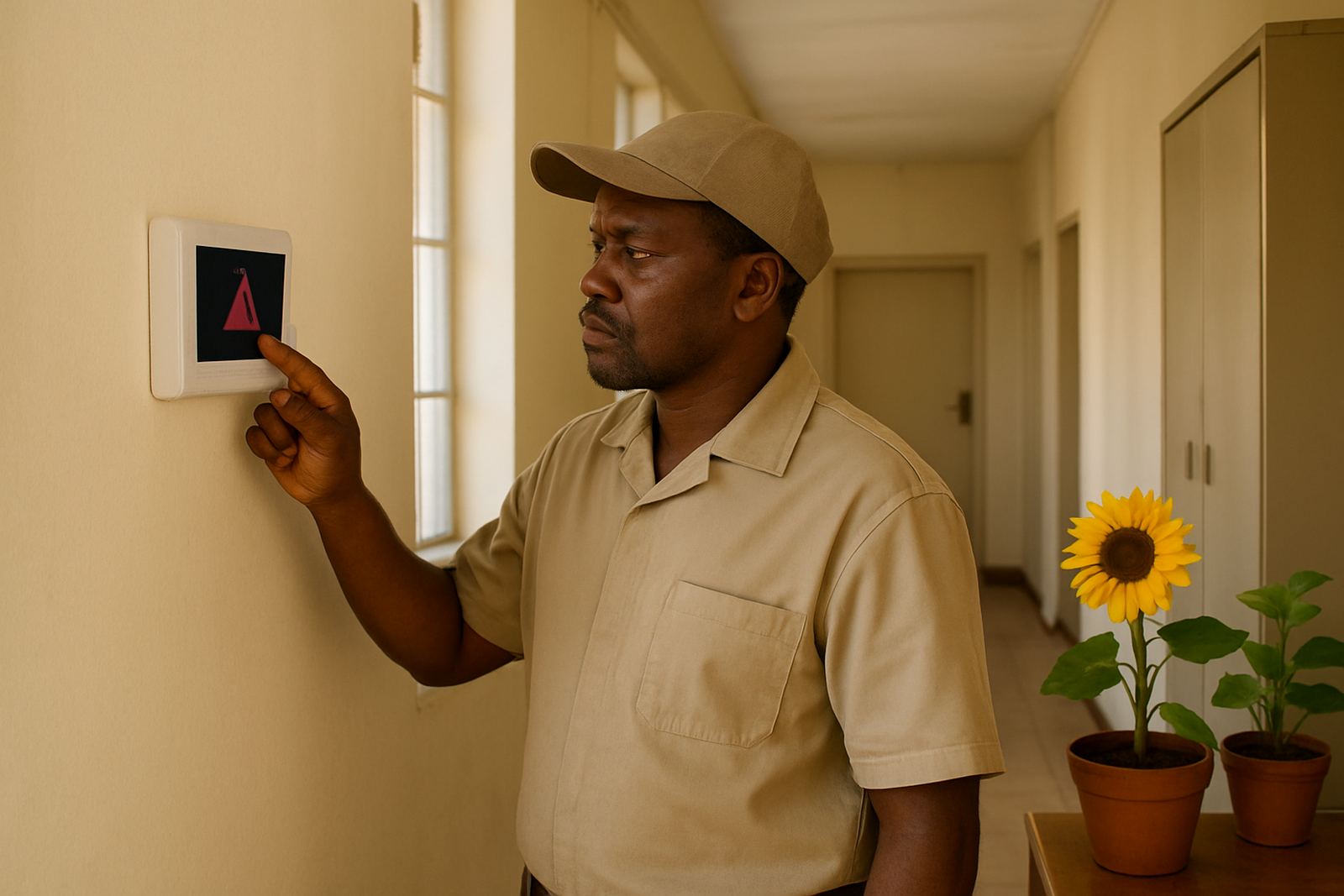
- Temperature alarms that come and go
- Higher than usual electricity use for the same output
Coastal humidity in Gqeberha can make this worse because moisture and salt in the air speed up corrosion around fittings, insulation and drain points. In inland areas like Graaff-Reinet, dust and heat add their own pressure on seals, coils and electrical terminations.
Where Leaks Commonly Start
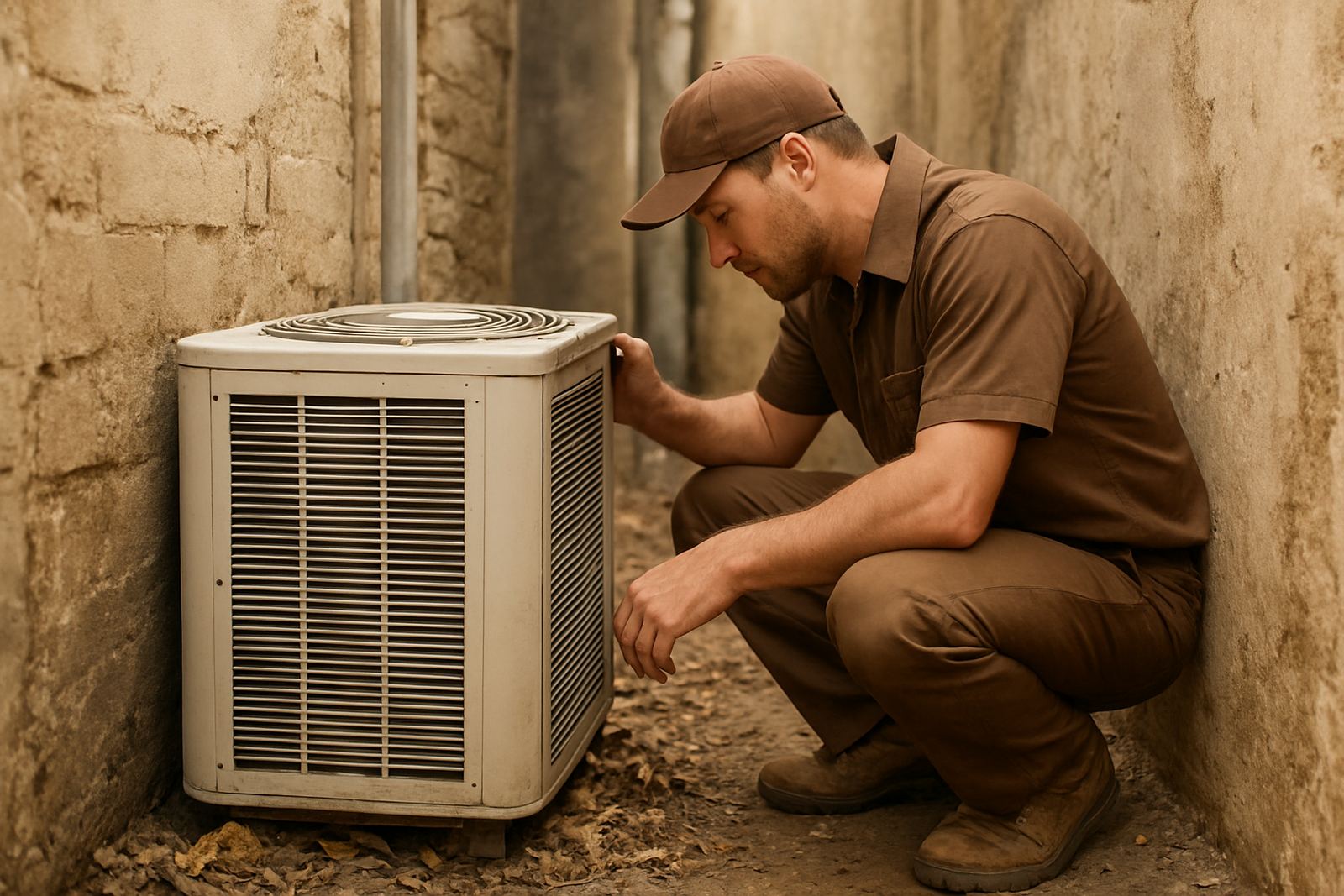
Most leaks begin at the places that move, vibrate or get touched during servicing. Pipe joints, flare connections, Schrader valves, control cabinets and coil ends all need attention. After years of service, vibration from compressors and fans can loosen small points, while poor pipe support can cause rubbing and cracking over time.
On older systems, the issue is often not one big failure but several small weak points. A coil cleaned without care can bend fins and stress tubing. A hurried repair can leave a joint under strain. Even a panel left open too often during maintenance can let dirt and moisture into areas that should stay protected.
- Worn gaskets on access panels and doors
- Loose service caps or valve cores
- Corrosion on copper, aluminium or steel parts
- Vibration at compressor mounts and pipe brackets
- Damage after moving stock trolleys or tools around plant rooms
Why Load-Shedding Makes Leak Problems Worse
When supply is unstable, refrigeration systems do not get the same steady operating pattern they were designed for. Repeated stoppages, restarts and voltage swings can make a system that already has a small leak perform badly much faster. After an outage, the unit may need a longer recovery period and that exposes weak gas charge, control faults and poor airflow all at once.
In a cold room storing meat, dairy or fresh produce, that extra time can affect product temperature before the room is back in range. In a retail or industrial setting, it can also force staff to move stock, recheck readings and reset alarms more often than they should. The real cost is not just the repair, it is the spoilage risk and labour time around it.
A Gqeberha Example That Shows The Pattern
At a site in Gqeberha, a client reported that one cold room was taking longer to pull down after every door opening. The manager first thought the issue was only airflow, because the fans were still running and the unit was not tripping. On inspection, the system had a small leak at a service connection and light corrosion around the same area.
The leak had been slow enough to avoid a dramatic breakdown, but the compressor had been running longer for weeks. That meant higher electricity use, warmer product during peak trading and repeat visits from staff trying to reset the alarm. Once the leak was found, repaired and the charge corrected, the room returned to normal operating times and the control readings settled again. Small fault, big bill.
What Good Maintenance Should Cover
Planned maintenance is the best way to catch small losses before they turn into a compressor failure or a spoiled stock issue. It should not be a quick look and a signature. A proper visit includes checking operating pressures, inspecting joints, testing controls, cleaning coils, confirming temperatures and looking for early signs of wear or contamination.
For sites in Jeffreys Bay, Port Alfred and the wider Eastern Cape, we also look at salt air exposure, cabinet seals and drainage because local conditions matter. A system that runs well inland may need a different maintenance interval near the coast. The aim is to keep the plant clean, stable and easy to monitor, so faults are picked up early.
- Leak detection with the right test method for the system type
- Temperature monitoring against set points and actual load
- Coil cleaning to restore airflow and reduce run time
- Control upgrades where old thermostats or sensors drift
- Energy audits to spot waste before it becomes routine
When To Call In A Technician Without Waiting
If a unit is holding temperature poorly, cycling oddly or needing top-ups more than once, it needs attention now not later. Repeated gas loss is never normal. The same applies if a site is already dealing with emergency breakdowns, poor defrost performance or a cold room that only works when the weather is mild. Those are signs the system is under strain and the leak may be only part of the story.
Nvirocool works from Newton Park in Gqeberha and supports sites across the Eastern Cape with planned maintenance, emergency breakdowns, cold room repairs, chiller servicing, low-GWP conversions, leak detection, energy audits, coil cleaning, control upgrades and temperature monitoring. We help businesses cut waste, keep product safe and deal with refrigeration faults before they become expensive repeat problems.