Why condenser location matters more than most sites think
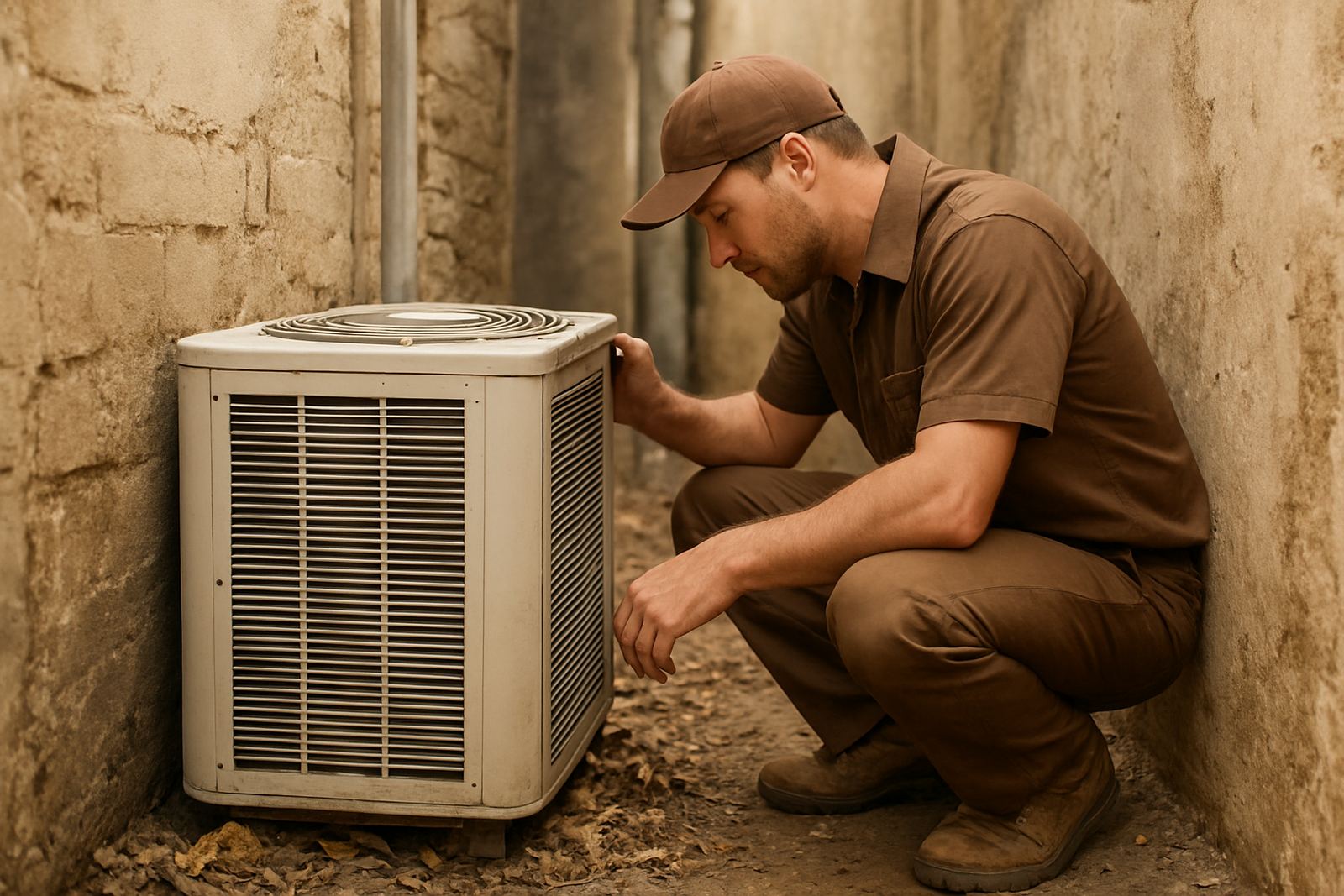
On paper, a condenser is just one part of a cooling system. In practice, where it is placed can decide how hard the whole plant has to work. When a unit sits in a hot corner, against a wall that throws back heat, or in a dusty service yard, it will pull in warmer air and reject heat less efficiently. That extra strain usually shows up as higher power use, more compressor cycling and shorter component life.
In the Eastern Cape, placement matters even more because conditions change from one site to the next. A seaside plant in Gqeberha may deal with salt air and fine grit, while a warehouse in Uitenhage might battle dust from traffic and loading bays. On windy days, loose paper, weeds and packaging can all gather around a badly sited condenser. Once airflow is restricted, the coil starts to run dirty and the service bill starts to grow.
A good location should support easy inspection, regular washing and safe access for technicians. If you have to move stored stock, climb over crates or work in poor light just to reach the unit, maintenance gets delayed. And when maintenance slips, small issues like blocked fins or weak fan motors become bigger faults later on.
Avoid hot air recirculation and tight corners
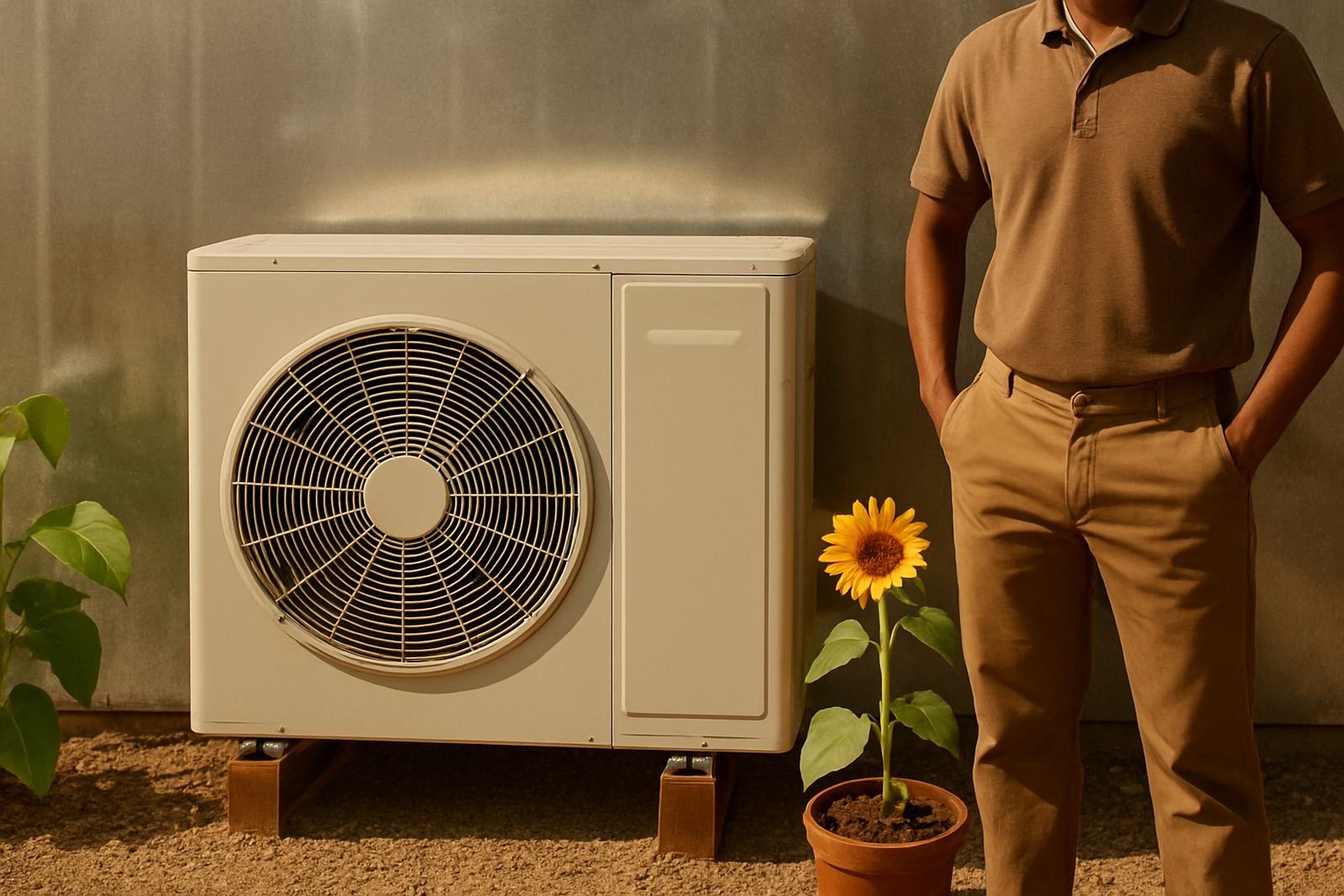
The ground beneath a condenser matters too. A unit sitting on uneven paving, loose gravel or a low patch that collects water will pick up corrosion and vibration issues faster. Coastal humidity can make metal feet and supports deteriorate, especially if drainage is poor. A proper base, with enough height to keep the coil out of standing water, goes a long way.
Height is useful, but only if it is sensible. Mounting a condenser too high on a wall or roof edge may expose it to wind and make access harder than it should be. Too low and it can collect dust, leaves and splashback from cleaning. The best position is often the one that keeps the unit above dirt and puddles, while still giving safe, level access for a technician with tools and gauges.
If the area is prone to flooding or storm water run-off, ask whether the mounting position will still be sound after a heavy downpour. A small adjustment now can prevent a much larger fault after the first bad rain. That is especially useful for businesses that run cold rooms and cannot afford an unscheduled stop.
Keep dirt loading low with smarter airflow and housekeeping
Dirt loading is not only about the weather. It is also about what the site does every day. Loading bays, wood yards, bakeries, mechanical rooms and recycling areas all throw dust and fibres into the air. If the condenser sits downwind of these areas, the coil will block up faster and the fan motors may work harder than needed.
Good housekeeping around the plant room or yard helps more than most people expect. A clear zone around the condenser makes it easier to hose down fins, inspect pipework and spot an early leak. In places like Despatch or Graaff-Reinet, where dust can build quickly, regular coil cleaning should be planned rather than left for when performance drops.
- Keep bins, pallets and loose packaging away from the intake side.
- Trim back weeds, grass and overhanging branches.
- Schedule cleaning before the coil becomes visibly clogged.
- Check whether nearby traffic is blowing dust straight onto the unit.
Sites near the coast should also watch for salt film. It can settle on fins and brackets even when the plant seems clean. A coil may look fine from a distance, but once salt and dust mix together the airflow issue becomes harder to ignore.
Plan for service access, not just installation day
Many condensers are installed where they fit at the time, not where they will be easy to service later. That is where trouble starts. A technician needs safe access for fault finding, cleaning, pressure checks, fan replacement and leak detection. If a unit is boxed in by pipe racks, security fencing or stored goods, every service takes longer and often costs more.
Good access is especially important during emergency breakdowns, when there is pressure to get the system back online quickly. A unit that can be reached without moving half the yard can save hours. It also supports planned maintenance, because regular inspections are more likely to happen when the work area is practical and safe.
If your site uses temperature monitoring, think about how a condenser fault will present on the readings. A struggling unit may show gradual temperature drift long before it fails completely. That early warning only helps if the condenser can be checked without delay. It is a small point, but it can save stock.
A local example from a Gqeberha cold-room site
At a food storage site in Gqeberha, a condenser had been placed beside a boundary wall and close to a dusty service road. In summer, the unit was pulling in hot air from the wall and picking up fine dirt from passing vehicles. The result was rising operating temps, more frequent trips and a lot of cleaning that did not last long enough.
After reviewing the layout, the unit was moved to a better position with cleaner airflow and easier access for coil washing. We also adjusted the maintenance routine so the coil was checked more often during the dusty months. The plant settled down, the callouts dropped and the staff did not need to fight the same fault every few weeks. That kind of improvement often comes from location first, not a bigger machine.
For sites in Port Alfred or Jeffreys Bay, the same logic applies. Salt, wind, dust and access all need to be weighed together. There is rarely one perfect answer, but there is usually a better answer than the current spot.