Why freezer doors ice up in the first place
Any freezer access point has a fight on its hands in moist air. Every time the door opens, warm air moves in and condenses on the frame, threshold and rubber seal. In a coastal city like Gqeberha, that moisture is already in the air, so the problem can build fast, especially on doors that open often during loading, picking or late shifts.
When a door area drops below freezing, that moisture turns to frost and then to hard ice. If the ice keeps growing, the door starts to bind, the seal cannot sit properly and people begin pulling harder on the handle. That extra force is usually what turns a small frost issue into a bent hinge, torn seal or cracked panel corner.
- High humidity makes frost build faster
- Frequent door openings bring in more warm air
- Poor sealing lets moisture sit where it should not
- Slush near the threshold freezes into hard ice
What a door heater actually does
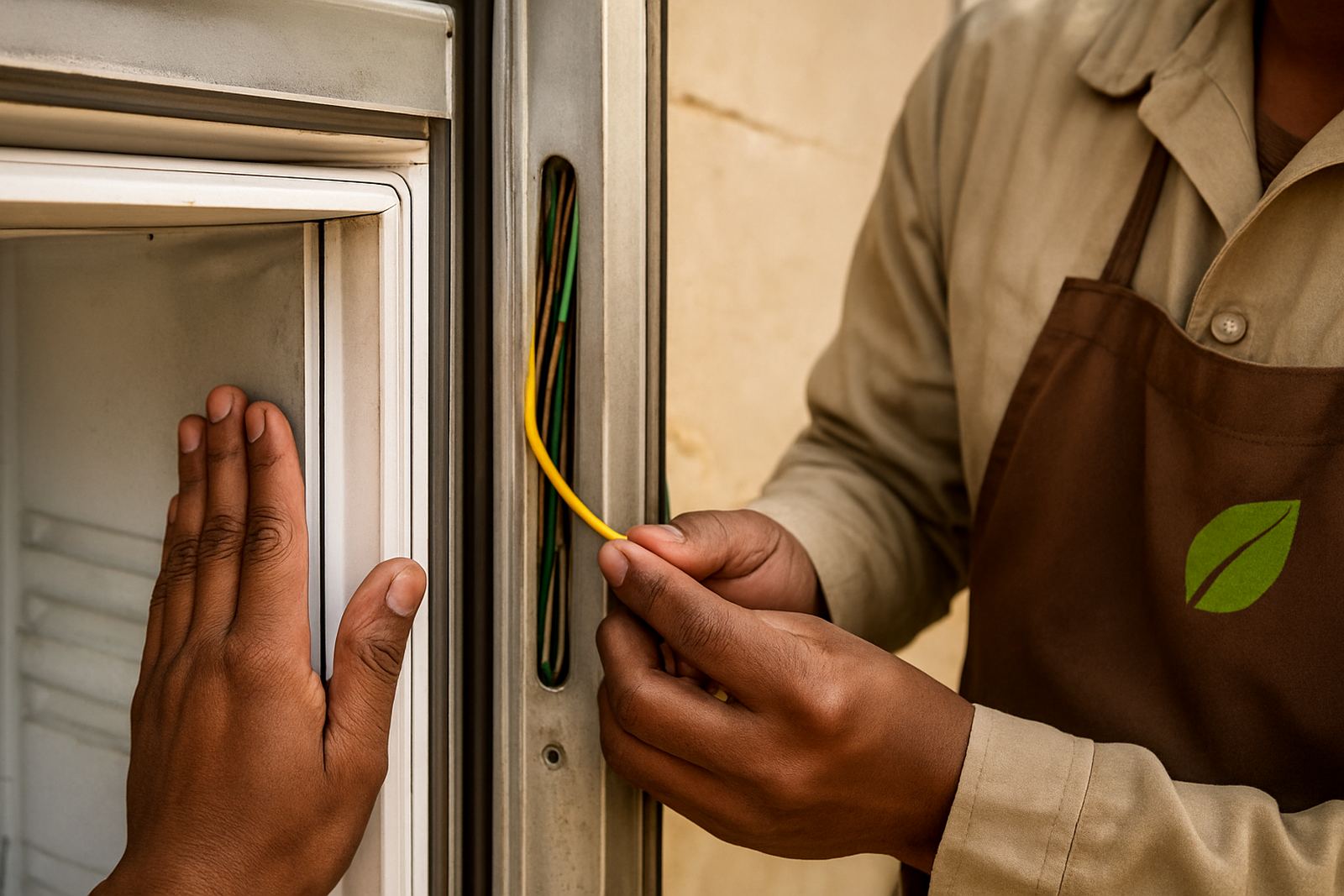
A door heater gives targeted warmth to the parts of the opening most likely to freeze. It is normally fitted around the frame, threshold or heated perimeter so the metal and sealing surfaces stay just warm enough to prevent condensation from turning into ice. It is not there to heat the whole room, only the spots that need protection.
Used correctly, a heater reduces sticking, protects the door seals and helps the access point close cleanly every time. That means less strain on staff, fewer emergency callouts and less wear on the door hardware. For a freezer that must open many times a day, that small amount of heat can save a lot of trouble later.
- Keeps the frame above the freezing point at key contact points
- Reduces ice around the seal and threshold
- Helps the door close properly after every use
- Lowers the chance of damage from forced opening
Signs the door heater is doing too little or too much
A working heater should leave the door area dry and easy to open. If ice is still forming on the bottom edge, latch side or inside corner, the heater may be undersized, poorly positioned or failing altogether. If the frame feels overly warm, the control setting may be too high and the unit could be wasting power.
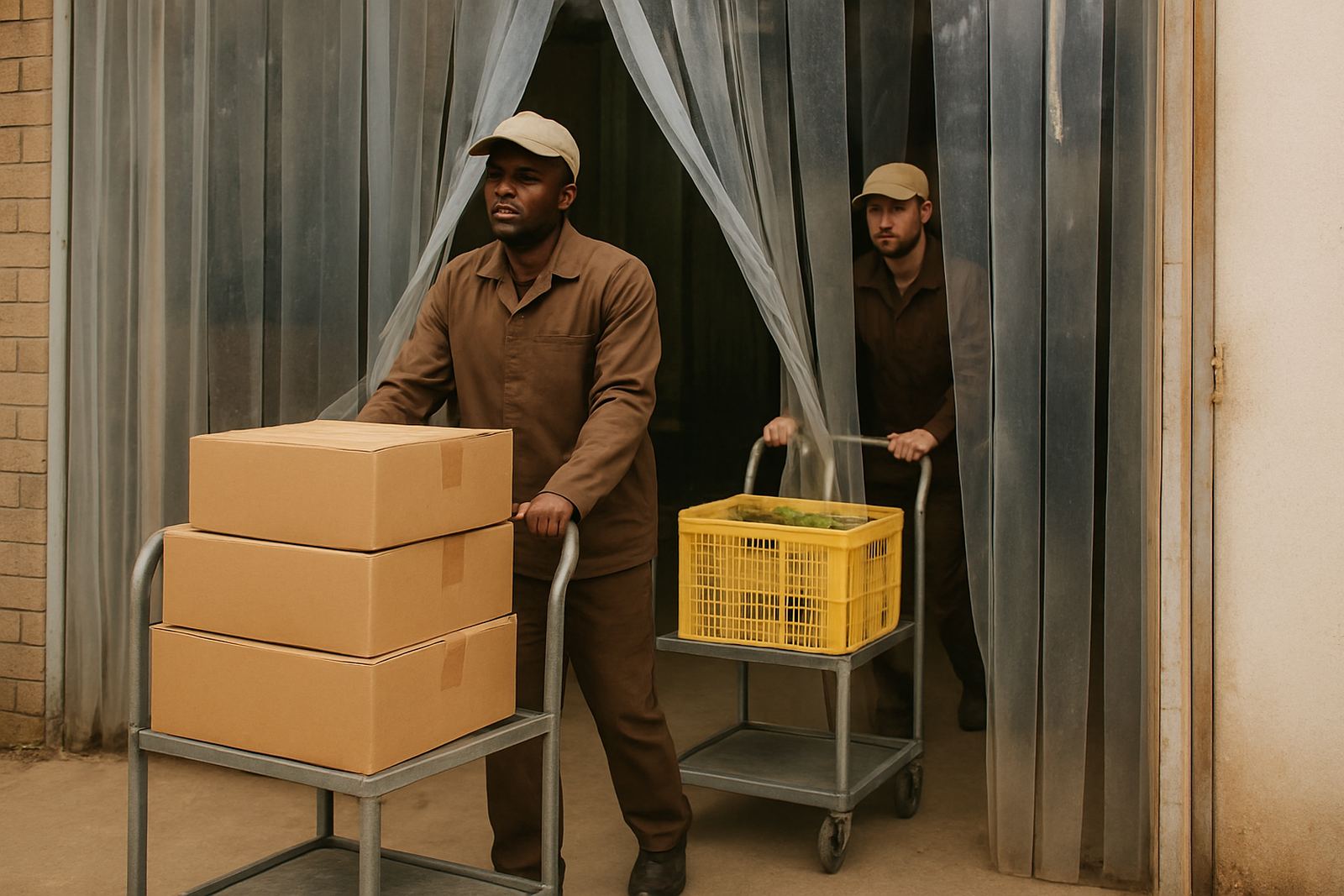
One common mistake is assuming all freezing trouble means the refrigeration system is at fault. Sometimes the plant is fine, but the door heater circuit, thermostat or wiring has a problem. In other cases the door is taking too much abuse because the loading routine is slow, the curtains are damaged, or the door is left open while goods are sorted.
- Ice on the frame or sill after normal use
- Door sticking first thing in the morning
- Seal pulled out of shape or split at the corners
- Warm patches on the panel where heat is escaping
Why door heaters protect more than the door
The real value of a door heater is not only convenience. It also protects the cold room structure around the opening. Ice can force its way into seal channels, hinges and trims. Over time, that moisture can damage insulation edges, lift floor finishes and cause repeated air leaks. Once that starts, the refrigeration system works harder to hold temperature, and electricity use climbs.
For businesses working through load-shedding or generator changeovers, this matters even more. A freezer that is already struggling with ice around the opening is more likely to lose temperature during interruptions. If the door cannot close cleanly after each visit, you lose cold air and the room has to recover again and again.
- Protects seals from being crushed or torn
- Helps hinges and latches last longer
- Reduces air leaks that push up power use
- Supports better temperature recovery after door opening
A practical example from Gqeberha
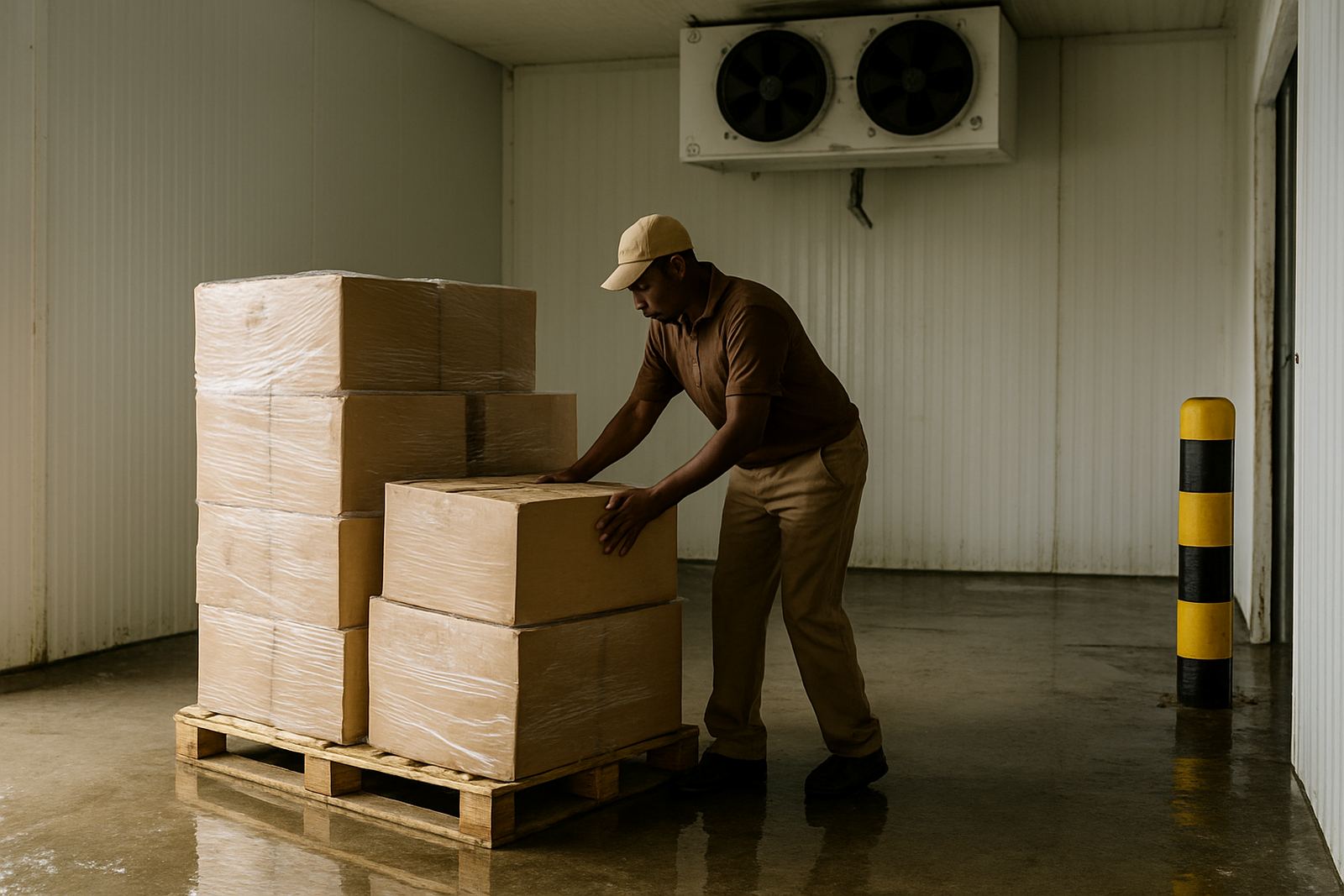
At a food distribution cold room in Newton Park, the staff noticed the freezer door was sticking badly on early morning shifts. The bottom edge had a thick line of ice, and the seal was starting to pull away near one corner. The room itself was still holding temperature, but the access point had become a daily problem.
After a site check, the issue was traced to a worn heater strip, a damaged door seal and a loading routine that kept the door open longer than needed. Once the heater was repaired, the seal was replaced and the team changed the opening procedure, the sticking stopped and the frame stayed dry. That is the kind of fix that prevents bigger repairs later, not just a quick patch.
In coastal towns from Gqeberha to Jeffreys Bay, that combination of humidity and frequent use can make freezer door care a regular maintenance task, not a once-off job.
How maintenance teams keep door heaters dependable
Door heaters should be checked as part of planned maintenance, especially on freezer rooms, cold stores and high-traffic loading areas. A proper inspection looks at the heater element, wiring, control settings, door alignment and seal condition. If any part is out of line, the heater can be working harder than it should, or not heating the right spot at all.
Our team at Nvirocool in Newton Park handles cold room repairs, planned maintenance and temperature control work across Gqeberha, Uitenhage, Despatch, Port Alfred, Graaff-Reinet and Jeffreys Bay. We also check related issues like coil cleaning, control upgrades and temperature monitoring so the door problem does not keep coming back.
- Test heater operation during routine service visits
- Check seals and hinges before ice damage spreads
- Inspect wiring and controls for corrosion or loose joins
- Match the heater output to the room usage and door size
When to call for repair before the damage spreads
If a door is freezing shut, the frame is cracking, or staff are forcing the door open every week, it is time to look beyond the symptom. Repeated ice build-up can hide deeper faults like poor alignment, insulation damage, a failed heater or air leakage from damaged trims. Waiting usually means higher repair costs and more downtime.
For freezer doors, small faults become expensive quickly. A heater that is slightly underperforming today may become a seized hinge, split seal or flooded threshold after the next cold snap. It is worth getting it checked before the door starts costing you more in power and callouts.
If you need practical help with freezer door heaters, emergency breakdowns or cold room servicing in the Eastern Cape, Nvirocool can assist from our Gqeberha base. The aim is simple: keep the door opening clean, dry and easy to use, without wasting power or risking damage.