When repairs stop making financial sense
A single failed fan motor, thermostat or contactor does not mean a full upgrade is needed. But if you are calling out a technician every few months, the cost starts stacking up fast, especially when the same faults keep coming back. A retrofit becomes worth considering when repair bills are no longer fixing the root cause.
For cold rooms, bottle stores, food prep areas and packhouses, a clear warning sign is downtime that interrupts stock movement or creates temperature swings. If the plant can still run, but only with constant intervention, it is often cheaper to replace key components and controls in one planned project than to keep patching one part at a time.
- Repeated compressor trips or high head pressure alarms
- Frequent gas top-ups after a leak repair
- Fans, controls or valves that fail again soon after repair
- Repair quotes that keep climbing close to replacement cost
Signs your system is costing too much power
Energy use is one of the clearest retrofit markers. A plant that once ran within budget may start drawing more current because it is losing efficiency through dirty coils, weak controls, worn components or poor gas compatibility. In summer, that extra load is even harder to ignore when the mercury climbs in the Bay and the units run longer hours.
If your electricity bill has crept up, but your usage pattern has not changed, a retrofit can pay for itself in reduced running costs. This is especially relevant for businesses dealing with load-shedding, where systems already work harder on restart and during voltage fluctuations. Older equipment that struggles after every outage can benefit from control upgrades and more efficient refrigerant solutions.
- Electricity use rising without a matching increase in production
- Longer pull-down times after doors are opened
- Compressors running almost non-stop
- Manual workarounds to keep temperatures steady
Low-GWP gas conversions and the refrigerant question
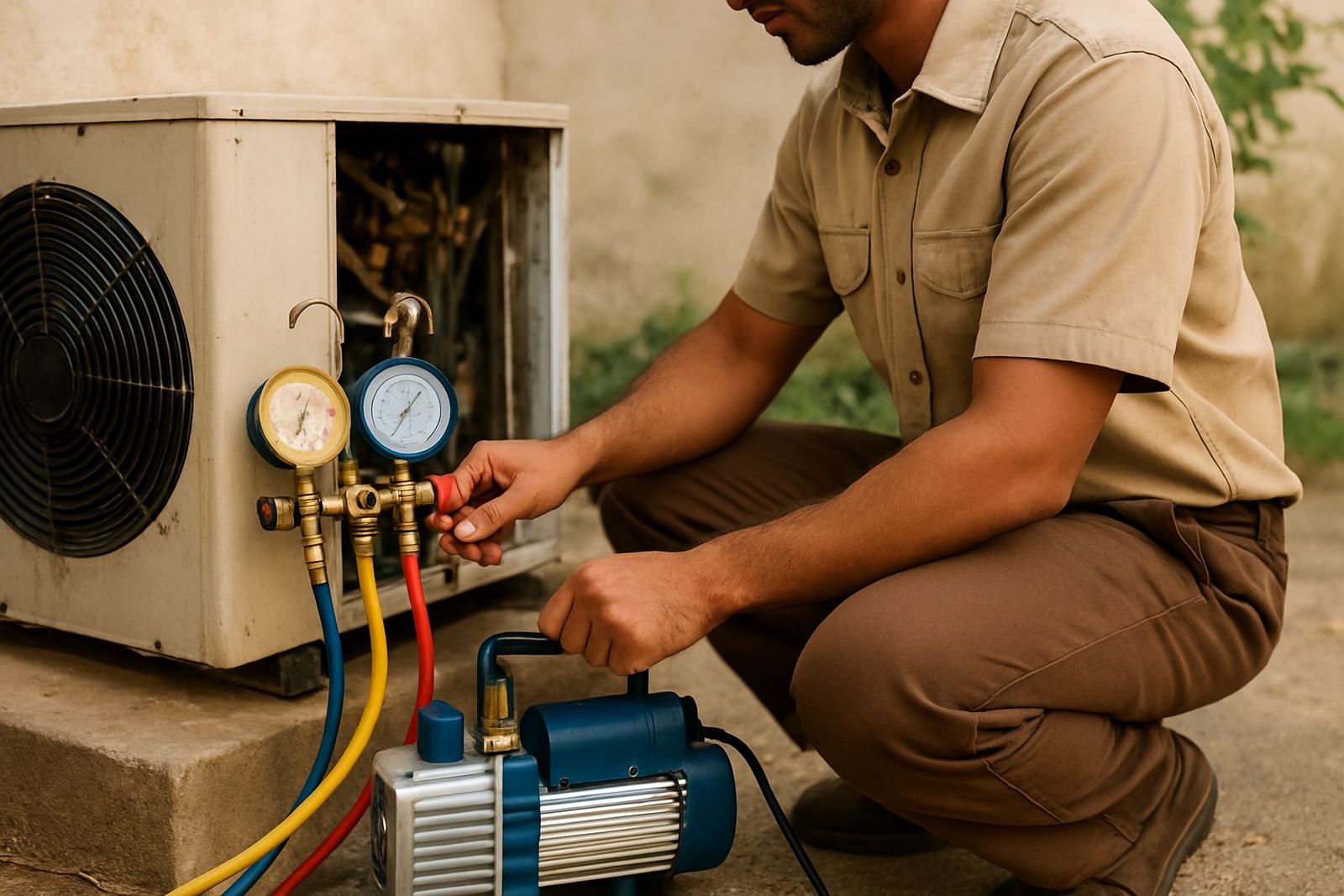
When the current gas is being phased down, hard to source, or increasingly expensive, a conversion should be part of the discussion. If a system already has leak history, there is little value in topping up the same refrigerant again and again. In those cases, a low-GWP conversion can lower environmental impact while making future servicing simpler.
This is not just about the gas in the cylinder. The whole circuit must be checked for oil compatibility, expansion device performance, seals, pressure settings and controls. Some plants can be converted with limited interruption, while others need a fuller overhaul. The age of the plant, the condition of the pipework and the intended operating temperatures all matter. You do not want a shortcut that causes more trouble later, nogal.
- Current refrigerant is expensive, restricted or difficult to source
- Leaks keep returning after repairs
- The plant is sound enough to upgrade, but not to keep patching
- You need a more future-ready system for compliance and maintenance planning
Cold rooms that fail under pressure
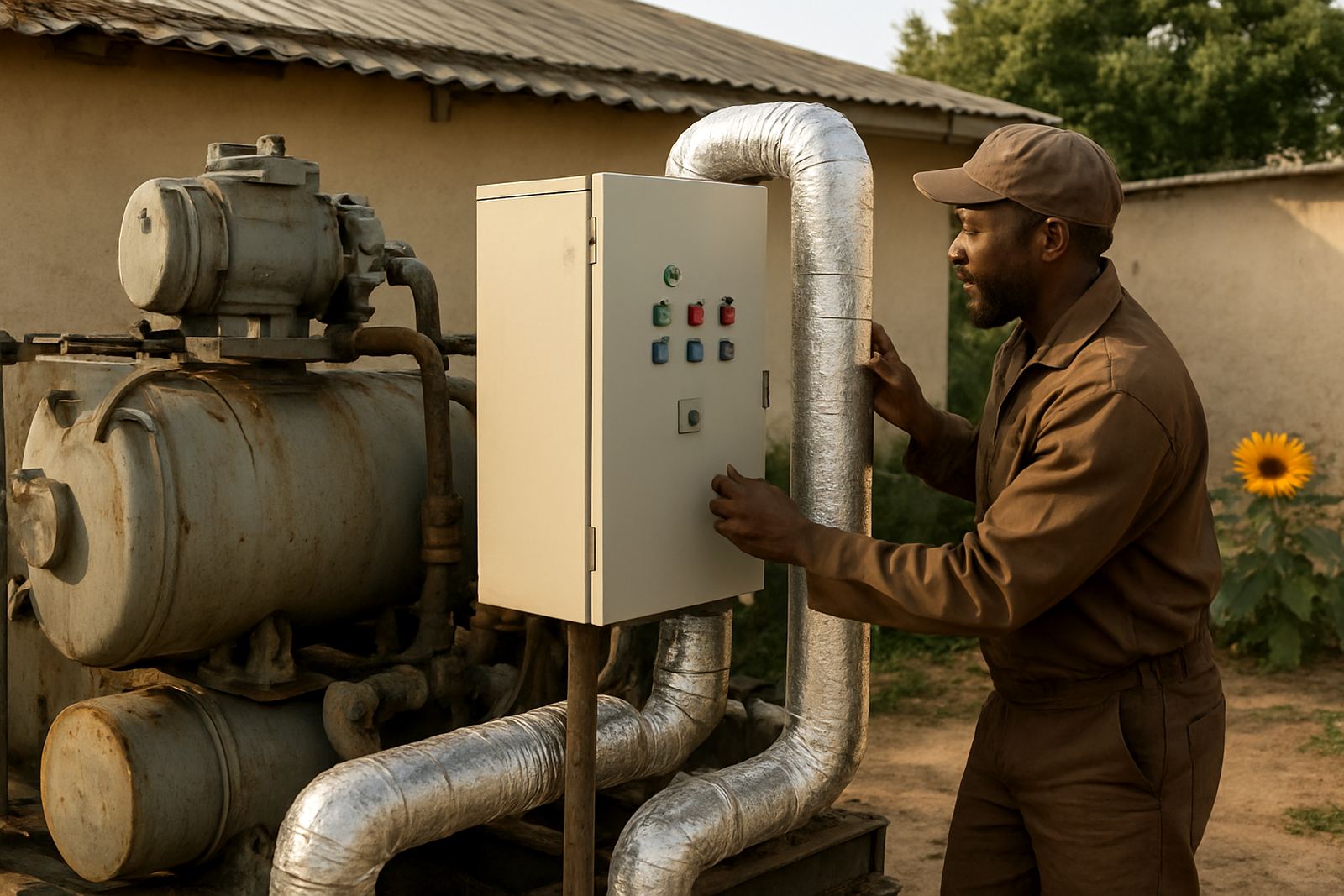
Cold room problems are often the first place a retrofit conversation starts. If panels are sound, but the refrigeration package is underperforming, there may be no need to rebuild the room itself. Instead, better controls, new monitoring, leak repairs and a more efficient cooling setup can restore stable temperatures without a full strip-out.
Watch for warm spots, icing on coils, water on floors, doors that stay open too long, or stock that is at risk during a power cut. In coastal areas such as Jeffreys Bay and Port Alfred, humidity adds extra strain too. If your system is battling damp air and frequent openings, a retrofit can improve pull-down times and reduce strain on the compressor.
- Temperature swings that show up on log sheets
- Ice build-up on the evaporator or around the door frame
- Moisture, corrosion or rust on exposed components
- Repeated complaints about product freshness or spoilage
A Gqeberha example: when a partial fix is not enough
A food distributor in Newton Park might start with what looks like a simple fault: one weak compressor, poor airflow and a few leak points. After two service visits, the same room is still struggling to hold temperature, and the electricity use has climbed. At that stage, another repair can feel cheaper on paper, but the business is already losing money through spoilage risk and overtime.
In a case like this, a retrofit plan can include leak detection, coil cleaning, control upgrades, a refrigerant conversion and temperature monitoring. The result is not just a colder room, but a system that is easier to manage during peak summer heat and during outages. For businesses in Uitenhage, Despatch and the wider Nelson Mandela Bay area, that kind of planning often makes more sense than waiting for the next failure.
How to decide before the next breakdown
The right time to retrofit is usually before the system gives out completely. If you wait until the cold room has failed, the choice becomes rushed and product losses can push the decision for you. A planned assessment gives you time to compare repair cost, operating age, parts availability and future running expense.
Use a simple rule of thumb. If the plant is older, leak-prone, expensive to run and difficult to maintain, a retrofit is worth a serious look. If the equipment is still reliable, with one-off faults and good efficiency, planned maintenance may be enough for now. A site visit, load review and energy check can show which path is practical.
- Age and condition of the compressor, controls and pipework
- Frequency of breakdowns over the past 12 months
- Evidence of rising power use or poor temperature control
- Availability of parts, gas and skilled support in your area