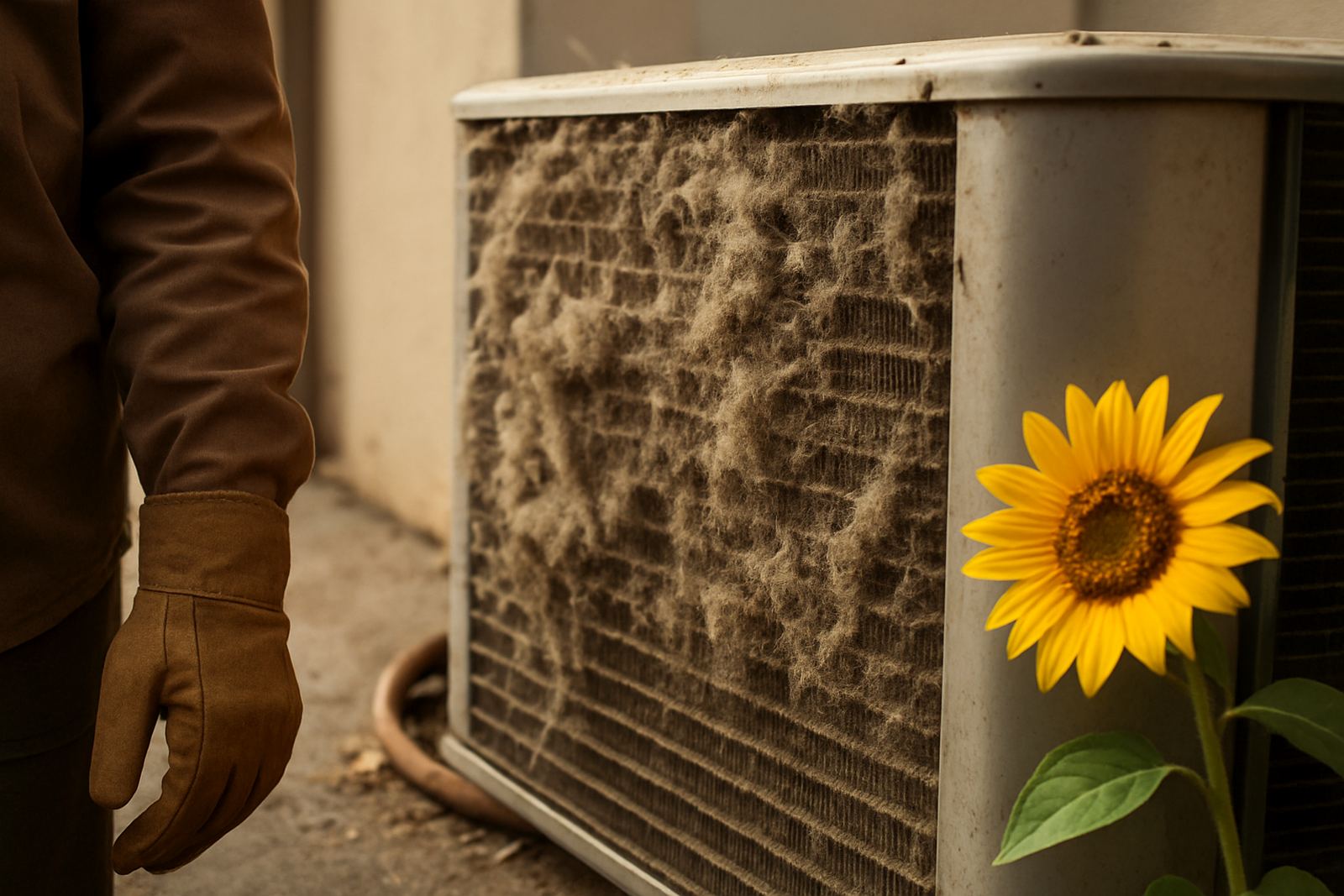
When the condenser starts to load up with dust and salt
In Gqeberha and along the coast, condensers pick up more than ordinary dust. Salt air, paper fibres, grease from nearby kitchens and fine dirt from open yards all settle on the coil fins and block heat release. Once that layer builds, the unit has to work harder to dump heat, which pushes up electricity use and shortens compressor life.
A dirty condenser is common in supermarkets, bottle stores, butchery cold rooms, packhouses and any plant room close to a driveway or workshop. If the unit sits in a windy area or near the ocean, the signs can appear faster than many owners expect.
The first warning signs people usually miss
The early clues are often practical, not dramatic. Staff may notice the cold room takes longer to pull down after loading, or a chiller runs almost without stopping during a normal day. Sometimes the product is still cold, but only just, and the machine sounds busier than usual.
- Longer run times before set temperature is reached
- Higher than normal power bills without a change in usage
- Hot air blowing off the condenser is weak or uneven
- Fan motors sound strained, rattly or start and stop often
- Ice or heavy frost appears elsewhere because the system is overworking
If these signs show up together, it is worth checking the condenser before the fault spreads into more expensive parts.
What a dirty coil does to running costs
A condenser that cannot breathe properly forces the system to reject heat at a higher pressure. That means longer compressor run times, higher amperage, and more wear on contactors, capacitors and motors. In practical terms, you pay more every month while getting less cooling for the same load.
It also makes temperature control less stable. A room that should hold 2 deg C may drift higher during busy periods, and a freezer may struggle after door openings or during load-shedding recovery. The less room the system has to recover, the more likely you are to see nuisance trips and product risk.
Simple checks you can do before calling a technician
You do not need special tools to spot a problem early. A quick visual check can save time and stock. Look at the coil face, fan guards and base area for build-up, then listen for changes in tone. If the fins are grey, oily or packed with fluff, the coil is already losing efficiency.
- Check whether the space around the condenser is blocked by boxes, bins or wall clutter
- Look for leaves, plastic wrap, feathers or cardboard dust on the coil
- Confirm that all fans are spinning and not cycling oddly
- Watch whether the system recovers slowly after doors are opened
- Compare current power use to the same month last year, if records are available
In coastal sites, a light dusting can turn into a sticky crust quickly, so even a coil that looks only partly dirty should not be left for months.
A Gqeberha example from a busy cold room site
A fresh produce store in Newton Park called after noticing a small rise in temperature on the log sheet and a chiller that seemed to run through tea time without a proper break. The stock was still within range, so the issue was put aside. When the coil was inspected, the condenser face was carrying salt, dust and lint from daily deliveries, and airflow was badly restricted.
After cleaning, the system pull-down improved, the compressor current dropped and the room stopped overshooting on hot afternoons. The owner had expected a gas problem, but the real issue was fouling on the condenser and poor maintenance intervals. That kind of problem is easy to miss until it costs real money.
How to keep it from happening again
Prevention is cheaper than emergency repairs. A planned maintenance routine should include coil cleaning, fan checks, electrical inspection and a look at airflow around the unit. For plants near the coast or in dusty industrial areas, the service interval often needs to be tighter than once a year.
It also helps to keep the area around the condenser clear by at least 1 metre where possible, and to avoid stacking stock or packaging against the discharge side. If your system is older or the energy bills keep creeping up, a control upgrade or energy audit can show whether the condenser, fans or operating settings are part of the problem.
- Clean coils before the hot season starts, not after breakdowns begin
- Check filters, louvers and fan blades at the same visit
- Log running hours and temperatures so changes are easier to spot
- Book leak detection if pressure and performance keep drifting