Why small temperature swings cause bigger production problems
In process cooling, a few degrees can change everything. If a line depends on chilled water, controlled air or consistent product temperatures, even a short drift can affect output, cause rejects or force operators to slow the plant down. That is costly on any day, but it hurts more when orders are tight and labour is already stretched.
We see this in food plants, packhouses, chemical rooms and light industrial sites across Gqeberha, Despatch and Uitenhage. When the cooling side is not holding steady, teams start compensating on the production side. That usually means more manual checks, more waste and more pressure on staff.
What keeps a process cooling system steady
Stability comes from the full system working as one. A compressor can be healthy but still struggle if airflow is poor, controls are drifting or coils are clogged with dust, fibre or coastal salt. In Newton Park and along the coast, corrosion and humidity can shorten the life of fittings, wiring and sensors if nobody is checking them properly.
Good stability usually depends on a few basics being right:
- Correct refrigerant charge and no active leaks
- Clean evaporator and condenser coils
- Accurate control settings and sensors
- Reliable pumps, valves and fans
- Regular checks on temperatures, pressures and run times
If one item slips, the whole system can start hunting. Then you get temperature drift, short cycling or longer pull-down times after peak demand.
The maintenance habits that prevent unplanned stops
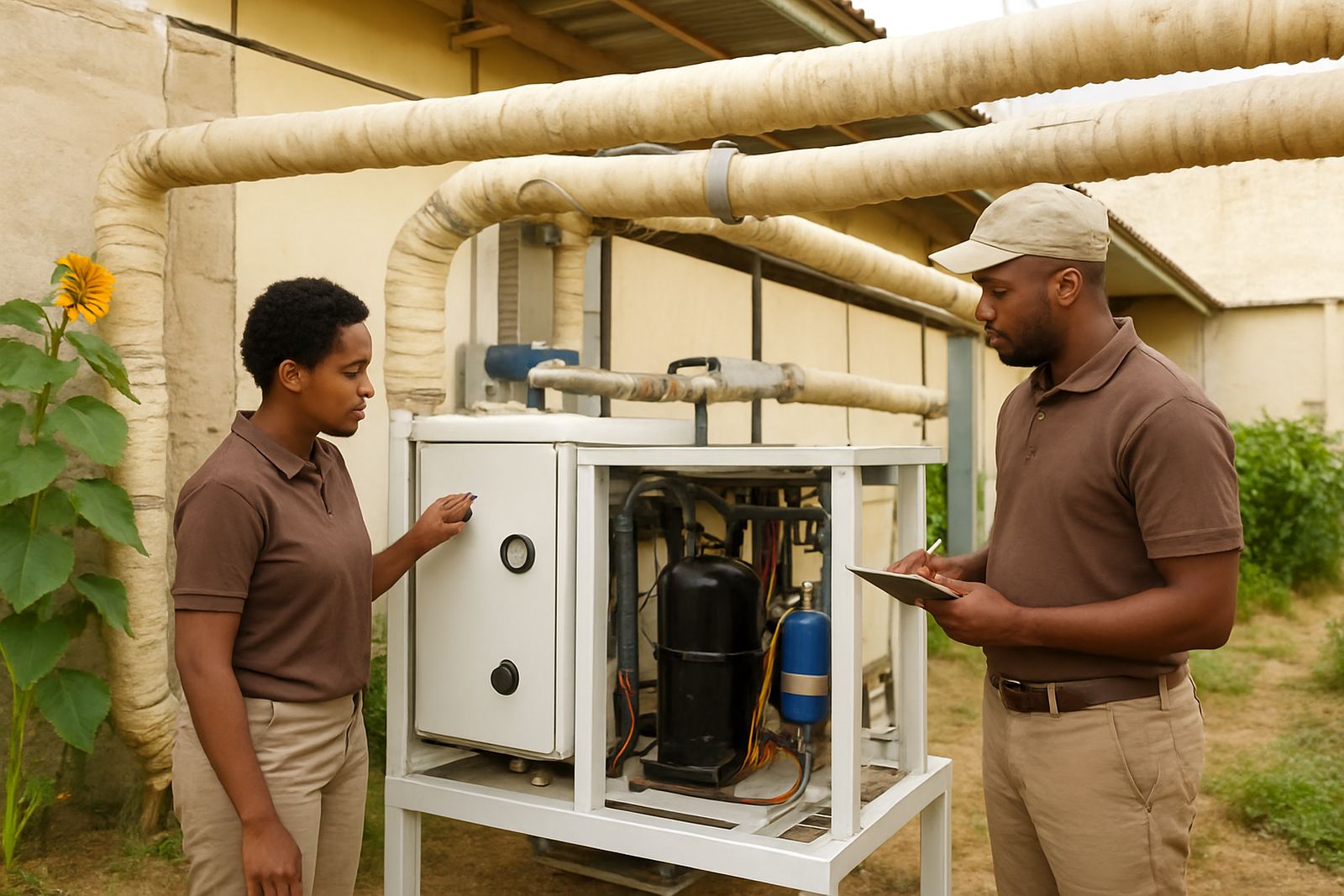
Planned maintenance is not only about keeping equipment alive, it is about protecting production hours. A proper service should include inspection, cleaning, leak detection, control checks and a record of readings so changes can be tracked over time. On sites with 24 hour operations, this gives supervisors a clearer picture of what is normal and what needs attention before it becomes an emergency.
For plants in Jeffreys Bay, Port Alfred and Graaff-Reinet, the conditions are not all the same. Coastal air, dust, long pipe runs and power interruptions all place different demands on a system. That is why a monthly visual check is never enough on its own. You need a schedule that fits the plant, the load and the local conditions.
- Check temperature logs at the same time each day
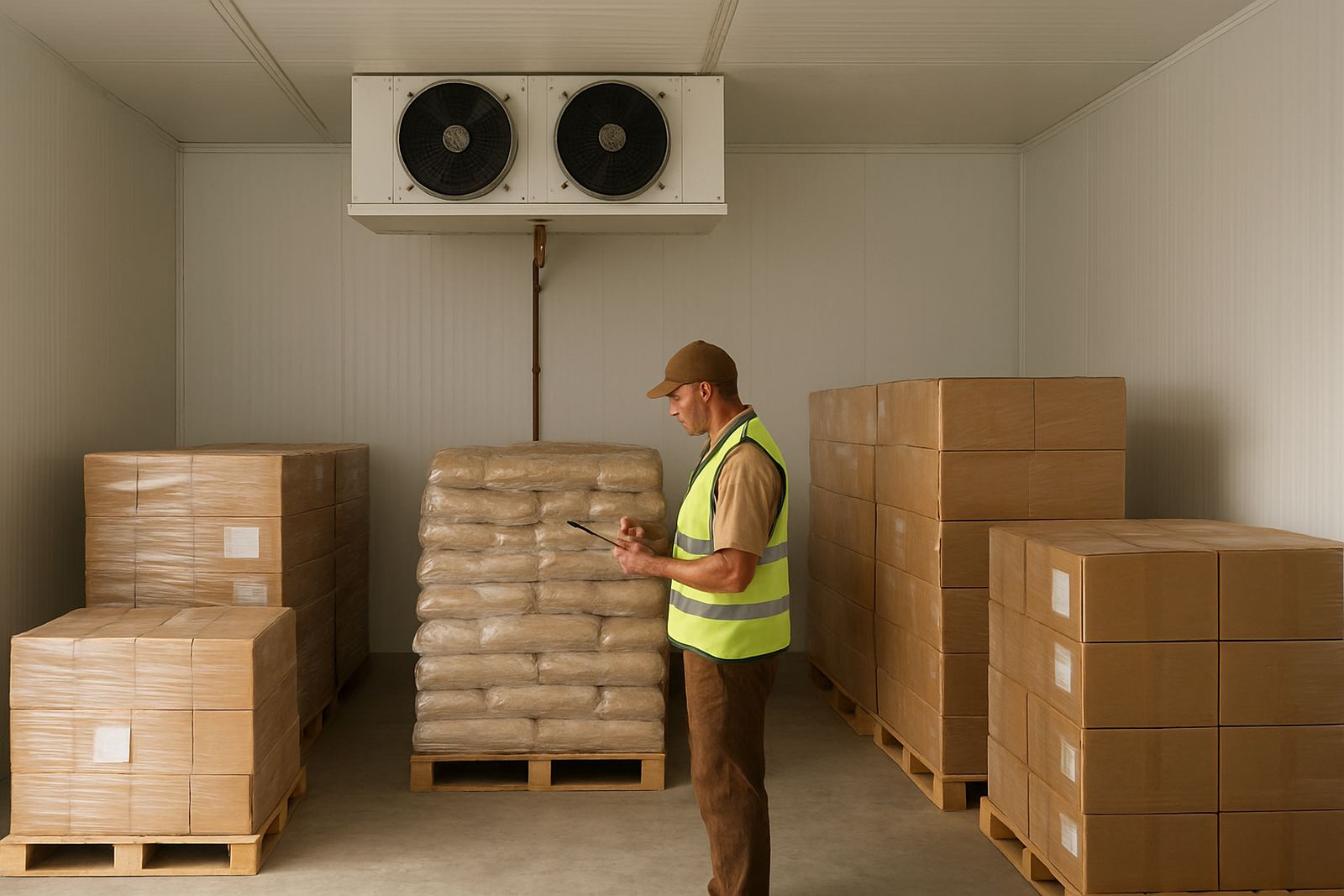
- Inspect door seals, panels and insulation on cold rooms
- Clear coil faces and drain paths before they block
- Test alarms and temperature monitoring points
- Record odd noises, icing, high amps or slow recovery after door openings
How low-GWP conversions and retrofits support stability
When older equipment becomes costly to run or difficult to service, a well planned conversion or retrofit can improve both efficiency and control. Low-GWP gas conversions are often done where the existing plant still has useful life left, but the refrigerant choice or operating costs are no longer ideal. The key is to assess the full system first, not just swap gas and hope for the best.
Energy-saving chiller retrofits can also help when a plant is fighting high electricity use or inconsistent performance during load-shedding and recovery periods. Better controls, improved components and tighter monitoring often give operators more steady temperatures with less wasted run time. It is not about chasing the newest gear, it is about making the current plant behave better.
A Gqeberha example from a busy production line
At one Newton Park client site serving a temperature-sensitive production process, the team was dealing with repeated afternoon drift and a pattern of short shutdowns after power interruptions. The line would restart, then struggle to pull back to set point before the next batch needed attention. Operators were checking product by hand and production was losing time each week.
After leak detection, coil cleaning, control adjustments and a targeted service on the chilled water side, the system began holding temperature more consistently. A temperature monitoring review also showed that one sensor was reading late, which had been masking the true issue. Once corrected, the plant had fewer alarms and better recovery after stops, which gave the supervisor more confidence in planning shifts. It was not a glamour fix, just proper work done in the right order.
When to call for help before the next breakdown
Do not wait for a full stop if the signs are already there. If your system is taking longer to reach temperature, icing up in odd places, drawing more power than usual or cycling in a way that looks wrong, it needs attention. The same applies if a cold room starts running warm on one side, if control settings keep drifting or if staff are logging repeated resets.
For sites in Gqeberha, Uitenhage, Despatch, Jeffreys Bay, Graaff-Reinet and Port Alfred, a local response matters because every hour of delay can affect stock, labour and delivery commitments. Early action often means a repair instead of a major shutdown.
- Emergency breakdown response for urgent failures
- Planned maintenance to reduce repeat faults
- Control upgrades for tighter temperature control
- Energy audits to find waste and weak points
- Temperature monitoring for better daily oversight
A steadier plant starts with a clearer maintenance plan
Process cooling stability is not a once-off job. It is built through regular servicing, careful fault finding and upgrades that match the way the plant really runs. If the cooling side is stable, production teams can focus on output instead of fighting temperature problems.
At Nvirocool, based in Newton Park, Gqeberha, our team supports process cooling with maintenance, repairs, conversions, audits and monitoring across the Eastern Cape. For a plant that must keep its product within range, steady cooling is not a luxury, it is part of getting the day’s work done right.