Why the coast shortens equipment life
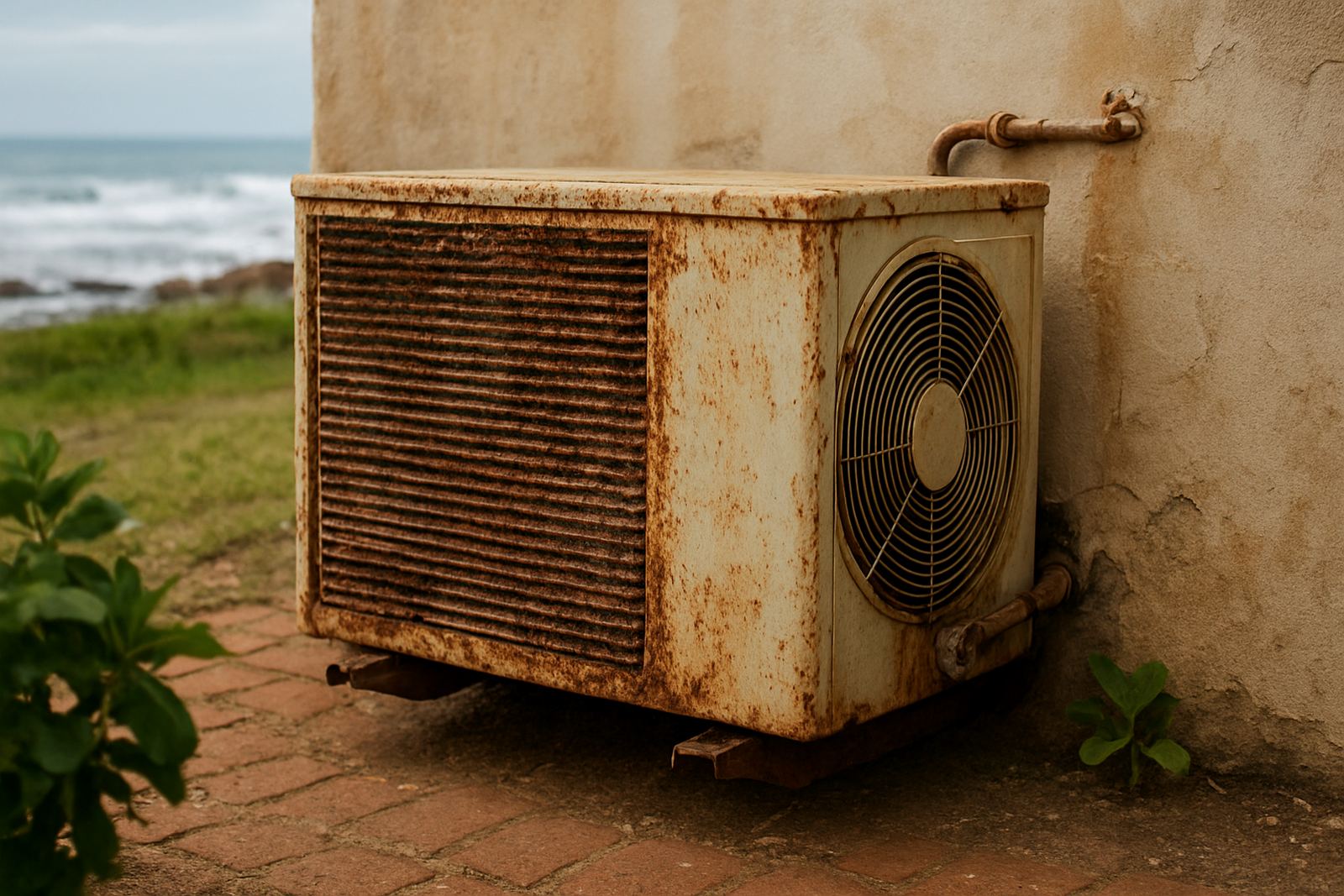
Coastal corrosion is not only a problem for visibly seaside sites. In the Eastern Cape, a site a few streets inland can still carry salt on the air, especially when the wind comes up and the weather turns damp. That salt settles on condenser coils, fan guards, wiring terminals, control boxes and brackets. Once moisture sits with that salt, the metal starts to pit and the damage builds quietly.
We see it often on rooftop units and outdoor condensing sets in Gqeberha, Uitenhage and Jeffreys Bay. A unit may still be cooling, but the casing has started to blister, fasteners are turning brown and the coil face is clogging faster than expected. If a system is already working hard during summer heat or load-shedding recovery, corrosion can push it into a breakdown sooner than planned.
The tricky part is that many owners only notice the problem when a fan motor fails or a leak shows up. By then, the repair is usually more than a quick service. Coastal care is about catching the early signs, before salt and moisture have time to eat into the weak points.
Parts that suffer first on outdoor systems
Some components take the strain long before the main compressor shows trouble. On roof and yard installations, the first damage normally appears in exposed metal, joins and electrical points. A simple clean can help, but only if it is done properly and often enough.
- Condenser coils that collect salt film and dust, which cuts heat transfer
- Fan blades and guards that rust at the edges and wobble over time
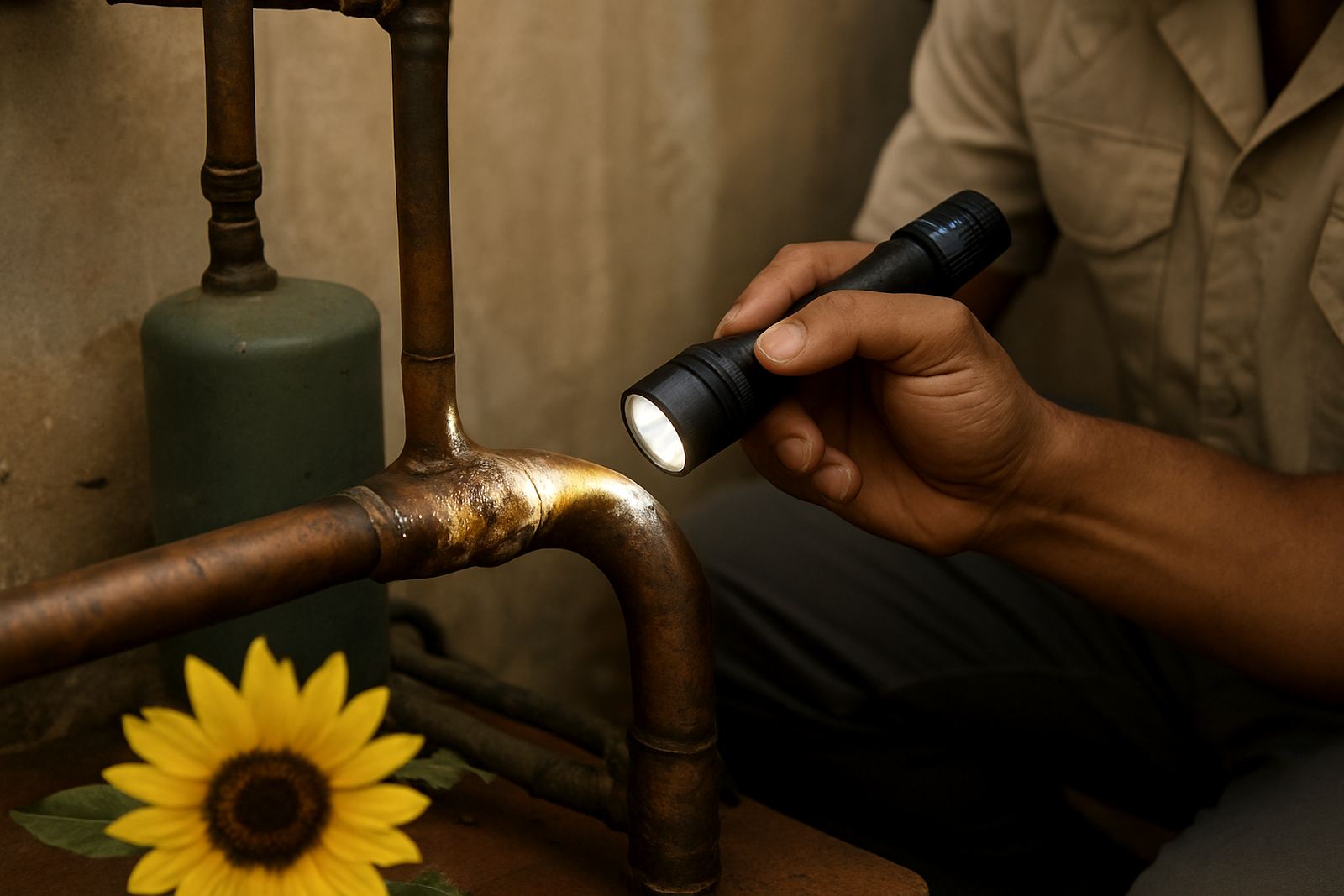
- Electrical terminals and isolators that corrode and cause poor contact
- Mounting frames, bolts and trays that weaken under constant damp air
- Sensor housings and control enclosures where condensation gets trapped
When these parts start to fail, the whole system works harder. Energy use goes up, temperatures drift and the compressor cycles more often. That is bad news for cold rooms, bottle stores, abattoirs, packing areas and any business that depends on steady product temperature.
What salt air does to running costs
Corrosion is often treated as a cosmetic issue, but the cost shows up on the meter. A coil with salt build-up cannot reject heat properly, so head pressure rises and the compressor draws more current. Fans run longer. Controls try to compensate. In a busy site, the change may only look like a small increase, but over a month or two it becomes very real.
For a chiller retrofit, corrosion can also reduce the value of the upgrade if the outdoor section is left untreated. There is no point fitting energy-saving controls and then leaving corroded coils, loose terminals and tired insulation in place. The savings will get eaten by poor heat transfer and repeat call-outs.
In older plants around Newton Park industrial yards and warehouse roofs, we often find systems that have been patched for years. The equipment still runs, but the salt has not stopped. If the maintenance plan does not include coastal cleaning and inspection, the site starts paying for small faults again and again. It is better to budget for prevention than to keep replacing minor parts every few months.
Simple checks that help coastal sites stay ahead
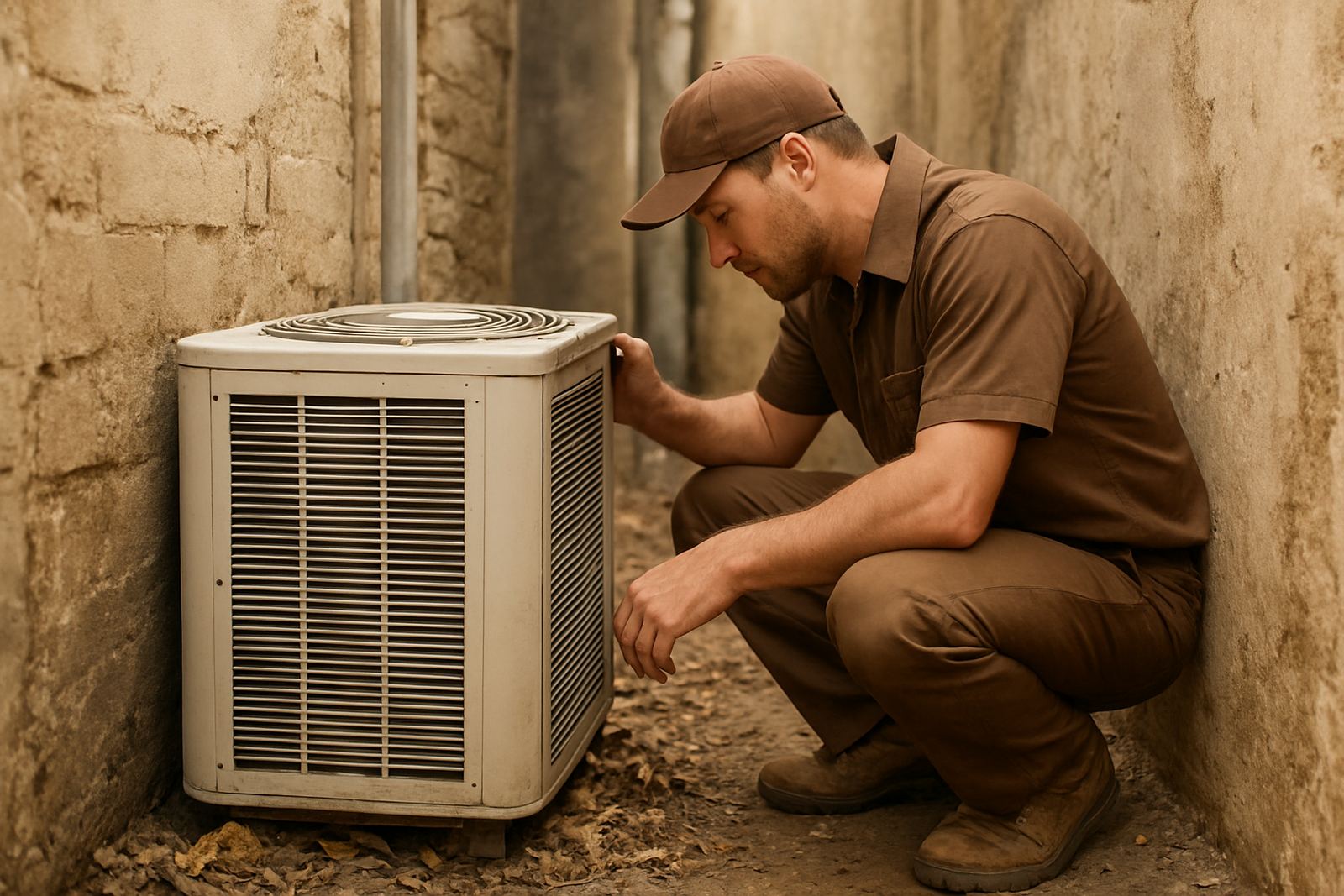
Good coastal maintenance is practical and regular. You do not need fancy methods, just a firm schedule and the right checks after wind, rain and long hot spells. Sites close to the beach may need more attention than inland sites, and that includes plant rooms that open onto loading bays or exposed yards.
- Wash condenser coils with the correct pressure and cleaner, not a harsh blast that bends fins
- Inspect all terminals, glands and cable entries for white powder, rust or loose seals
- Check fan guards, brackets and base frames for early pitting or flaking paint
- Test sensors and control settings after heavy humidity or storms
- Replace damaged fasteners with suitable corrosion-resistant fixings where possible
A proper planned maintenance visit should also include temperature checks, airflow checks and a look at drain lines. Coastal humidity can cause extra condensate, and blocked drains can lead to tray corrosion, ice build-up and slippery floors. That becomes a safety issue as well as a refrigeration one.
A local example from Jeffreys Bay
At a chilled storage site in Jeffreys Bay, the owner called in because the system was using more power and the product room was taking longer to pull down after deliveries. The compressor was still operating, but the outdoor condenser had a heavy salt film, the fan shroud had started to rust and a few terminals were showing early corrosion. The site was not right on the beach, yet the prevailing wind had done enough over time.
After cleaning, a closer inspection and a set of targeted repairs, the unit settled back into normal operation. The team also introduced a tighter maintenance cycle and a basic temperature monitoring routine. That gave the owner better warning when performance shifted, instead of waiting for a call-out at the worst possible time. A small fix done early saved a bigger repair later, which is exactly the point of coastal care.
This kind of work matters just as much in Port Alfred, Graaff-Reinet and Despatch, where local conditions differ but exposure still builds up. The exact pace of corrosion changes from site to site, but the pattern is the same: salt, moisture and dirt work together, and they do not need much help.
When a retrofit makes sense
Not every corroded system needs replacement, but some outdoor assemblies are simply too far gone for another patch-up. That is when a retrofit becomes sensible. A planned upgrade can include control changes, better monitoring, improved electrical protection and a low-GWP gas conversion where the equipment and application allow it. If the outdoor section is also cleaned up and reconditioned, the site gets a much better result.
For older chillers and cold-room systems, an energy audit can show whether corrosion is only one part of a bigger efficiency problem. Sometimes the real issue is poor airflow, oversized cycling or controls that no longer suit the load. Other times the system has the right size, but the salt exposure has forced it to run below its best for years. An audit gives the facts, not guess work.
Where the equipment is near the coast, the upgrade plan should include protection for the future, not only the next month. That means suitable coatings, cleaner routing of pipes and cables, regular checks, and a service plan that takes Gqeberha weather seriously. If a site manager is trying to keep food safe through summer, that level of care is not optional.
How Nvirocool supports Eastern Cape coastal sites
Nvirocool works from Newton Park in Gqeberha and supports sites across the Eastern Cape with planned maintenance, emergency breakdown response, cold-room repairs, chiller servicing, low-GWP conversions, leak detection, energy audits, coil cleaning, control upgrades and temperature monitoring. The team knows what coastal air does to outdoor equipment and what to look for before the damage spreads.
For site managers and business owners, the most useful step is usually a scheduled inspection before the busy season. That gives time to clean, repair and plan, instead of paying for a rushed breakdown call when stock is at risk. If your plant sits near the coast or sees salt-laden wind, it deserves a maintenance plan that matches the conditions.
For advice or to book a site visit, contact hello@nvirocool.co.za. A short check now can save a lot of trouble later, and a bit of care goes a long way on the coast.