What secondary cooling actually does on site
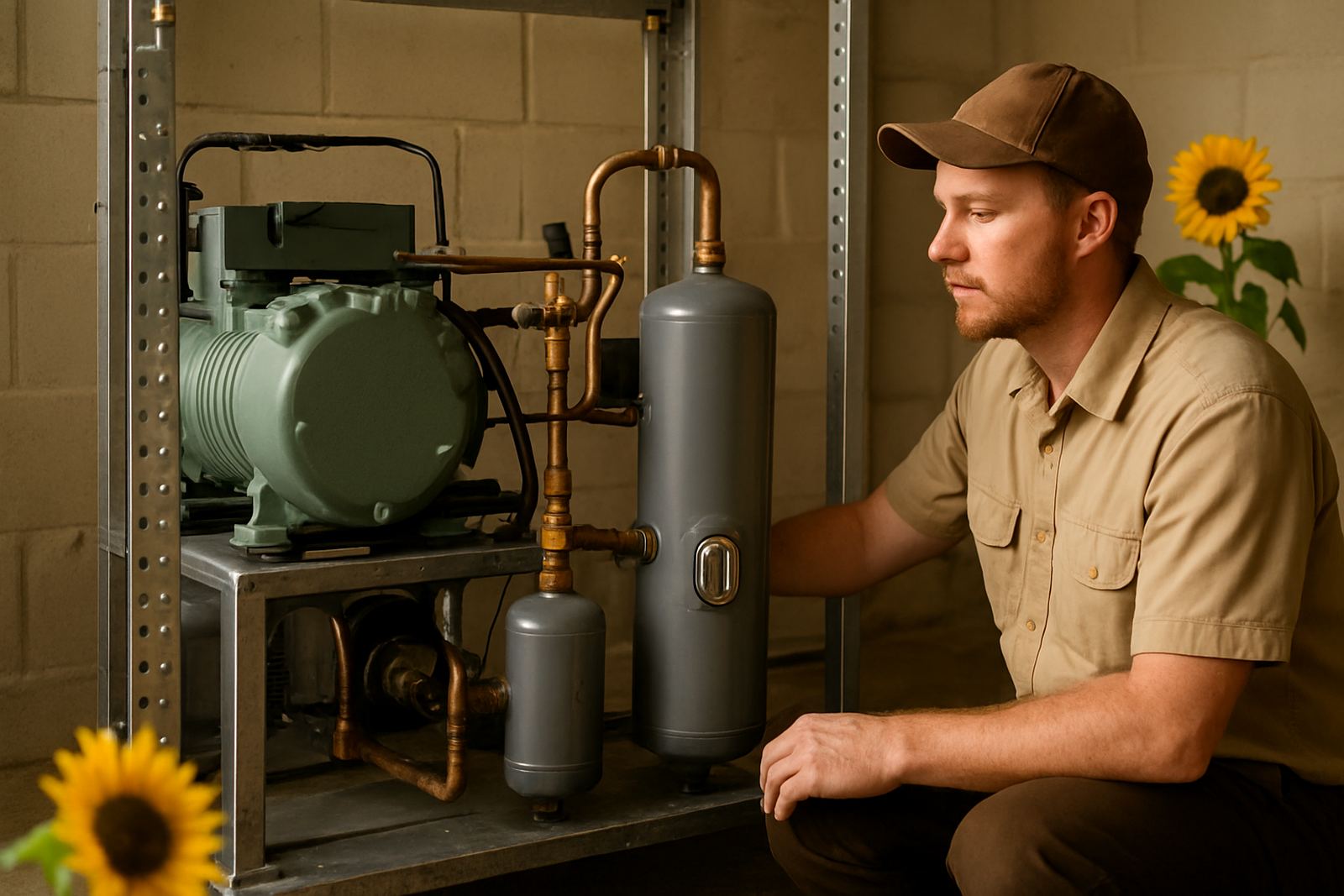
In many industrial plants, the refrigeration system chills a secondary fluid and that fluid then carries the cold to tanks, rooms or process equipment. This setup reduces the amount of refrigerant in circulation, keeps the main plant easier to service, and can make leak control simpler when a site is under pressure from compliance checks or production targets.
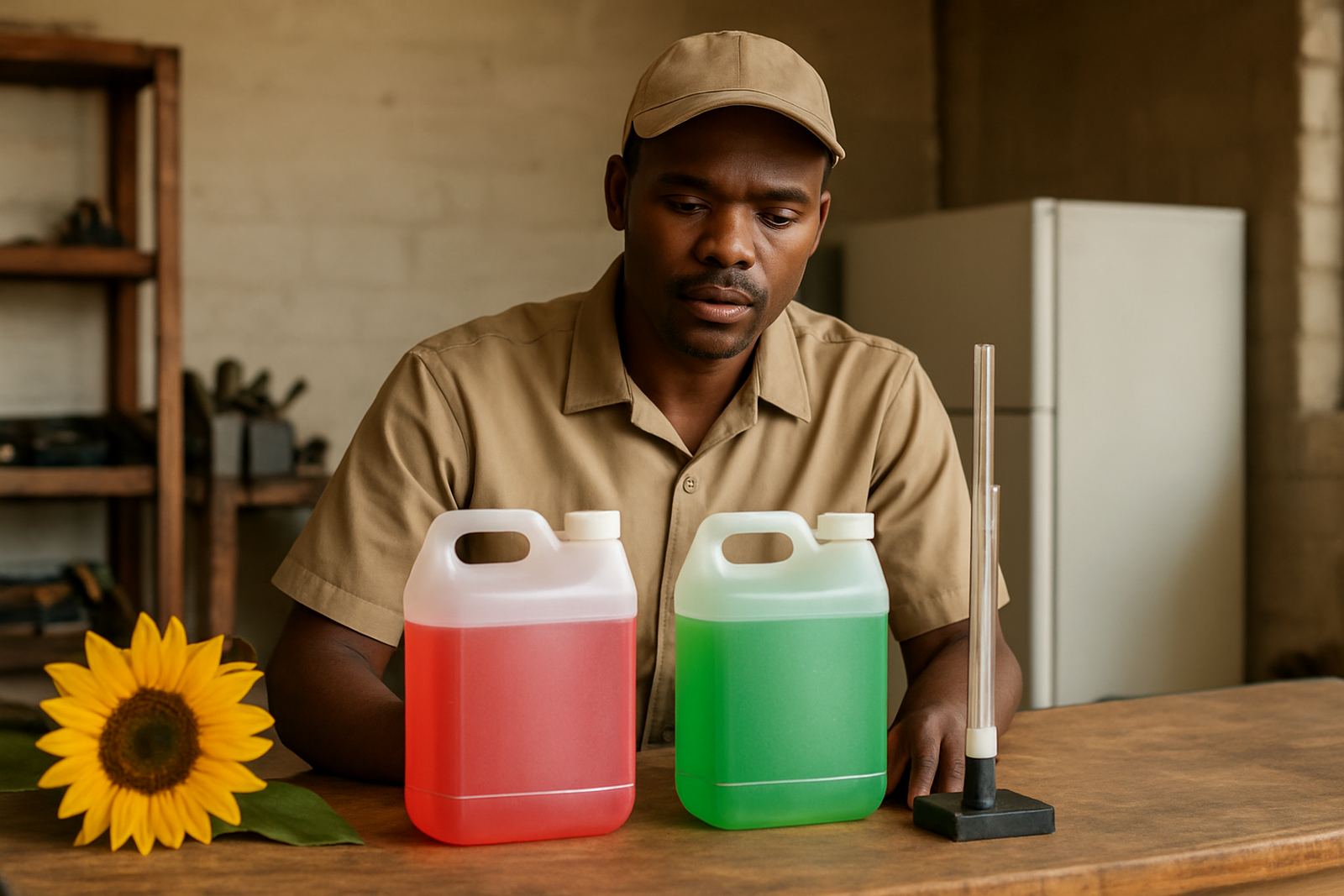
Brine and glycol both do this job, but they behave differently. Brine is usually a salt solution. Glycol is a water based mixture using an alcohol type fluid that is widely used for low temperature cooling loops. Both can be effective, but the right choice depends on the temperatures you need, the metals in the system, and whether the plant runs all day through summer humidity in places like Gqeberha or in colder inland conditions around Graaff-Reinet.
Brine: good for low temperatures but harder on metal
Brine suits some low temperature duties because it can carry cold well and can be formulated for demanding applications. The trade-off is corrosion. Salt solutions are aggressive on metals if concentration, pH and inhibitors are not kept in line. If a system has old steel pipework, mixed metals, or weak pump seals, brine can shorten component life and create repair work that keeps coming back.
In practice, brine systems need more regular testing than many owners expect. A small shift in concentration can affect freezing point, pump load and heat transfer. If staff only look at the plant when a breakdown happens, the damage can be expensive. On one cold room installation near the harbour, a neglected brine loop started attacking fittings and the client ended up replacing sections of pipe, not just topping up fluid.
- Best where very low temperatures are needed for a controlled process
- Can work well if the pipework is compatible and monitored closely
- Needs regular checks for corrosion, concentration and inhibitor levels
- Not ideal where maintenance is irregular or staff are stretched
Glycol: easier on equipment, but not a free pass
Glycol is often the safer choice for plants that want stable secondary cooling with less corrosion risk. It is commonly used in chilled water and low temperature loops because it is kinder to pumps, valves and heat exchangers than a salty mix. That said, glycol does not forgive poor maintenance. If the concentration is wrong, the freeze point shifts and viscosity rises, which means higher pumping energy and weaker heat transfer.
For many Eastern Cape sites, glycol is the practical middle ground. It handles temperature control well, it is easier to manage during planned maintenance, and it is usually better suited to systems where there are stainless and copper components together. The caution is that glycol degrades over time, especially when contamination enters the loop, so it must be sampled and tested rather than assumed to still be fine.
- Often preferred for HVAC plants, process cooling and ice rinks
- Lower corrosion risk than brine when the loop is well maintained
- Needs concentration checks, pH testing and fluid condition monitoring
- Can cost more upfront, but may reduce repair work over time
How to choose between the two on a real site
The decision should start with the temperature target, then the equipment, then the maintenance budget. If the plant needs very low temperatures and the loop is built for it, brine may still make sense. If the site wants a cleaner maintenance profile and has mixed metals or sensitive controls, glycol usually wins. Energy use matters too because a poorly chosen fluid can push pumps harder than expected and that shows up on the bill.
At a food processor in Uitenhage, for example, the site had frequent afternoon load shedding and needed a steady chilled loop for product holding. The plant had older pipework and a mix of materials, so a glycol based system gave better control with less corrosion risk. The team also added temperature monitoring and control upgrades, which helped catch warming events early when backup power was unstable.
Before changing any fluid, check these points:
- Lowest operating temperature and any freeze risk in winter nights
- Pipe and coil materials already on site
- Whether the loop is open to contamination or air ingress
- How often maintenance staff can test and record readings
- Any municipal discharge or environmental handling requirements
What maintenance teams should watch every month
Whether the plant runs brine or glycol, the biggest failures usually start small. A weak hose clip, a leaking valve, or a dirty coil can disturb the whole loop. In coastal air, especially closer to Jeffreys Bay and Port Alfred, salt in the atmosphere adds another layer of strain on fittings and electrical parts. That is why planned maintenance matters more than waiting for a warm room callout after product has already been affected.
Good records help too. Keep notes on concentration, top up volumes, pump noise, fluid colour and any unexplained pressure drop. If a client only calls after a breakdown, the technician has less to work with and the repair takes longer. A clean loop, proper coil cleaning and sensible leak detection can extend the life of either system. Small issues in the first year often become major repairs by year three if nobody is watching.
- Test fluid strength and pH on a set schedule
- Inspect pumps, seals, valves and expansion points
- Check for sludge, rust or cloudy fluid
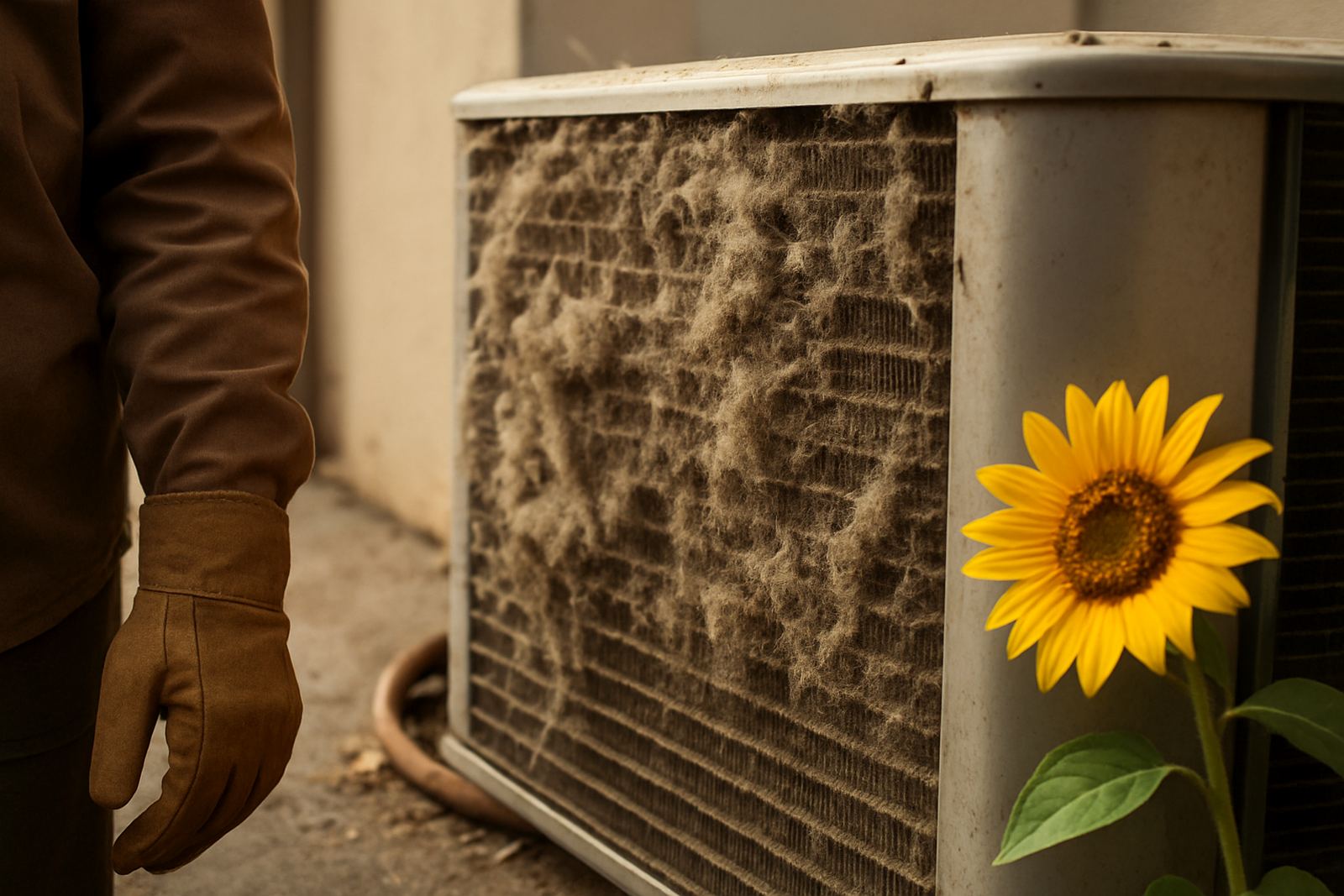
- Clean coils and strainers before heat transfer drops
- Log every top up so abnormal losses are easy to spot
Energy use, compliance and the case for retrofits
Older secondary cooling loops often waste money in two places: the fluid choice and the controls. A plant may be running a fluid that is not well matched to the duty, or it may have pumps and controls that were set years ago and never reviewed. A chilled system with constant pump speed can use far more power than it needs, especially where tariffs keep climbing and every unit counts.
That is why energy audits and chiller retrofits go hand in hand with fluid decisions. Sometimes the answer is not to replace the whole loop, but to improve insulation, upgrade controls, clean coils and set better operating bands. In some cases a low-GWP gas conversion on the main plant, combined with a better secondary fluid, gives the best balance of cost and environmental pressure. For industrial users in Gqeberha, that can make a real difference during summer peaks and unplanned outages.
A practical rule for Eastern Cape plants
If your site is lightly staffed and you want fewer corrosion headaches, glycol is often the safer everyday choice. If you are chasing very low temperatures and have a disciplined maintenance team with regular testing, brine can still do the job. The key is not to copy what another plant uses without checking your own pipework, load pattern and service access.
For many businesses around Newton Park, Despatch and the broader Eastern Cape, the best outcome comes from a proper site review before any fluid change. That review should look at the current loop, energy use, leak history and the condition of the controls. A few hours of planning can save weeks of repairs later, and it usually costs less than one bad breakdown in the middle of production.