Why a proper service history saves money
A refrigeration system can look fine on the day it is signed off, then start drifting over the next few months. Temperatures creep up, compressors run longer, and the power bill starts rising before anyone notices. That is where service records matter. They show the pattern, not just the latest fault.
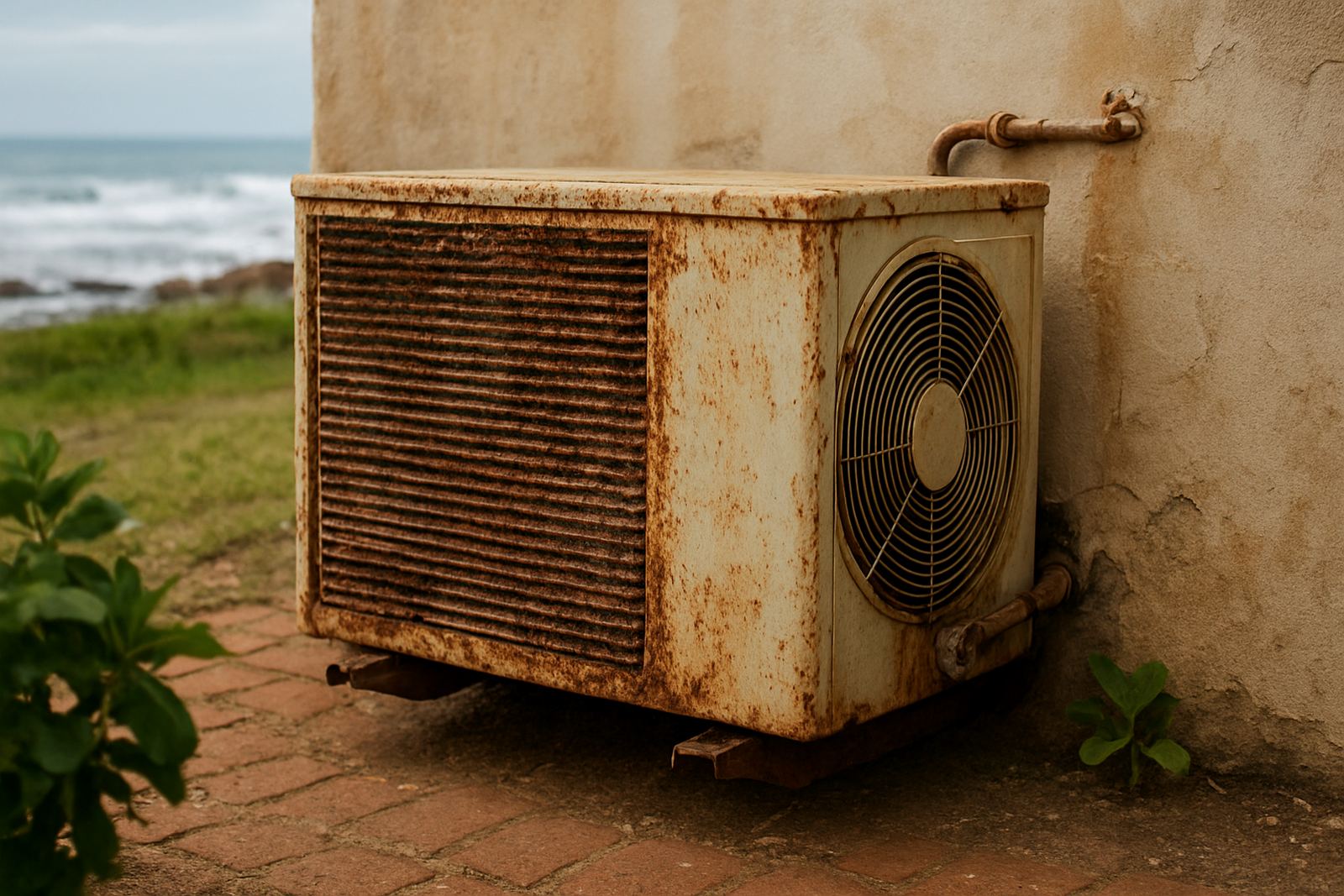
For sites in Gqeberha, Uitenhage and Despatch, that is especially useful because many systems work hard through coastal humidity, dusty loading areas and load-shedding starts and stops. A file with dates, readings, parts replaced and recommendations gives the next technician a clear picture. It also helps a business owner decide whether to keep repairing a unit or plan a retrofit in time.
What should be logged at every visit
Good records do not need to be fancy. They need to be complete and consistent. If the same details are captured every time, it becomes much easier to spot recurring faults, gas loss, control drift and poor maintenance habits. One missing note can hide a trend for months.
- Date, site name and the exact unit or room served
- Temperatures, pressures, amperage and any alarm codes
- Gas top-ups, leak findings and repair actions
- Coil cleaning, filter changes and fan checks
- Controls adjusted, sensors replaced or setpoints changed
- Any recommendation for planned maintenance or capital work
It also helps to note outside conditions. A chiller that struggles in summer at Port Alfred may behave differently to the same model inland near Graaff-Reinet. Those details matter when you are comparing one season to the next.
How records expose repeat faults
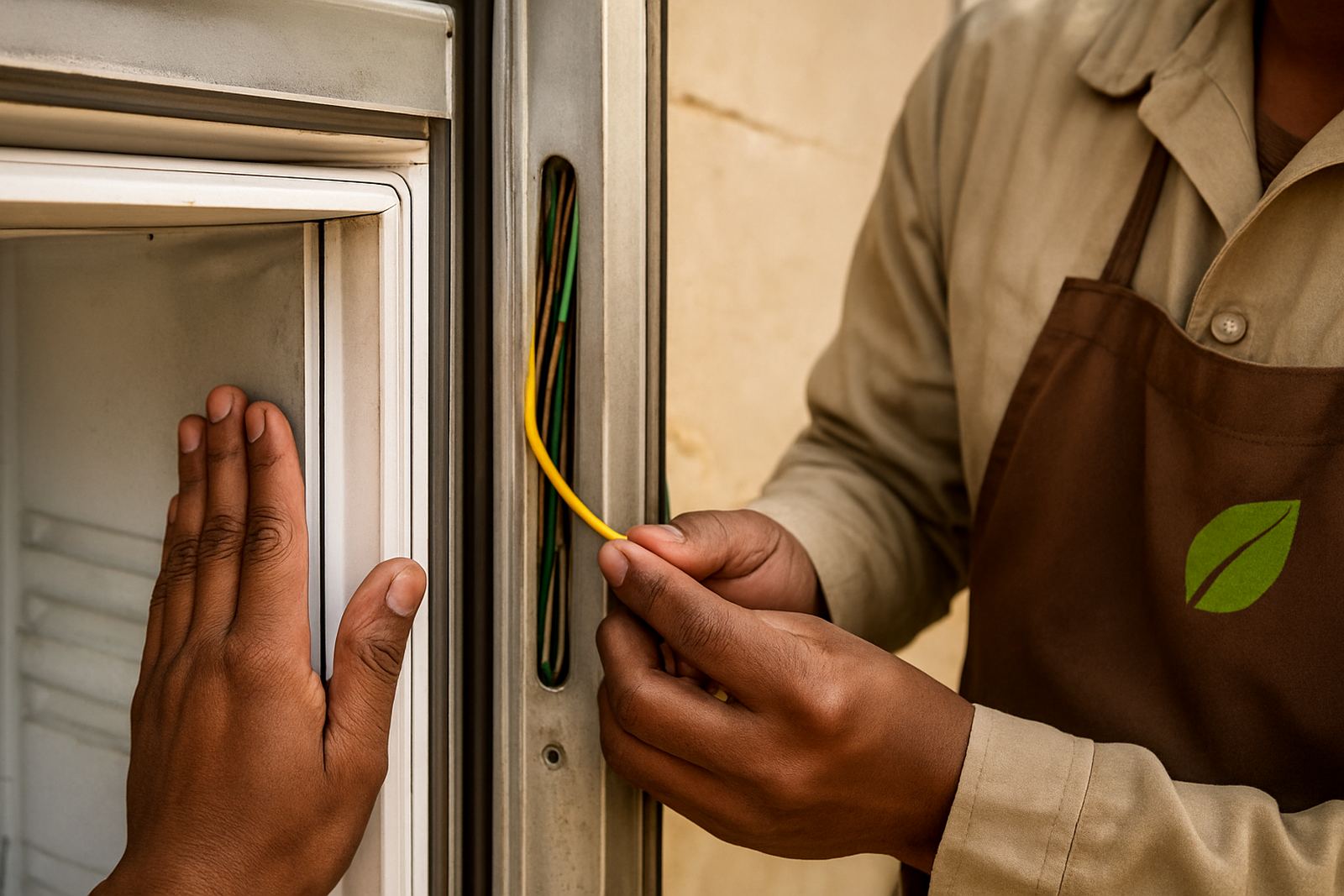
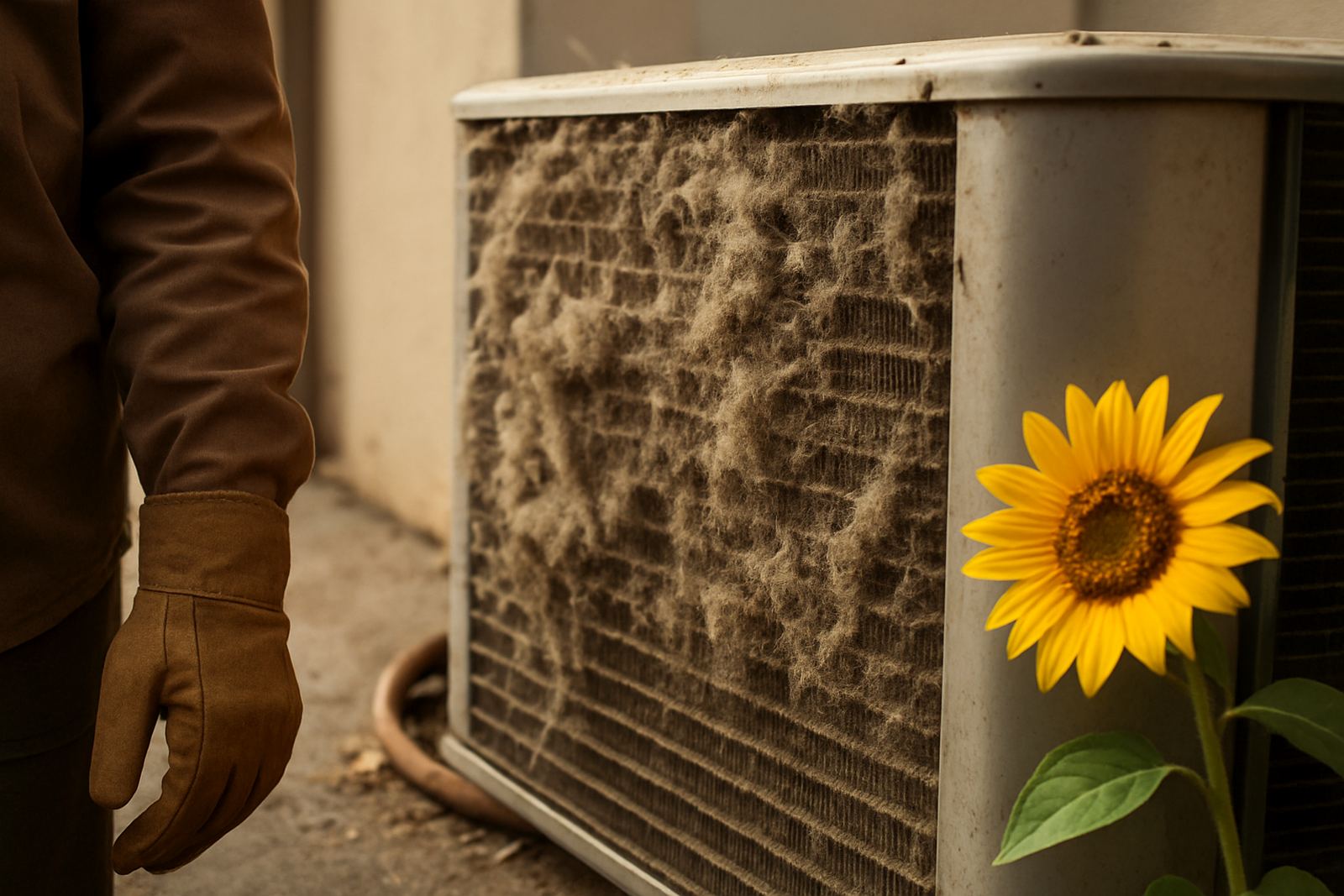
Some faults are not random. A door left open, a blocked drain, a damaged sensor cable or a dirty condenser can cause the same breakdown again and again. When service notes are kept properly, those repeats show up quickly. Then the real cause can be fixed instead of paying for the same call-out twice.
For example, if a cold room in Jeffreys Bay keeps losing temperature after each power cut, the records may show that the compressor restarts too hard, the contactor is wearing early, and the temperature alarm is not being checked after hours. That points to a control upgrade and monitoring plan, not just another emergency visit. In practice, that saves food stock, labour and a lot of frustration.
Service history also helps with warranty discussions, insurer claims and landlord conversations. If a tenant can show proper maintenance records, it is easier to prove that the fault was not caused by neglect. That paper trail can matter when a repair becomes a dispute.
Using old records to plan upgrades and retrofits
Many businesses wait until a unit fails completely before they think about replacement. Records can stop that. If a chiller is using more power every quarter, needs more frequent top-ups, or spends too long pulling down to temperature after a warm start, the system is telling you something. The numbers give a fair basis for planning a low-GWP conversion, a control upgrade or a staged retrofit.
That approach is practical for schools, food stores, small factories and cold rooms around the Eastern Cape. Instead of guessing, you can compare six months or two years of readings and see whether the spend is going into maintenance or into losses. A good record set should make questions like these easy to answer:
- Which unit has the highest repeat call-out rate?
- Which site uses the most power per operating hour?
- Which room needs the most temperature corrections?
- Are we spending more on repairs than the unit is worth?
Once those answers are on the table, the next step is much clearer.
Local conditions in the Eastern Cape change the maintenance plan
Cooling systems in the Eastern Cape face a mix of conditions. Coastal sites deal with salt air and moisture, while inland sites can have dust, heat and voltage fluctuation. Add municipal water issues, irregular generator changeovers and load-shedding, and the service record becomes more than a file. It becomes a planning tool.
At a Newton Park base, a technician may see one pattern in a cold room serving a butcher in Gqeberha and a different pattern at a storage site outside Uitenhage. The first may need more coil cleaning and drainage checks, while the second may need control verification and better temperature monitoring after power interruptions. The record shows where to focus before the next failure.
It also helps businesses stay ready for municipal inspections and hygiene checks. If a site can produce proper service history, it is easier to show that the system is being looked after and that temperature control is being taken seriously.
Keeping records that the team can actually use
A service log only works if it is easy to read and updated on time. Long reports that sit in a drawer are no help when a compressor trips at 5 am. The best records are simple enough for the service co-ordinator, the technician and the client to use without confusion.
At minimum, every file should show who attended, what was done, what still needs attention and when the next visit is due. If a site has multiple cold rooms or a chiller plant, label each unit clearly and keep the same naming system every time. That avoids mix-ups and makes trend checks much easier.
For busy operations, a regular review meeting is worth the time. Even 15 minutes every month can reveal a small issue before it becomes a major breakdown. That is usually cheaper than an emergency call after stock has already been affected.
What strong records tell you over time
After a year or two, the value of good records becomes obvious. You can see which equipment is stable, which site needs more attention, and which repairs are only buying a little more time. That gives a business a firmer footing when budgeting for service work, energy savings and replacements.
In the end, records are not about paperwork for its own sake. They are about knowing your systems well enough to make better decisions. For any site that depends on cooling to protect stock, service records are one of the cheapest ways to avoid waste and stay ahead of trouble.