What an air cooled chiller does on site
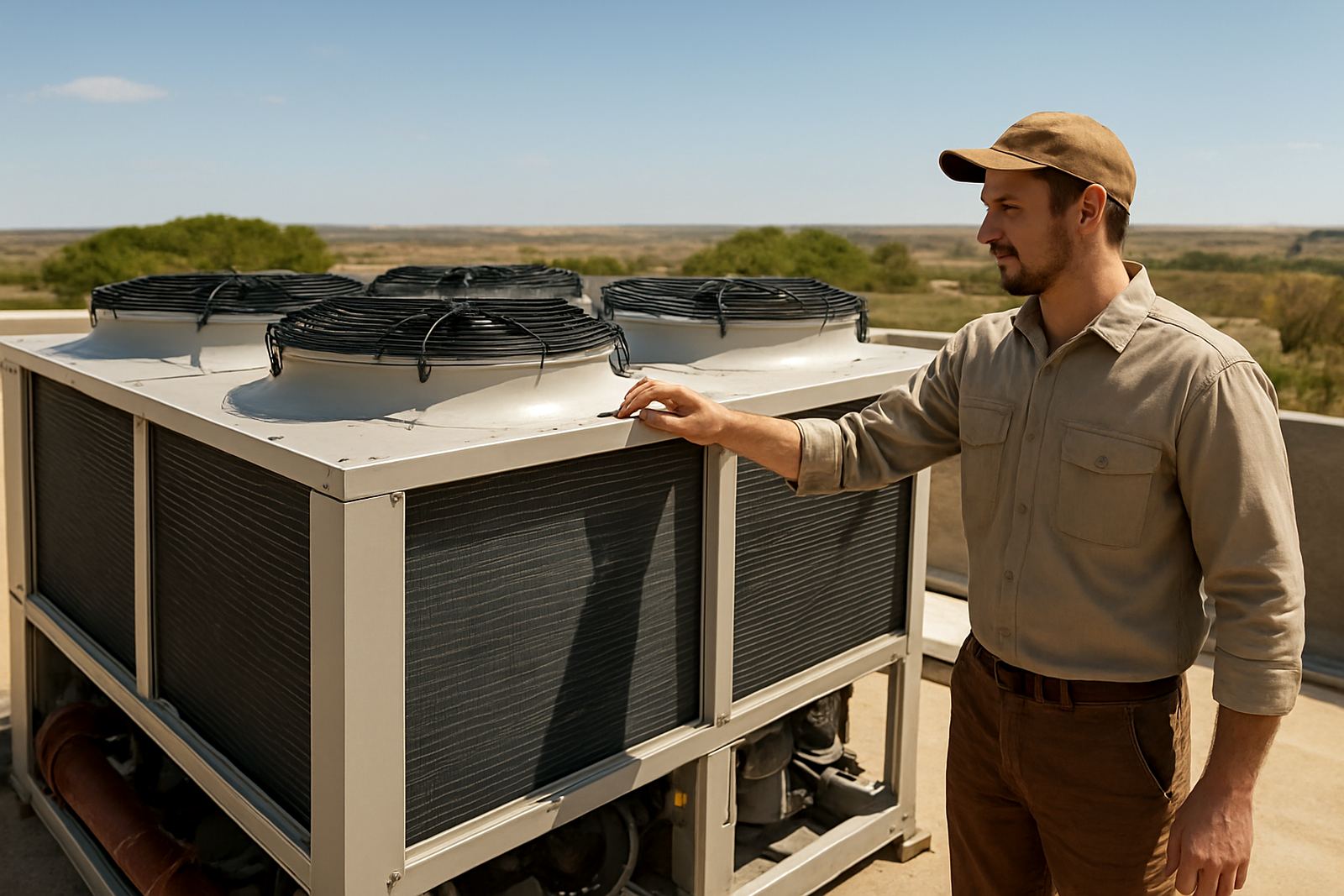
An air cooled chiller removes heat from water or another circulating fluid and rejects that heat into outside air through a condenser coil and fan section. The chilled liquid then serves air handling units, process equipment, cold stores, packaged cooling units or other plant that needs controlled temperatures through the day.
These systems are widely used where a water cooled plant would mean more plumbing, more water treatment and more maintenance. For many sites in Gqeberha, Uitenhage and Despatch that matters during dry spells, load-shedding and the push to cut operating costs without stopping production.
Sizes, capacities and common options
Air cooled chillers are supplied in a wide range of capacities from compact units for small buildings to multi fan systems for heavier process duty. The right size depends on the heat load, duty hours, ambient temperature, occupancy, product load and the set point you need to hold. In coastal conditions, especially near Port Alfred and Jeffreys Bay, corrosion protection and correct placement are important as salty air can shorten coil life.
- Small commercial units for 10 kW to 50 kW duty
- Mid-size plant from 50 kW to 250 kW for offices, retail and light process use
- Larger packaged systems above 250 kW for factories, workshops and plant rooms
- Single circuit or dual circuit options for added continuity
- Variable speed fans and staged compressors for better part load control
- Low-GWP refrigerant choices where compliance and future planning matter
Options can include remote monitoring, lead lag rotation, soft start controls and alarm outputs to the building system. This helps your maintenance team see faults early instead of finding out only when temperatures start drifting.
Where air cooled chillers make sense
These systems work well for commercial cooling plant upgrades, food preparation areas, warehouses, clinics, schools, accommodation sites and industrial processes that need chilled water on demand. They are often a good fit where there is limited water supply, tight plant space or a need to reduce the amount of on-site treatment equipment.
- Buildings that need stable temperature control across long operating hours
- Process areas with heat from machines, ovens or production equipment
- Sites replacing older refrigerant systems with more efficient units
- Projects where outdoor installation is easier than building a separate cooling tower area
- Facilities that want simpler maintenance and fewer water side components
For Eastern Cape sites with variable power quality, correct electrical protection and sensible control settings make a real difference. A chiller that cycles badly or trips often will cost more to run and may not hold temperature during busy periods.
Installation, power and refrigerant needs
Installation starts with a proper heat load check, pipe route planning and a review of where the unit will sit. The base must carry the operating weight, allow air movement around the coil section and keep service access clear for cleaning and repair work. If the site has dust, sea air or debris from nearby yards, the position should avoid recirculating hot air back into the condenser.
Electrical supply must suit the compressor starting current, controls and fan motors. Depending on the unit size you may need a dedicated feeder, isolator, phase protection and surge protection. On some sites we also recommend standby arrangements or controlled restart settings after outages, because hard restarts after load-shedding can put extra strain on compressors and contactors.
Refrigerant choice depends on the duty, compliance needs and the future service plan. Low-GWP conversions can be part of a retrofit project where an older system needs a cleaner running gas and updated controls. Pipework, expansion devices and oil management must all match the chosen refrigerant, not just the nameplate on the old plant.
Care, cleaning and planned servicing
Chillers need scheduled care to stay efficient. Dirty coils, weak airflow, loose terminals and poor water treatment on the chilled side all push energy use up. In coastal areas, salt film on the condenser can build quickly and fan sections can start working harder than they should.
- Monthly or quarterly coil cleaning depending on dust and salt exposure
- Leak detection and refrigerant pressure checks
- Compressor, fan and electrical inspection
- Control calibration and temperature monitoring review
- Pipe insulation checks to limit sweating and heat gain
Nvirocool handles planned maintenance, emergency breakdowns and chiller servicing across Gqeberha, Newton Park, Uitenhage, Despatch, Jeffreys Bay, Graaff-Reinet and Port Alfred. Regular servicing helps catch small faults before they become a full shutdown and a costly after-hours callout.
What to check before you order
Before ordering an air cooled chiller, confirm the load, chilled water temperature, outdoor design conditions and the space available around the unit. You should also check access for delivery, crane lifts if needed, and whether the site can take the electrical demand without overloading the supply. If the plant must keep running during repairs, ask about standby capacity or bypass arrangements.
- Required cooling capacity in kW or TR
- Target supply and return temperatures
- Voltage and phase available on site
- Noise limits, if the unit is near offices or neighbours
- Available outdoor space and service clearance
- Any municipal, landlord or site permit conditions
Our team can help you compare replacement versus retrofit options, especially where an older chiller is still structurally sound but wasting power. That is often the point where control upgrades, a cleaner refrigerant change and better maintenance deliver the best payback.
Key facts
| Product type | Air cooled chiller system for chilled water and process cooling |
|---|---|
| Capacity range | 10 kW to 500+ kW depending on duty and site conditions |
| Typical temperatures | Supply from 2°C to 15°C, site and load dependent |
| Power supply | Single phase or three phase, subject to unit size |
| Refrigerant options | Standard and low-GWP refrigerant configurations |
| Service area | Gqeberha, Uitenhage, Despatch, Jeffreys Bay, Graaff-Reinet, Port Alfred |