Freezer Rooms Built for Steady Stock Holding
A walk in freezer is a prefabricated cold room set up to hold products below freezing for long periods without constant door opening, frost build-up or uneven temperatures. It is commonly used where chest freezers and upright cabinets are no longer enough, or where stock must stay organised by batch, date or product group. For many sites in Gqeberha and surrounding towns, it becomes the main frozen store for retail, food prep, fishing, butchery, bakeries and small plants.
Nvirocool supplies freezer room packages designed for dependable low temperatures and practical day-to-day use. That means correct insulation thickness, sized refrigeration equipment, proper floor loading and controls set for the work the room must do. In coastal areas, doors, seals and evaporators need regular attention because salt air and humidity can shorten the life of neglected equipment.
Sizes, Layouts and Common Options
Walk in freezers can be supplied in compact rooms for back-of-house stock holding or larger store rooms for high turnover sites. The right size depends on crate size, pallet access, daily stock movement and the space available in the building. We often see 2 m x 2 m rooms for smaller operations, while busier sites may need 3 m x 4 m, 4 m x 6 m or larger layouts with racking and a clear aisle.
- Panel thickness: 100 mm to 150 mm insulation, depending on target temperature and duty cycle
- Floor options: insulated floor panels, anti-slip finishes, or floorless rooms on a prepared slab
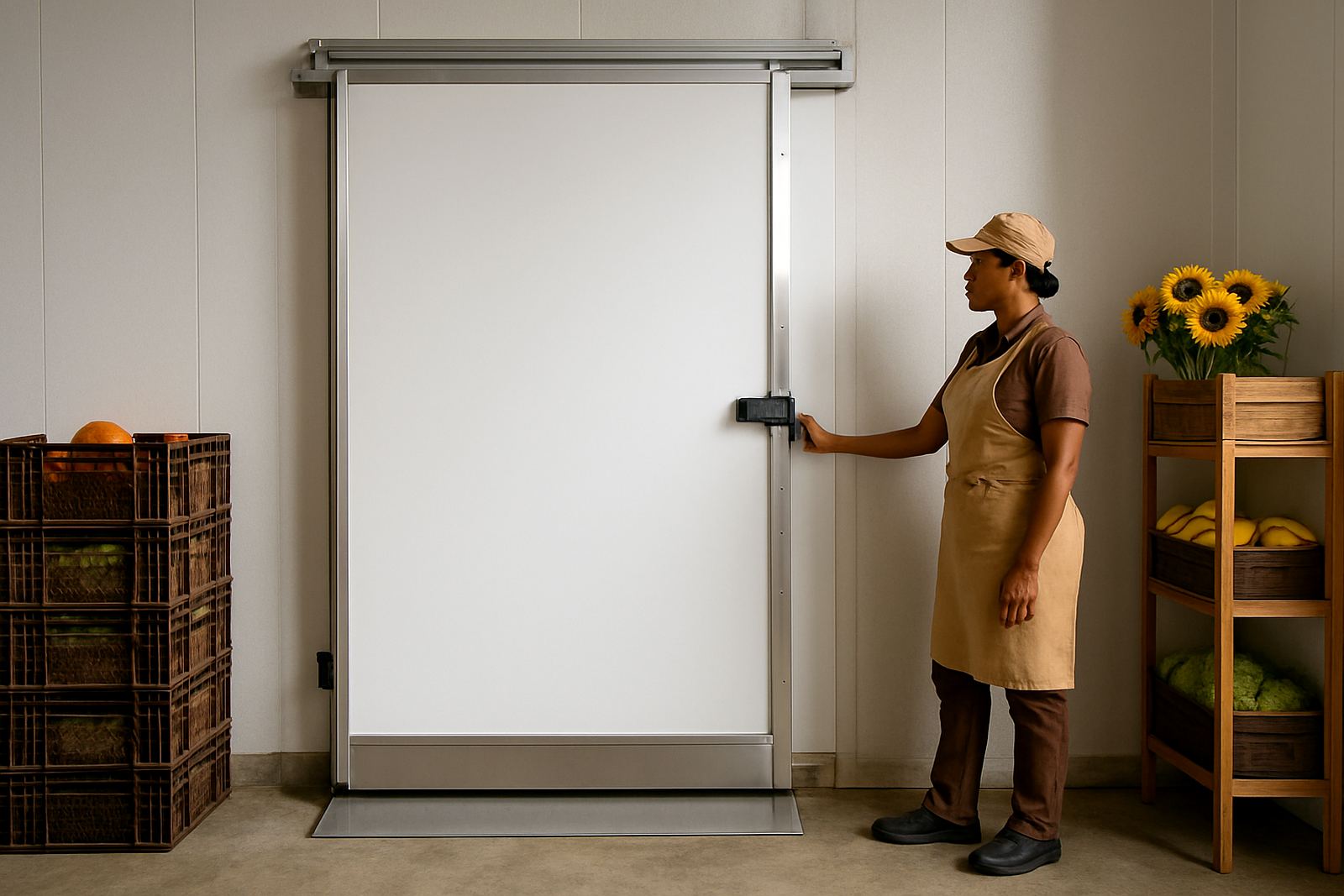
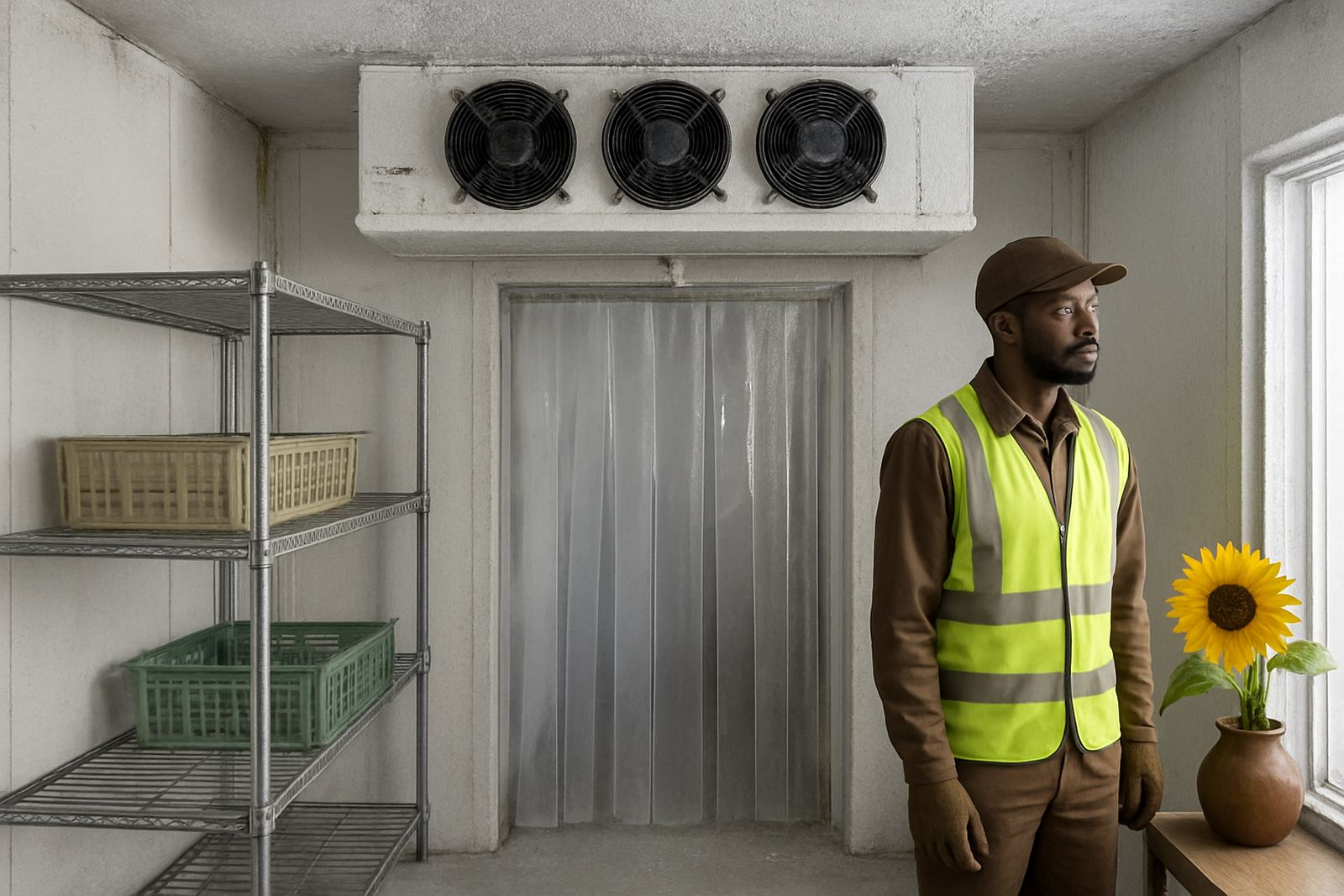
- Door types: hinged doors, emergency release handles, strip curtains, and heated frames where needed
- Internal fittings: shelving, racking, meat rails, pallet access and temperature logging points
We can also set up rooms for split use, such as frozen stock on one side and a chilled ante room outside, which helps reduce warm air entering the freezer on busy loading days. For sites in Jeffreys Bay or Port Alfred, where humidity can be high, this makes a noticeable difference to frost build-up and running costs.
Where Walk In Freezers Suit Best
These freezer rooms suit any operation that needs reliable frozen storage and regular stock rotation. In Gqeberha, Uitenhage and Despatch they are often used by food distributors, butcheries, schools, restaurants, fisheries, convenience stores and production kitchens. In inland towns like Graaff-Reinet, they are useful where deliveries are less frequent and stock must hold safely for longer periods.
They also suit businesses upgrading from old cold rooms that no longer hold temperature well. If doors are sagging, panels are sweating or frost is forming around the frame, the room may still be serviceable but the refrigeration package or insulation may need attention. A proper freezer room should hold its temperature without the plant running flat out all day.
- Food storage and batch freezing
- Butchery and meat holding
- Fish and seafood storage
- Bakeries and frozen ingredients
- Hospitality and catering stores
- Backup capacity during peak trading periods
Installation, Power Supply and Refrigerant Needs
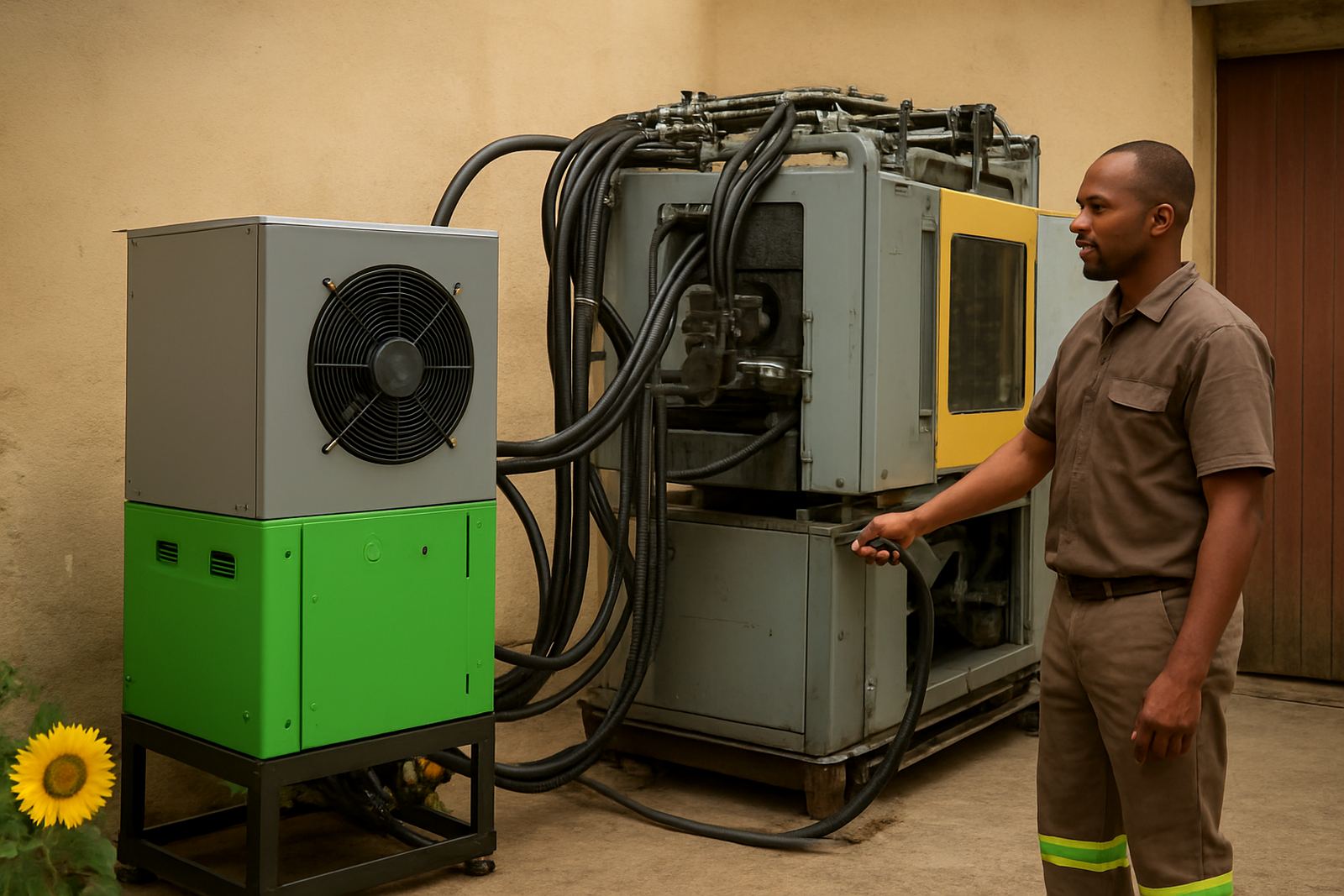
Installation starts with the room footprint, slab condition and access for delivery. A freezer room needs level support, good sealing around the panels and enough clearance for service work on the condensing unit and evaporator. If the room is going into an existing building, we check door swing, drainage, lighting and the path for product trolleys or pallet jacks. On new sites, it is better to plan the room before finishes go in, because later changes can be costly.
Power supply must match the refrigeration load and the way the business operates. Single-phase systems may suit smaller rooms, while larger or heavy-use installations usually need three-phase supply. During load-shedding, some clients use standby generation or staged restart controls to protect stored stock. The refrigerant choice depends on the system design and the current installation standard, and low-GWP options can be considered where an upgrade or conversion is planned.
- Correct electrical protection and isolators
- Dedicated circuits for compressors, evaporator fans and controls
- Safe refrigerant charging and leak testing after installation
- Allowance for generator changeover where backup power is used
Care, Servicing and Temperature Control
Freezer rooms need planned maintenance to keep the temperature steady and the running costs under control. Basic care includes coil cleaning, door seal checks, defrost control checks and checking that fans are moving air properly. If warm air enters often, the system works harder and ice starts to build up on the evaporator, which reduces airflow and storage space. That can lead to product loss if it is left too long.
For busy sites, temperature monitoring is worth having because it gives early warning of faults before stock is affected. Control upgrades can also help, especially on older rooms where the thermostat is inaccurate or the defrost cycle is not set correctly. We service rooms in wet and dry conditions alike, from the coast to the Karoo edge, and the same rule applies everywhere: a freezer room performs best when the mechanics are kept clean and the doors close properly.
- Planned Maintenance schedules
- Emergency Breakdowns response
- Leak Detection and repair
- Temperature Monitoring systems
- Control upgrades for older rooms
What to Check Before You Order
Before ordering a walk in freezer, it helps to know exactly what will be stored, how often the door will open and whether stock arrives on pallets, crates or shelves. These details affect the room size, insulation spec, compressor capacity and floor choice. It also helps to know the site address, available power supply and whether there is space for external plant and service access. A room that looks fine on paper can become awkward if the door lands in the wrong place or the ceiling height is too low.
Useful information to have ready includes the target temperature, daily product volume and whether the room must operate through load-shedding. If the freezer will sit near the coast, ask for a service plan that includes more frequent checks on electrical parts and seals. At Nvirocool, we work from our Newton Park base in Gqeberha and support clients across the Eastern Cape, so practical installation and servicing matters are part of the job from day one.
- Internal dimensions and available floor area
- Type of stock and storage method
- Door position, access route and clearance space
- Power supply and backup power plan
- Required temperature range and alarm needs
Key facts
| Product type | Walk in freezer room package for frozen stock holding |
|---|---|
| Typical size range | Approx. 2 m x 2 m up to 4 m x 6 m and larger |
| Insulation | 100 mm to 150 mm insulated panels, subject to duty and temperature |
| Temperature range | Commonly set for sub-zero storage, often around -18 C to -25 C |
| Power options | Single-phase or three-phase supply, with generator-friendly controls where required |
| Service support | Planned Maintenance, Emergency Breakdowns, Leak Detection and Temperature Monitoring |